In today's fast-paced printing and manufacturing industries, businesses often grapple with the choice between UV LED curing and traditional mercury lamps. Leading expert Dr. Sarah Johnson, an authority in advanced curing technologies, emphasizes, "The efficiency and safety of UV LED curing make it a game-changer for modern operations." Understanding why to choose UV LED curing over mercury lamps can transform production lines and improve product quality.
UV LED curing offers faster curing times and reduced energy costs. This technology eliminates harmful emissions associated with mercury lamps, creating a safer work environment. Companies can significantly cut operational costs while maintaining high-quality outputs. The transition to UV LED shines a light on sustainability, addressing environmental concerns directly.
Despite these advantages, some businesses hesitate. The initial investment in UV LED equipment can be daunting. It's crucial to weigh these concerns against long-term benefits. Adopting UV LED curing may require a cultural shift within an organization. Reflecting on this decision can lead to significant improvements in efficiency and responsibility.
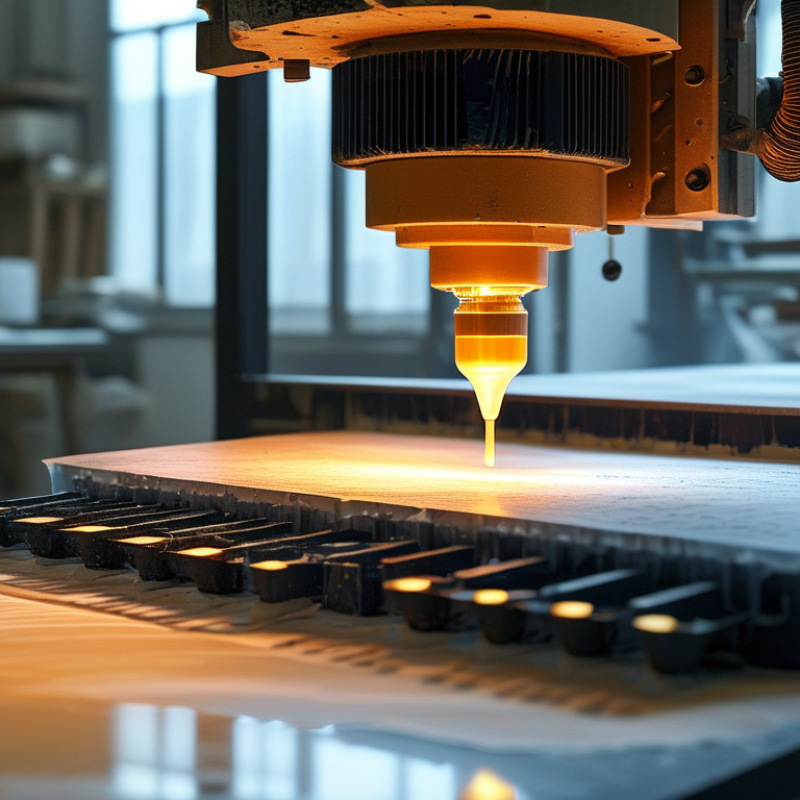
UV LED curing technology presents numerous advantages over traditional mercury lamps. One notable benefit is energy efficiency. UV LED systems consume significantly less power, which can lead to lower utility bills. Over time, this reduction in energy usage becomes a substantial saving for businesses. Additionally, UV LED lights have a longer lifespan compared to mercury lamps. This longevity translates to fewer replacements and decreased maintenance costs.
Health and safety considerations also favor UV LED curing. Unlike mercury lamps, UV LEDs do not contain toxic materials such as mercury. This makes them a safer choice for operators and the environment. Moreover, UV LEDs generate less heat, reducing the risk of overheating and fire hazards. Many businesses appreciate this added layer of safety, as it contributes to a more secure work environment.
The versatility of UV LED curing cannot be overlooked. It offers a broader range of wavelengths, making it suitable for various applications, from coatings to adhesives. However, adapting to this technology may require some trial and error. Companies must evaluate their specific needs and adjust their processes accordingly. While the shift to UV LED curing presents challenges, the benefits ultimately provide a compelling reason for businesses to consider this innovative solution.
UV LED curing technology is making waves in the industry, largely due to its environmental benefits. Unlike traditional mercury lamps, UV LED systems consume significantly less energy. This reduction in energy use translates into lower greenhouse gas emissions. Additionally, UV LED curing does not generate ozone. This means cleaner air quality for workplaces and surrounding communities.
The lifespan of UV LED lamps is another vital aspect. They last longer than mercury lamps, decreasing waste. Businesses benefit from fewer replacements and lower disposal costs. However, the initial investment in UV LED technology can be high, leading some companies to hesitate. The transition is not simple; adapting processes takes time and training.
At the same time, the evolving technology faces challenges. Current UV LED systems may not offer the same intensity as mercury lamps. This can affect curing speed and effectiveness. Some manufacturers worry about compatibility with existing materials. Continuous research and innovation are needed to overcome these hurdles. Balancing environmental gains with operational efficiency remains a complex task.
The landscape of UV curing technology has evolved significantly. Many businesses are shifting towards UV LED systems, primarily due to their cost-effectiveness and energy efficiency. According to a report by Smithers Pira, UV LED systems can save up to 80% in energy compared to traditional mercury lamps. This reduction leads to lower utility bills, providing immediate savings for businesses.
In addition, UV LED lamps have a longer lifespan, usually exceeding 25,000 hours, compared to the 1,000 hours typical for mercury lamps. This durability means less frequent replacements and reduced maintenance costs. However, some companies may struggle with the initial investment in UV LED technology. It's crucial to consider the total cost of ownership over time, not just the upfront price.
Tip: Calculate potential energy and maintenance savings before making a switch. A clear understanding of these factors can help justify the investment. Remember, while the transition may come with challenges, the long-term benefits often outweigh the initial hurdles. Integrating UV LED can be a pivotal move towards sustainability in printing or curing processes. Another reflection: assess your production needs. Tailor the UV system to fit your operational workflow for optimal results.
This chart illustrates the cost-effectiveness and energy efficiency of UV LED systems compared to traditional mercury lamps across various dimensions such as initial investment, operating cost, energy consumption, and lifespan.
UV LED curing technology is transforming various industries, providing unmatched versatility in applications. Unlike traditional mercury lamps, UV LEDs offer immediate curing, enhancing efficiency and reducing production costs. Reports indicate that businesses utilizing UV LED systems can increase productivity by up to 40%. This technology is particularly beneficial in sectors such as packaging, printing, and automotive.
The adaptability of UV LED curing extends to diverse materials, including plastics, glass, and metals. Industries such as cosmetics and electronics have reported significant improvements in product quality and finish due to this technology. For instance, a study by a leading industry group found that 78% of manufacturers experienced fewer defects when switching to UV LED systems. This adaptability makes UV LEDs a reliable choice for businesses aiming to meet varying customer demands.
Tips: Experiment with different UV LED wavelengths to optimize curing times for specific materials. Regularly monitor equipment performance for inconsistencies, as this could impact productivity. It’s also essential to train staff on the nuances of UV LED technology to maximize its benefits.
When considering UV curing processes, safety and health play crucial roles. Traditional mercury lamps emit harmful UV radiation. This can lead to skin and eye damage over time. Workers must take extra precautions, using protective gear to minimize exposure. Such measures increase operational costs.
In contrast, UV LED curing systems are safer. They produce less heat and their spectrum is more controllable. This minimizes risks to operators. Furthermore, UV LEDs do not contain mercury, eliminating concerns about hazardous waste. Workers can operate in a more secure environment. However, switching to LED systems requires initial investment and employee training.
Some might believe that safety alone does not justify the transition. It’s worth considering the long-term benefits. While adapting to new technology can be daunting, the health advantages outweigh potential drawbacks. Creating a safer workspace elevates employee morale and productivity. Balancing safety with efficiency is essential in today’s workplace.
: UV LED curing technology uses light-emitting diodes to cure materials. It is efficient and environmentally friendly.
It uses less energy than traditional methods, reducing greenhouse gas emissions and improving air quality.
UV LED lamps last longer than mercury lamps, resulting in less waste and lower replacement costs.
Yes, the initial investment is high, and adapting processes requires time and training for employees.
UV LED systems are safer; they produce less heat and do not emit harmful radiation or contain mercury.
High initial costs and concerns about curing speed and material compatibility can deter adoption.
Some think safety alone isn't a strong reason; long-term health benefits matter too.
A safer workspace can elevate employee morale and boost productivity in the long run.
Current UV LED systems may lack the intensity of mercury lamps, affecting curing speed and effectiveness.
Balancing environmental benefits with operational efficiency requires continuous research and innovation.
When considering the question of "why choose UV LED curing over mercury lamps," businesses are increasingly recognizing the numerous advantages offered by UV LED technology. The benefits include improved energy efficiency and cost-effectiveness, as UV LED systems consume less power and have longer lifespans than traditional mercury lamps. Moreover, UV LED curing technology is environmentally friendly, producing fewer harmful emissions and reducing waste.
Additionally, the versatility of UV LED applications spans various industries, allowing for a wider range of curing options. Safety and health considerations are also paramount, with UV LED systems posing fewer risks to workers and the environment compared to mercury lamps. Overall, the transition to UV LED curing represents a smart choice for businesses looking to enhance efficiency, sustainability, and safety in their operations.

LumiCure Light