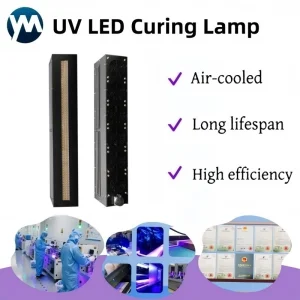
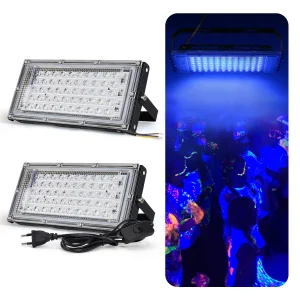
Industrial-grade UV LED emitters delivering precise wavelength outputs, uniform illumination, and high peak intensity for production-line curing.
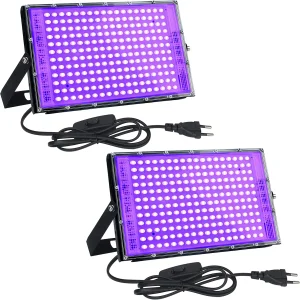
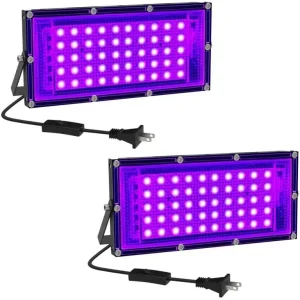
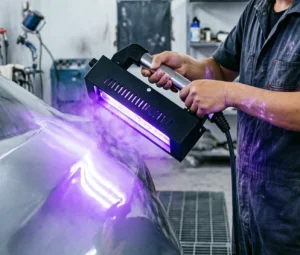
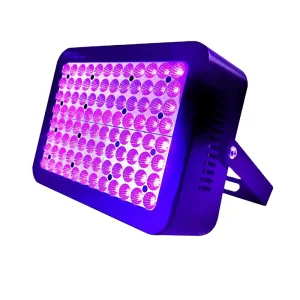
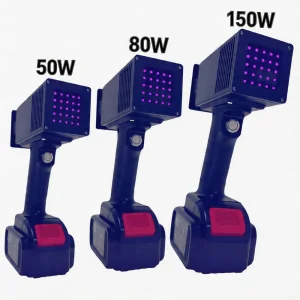
Establishing Standards of Excellence in Industrial UV LED Engineering & Global Supply
Dongguan LumiCure Light Co., Ltd. is a professional China UV LED curing lamp manufacturer specializing in the research, development, production, and supply of industrial UV curing systems and customized UV LED solutions. With a strong focus on innovation, quality, and customer satisfaction, LumiCure has become a trusted partner for manufacturers worldwide seeking efficient and reliable curing technologies.
Our product range includes UV LED curing lamps, UV LED spot curing systems, flood curing lamps, conveyor UV curing machines, UV LED modules, printing curing systems, adhesive curing equipment, and customized industrial UV solutions. These products are widely applied in printing, electronics assembly, semiconductor packaging, optical bonding, automotive manufacturing, medical devices, 3D printing, and various precision industrial processes.
Backed by an experienced engineering team and advanced manufacturing facilities, LumiCure is committed to developing energy-saving and environmentally friendly UV curing technologies. Our products feature high curing efficiency, precise wavelength output, long service life, low maintenance requirements, and intelligent control capabilities, helping customers improve productivity while reducing operating costs.
Quality remains the foundation of our business. Every product undergoes rigorous testing and strict quality control procedures throughout the manufacturing process to ensure consistent performance and reliability. We also provide comprehensive OEM and ODM services, enabling customers to customize products according to their specific technical and application requirements.
Serving clients across Europe, North America, Asia, the Middle East, and other global markets, Dongguan LumiCure Light Co., Ltd. continues to deliver innovative UV LED curing solutions that support sustainable and efficient industrial manufacturing.
Years R&D Experience
Exporting Countries
Quality Acceptance Rate
Technical Support
How solid-state emitters are reshaping the manufacturing landscape through precise energy delivery and ecological compliance.
The global industrial manufacturing landscape is undergoing a critical transition. Legacy medium-pressure mercury arc lamps, which have dominated the curing domain for decades, are being rapidly phased out. This shift is driven by strict environmental regulations (such as the Minamata Convention on Mercury) and the relentless pursuit of operational efficiency. UV LED flood curing systems offer a superior alternative, providing monochromatic output, instant on/off capabilities, and an operational lifespan exceeding 20,000 hours—compared to the mere 1,000 hours typical of mercury bulbs.
Modern photopolymer formulations demand precise peak irradiance to trigger optimal photoinitiator reactions. Industry trends show a transition from broad-spectrum exposure to targeted monochromatic wavelengths. 365nm remains the gold standard for deep adhesive curing and optical bonding, while 395nm and 405nm are increasingly preferred for surface coatings and digital inkjet curing due to their deeper penetration depths and minimized substrate heating.
Data represents average performance indexes under controlled industrial environments. Real-world results depend on thermal interface materials and active cooling setups.
Navigating total cost of ownership, component reliability, and supply chain continuity in high-volume acquisition cycles.
Initial acquisition cost is only a fraction of the total cost of ownership. Purchasing managers must evaluate energy consumption reduction, minimized line downtime, and eliminated hazardous waste disposal fees when estimating payback periods.
Modern UV LED flood arrays require seamless integration with existing PLC systems and automated production lines. We design systems featuring multi-protocol interfaces (Modbus, Profinet, Analog control) for plug-and-play operation.
Component sourcing consistency is critical. Our direct factory partnerships in China ensure a stable supply of high-power LED dies, optical glass lenses, and high-performance drivers, mitigating geopolitical and logistical bottlenecks.
Deploying targeted UV light engines to solve complex manufacturing bottlenecks in high-precision markets.
In semiconductor and optoelectronics packaging, thermal expansion mismatch is a primary cause of component failure. Standard thermal curing methods can warp thin substrates and damage sensitive microcircuits. LumiCure's high-irradiance UV LED flood systems provide uniform 365nm energy that cures specialized potting compounds and optical underfills instantly at ambient temperatures. This ensures precise component alignment and stress-free bonding for camera modules, image sensors, and advanced micro-displays.
Assembly of medical disposables (such as catheters, syringes, and dialysis filters) demands absolute process repeatability. Photo-curable adhesives utilized in these processes must reach full polymerization to satisfy biocompatibility metrics. Our industrial flood lamps deliver consistent irradiance outputs with closed-loop optical feedback systems that actively monitor and adjust UV intensity, guaranteeing compliant bonding on every single production run.
From coating high-wear interior parts to optical bonding of large format curved displays, the automotive sector demands durable, flawless curing. Our modular flood curing designs allow for scalability. Emitters can be interlinked to construct broad-area irradiation arrays, delivering high peak intensity across complex 3D profiles without introducing thermal stress to plastic lenses or sensitive electronics.
Aligning international standards with on-site deployment to guarantee safe, continuous manufacturing operations.
Industrial machinery must conform to international safety regulations before commissioning. LumiCure's UV LED curing products are fully compliant with CE, RoHS, UL, and PSE guidelines. Every unit undergoes high-voltage insulation tests, spectral accuracy evaluation, and electromagnetic compatibility (EMC) testing before leaving our facility.
This commitment to compliance ensures trouble-free installation and plant commissioning in highly regulated markets, including the European Union, Japan, and North America.
To eliminate prolonged downtime, we provide global engineering support alongside localized distribution channels. Our network offers prompt technical assistance, spare parts support, and custom optical tuning. Whether you require standard replacement modules or customized spectral optimization for proprietary resin formulas, our technical field engineers are equipped to assist.
An outlook on smart IoT integration, advanced multi-band chips, and high-efficiency solid-state thermal dissipation.
The next phase of UV LED curing technology relies on smart integration and increased efficiency. As factories transition to Industry 4.0 paradigms, curing systems must act as intelligent nodes on the industrial network. LumiCure is actively developing IoT-enabled power platforms that monitor real-time forward current, temperature, and relative irradiance. This data is transmitted back to central PLC monitors via OPC UA or Modbus TCP, allowing for predictive maintenance and minimizing unplanned down-time.
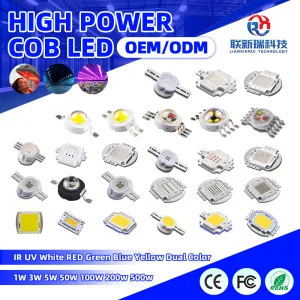
Furthermore, chip-on-board (COB) technology development is paving the way for multi-wavelength arrays on a single substrate. By integrating 365nm, 385nm, and 395nm dies in close proximity, a single lamp can provide tailored, sequential exposure profile to cure hybrid adhesives. This technology yields both fast surface drying and deep structural bonding, eliminating the need for multi-station curing lines.
Expert answers to critical engineering and operational questions regarding UV LED flood curing systems.
Peak irradiance refers to the maximum power density of UV light delivered at the substrate surface, which is critical for initiating polymerization. Energy density (or dose) is the total UV energy exposure over time (irradiance multiplied by exposure duration). Both metrics must be calibrated to achieve a complete cure.
Many deep-section acrylic and epoxy adhesives are formulated with photoinitiators that absorb strongly in the short UVA band (365nm), which is essential for curing depth. 395nm is typically better suited for surface curing, printing inks, and coatings where penetration depth requirements are lower.
Air-cooled systems utilize heat sinks and fans, offering easy installation and low maintenance for low-to-medium power demands. Water-cooled systems utilize closed-loop chillers to transfer heat, allowing high-power setups to operate continuously without thermal degradation.
Yes. Our systems include remote I/O terminals, PLC interfaces, and analog dimming controls (0-10V or PWM). This allows automatic conveyor systems to trigger, adjust, and monitor the light output based on real-time production speeds.
Under recommended operating temperatures and proper maintenance, our industrial LED chips maintain over 80% of their initial irradiance output (L80 metric) for at least 20,000 operational hours.
No. Legacy mercury systems generate ozone due to short-wavelength UVC light (under 240nm) reacting with oxygen. Monochromatic UV LED systems operate at longer wavelengths (365nm to 405nm), eliminating ozone generation and the need for exhaust ducting.
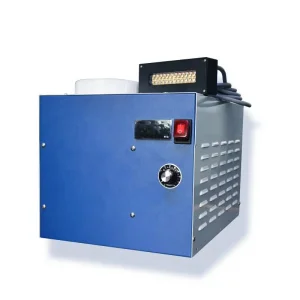
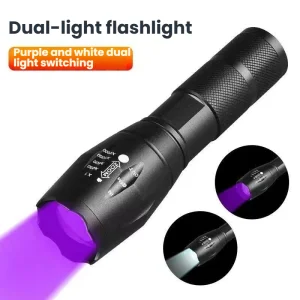
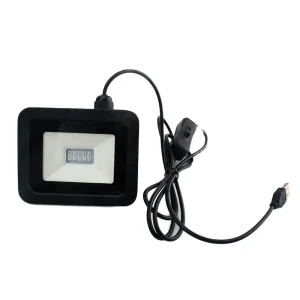
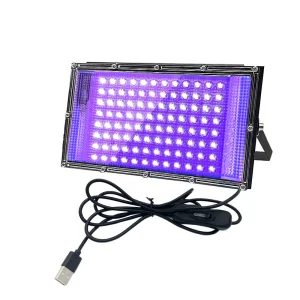
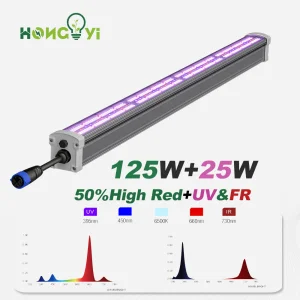
Industrial UV curing flood arrays and components engineered for demanding manufacturing applications.
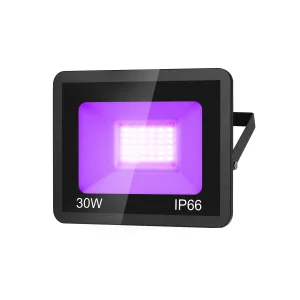
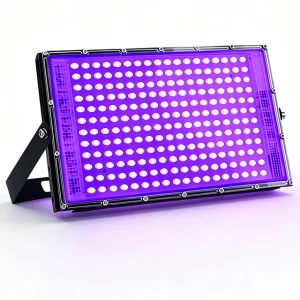
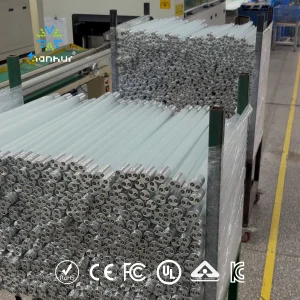
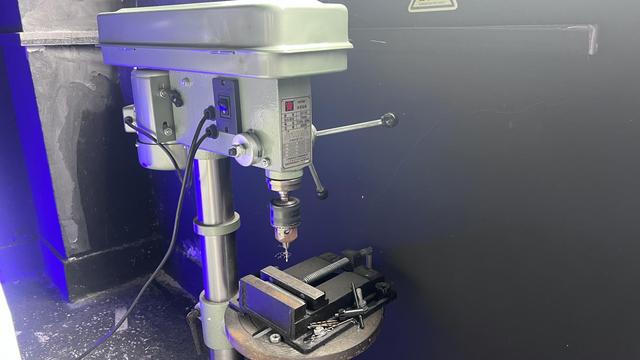
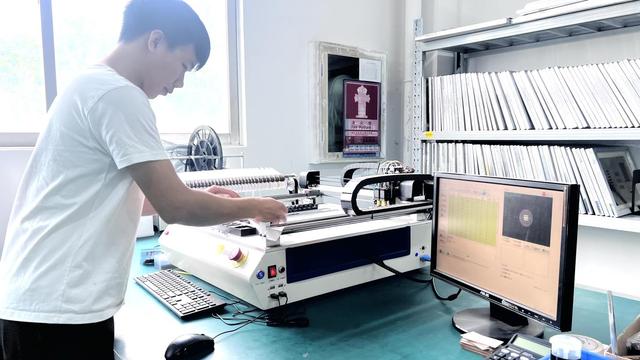
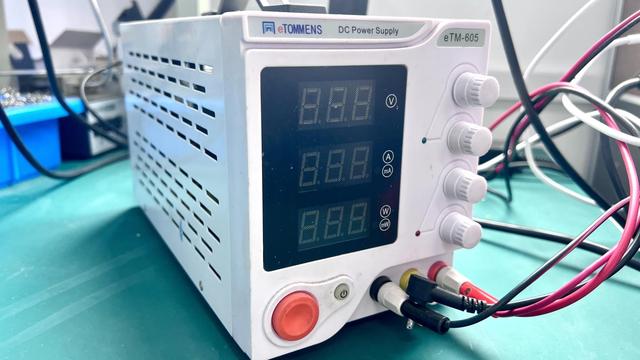
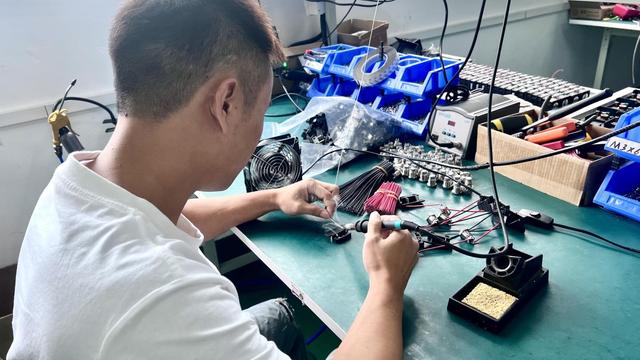
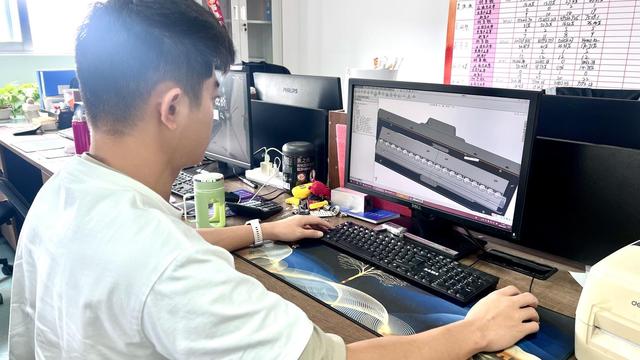
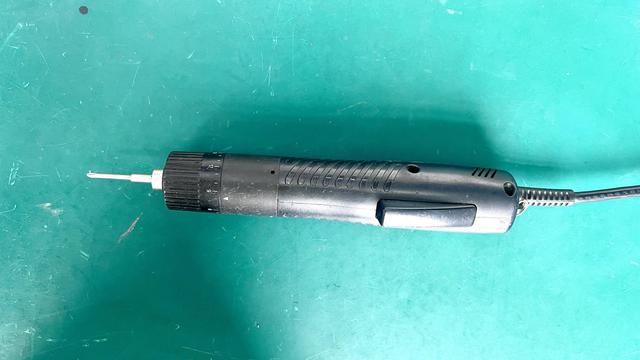
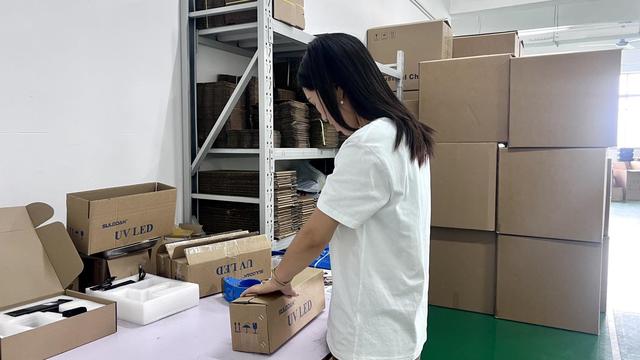
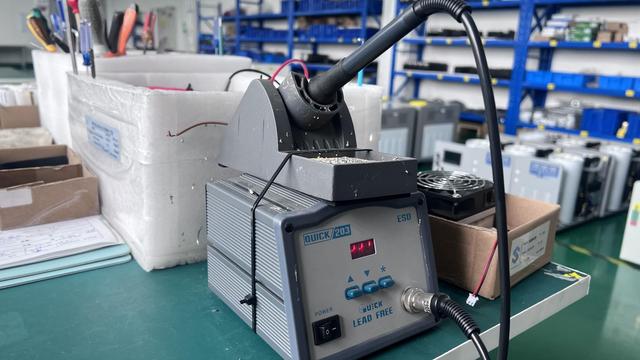
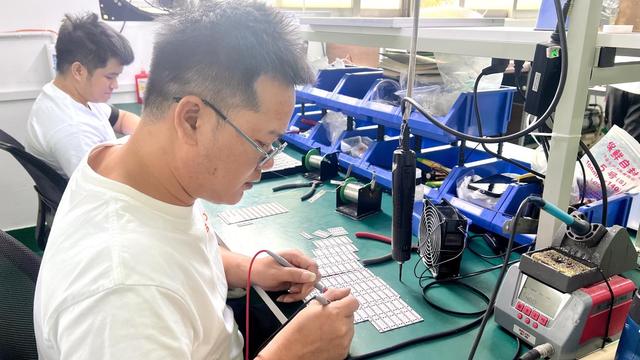
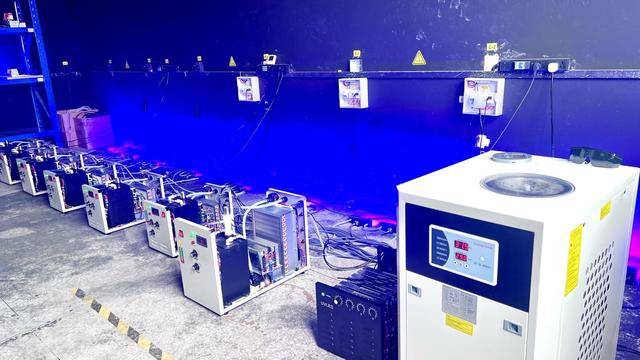
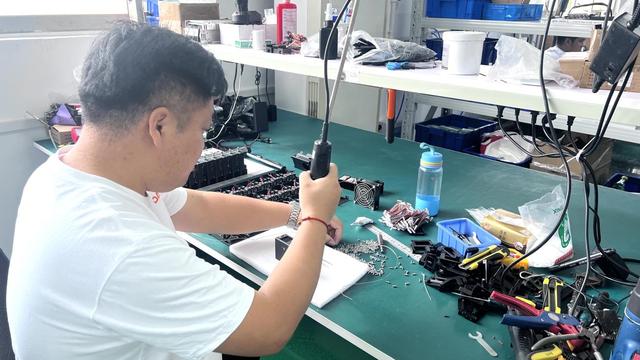
A look inside our ISO 9001 certified manufacturing facility in Dongguan, China.
 LumiCure Light