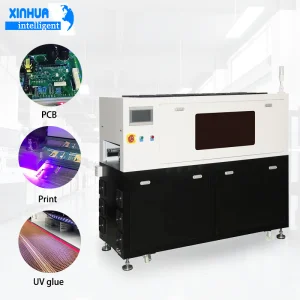
Explore our cutting-edge, energy-efficient ultraviolet curing hardware, custom manufactured in-house for dry film exposure, solder mask drying, and component adhesive curing.
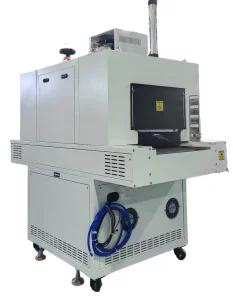
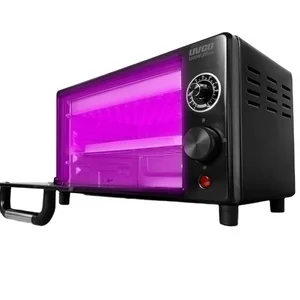
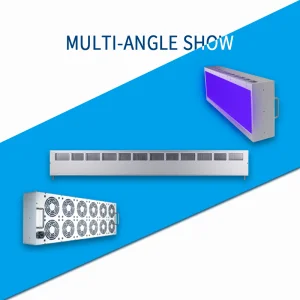
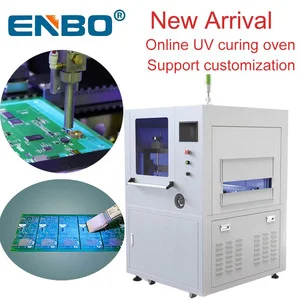
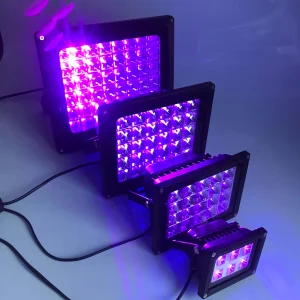
As a premier China UV LED curing lamp manufacturer, Dongguan LumiCure Light Co., Ltd. specializes in the deep engineering, design, and manufacture of industrial UV curing systems and customized UV LED solution sets. Operating with cleanroom standards and utilizing high-performance semiconductor components, we support advanced electronics assemblers, SMT packaging plants, and general industrial coaters globally.
Our core mission focuses on shifting the manufacturing paradigm away from inefficient, thermal-heavy mercury vapor gas tubes and replacing them with solid-state, highly stable narrow-band UV LED curing arrays. By optimizing electrical energy input into precise narrow wavelengths—specifically 365nm, 385nm, 395nm, and 405nm—our equipment minimizes heat transfer, prevents substrate warping, and reduces electrical energy consumption by up to 80%.
Our engineering solutions range from specialized UV LED spot lamps, high-power flood units, and modular conveyor lines, to automated PLC-controlled double-sided exposure machinery. Supported by a rigorous quality department and modern optical lab equipment, LumiCure supplies OEMs across the USA, Europe, South Korea, Japan, and the Middle East, satisfying complex custom ODM specifications.
Modern electronics demand thinner boards, higher density routing (HDI), and microscopic trace paths. These requirements challenge traditional curing processes.
Traditional medium-pressure mercury lamps generate high levels of Infrared (IR) heat. This hot operation causes FR4, polyimide, and flexible copper-clad laminates to warp, leading to trace mismatching. Our cold-source UV LED lamps emit only targeted UV wavelengths, preserving material flatness.
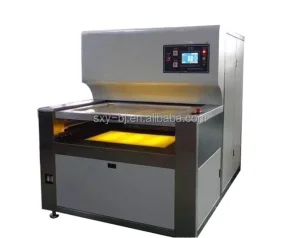
Fine line lithography requires highly parallel, collimated light beams for double-sided photoresist exposure. Traditional glass lamps suffer from spatial intensity fluctuations. The LumiCure UV-LED Double-Side Exposure machine delivers uniform optical radiation (up to 98% uniformity), ensuring clean trace definitions.
With strict global legislation like RoHS and REACH, manufacturing plants are phased away from mercury-containing gas tubes. Switching to solid-state UV LED technology eliminates hazardous waste disposal costs, guarantees clean workplace conditions, and aligns factories with carbon reduction targets.
Different polymer binders, inks, and conformal coatings require distinct wavelengths for deep cross-linking and surface dryness. Here is a breakdown of our industrial options:
| Wavelength | Primary PCB Application | Optical Intensity (Peak) | Curing Characteristics |
|---|---|---|---|
| 365nm | Dry film photoresist exposure, deep-pour potting resins, optical bonding adhesives. | 8,000 - 16,000 mW/cm² | Excellent penetration depth, ideal for thicker polymer layers and micro-circuits. |
| 385nm | Solder mask inks (Green/Black oil), conformal coatings. | 10,000 - 12,000 mW/cm² | Balanced surface and depth polymerization, prevents underlying wet adhesion failure. |
| 395nm | High-speed screen printing inks, component marking inks. | 12,000 - 15,000 mW/cm² | Excellent surface cure speed, prevents smudges and marks during high throughput conveyor runs. |
| 405nm | Thick solder resist overlays, sensitive SMT components, optoelectronic assemblies. | 8,000 - 14,000 mW/cm² | Longer wavelength reduces degradation risk to UV-sensitive sensor dies on board. |
When photoinitiators in the Solder Resist (SR) ink absorb localized UV photons from the LED array, they undergo radical or cationic dissociation. These radicals attack the unsaturated double bonds of acrylate monomers, causing an immediate polymerization reaction. Because UV LEDs offer a tight Gaussian emission curve (+/- 5nm), energy is concentrated directly at the absorbance peak of the photoinitiator.
This targeted delivery improves cross-linking density compared to mercury lamps, which output unnecessary visible, infrared, and UVC light. The result is improved chemical resistance, enhanced pencil hardness (exceeding 6H), and resistance to thermal shock during wave soldering processes.
From benchtop repair setups to massive automated industrial lines, our custom designs address different production environments.
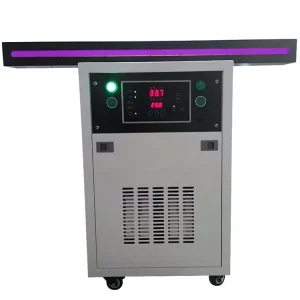
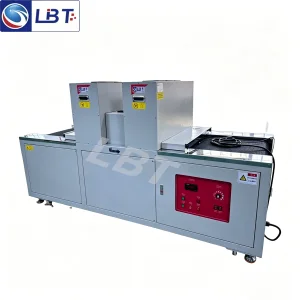
Designed for continuous operations, our chain conveyors integrate high-power UV line modules. Configured with adjustable belt speeds and height controls, these systems are used for conformal coating, protecting assemblies from humidity, dust, and electrical leakage.
Example: The Professional UV LED Chain Conveyor integrates inline air/water cooling blocks, providing temperature-controlled runs for long production shifts.
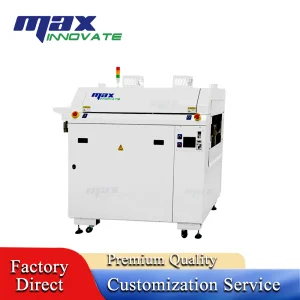
When curing multi-layer designs, uniform energy exposure is critical. Our curing ovens feature multi-sided LED matrix modules and custom optical reflectors to minimize shadows on the board.
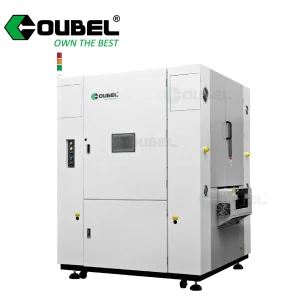
Example: The High Temperature LED Curing Oven with PLC Control allows engineers to program ramp rates, cooling cycles, and specific irradiance profiles.
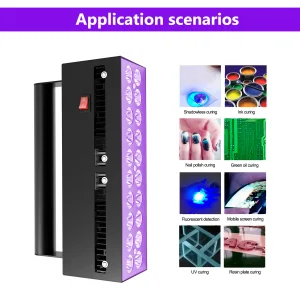
For SMT rework stations, prototype development, and component bonding, portable units provide flexible operation.
Example: The YXO YUXINOU 200W Curing Lamp or the Portable UV Led Curing Oven offer fast, localized adhesive and varnish curing in small footprints.
How Dongguan LumiCure Light Co., Ltd. delivers quality and engineering compliance for international supply chains.
All system designs are measured using high-precision spectroradiometers. We map beam profiles and provide irradiance profiles for every installation, ensuring the UV energy output is documented and verified.
High-output LEDs generate internal heat that can reduce chip lifetime if unmanaged. Our systems utilize liquid cold plates or copper micro-channel heat sinks, keeping junction temperatures low to maintain light output over thousands of hours.
We offer hardware and software customization, including IO alarm ports for water flow and temperature faults. Systems support integration with manufacturing execution systems (MES) for trace process monitoring.
Our engineering team answers technical questions from PCB and SMT assembly engineers.
Inside our production department, quality inspection, and optical assembly cleanroom.
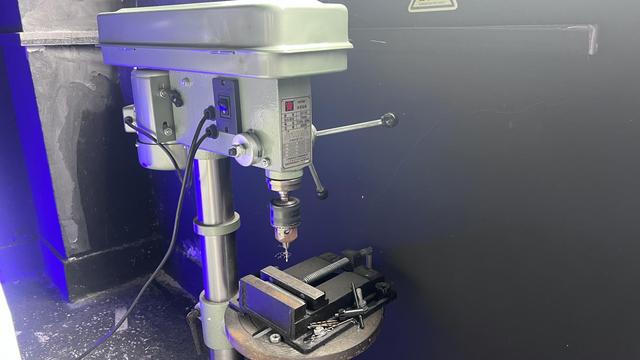
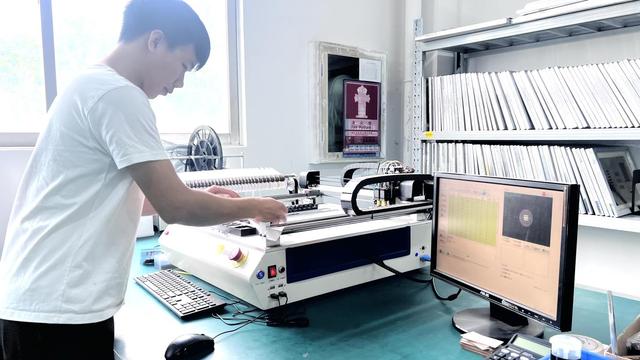
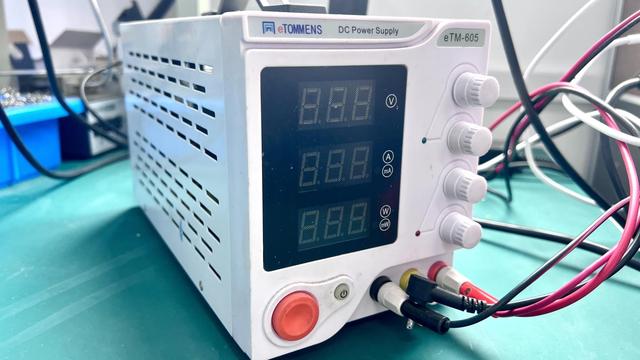
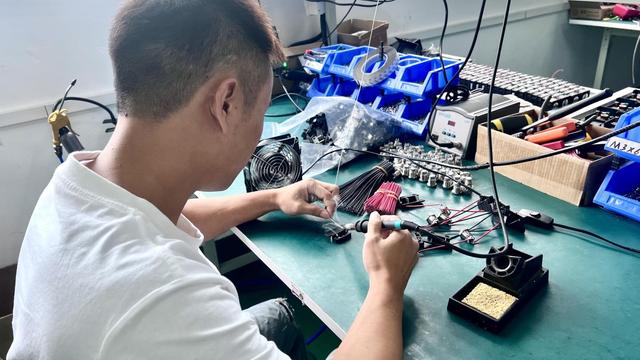
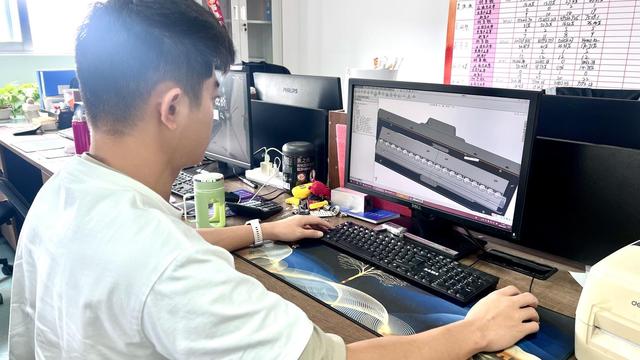
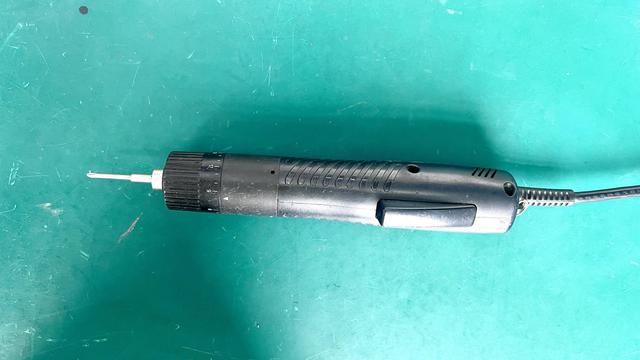
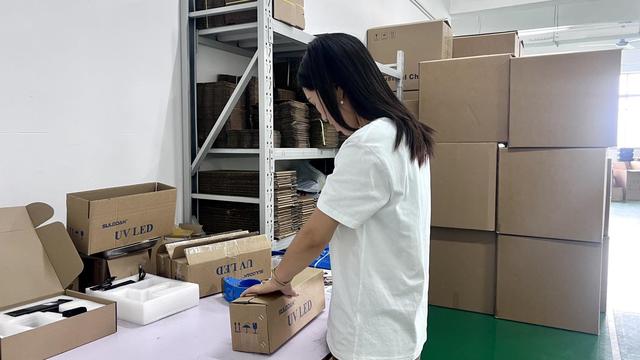
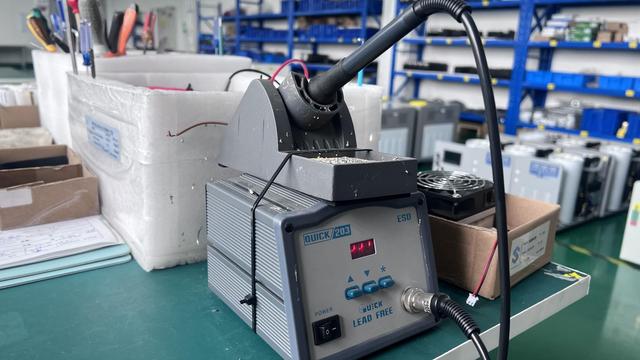
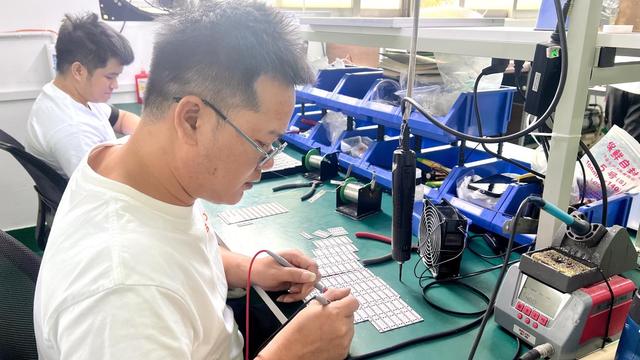
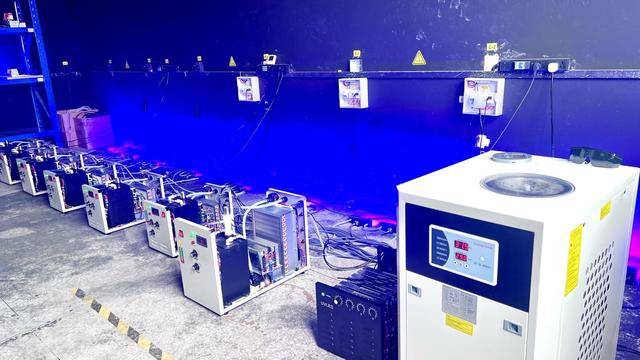
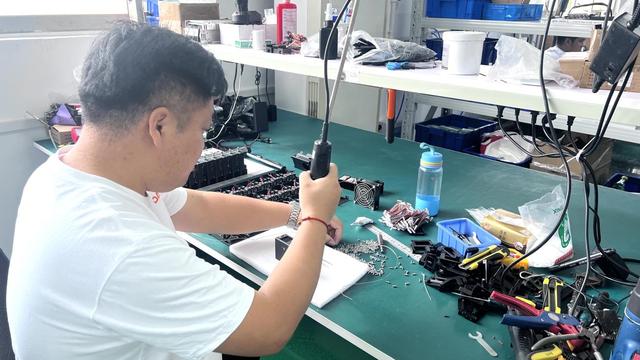
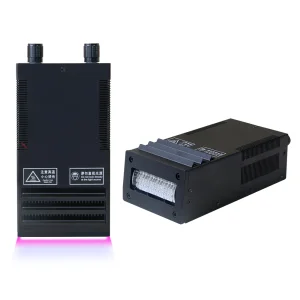
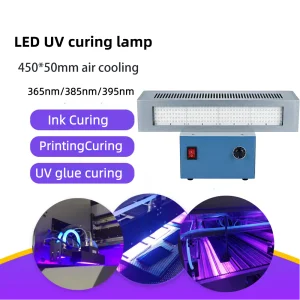
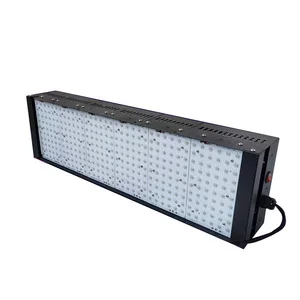
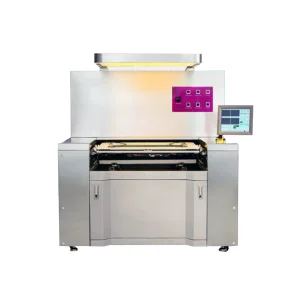
Browse our selection of specialized ultraviolet processors, conveyor units, and double-sided exposure equipment designed for automated manufacturing lines.
 LumiCure Light