Explore our advanced UV LED systems engineered for rapid, uniform ink curing across diverse industrial screen printing applications.
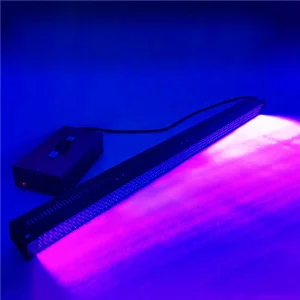
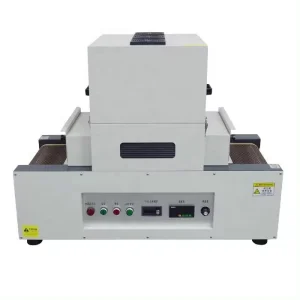
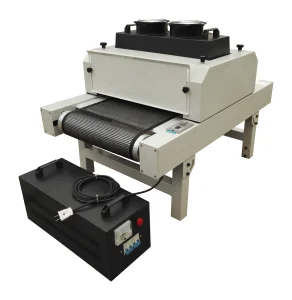
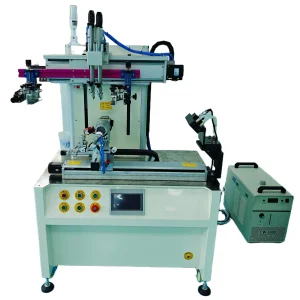
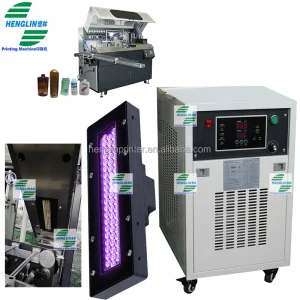
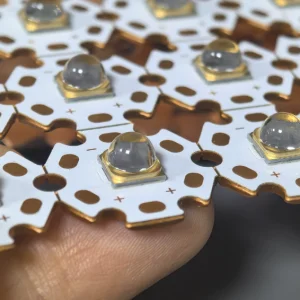
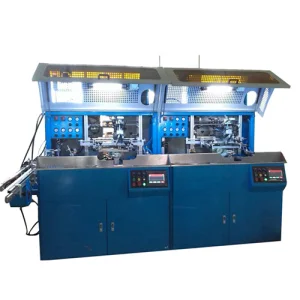
Dongguan LumiCure Light Co., Ltd. is a leading China UV LED curing lamp manufacturer specializing in the research, development, production, and supply of industrial UV curing systems and customized UV LED solutions. With a strong focus on engineering innovation, uncompromising quality control, and customer-first support, LumiCure has emerged as a premier manufacturer for global enterprises seeking high-efficiency, reliable curing equipment.
Our expansive industrial line encompasses high-power UV LED curing lamps, spot/flood curing lamps, customized conveyor UV dryers, multi-spectral UV LED modules, and turn-key ink curing systems. These advanced solutions serve key industries including packaging print, electronics assembly, semiconductors, optical component manufacturing, medical device packaging, and automotive industries.
"By integrating peak wavelength precision with energy-saving architectures, LumiCure enables global manufacturers to scale up production speeds while cutting down overhead costs and carbon emissions."
Why modern high-volume screen printing lines are phase-migrating to solid-state UV LED diode configurations.
For decades, conventional medium-pressure mercury arc lamps served as the default standard for curing screen printing inks. However, their high operational temperatures, long warm-up cycles, mercury content, and fast drop-off in irradiance presented long-term productivity and environmental pain points. Today's industrial printing standards demand greater throughput, substrate thermal protection, and eco-compliance.
| Operational Parameter | Conventional Mercury Arc Lamps | LumiCure Industrial UV LED Systems |
|---|---|---|
| Lifespan Expectancy | 1,000 to 2,000 Hours (Highly degraded output) | Over 20,000 to 30,000 Hours (Highly consistent output) |
| Substrate Thermal Load | High IR Emission (Typically causes thin plastic deformation) | Near-zero Heat Transfer (Perfect for thermal-sensitive films) |
| Energy Consumption | 100% Constant draw (No instant on/off capability) | Up to 60-80% savings via instant-on/off linkage to PLC |
| Environmental Impact | Contains Hazardous Mercury; Generates Ozone gas | RoHS Compliant; Mercury-free; Zero Ozone emissions |
| Wavelength Output | Broadband spectrum (Unfocused, high stray heat energy) | Monochromatic Peak (365nm / 385nm / 395nm / 405nm precise) |
How LumiCure leverages the Dongguan electronics cluster to deliver custom, high-precision industrial systems.
Situated in Dongguan, the electronics and advanced hardware manufacturing capital of China, we source premier optoelectronic chips, precision thermal copper substrates, and advanced cooling units with zero logistical delay, lowering final deployment costs for customers.
Our specialized research team handles in-house electronic schematics, optical ray-tracing reflector simulations, and structural cooling designs. We easily build customized length, width, and wavelength arrays matching the precise mechanical footprints of automatic screen printing machines.
We deploy high-precision optical integrating spheres and industrial radiometers to measure spatial irradiance. Every module undergoes a non-stop 72-hour burn-in phase and high-humidity thermal shock testing prior to packaging and dispatch.
Tailoring optical curing parameters to match specific materials, production setups, and line velocities.
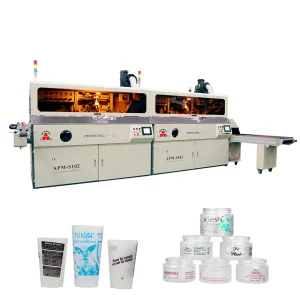
Curing inks on irregular surfaces such as cosmetic tubes, glass bottles, and silicone cups requires specialized geometry. Our systems integrate with automatic multi-color printers (such as the APM S102) using custom-engineered curved reflectors to evenly envelope cylindrical substrates, maintaining a constant focal distance for high-speed curing.
Garment printers require systems capable of managing thick ink layers on porous fabrics. Our 395nm air/water-cooled curing units are capable of generating an intensity of 12-16 W/cm² to drive photoinitiator reactions deep within the ink layer. This ensures wash-resistant bonding without scorching delicate fibers.
Screen-printed electronic panels use heat-sensitive polycarbonate (PC) and polyester (PET) films. Thermal expansion or contraction ruins multi-layer registration. The monochromatic narrow spectrum of LumiCure LED systems keeps heat output minimal, preventing warping, shrinkage, or coloration changes in technical overlays.
Because glass and metal have high thermal conductivity and reflect UV rays, they require high peak irradiance to promote adhesion. Our high-power 365nm tunnel curing systems offer deep penetration and secure bonding on hard surfaces, making them ideal for architectural glass, automotive panels, and tinplate packaging.
Key technical specifications that procurement officers and system engineers must verify before deploying new curing systems.
Match the system's output (365/385/395/405nm) to your screen printing ink's absorption curve. Irradiance levels (W/cm²) must match your line speed to ensure full curing.
High-powered systems require liquid-cooled copper plates, while smaller units can use forced-air cooling. Effective cooling extends chip life and maintains output stability.
Verify that the power supply supports external control inputs (0-10V, RS485, or Modbus) for seamless automation with automatic screen printing machinery.
At LumiCure, we simplify this process by offering ready-to-integrate designs with universal mounting systems, modular driver cards, and customized optical window sizes, minimizing installation times during retrofits or new setups.
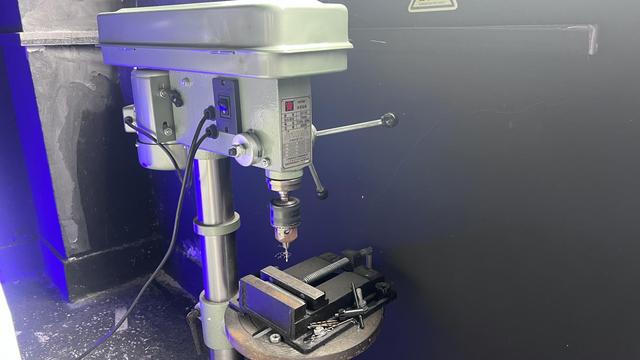
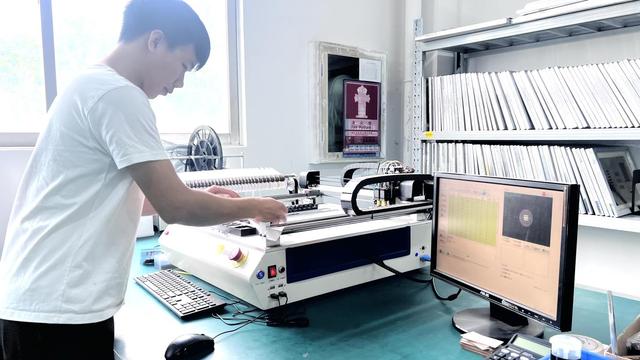
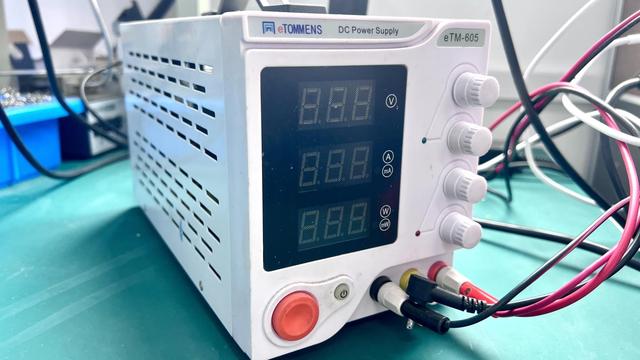
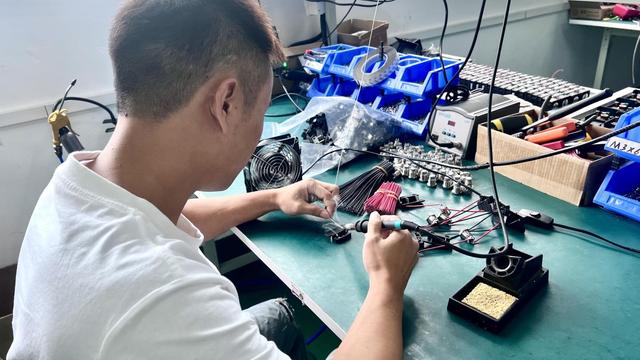
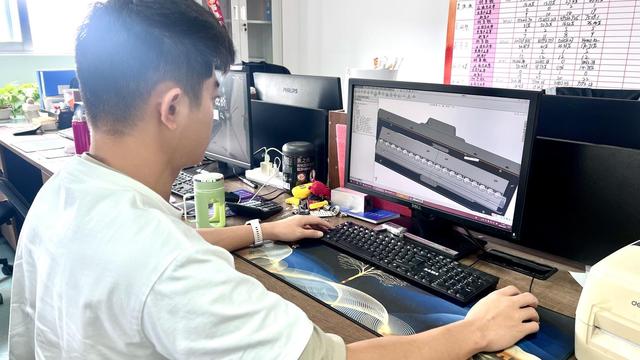
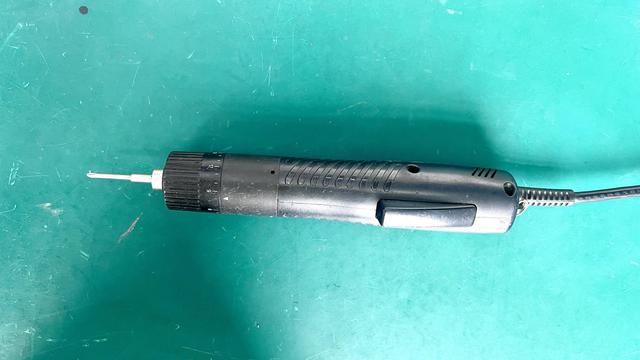
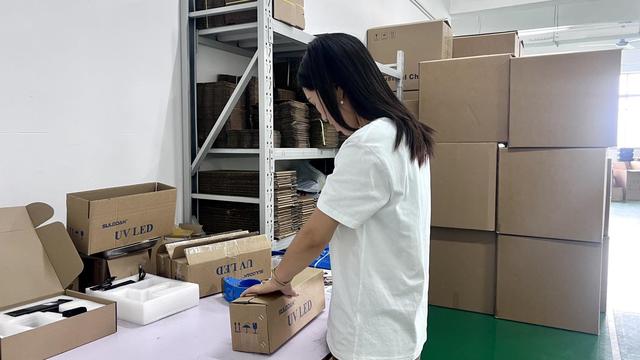
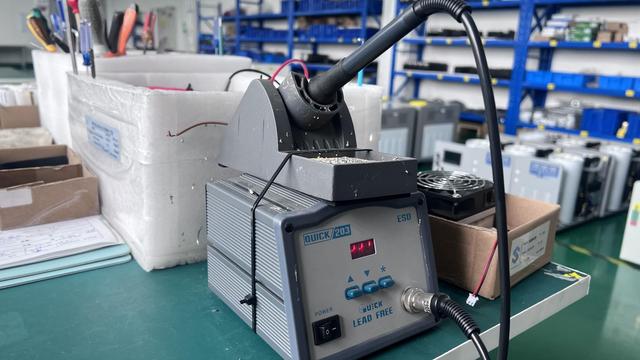
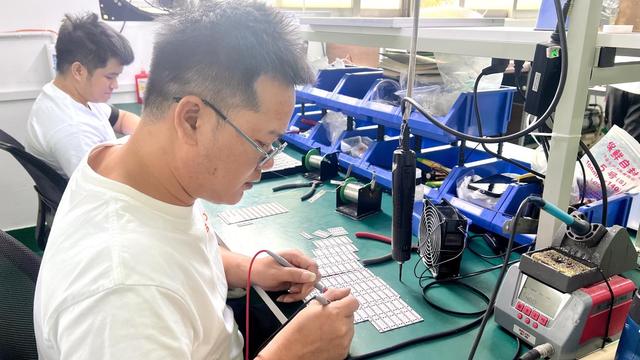
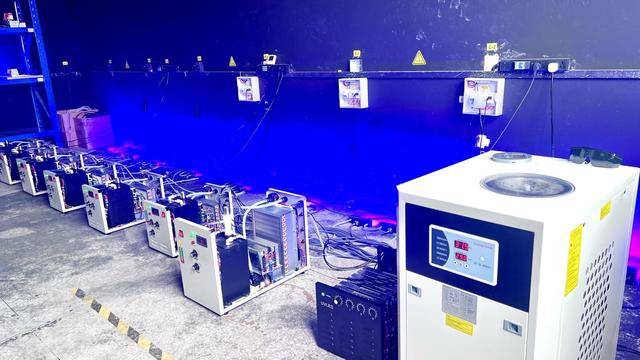
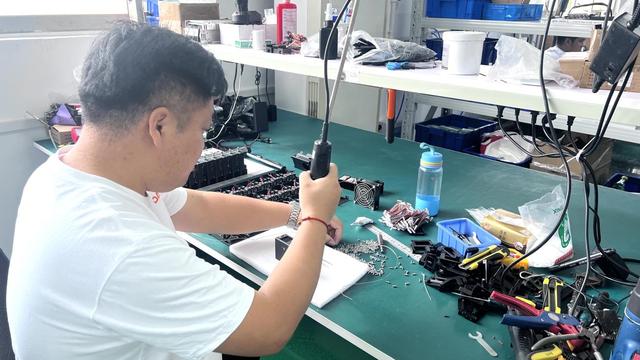
Peek inside our ISO-certified Dongguan facility, featuring high-speed SMD lines, optical testing labs, and assembly divisions.
Key technologies shaping the next generation of screen printing curing equipment.
Modern printing plants require real-time system performance monitoring. Future UV LED curing systems will incorporate integrated optical sensors to measure chip wear, system temperature, and UV output in real time. This data is fed back to central control systems via industrial interfaces to schedule maintenance before faults occur, preventing unexpected downtime.
Formulating ink that cures perfectly on the surface and deep inside the substrate can be challenging. Mixing wavelengths, such as combining 365nm (for surface cure and gloss) with 395nm (for deep penetration and adhesion), within a single LED module allows manufacturers to cure thicker ink films faster and with less overall power.
As international regulations tighten on greenhouse gas emissions and chemical usage, the switch to mercury-free UV curing systems has become a priority. The combination of solvent-free UV-curable inks and energy-efficient LED modules offers a viable path toward clean, zero-VOC production lines.
Answers to common technical and configuration questions from our engineers.
The correct wavelength depends on the formulation of your ink. 395nm and 385nm are commonly used for standard industrial inks, offering deep penetration through thicker screen-printed layers. 365nm is often chosen for clear coatings, varnishes, and thin film applications to prevent surface wrinkling and ensure complete surface curing.
Liquid-cooled systems use a closed-loop water chiller to keep the LED chips running at optimal temperatures, which is necessary for high-power systems (above 12 W/cm²) to extend the lifespan of the diodes. Air-cooled systems use built-in fans, offering a simpler, lower-maintenance setup that works well for low-to-medium power requirements.
Yes. LumiCure designs customized retrofit kits that include the UV LED head, power supply unit, cooling systems, and adapters. These components are designed to mount directly onto your existing screen printing press, connecting to your press's PLC system for synchronized startup and shutdown.
Standard curing configurations are typically manufactured within 10 to 15 business days. Highly customized systems requiring special optical engineering, custom enclosures, or complex integration brackets are usually delivered within 25 to 35 business days from layout sign-off.
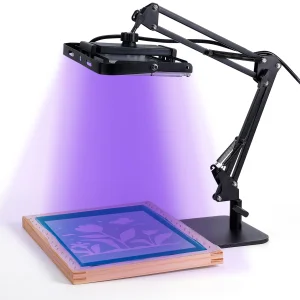
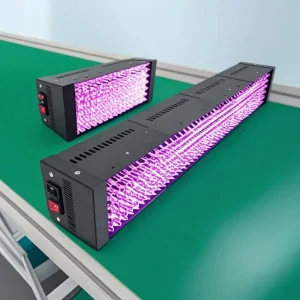
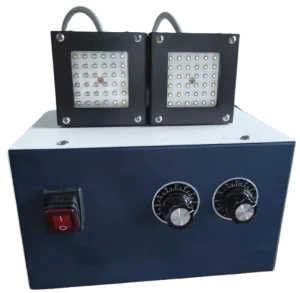
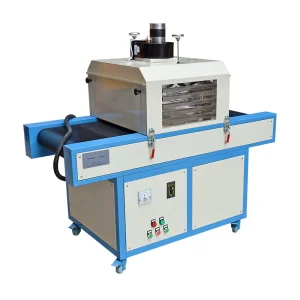
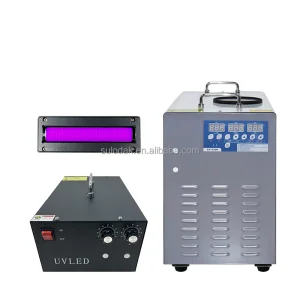
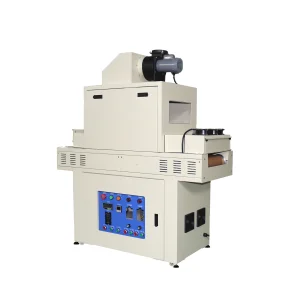
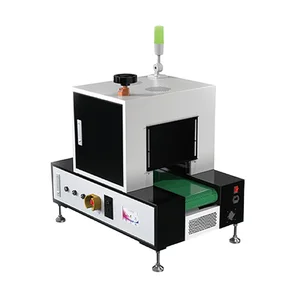
Complete your production setup with our reliable conveyor systems, exposure units, and custom-wavelength configurations.
 LumiCure Light