How to Maintain UV LED Curing Equipment Effectively?

Time:2026-07-06 Author:Oliver
0%

Maintaining UV LED curing equipment is essential for optimal performance and longevity. Many users overlook the routine care this equipment requires. Proper maintenance can prevent costly repairs and extended downtimes.

When considering how to maintain UV LED curing equipment, a thorough understanding of its components is critical. Regular cleaning of the LED surfaces ensures consistent output. However, users often neglect this step. Inspecting the electrical connections also plays a vital role in preventing failure. This aspect demands attention yet often gets ignored.

Awareness of the equipment’s operational limits can enhance its lifespan. Overworking the machine may lead to premature burnout. It's crucial to implement a schedule for checking the system. Documenting these maintenance practices can help identify recurring issues. Reflecting on past experiences with failures can provide insights for better upkeep.
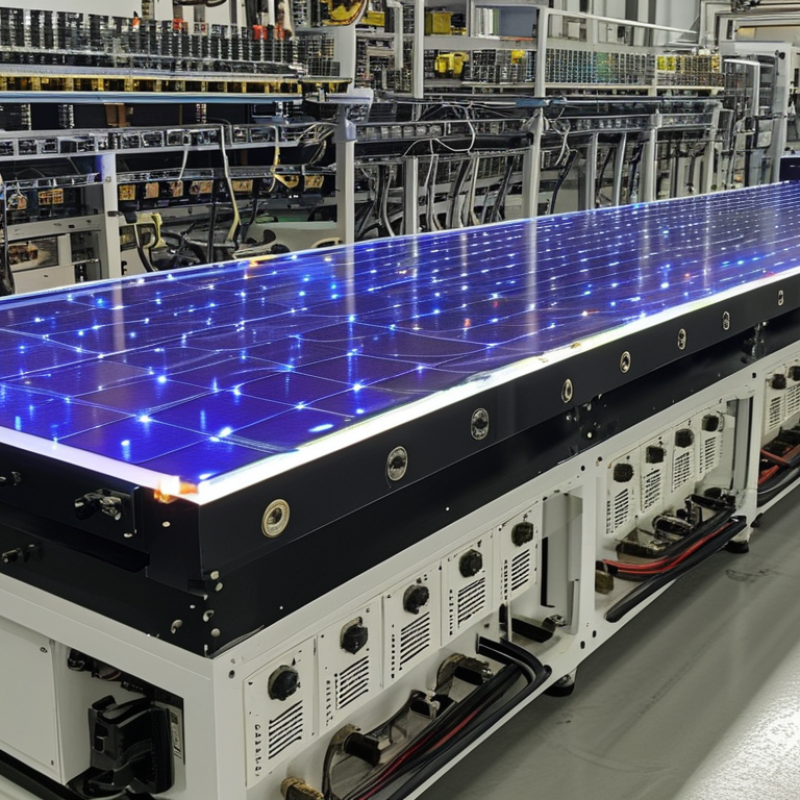
How to Maintain UV LED Curing Equipment Effectively?

Understanding UV LED Curing Equipment: Key Components and Functionality

Understanding UV LED curing equipment involves knowing its key components and functionality. This equipment typically includes a UV LED light source, cooling systems, and control units. The UV LED light source generates the energy needed for curing. It emits ultraviolet light that activates photoinitiators in inks or coatings. This process then leads to rapid curing and hardening of materials, making it essential in various industries.

The cooling system maintains optimal operating temperatures. Overheating can affect performance and durability. Regular checks of the heat management system are necessary. Keeping the equipment clean plays a vital role in its longevity. Dust or residues can impact light output and efficiency.

Tips:

  • Ensure proper ventilation around the equipment to prevent overheating.
  • Schedule routine maintenance checks to catch issues early.
  • Use protective gear during operation to avoid exposure to UV light.
  • Monitor the intensity of the UV LED periodically, as this can decline over time.
  • Being proactive helps maintain equipment and ensures safety.
  • Reflect on any deviations in performance and adjust maintenance habits accordingly.

Routine Maintenance Practices for UV LED Curing Equipment

Routine maintenance is crucial for the longevity of UV LED curing equipment. Regularly scheduled checks can prevent costly breakdowns. According to recent industry reports, effective maintenance can reduce equipment downtime by up to 30%. Keeping a maintenance log helps track issues and solutions over time. A well-documented history not only enhances reliability but also instills confidence in the equipment's performance.

Inspecting the UV LEDs should be part of your routine. These components can lose efficacy over time due to overheating or dust accumulation. Cleaning the lenses regularly can improve light output. A surprisingly high percentage of users neglect this simple step. Failing to check the LED intensity may lead to under-curing, impacting product quality significantly. Regular calibration is also essential for optimal performance.

Maintenance practices should include checking electrical connections. Loose wires can lead to inefficiencies or even equipment failure. It may sound trivial, but it is often overlooked. A thorough inspection every three months, ideally performed by skilled technicians, can mitigate risks. Access to regular training and updates on best practices is vital. The industry evolves quickly, and staying informed enhances equipment reliability.

Troubleshooting Common Issues with UV LED Curing Systems

UV LED curing systems can face several common issues that may disrupt their performance. One frequent problem is inadequate curing. This can occur when the light intensity is insufficient, or the exposure time is too short. To remedy this, check the bulb’s output and ensure it is functioning correctly. Always verify the manufacturer's specifications and adjust accordingly.

Another common issue is overheating. Overheating can lead to equipment failure and potentially damage cured substrates. Regularly inspect cooling mechanisms to prevent issues. Monitor temperature levels and allow breaks during prolonged use. Sometimes, it’s necessary to reconsider the curing setup—perhaps adjusting distance or speed could be beneficial.

Users may also encounter adhesion problems with certain materials. This can result from improper substrate preparation or insufficient UV light exposure. Ensure surfaces are clean and compatible with UV curing. Conduct regular tests on different materials to identify the best curing conditions. This trial-and-error process can uncover inefficiencies that need attention. Remember, ongoing learning is crucial for mastering UV LED technologies.

UV LED Curing Equipment Maintenance Overview

Best Practices for Cleaning UV LED Curing Equipment

Maintaining UV LED curing equipment is essential for optimal performance. Regular cleaning is a crucial part of this process. Dust and residue can accumulate and affect the curing efficiency. A clean machine ensures better output and longevity.

Tips for cleaning involve using a soft, lint-free cloth. Avoid harsh chemicals that may damage sensitive components. Instead, use isopropyl alcohol for light cleaning. Clean the optical components gently to maintain their clarity. Be sure to power off the equipment before cleaning to avoid accidents.

Regular maintenance is often overlooked but vital. Schedule cleaning sessions based on usage frequency. Components like reflectors often need extra attention. Failure to clean them may result in uneven curing. A proactive cleaning routine increases performance stability and reduces downtime.

How to Maintain UV LED Curing Equipment Effectively? - Best Practices for Cleaning UV LED Curing Equipment

Best Practices Description Frequency
Regular Cleaning Use a soft cloth and suitable cleaning agent to remove dust and residues from the equipment. Daily
Check UV LED Condition Inspect the LEDs for any signs of damage or wear to ensure optimal performance. Weekly
Cooling System Maintenance Ensure the cooling systems are functioning properly to prevent overheating. Monthly
Calibration Checks Regularly calibrate the system to maintain accuracy in curing times and intensity. Quarterly
Software Updates Keep the software controlling the UV LED curing equipment up to date for optimal performance. As Needed

Proper Storage and Handling of UV LED Curing Equipment

Proper storage and handling of UV LED curing equipment is essential for longevity and optimal performance. Experts often cite that improper storage can lead to decreased efficiency and increased maintenance costs. According to industry reports, about 30% of equipment failures result from inadequate handling or storage practices.

To ensure effective preservation, always keep equipment in a controlled environment. Avoid exposure to direct sunlight, moisture, and extreme temperatures. These factors can degrade the sensitive components of UV LED systems. Studies show that equipment stored in stable conditions can last up to 50% longer than those exposed to harsh environments.

Regular inspections are also pivotal. Users often overlook small issues that can escalate over time. Inspect wiring and connectors for signs of wear. Make adjustments before they become major problems. While many may find it tedious, documenting these checks improves accountability and can enhance the overall efficiency of the UV LED curing process.

FAQS

: What should I do if the UV LED curing is inadequate?

: Check the light intensity and exposure time. Verify the bulb's output and adjust according to specifications.

How can overheating be prevented in UV curing systems?

Regularly inspect cooling mechanisms. Monitor temperature levels and allow breaks during prolonged use.

What causes adhesion problems with UV-cured materials?

Improper substrate preparation or insufficient UV light exposure can lead to adhesion issues. Ensure surfaces are clean and compatible.

How often should UV LED curing equipment be cleaned?

Cleaning should be regular, based on usage frequency. Dust and residue buildup can hinder performance.

What is the best way to clean optical components?

Use a soft, lint-free cloth. Isopropyl alcohol is suitable for light cleaning. Power off equipment first.

Why is regular maintenance important for curing systems?

Regular maintenance ensures optimal performance and prevents downtime. Focus on cleaning reflectors to avoid uneven curing.

How can I ensure my UV LED system performs effectively?

Regular testing on different materials helps identify the best curing conditions. Learning and adjustments are essential.

Can cooling mechanisms fail, and how do I notice?

Yes, cooling failures can cause overheating. Monitor temperature levels to identify potential issues early.

Is it okay to use harsh chemicals for cleaning?

No, harsh chemicals can damage sensitive components. Stick to recommended cleaning agents.

What if my setup needs adjustment?

Reconsider your curing distance or speed. Small adjustments can make a big difference in performance.

Conclusion

Proper maintenance of UV LED curing equipment is crucial for ensuring optimal performance and longevity. To understand how to maintain UV LED curing equipment, one must first familiarize themselves with its key components and functionality. Regular maintenance practices, including checking for system alignment and replacing worn-out parts, play a significant role in preventing operational issues. Additionally, troubleshooting common problems, such as inconsistent curing or power failures, is essential for maintaining efficiency.

Keeping the UV LED curing equipment clean is another critical aspect, as buildup can affect its performance. Implementing best practices for cleaning, such as using appropriate solvents and tools, will help maintain the equipment's effectiveness. Finally, proper storage and handling procedures must be followed to protect the equipment from damage when not in use. By adhering to these guidelines, users can enhance the performance and lifespan of their UV LED curing equipment.

Oliver

Oliver

Oliver is a seasoned marketing professional with a wealth of expertise in driving brand awareness and engagement. With a deep understanding of our company's product offerings, he consistently delivers high-quality content that enriches our professional blog. His insights not only shed light on......