How to Improve UV Curing Efficiency for Better Production Results?

Time:2026-06-30 Author:Aria
0%

In the fast-paced world of manufacturing, enhancing UV curing efficiency is essential. Data from the "UV Curing Market Report 2023" indicates that 70% of manufacturers are seeking methods to optimize this process. One industry expert, Dr. Emily Hargrove, emphasizes, "To improve UV curing efficiency, we need to harness advanced technologies and fine-tune our processes."

In many production settings, inefficient curing can lead to wasted resources and time. Failing to address these inefficiencies can hinder overall productivity. Companies must address factors such as lamp output, material properties, and conveyor speeds. Each aspect plays a crucial role in achieving consistent and high-quality results.

Observing the latest trends reveals that new UV curing systems are already achieving up to 30% greater efficiency than previous models. Yet, many businesses still struggle to adapt. A pivotal question remains: How to improve UV curing efficiency while remaining competitive? Continuous assessment and adaptation of methods will be vital in this ever-evolving industry landscape.
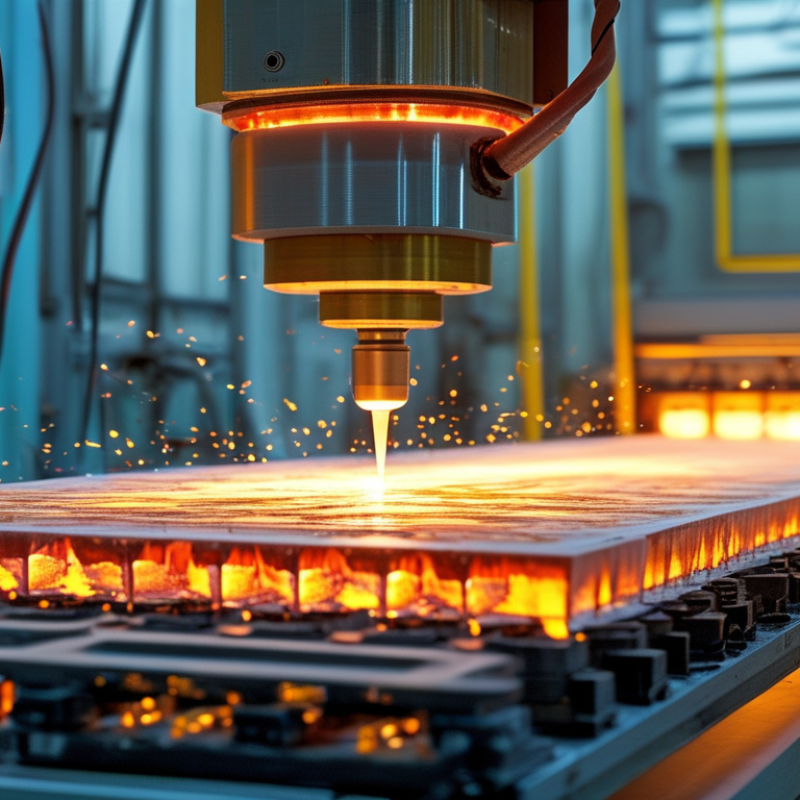
How to Improve UV Curing Efficiency for Better Production Results?

Understanding the Basics of UV Curing Technology

Ultraviolet (UV) curing technology has greatly influenced the manufacturing sector. This process involves using ultraviolet light to instantly cure or harden materials. It is commonly employed in coatings, inks, and adhesives. Understanding this technology is key to enhancing production efficiency.

The essence of UV curing lies in its photochemical process. When UV light hits a specially formulated material, it initiates a reaction that converts liquid substances into solid forms. This rapid transition significantly reduces drying time. However, it's crucial to monitor UV intensity and exposure time for optimal results. Failure to do so can lead to incomplete curing, resulting in product imperfections.

Another critical aspect is the choice of materials. Not all inks or coatings respond equally to UV light. Variability can affect the consistency of production outcomes. Regular testing and adaptation of material formulations can address these challenges. Attention to these details, alongside proper equipment maintenance, is vital. Ensuring your UV curing setup is in peak condition can dramatically affect overall efficiency and product quality.

Identifying Key Factors Affecting UV Curing Efficiency

UV curing efficiency is crucial for optimizing production processes in various industries. Factors like UV light intensity, energy output, and substrate type play significant roles. A report by the Advanced Materials Manufacturing (AMM) states that increasing UV light intensity by 20% can boost curing speed by up to 30%. However, inconsistency in intensity may lead to uneven curing results.

Substrate characteristics also influence curing efficiency. Different materials react variably to UV light. For instance, opaque substrates typically have lower curing rates compared to transparent ones. The operational environment can also affect performance. Studies show that temperature variations can alter the viscosity of UV inks, impacting adhesion. High viscosity may hinder the curing process, leading to defects like incomplete curing or poor adhesion.

Moreover, reflecting on these factors is essential for ongoing improvement. Many manufacturers overlook the importance of regular maintenance of UV lamps. Dirty or worn-out lamps can cause uneven curing and decrease productivity. Additionally, investing in automated monitoring systems could enhance efficiency. These systems can ensure optimal conditions and facilitate timely adjustments during production, ultimately improving quality and output.

How to Improve UV Curing Efficiency for Better Production Results

This chart illustrates the various factors affecting UV curing efficiency, with each factor representing a critical aspect of the curing process. The data highlights how lamp power, curing time, distance to surface, material thickness, and temperature each contribute to overall efficiency improvements.

Best Practices for Optimizing UV Light Exposure

Optimizing UV light exposure is crucial for improving UV curing efficiency. One effective method is adjusting the intensity of the UV light. Too much intensity can lead to overheating or degradation of materials. Too little can result in incomplete curing. Testing different intensity levels can help you find the sweet spot for your specific application.

Timing is another important factor. Curing time must be adequate to allow for thorough polymerization. However, excessive exposure can compromise the quality of the cured product. Implementing a stopwatch or timer can systematically evaluate the ideal curing duration. This often requires iterations to refine processes effectively.

Moreover, the use of reflectors and lenses can enhance UV light distribution. This setup directs more light towards the surface, ensuring uniform curing. However, assess the setup periodically, as dust and residue can accumulate and affect performance. Regular cleaning ensures the optimal functioning of the equipment. Continuous improvement through monitoring and adjustments is vital to achieve desired production results.

Selecting the Right Materials for UV Curing Applications

When it comes to UV curing, selecting the right materials is crucial. The type of photoinitiator, resin, and additives plays a significant role in the curing process. Each material responds differently to UV light. For example, a photoinitiator must absorb specific wavelengths to initiate the curing.


Working with a variety of materials can yield varying results. Some resins may cure quickly but lack durability. Others may provide a strong finish but take longer to set. It can be a challenge to find the perfect balance. Testing is essential here. A material that works well in one environment might underperform in another. Each application has its unique characteristics.


Compatibility is another critical factor. Mixing materials without understanding their interactions can lead to problems. Sometimes, unexpected reactions occur. Further research on the chosen materials can prevent failures. It might not always be feasible to predict how each material will behave. This aspect requires continuous learning and adjustment. Experimentation is often necessary to achieve optimal results in UV curing applications.

Monitoring and Maintaining UV Curing Equipment for Peak Performance

Maintaining UV curing equipment is crucial for achieving high production efficiency. Regular monitoring ensures optimal function of UV lamps and reflectors. Research shows that up to 30% of production delays can be traced back to improper equipment maintenance. Therefore, implementing a routine check can prevent significant downtime.

Inspect the UV lamp output frequently. This ensures that your curing process remains effective. A lamp that is fading can lead to poor adhesion and wasted materials. Operators should also monitor the temperature and humidity in the curing area. Extreme variations can affect the curing process.

Tips for better equipment maintenance include cleaning reflectors regularly to maximize UV output. Set reminders for lamp replacement based on usage hours. Also, using diagnostic tools to monitor equipment status can catch issues early. Regular maintenance not only extends the life of your equipment but can also enhance production quality. Reflecting on these aspects can lead to continuous improvement in your manufacturing processes.

FAQS

: What factors influence UV curing efficiency?

: UV light intensity, energy output, and substrate type significantly impact curing efficiency.

How does UV light intensity affect curing speed?

Increasing UV light intensity by 20% can boost curing speed by up to 30%.

Why is substrate type important in UV curing?

Different substrates react variably; opaque ones often cure slower than transparent materials.

How can temperature affect UV curing?

Temperature changes can alter the viscosity of UV inks, impacting adhesion and curing effectiveness.

What role does maintenance of UV lamps play?

Regular maintenance of UV lamps is crucial; dirty lamps can cause uneven curing and reduce productivity.

Why is optimal timing important during UV curing?

Adequate curing time is vital; too little can lead to incomplete curing, while too much can compromise quality.

Can reflectors improve UV light distribution?

Yes, using reflectors directs more light and ensures uniform curing, but they require regular cleaning.

What should be considered when selecting materials for UV curing?

The type of photoinitiator, resin, and additives are essential for achieving efficient curing.

Why is testing different materials crucial?

Some materials may perform well in one environment but poorly in another; testing helps find the best fit.

How important is compatibility in material selection?

Understanding material interactions is critical; unexpected reactions can cause failures, thus requiring research.

Conclusion

In the quest to understand how to improve UV curing efficiency, it is essential to grasp the fundamentals of UV curing technology and the critical factors influencing its effectiveness. Key elements such as the intensity and wavelength of UV light, exposure time, and the characteristics of the materials being cured play a significant role in optimizing the curing process.

Best practices for enhancing UV light exposure include ensuring proper equipment calibration and shielding from ambient light. Additionally, selecting the right materials—those that are compatible with UV curing processes—can greatly impact productivity and final results. Regular monitoring and maintenance of UV curing equipment are also crucial, enabling peak performance and minimizing downtime, ultimately leading to improved production outcomes.

Aria

Aria

Aria is a dedicated marketing professional with a deep passion for innovative strategies and a keen understanding of our company's product offerings. With a wealth of experience in the industry, Aria excels at crafting engaging content that highlights the unique features and benefits of our......