In recent years, the question "what is UV LED curing technology?" has surfaced frequently in industrial discussions. According to Dr. Emily Grant, a leading expert in UV technology, "UV LED curing offers unmatched speed and durability for various applications." This assertion highlights the significant shift towards energy-efficient solutions in manufacturing and printing.
UV LED curing technology utilizes ultraviolet light to quickly dry or cure inks, coatings, and adhesives. Unlike traditional methods, it provides instant results, which improves production efficiency. Industries such as automotive, electronics, and packaging have adopted this technology extensively. The process reduces volatile organic compounds (VOCs), creating a safer work environment.
However, understanding the limitations is crucial. The initial investment can be high. Not all materials are compatible with UV curing, which poses challenges. Companies must evaluate their needs before transitioning. As we explore further, the diverse applications and benefits of this technology become clear.
What is UV LED Curing Technology and How It Works
UV LED curing technology uses ultraviolet light to cure or dry materials rapidly. Unlike traditional curing methods, it offers energy-efficient solutions in various industries. It works by emitting light that activates photoinitiators in the resin, generating a curing reaction. The process occurs at lower temperatures, making it favorable for heat-sensitive substrates.
Research shows that the global UV LED curing market was valued at approximately $3.5 billion in 2022. It is expected to grow significantly due to rising demand for eco-friendly solutions. Industries like packaging, automotive, and electronics increasingly adopt this technology for its efficiency and sustainability benefits.
Tips: Ensure proper safety gear when handling UV light. This can prevent skin and eye damage. Always consult reliable sources before adopting new technology, as every application may present unique challenges. Balancing innovation with safety is crucial as the industry continues to evolve.
Key Benefits of UV LED Curing Technology for Various Industries
UV LED curing technology has revolutionized multiple industries by offering unique advantages. According to a report by Smithers Pira, the UV curing market is projected to reach $5.7 billion by 2024. This growth is driven by industries seeking faster production times and better sustainability practices. UV LED curing systems provide instant curing capabilities. This leads to reduced processing times and lower energy consumption compared to traditional curing methods.
Many organizations have found UV LED curing beneficial for applications in printing, coatings, and adhesives. In the printing industry, for example, UV LED inks cure quickly, allowing for higher throughput. A study indicated that UV LED technology saves up to 85% energy compared to conventional UV lamps. This significant reduction translates to lower operational costs over time. However, the technology requires a higher initial investment, posing challenges for smaller businesses.
The benefits of UV LED curing extend beyond just efficiency. The technology is known for producing minimal VOC emissions, which contribute to better indoor air quality. Industries are also finding that products cured with UV LEDs exhibit enhanced durability and resistance to chemicals. Despite these advantages, challenges remain. Some applications may still require extensive testing to ensure that the output meets quality standards. Adjustments in formulations may be necessary to fully optimize the curing process.
Comparison of UV LED vs. Traditional Curing Methods
UV LED curing technology has emerged as a notable alternative to traditional curing methods. The primary difference lies in the light source. Traditional curing often relies on mercury lamps, which produce heat and harmful UV emissions. In contrast, UV LED systems emit targeted wavelengths, reducing energy consumption and enhancing safety.
The curing process with UV LEDs is faster. Items exposed to UV LEDs dry almost instantly. This rapid curing increases production efficiency. However, not all materials may cure effectively under UV LED technology, which is a significant consideration. Some inks or coatings designed for traditional methods may need reformulating.
Another aspect to consider is the longevity of the light source. UV LEDs can last significantly longer than traditional lamps. This leads to less frequent replacements and lower operational costs. However, initial setup costs for UV LED systems can be higher. Businesses need to weigh the benefits against these expenses.
Applications of UV LED Curing in Printing and Coating Sectors
UV LED curing technology has transformed printing and coating applications significantly. This process uses ultraviolet light to cure inks, coatings, and adhesives almost instantly. The result is enhanced efficiency. Let's explore how this technology is shaping the printing and coating sectors.
In the printing industry, UV LED curing allows for faster production speeds. Traditional drying methods demand longer curing times. In contrast, UV LED light instantly bonds materials, accelerating workflows. It supports high-quality prints on various surfaces, even those challenging to print on. This versatility expands creative possibilities for designers.
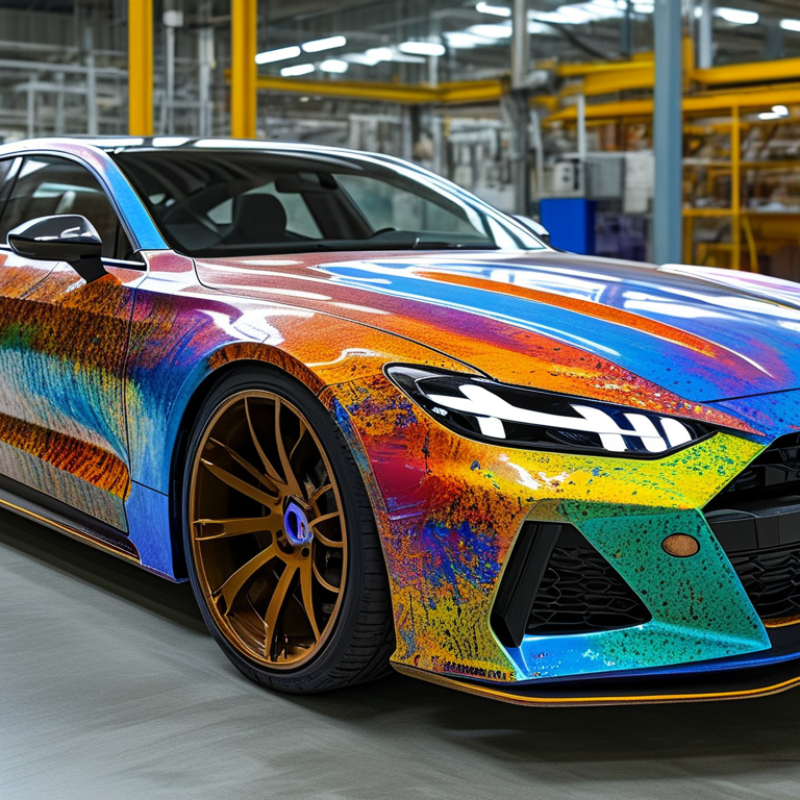
In coatings, UV LED technology improves durability. Coatings cured by UV light develop resilience against scratches and chemicals. This feature is vital for automotive and industrial applications, where surface protection is critical. However, not all materials respond equally to UV light. It's essential to conduct thorough tests before implementation. By understanding these limitations, businesses can maximize the potential of UV LED technology while avoiding costly mistakes.
What is UV LED Curing Technology Benefits and Applications?
| Application Sector |
Benefit |
Description |
| Printing |
Fast Curing |
UV LED curing dries inks rapidly, allowing for faster production speeds. |
| Coating |
Improved Adhesion |
Creates a strong bond between the substrate and the coating material. |
| Labeling |
Reduced Energy Consumption |
Uses less energy compared to conventional curing methods. |
| 3D Printing |
Enhanced Precision |
Allows for intricate designs with high detail and accuracy. |
| Furniture Finishing |
Lower VOC Emissions |
Utilizes UV technology to reduce volatile organic compound emissions. |
Market Trends and Future Projections for UV LED Curing Technology
UV LED curing technology has been rapidly gaining traction in various industries. According to recent industry reports, the market for UV LED curing is projected to reach $3.82 billion by 2027, growing at a CAGR of 17.4%. This growth is driven by the increasing demand for energy-efficient and sustainable solutions. UV LED curing offers faster curing times and lower operational costs compared to traditional curing methods.
Applications of UV LED curing span multiple sectors, including printing, coatings, and adhesives. In the printing industry, UV LEDs enable faster production speeds and improved durability of printed materials. Furthermore, the technology is increasingly utilized in the automotive sector for coatings and finishes. However, challenges remain, such as the initial investment costs and the need for specialized equipment.
Market trends indicate a shift towards eco-friendly solutions. UV LED systems produce minimal heat and low emissions, aligning with the growing emphasis on sustainability. As businesses aim to reduce their environmental impact, UV LED curing presents a promising alternative. The industry is witnessing a push for innovation, yet there is a need for ongoing research to fully understand the long-term effects of UV radiation.
Conclusion
UV LED curing technology is an innovative method that utilizes ultraviolet light-emitting diodes to cure materials rapidly and efficiently. By emitting UV light, this technology triggers photochemical reactions, allowing inks, coatings, and adhesives to harden almost instantly. One of the key benefits of UV LED curing technology is its energy efficiency, as it consumes less power compared to traditional curing methods while also producing less heat, reducing the risk of damaging heat-sensitive substrates.
In various industries, including printing and coatings, UV LED curing is gaining traction due to its quick processing times and enhanced environmental benefits. Unlike traditional curing methods, which may involve harmful solvents or longer drying times, UV LED solutions offer a more sustainable alternative. As market trends indicate an increasing shift towards eco-friendly practices, the future of UV LED curing technology looks promising, with potential applications expanding rapidly across multiple sectors.

 LumiCure Light