In the fast-paced world of manufacturing, efficiency is key. "How does UV LED curing work?" is a question often raised by industry leaders. Dr. Jane Smith, a renowned expert in UV technology, shares her insights: “UV LED curing not only speeds up production but also enhances product durability.” This technology utilizes ultraviolet light to rapidly cure inks, coatings, and adhesives, transforming liquid materials into solid form almost instantaneously.
Understanding how UV LED curing works is pivotal for manufacturers looking to improve their processes. The technology operates by emitting UV light, which initiates a photochemical reaction in the material. This reaction causes the molecules to bond more tightly, resulting in a finished product that is stronger and more resilient. Many factories have shifted to this method, observing significant reductions in drying times and energy consumption.
However, the adoption of UV LED curing isn't without challenges. Some materials may not react optimally under UV light. Moreover, investment costs can be a hurdle for smaller businesses. Thus, while UV LED curing offers remarkable benefits, companies must carefully assess whether it's the right fit for their production lines.
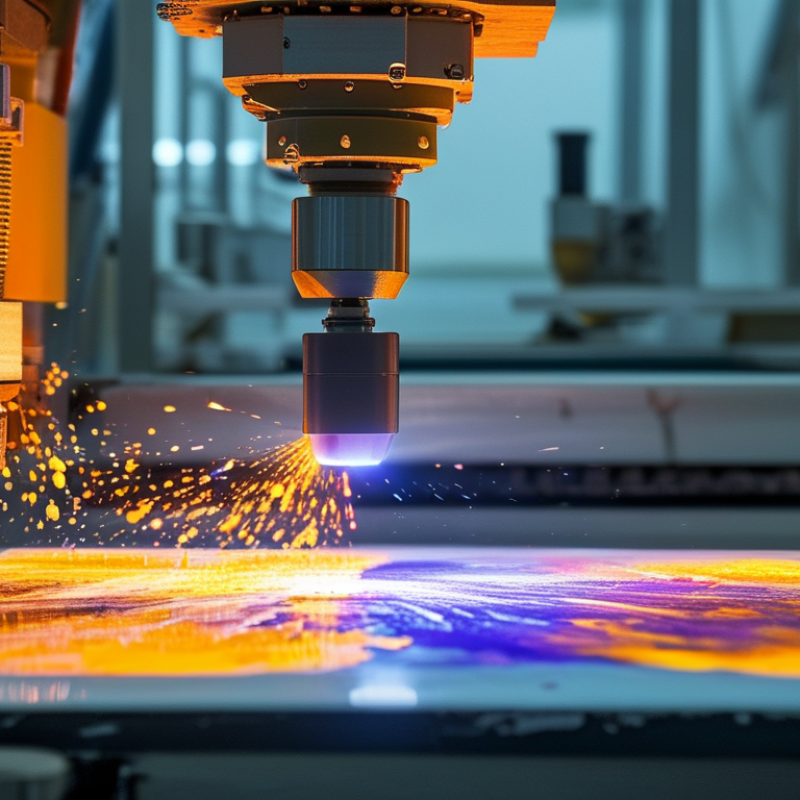
UV LED curing technology is revolutionizing production processes in various industries. By using UV LEDs, manufacturers can achieve rapid curing of inks, coatings, and adhesives. This method utilizes ultraviolet light to initiate photochemical reactions. The result is a quick hardening process that significantly enhances efficiency.
The advantages of UV LED curing are notable. This technology consumes less energy compared to traditional UV curing methods. It's also more environmentally friendly as it produces less heat and eliminates harmful emissions. However, it is essential to note that not all materials respond well to UV LED curing. Manufacturers must test their products to ensure compatibility, which can be a time-consuming process.
Moreover, the initial investment in UV LED technology can be daunting for some businesses. The costs for equipment and training may seem high. Yet, the long-term benefits, such as reduced waste and faster production times, often outweigh these challenges. Companies should carefully weigh their options and consider how this technology fits into their overall production strategy. Adopting UV LED curing may require adjustments and experimentation, which is part of any technological shift.
UV light is a significant factor in the curing process. When applied to specific materials, it generates a chemical reaction. This reaction causes photoinitiators in the resin to absorb the UV energy. As a result, the resin converts from a liquid to a solid state. The efficiency of this process can enhance production rates in various industries.
Understanding how UV light interacts with materials is crucial. Different materials respond uniquely to UV wavelengths. For example, some inks and coatings cure effectively under UV light, while others may not. It's important to select the right resin for optimal results. Using materials with compatible photoinitiators can lead to faster curing times and improved final products.
Tips: Ensure proper UV light exposure. Underexposure can lead to incomplete curing. Evaluate the material's UV sensitivity before the curing process. Regularly test and monitor the curing results for consistent quality. Adjust your process based on findings. Reflect on the outcomes; this can lead to valuable improvements.
This chart illustrates the curing times of various types of UV LED technologies, showcasing their efficiency in production processes. A shorter curing time indicates a more effective production capability.
UV LED curing presents numerous advantages over traditional curing methods. This technology uses ultraviolet light emitted by LEDs to initiate a photochemical reaction in curing resins. Such innovation allows for faster production cycles. UV LED curing achieves the desired results without the heat associated with traditional curing lamps. This is crucial for heat-sensitive substrates.
One significant benefit of UV LED curing is energy efficiency. It consumes less power compared to conventional UV lamps. Additionally, the LEDs have a longer lifespan. This reduces maintenance costs and downtime. Industries like printing and coatings benefit greatly from this method. It allows for vibrant colors and sharp details. However, switching to this technology requires proper training. Understanding the nuances of UV LED curing is essential for optimal results.
Moreover, UV LED curing is more environmentally friendly. It generates fewer volatile organic compounds, which are harmful to health. This aligns with rising sustainability trends. Yet, challenges exist. The initial investment can be substantial. Adopting this technology necessitates careful planning and consideration. Evaluating the long-term benefits against upfront costs is vital for companies.
| Feature | UV LED Curing | Traditional UV Curing |
|---|---|---|
| Curing Speed | Very Fast (seconds) | Relatively Slower (minutes) |
| Energy Consumption | Low | Higher |
| Heat Generation | Minimal | Significant |
| Lamp Lifespan | Up to 20,000 hours | 1,000-2,000 hours |
| Environmental Impact | Low (No mercury) | Higher (Contains mercury) |
| Maintenance | Low | Higher |
| Initial Cost | Higher | Lower |
UV LED curing technology is transforming manufacturing across various industries. Its applications range from printing to electronics, offering significant efficiency improvements. For instance, a report by Research and Markets indicates that the UV LED market is expected to reach $5.12 billion by 2026. This growth reflects the technology's applicability and effectiveness in reducing production times.
In the printing industry, UV LED curing creates high-quality finishes while speeding up the output. Items are ready for shipment almost immediately. In electronics, it aids in bonding and coating processes, enhancing durability and reliability. A study from the European Coatings Journal highlights a 30% reduction in curing times compared to traditional methods. These benefits, however, come with challenges. Not all materials are compatible with UV LED curing, which can limit its use in certain applications.
Additionally, while UV LED technology is energy-efficient, its initial setup costs can be high for manufacturers. They must weigh these costs against long-term gains. Some firms report a longer learning curve in adapting to this technology. This reflection underscores the importance of proper training and investment before transitioning fully to UV LED curing.
Implementing UV LED curing in production lines requires careful planning and attention to detail. The process begins with assessing the materials involved. Not all materials respond well to UV light. Testing them is crucial. Workers should conduct small-scale trials to identify suitable substrates. Understanding the chemistry behind the curing process is essential.
After choosing the right materials, production lines must be adjusted. UV LED systems should be strategically placed to maximize exposure. Consistency in distance and intensity is key. Operators need to monitor the process closely. Regular inspections will help to catch any inconsistencies early. Operators may find that sometimes the curing is uneven, leading to the need for adjustments.
Training staff is another vital step. Employees should understand how UV LED technology works. They must know how to troubleshoot common issues. A knowledgeable workforce can lead to fewer mistakes and better results. Regular feedback loops among team members can enhance learning. This encourages a culture of continuous improvement, crucial for efficient production.
: UV light initiates chemical reactions in specific materials, transforming resin from liquid to solid.
Different materials react differently to UV light, impacting curing efficiency and product quality.
Select materials with compatible photoinitiators for faster curing and better final products.
Underexposure can result in incomplete curing, affecting product quality and performance.
Regularly test and monitor curing processes to identify and resolve inconsistencies.
Assess materials, conduct small-scale trials, and understand the chemistry involved before scaling up.
Knowledgeable staff can troubleshoot issues, reduce mistakes, and improve overall production efficiency.
Uneven curing may occur, requiring adjustments in UV exposure and material placement.
Encourage regular feedback and promote learning to enhance the UV curing process efficiency.
Ensure strategic placement for maximum exposure and maintain consistent distance and intensity.
UV LED curing is an innovative technology that leverages the principles of ultraviolet light to efficiently harden or cure materials during production processes. Understanding how UV LED curing works involves recognizing the interaction between UV light and various substrates, which triggers photochemical reactions that lead to rapid curing. This method offers significant advantages over traditional curing techniques, including reduced energy consumption, faster processing times, and minimal heat generation, making it ideal for a range of applications across diverse industries.
The implementation of UV LED curing in production lines involves several key steps. Manufacturers must assess their curing requirements, select suitable UV LED equipment, and ensure proper integration into existing workflows. By adopting UV LED curing, businesses can enhance production efficiency and improve product quality while reducing environmental impact. Overall, the evolution of UV LED technology is paving the way for more sustainable practices in manufacturing.

LumiCure Light