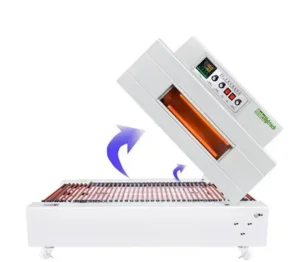
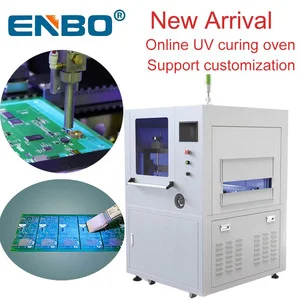
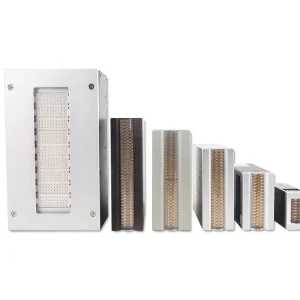
Browse our leading range of UV LED curing configurations engineered for custom automation processes, precision lab tests, and large-scale industrial assembly lines.
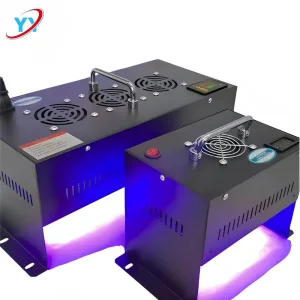
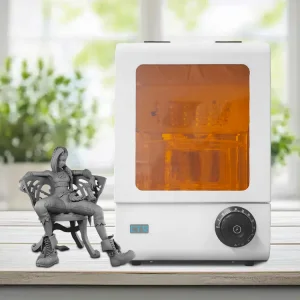
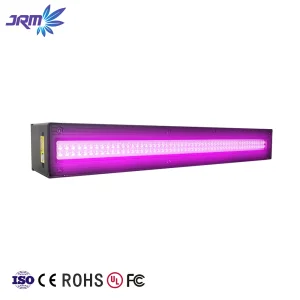
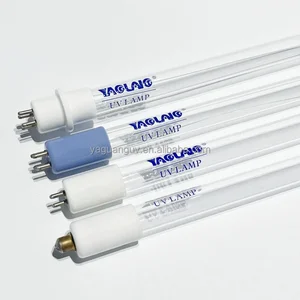
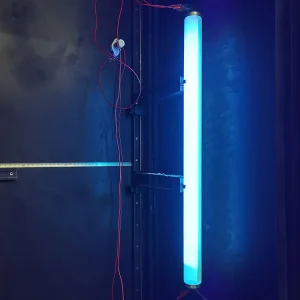
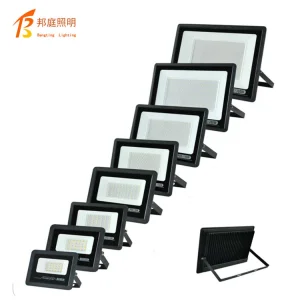
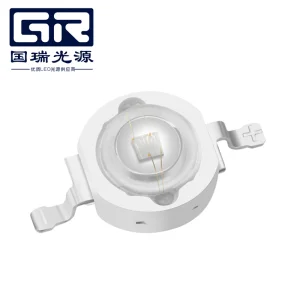
In modern manufacturing, traditional mercury arc lamps are rapidly being phased out. Production lines globally are shifting toward solid-state UV LED automated curing solutions. This technological transition is driven by a focus on green, energy-efficient manufacturing alongside the strict requirements of microelectronics, high-density PCBs, medical devices, and thin-film optical bonding.
Unlike legacy gas-discharge lamps that emit broad-spectrum infrared heat and require prolonged warm-up periods, modern UV LED curing engines emit a narrow, targeted band of light (typically centered around 365nm, 385nm, 395nm, or 405nm). By focusing energy precisely on the absorption spectra of specific photoinitiators, UV LED systems achieve instantaneous cross-linking of monomers and oligomers without subjecting delicate substrates to thermal degradation. This precise control reduces heat damage in manufacturing processes involving thin plastic films, heat-sensitive components, and high-performance adhesives.
Furthermore, the small footprint of UV LED chips allows them to be integrated directly into high-speed, automated production lines. Whether mounted on robotic arms, retrofitted onto multi-color printing presses, or integrated with PLC-driven chain conveyors, solid-state UV curing systems offer consistent irradiance profiles over thousands of operational hours. For manufacturers aiming to meet modern environmental standards and reduce down-time, this technology represents a significant step forward.
Dongguan LumiCure Light Co., Ltd. is a professional China UV LED curing lamp manufacturer specializing in the research, development, production, and supply of industrial UV curing systems and customized UV LED solutions. With a strong focus on innovation, quality, and customer satisfaction, LumiCure has become a trusted partner for manufacturers worldwide seeking efficient and reliable curing technologies.
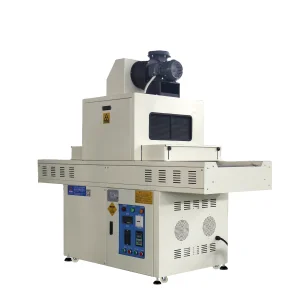
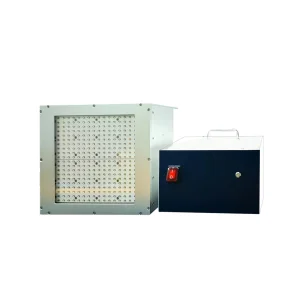
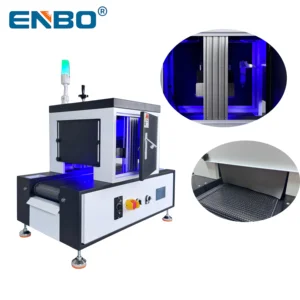
Our extensive industrial portfolio includes high-performance UV LED curing lamps, spot curing light sources, high-intensity flood curing lamps, conveyor-integrated curing machines, modular print engine attachments, structural adhesive curing lines, and specialized OEM/ODM options. These systems are used in printing, electronics packaging, semiconductor assembly, optical bonding, automotive sensors, medical device assembly, 3D printing, and other high-precision processes.
Backed by an experienced engineering team and advanced manufacturing facilities, LumiCure is committed to developing energy-saving and environmentally friendly UV curing technologies. Our products feature high curing efficiency, precise wavelength output, long service life, low maintenance requirements, and intelligent control capabilities, helping customers improve productivity while reducing operating costs.
Quality remains the foundation of our business. Every product undergoes rigorous testing and strict quality control procedures throughout the manufacturing process to ensure consistent performance and reliability. We also provide comprehensive OEM and ODM services, enabling customers to customize products according to their specific technical and application requirements.
Serving clients across Europe, North America, Asia, the Middle East, and other global markets, Dongguan LumiCure Light Co., Ltd. continues to deliver innovative UV LED curing solutions that support sustainable and efficient industrial manufacturing.
Global sourcing heads in automotive assembly, aerospace, consumer electronics, and packaging face strict standards regarding production throughput, safety, and equipment reliability. Procurement is increasingly shifting away from single components toward fully integrated, plug-and-play automated UV LED engines. This transition is shaped by three key requirements:
Engineered outputs at 365nm, 385nm, 395nm, or 405nm are required to match the exact reactive ranges of photopolymer chemical initiators, avoiding raw material waste.
High-powered arrays require reliable liquid-cooling manifolds or heat-pipe fins to keep internal junction temperatures down, protecting the chip's lifespan.
Curing systems must offer standard digital and analog interfaces (Modbus, Profinet, 0-10V) to connect directly with main conveyor systems and line controllers.
In sectors like medical device manufacturing, procurement teams prioritize compliance with biocompatibility and quality standards. Sourcing components from Chinese manufacturers with ISO 9001 certified facilities and CE/RoHS compliance allows buyers to balance production performance with cost efficiency. Local warehouse support, customized optical engineering, and clear technical documentation have become vital elements of successful international supplier partnerships.
Making an informed procurement decision requires comparing the core operational metrics of traditional high-pressure mercury lamps with modern solid-state UV LED curing setups. Below is a detailed technical comparison highlighting the advantages of solid-state systems:
| Performance Parameters | Traditional Mercury Vapor Systems | Next-Gen UV LED Automated Solutions | Procurement & ROI Impact |
|---|---|---|---|
| Spectral Output Stability | Broadband (200nm - 450nm) + high IR heat | Monochromatic (365/385/395/405nm) ±5nm | Prevents substrate warpage, higher precision |
| Service Lifespan | 800 to 1,500 Operating Hours | 20,000 to 30,000+ Operating Hours | Reduces down-time and maintenance costs |
| Thermal Output Profile | High substrate surface temperature (up to 150°C) | Cold light source (minimal IR radiation transfer) | Enables curing on thin films and foils |
| Warm-up / Cycle Time | Requires 5 - 10 minutes warm-up / cool-down | Instantaneous (microsecond response speed) | Improves line speed and energy efficiency |
| Energy Draw Ratio | High consumption; requires active exhaust fans | Up to 80% reduction in electrical input | Lowers operating costs and carbon footprint |
| Environmental Safety | Contains liquid mercury; produces ozone gas | RoHS compliant; zero mercury; zero ozone | Simplifies cleanroom environmental compliance |
Our technological development focus is aimed at increasing peak irradiance ($W/cm^2$) while maintaining uniform exposure across wide curing areas. Through optical simulation and custom micro-reflector designs, LumiCure ensures that our systems deliver consistent light output, minimizing edge degradation and ensuring uniform curing across the entire width of the line.
Automated UV curing is used across multiple industries, each requiring specific configurations to optimize production quality and speed. LumiCure designs solutions tailored to these distinct requirements:
In PCB manufacturing, conformal coatings and underfill materials must cure quickly without exposing delicate silicon components to excessive heat. Our UV LED conveyor lines and targeted spot curing systems deliver high-intensity light exactly where needed. Integrated PLCs allow manufacturers to coordinate curing cycles with automated dispensing equipment, maintaining cleanroom compatibility and high yield rates.
Flexographic, offset, and digital inkjet packaging systems require instant curing to prevent ink smudging at high speeds. LumiCure's air and water-cooled curing arrays are designed to fit directly into commercial print engines. Operating at speeds exceeding 150 meters per minute, these systems ensure thorough polymerization of inks and overprint varnishes, even on thin packaging films.
Assembly processes for catheters, endoscopes, and syringes rely on UV-cured adhesives to form strong, sterile bonds. Precision is critical, as incomplete curing can impact device safety. LumiCure's spot curing and miniature oven systems offer real-time monitoring of output intensity. This allows medical manufacturers to track and record curing parameters for compliance with strict quality standards.
Advanced driver-assistance systems (ADAS), LiDAR sensors, and in-car display panels require precise assembly. LumiCure provides customized optical-bonding curing systems with narrow spectral lines that cure structural adhesives without causing optical distortion. The low heat output prevents warpage of plastic lenses, ensuring long-term reliability of vehicle sensor systems.
Partnering with a Chinese manufacturer like Dongguan LumiCure goes beyond purchasing hardware; it is an ongoing technical collaboration. We support our customers through every step of integration and operation:
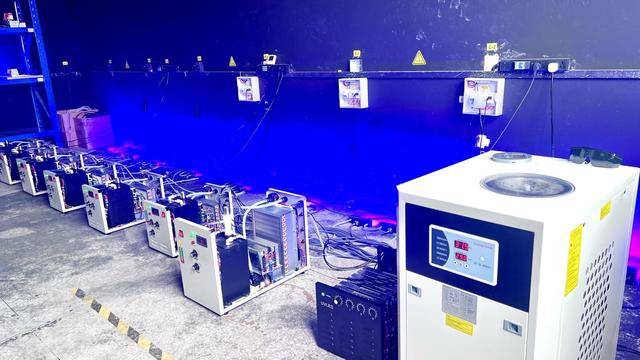
To maintain performance and reliability, we source our LED chips and optical elements from recognized international suppliers. Our manufacturing facilities operate under ISO 9001 quality management systems. Each curing system undergoes extensive stress testing, including thermal cycle chambers and optical output checks, before leaving the factory. This ensures consistent performance from day one.
Our engineering team provides direct integration support, helping customers design custom mounting configurations, configure PLC interfaces, and select the optimal air or water cooling setup. We assist with mechanical mounting designs, electrical connections, and PLC protocol setup. We also offer replacement parts and technical assistance to keep your production lines running smoothly.
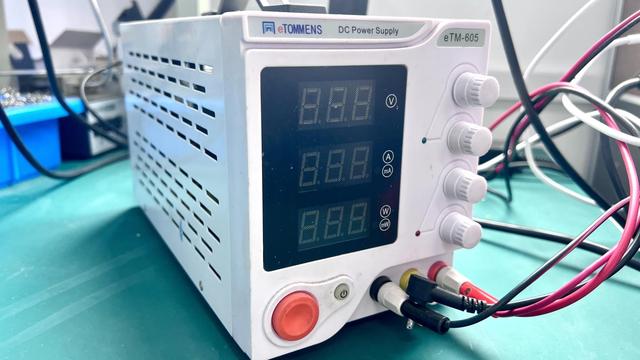
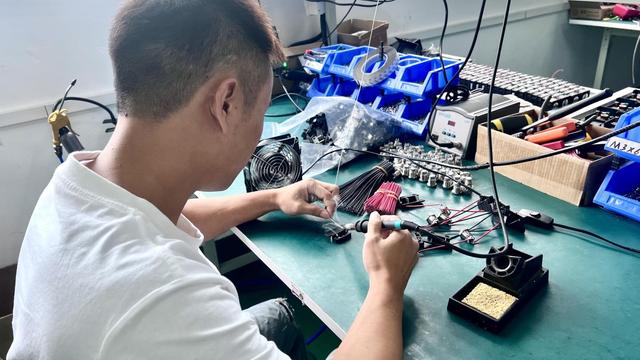
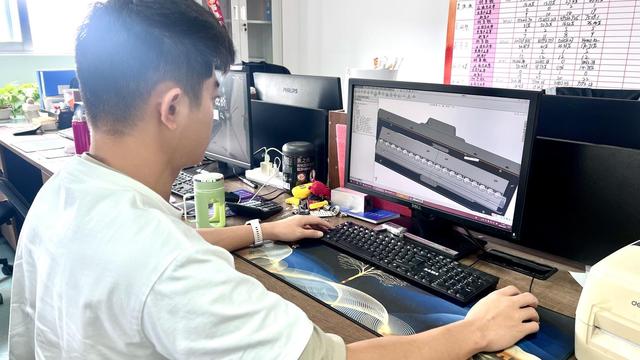
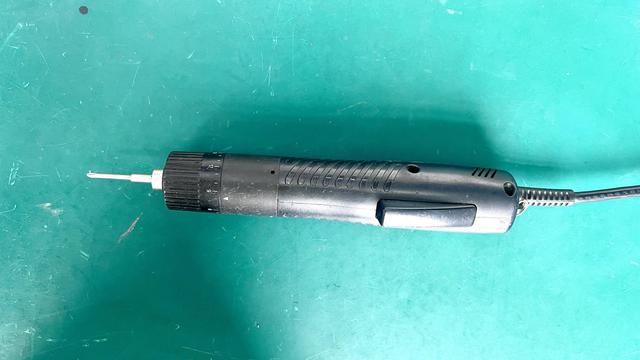
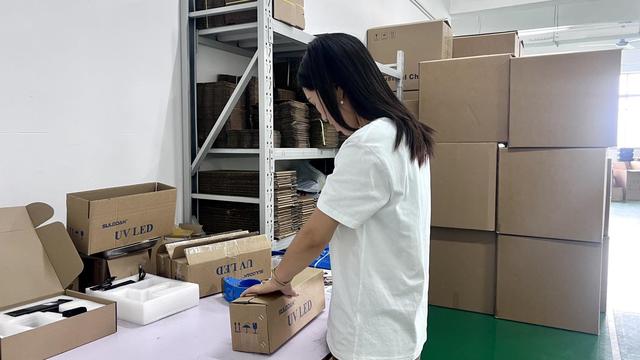
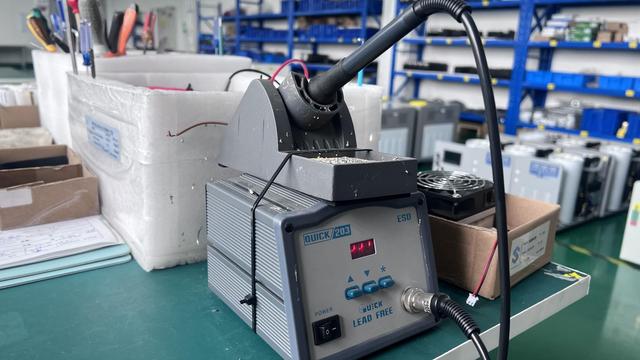
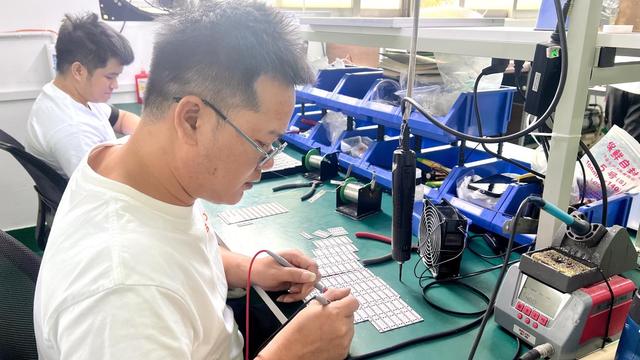
Take a look inside our manufacturing facility. Shown below are our production lines, testing chambers, custom modules, and final assembly areas.
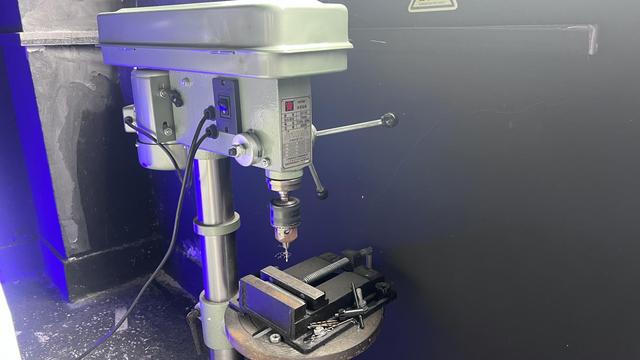
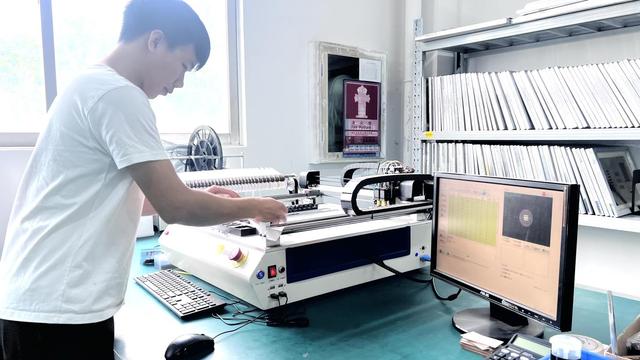
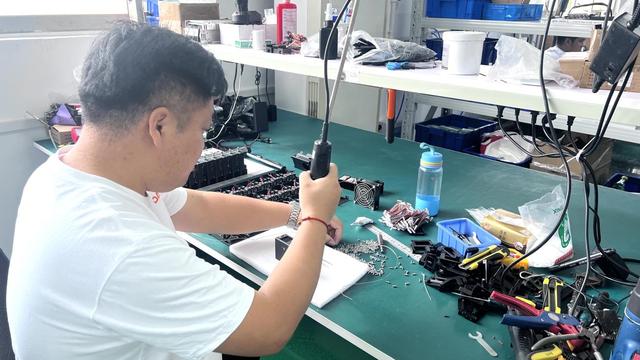
Get answers to common technical, integration, and purchasing questions regarding our automated UV LED curing systems.
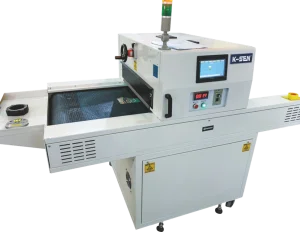
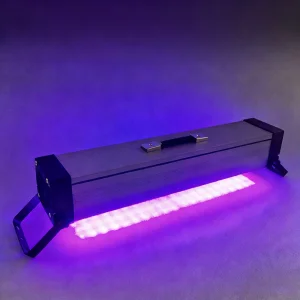
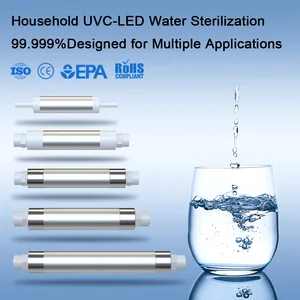
Explore our range of conveyor systems, benchtop ovens, custom modules, and high-flow sterilization solutions designed to fit your workflow.
 LumiCure Light