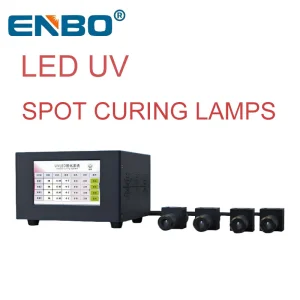
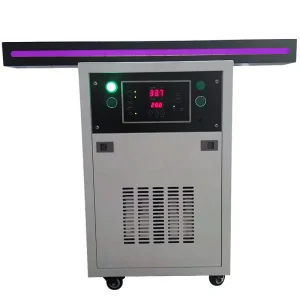
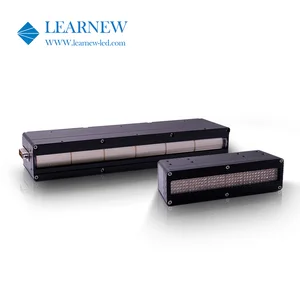
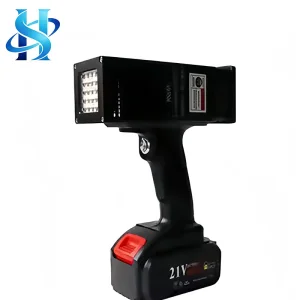
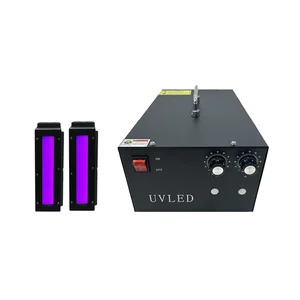
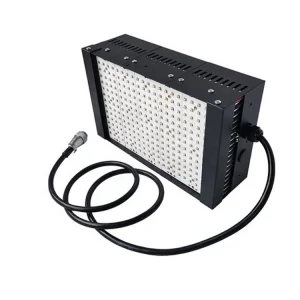
High-intensity curing modules, arrays, and equipment tailored for advanced processing lines.
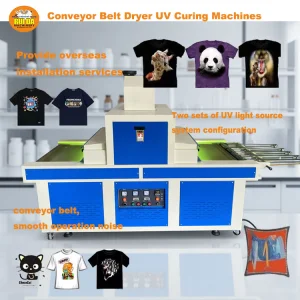
Analysis of the global shifts in modern industrial photopolymerization and UV curing ecosystems.
The industrial manufacturing sector is currently undergoing a structural transformation driven by two massive forces: mandatory decarbonization protocols and the push for nanosecond-level process precision. Traditional medium-pressure mercury vapor lamps, which dominated industrial curing lines for decades, are being phased out rapidly under global initiatives like the Minamata Convention on Mercury. In their place, solid-state UV LED curing systems have emerged as the primary standard for advanced manufacturing lines.
From a macroscopic view, UV LED technology is not simply an eco-friendly substitute; it represents a fundamental leap in control engineering. Standard gas-discharge lamps emit a wide, uncontrolled spectrum of light, generating substantial IR radiation (heat) that deforms thin films, plastics, and sensitive electronics. Conversely, UV LEDs produce a narrow spectral output (typically ±5nm to ±10nm half-width) focused exactly on the target photoinitiator absorption bands, such as 365nm, 385nm, 395nm, or 405nm. This precise spectral tuning dramatically increases the conversion efficiency of electrical energy to optical power, cutting energy use by up to 80% while removing thermal strain on substrates.
In highly automated environments—such as EU-based packaging plants, East Asian semiconductor foundries, and North American automotive tier-1 suppliers—integrating UV LED curing is key to streamlining high-speed processes. For example, high-speed digital label presses running at 200 m/min require instant ink drying, whereas semiconductor wafer processing needs highly uniform collimated UV sources for peeling tape without residue. As lines become faster and tolerances tighter, off-the-shelf systems often fall short. This gap has made specialized OEM/ODM customized development the standard approach for global industrial engineering.
How Dongguan LumiCure Light Co., Ltd. Bridges the Gap from Optical Design to Industrial Implementation.
Using advanced ray-tracing and optical simulation software, we engineer reflectors, custom micro-lenses, and light guides to ensure peak irradiance and uniform light distribution. This allows us to achieve spatial uniformities greater than 90% over irregular three-dimensional surfaces.
High-output UV LEDs generate concentrated heat at the chip junction. We design specialized water-cooled and forced air-cooled cooling systems paired with intelligent constant-current power drivers. These systems protect the emitter array from thermal degradation, maintaining stable light output over a 20,000+ hour operating life.
To address deep curing and surface curing challenges simultaneously, we design multi-wavelength arrays (such as mixing 365nm and 395nm on a single Chip-On-Board substrate). This design cures thick coatings or complex laminations uniformly without requiring separate exposure stages.
Addressing complex engineering challenges in high-throughput production lines.
In semiconductor front-end and back-end processing, UV LED light sources play a critical role in wafer dicing tape curing, UV release tape adhesive reduction, and photolithography step-and-repeat alignments. The key engineering requirement here is extreme spatial uniformity combined with stable, repeatable irradiance. Even a minor 2% drop in light intensity across the wafer can lead to incomplete curing of adhesive films, causing wafer damage during dicing.
LumiCure designs custom modular UV curing systems (365nm) featuring real-time feedback loops and integrated optical intensity monitoring. This guarantees that wafer processing systems run continuously without requiring frequent calibration pauses, direct manual validation, or halting production lines.
Modern automotive cabins feature integrated curved touch displays, head-up display units, and advanced driver assistance sensor assemblies. Achieving high durability under fluctuating environmental conditions requires optical bonding materials (LOCA - Liquid Optically Clear Adhesives) cured with zero shrinkage. In optical bonding, curing must prevent hot-spot formation that causes display warping or optical distortion.
LumiCure solves this through specialized linear and area UV LED flood sources that deliver uniform illumination across wide surface areas, ensuring controlled heat dissipation and consistent crosslinking density.
| Industrial Application | Critical Wavelength | Required Optical Irradiance | Primary Customization Vector |
|---|---|---|---|
| Semiconductor Processing | 365 nm | > 500 mW/cm² (highly collimated) | Collimator lens and spatial uniformity validation |
| High-Speed Flexo Printing | 385 nm / 395 nm | > 12 W/cm² (focused profile) | Liquid cooling and PLC integration |
| Medical Device Assembly | 365 nm / 405 nm | > 2 W/cm² (spot delivery) | Foot-switch control and ISO-10993 calibration |
| Lamination & Coatings | 395 nm | > 8 W/cm² (wide area) | Compact, space-saving layout designs |
For industrial printing systems, throughput speed is the defining metric. When printing labels or packaging at speeds exceeding 150 meters per minute, inks must dry instantly to prevent smudging or offset errors. Traditional curing methods frequently overheat thin plastic webs and synthetic substrates, causing them to warp or stretch.
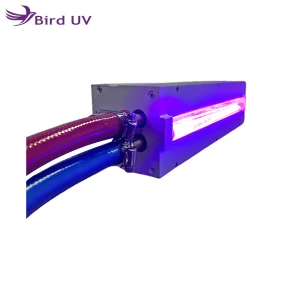
LumiCure's high-output air-cooled and water-cooled UV curing lamps deliver up to 16 W/cm² of target optical energy directly to the ink layer. Because the LED array does not emit infrared radiation, substrates remain cool, enabling printers to run at maximum speeds without risk of material distortion.
Simplifying safety, emissions, and machinery integration compliance for global markets.
Building high-performance curing hardware is only half the battle. Industrial machinery deployed in Europe, North America, and parts of Asia must meet strict safety and operational standards. As a premier exporter, Dongguan LumiCure Light Co., Ltd. ensures that all custom assemblies comply with international safety frameworks:
Additionally, LumiCure supports global clients by providing step-by-step engineering documentation, 3D CAD modeling step-files for mechanical integration, and specialized technical support for commissioning. Whether you are integrating a curing tunnel into a factory in Germany, a medical assembly line in the United States, or an electronics plant in Japan, our technical team provides rapid remote diagnostic assistance and custom design modifications to keep your lines running smoothly.
Where solid-state photopolymerization technology is heading over the next decade.
Moving past single-wavelength limits. By combining 365nm (for deep penetration) and 395nm (for surface cure validation) on a single COB substrate, we can cure complex, thick polymers and opaque pigments in a single step.
Integrating optical feedback sensors inside the LED modules to monitor and compensate for natural output degradation. Real-time feedback loops adjust power delivery automatically to maintain precise target irradiance, ensuring consistent quality over years of use.
Shifting toward micro-LED micro-arrays to pack even higher optical power into smaller spaces. This allows us to achieve irradiance levels above 25 W/cm² in compact form factors, matching the performance of high-pressure mercury lamps for specialized lithography and high-speed web presses.
Expert engineering answers addressing common questions in UV LED installation and operation.
The correct wavelength choice depends directly on the absorption spectrum of the photoinitiators in your ink, adhesive, or coating. Typically, 365nm is ideal for clear optical adhesives and deep resin curing due to its strong material penetration. 395nm and 405nm are more effective for thick, pigmented coatings and high-speed printing inks because they reduce surface oxygen inhibition and offer higher power outputs.
Water-cooled systems are preferred for space-constrained, high-output industrial lines (usually >8 W/cm²) where compact design is critical. Water cooling keeps the LED junction temperature low and stable, even in harsh environments. Air-cooled systems are easier to install and maintain, making them ideal for lower-intensity spot applications or lines with fewer space limitations.
We design specialized secondary optics, such as customized quartz microlens arrays, to control light distribution. By simulating ray behavior before assembly, we can guarantee consistent, uniform light output over large cure areas, preventing hot spots or uneven curing along the edges.
A typical custom project goes from initial optical simulation to delivery in 4 to 8 weeks. This timeline includes optical and thermal analysis, PCB design, prototype fabrication, safety testing, and final quality control. Simple modifications to existing systems can often be completed faster.
Yes. Our power and driver systems support standard communication interfaces like Modbus, RS485, Analog 0-10V, and Ethernet. This allows you to integrate curing control directly with your central system, monitoring operational statuses, temperatures, and error signals in real time.
Inside Dongguan LumiCure's precision manufacturing facilities and laboratory testing areas.
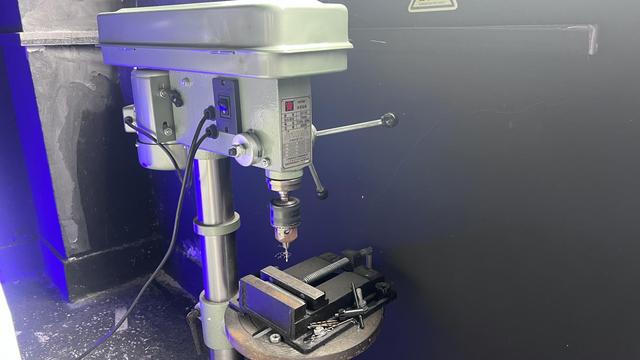
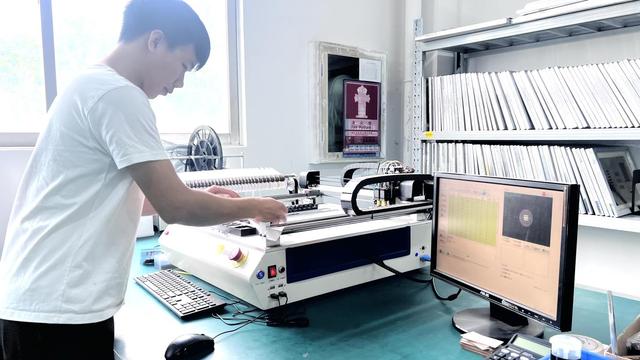
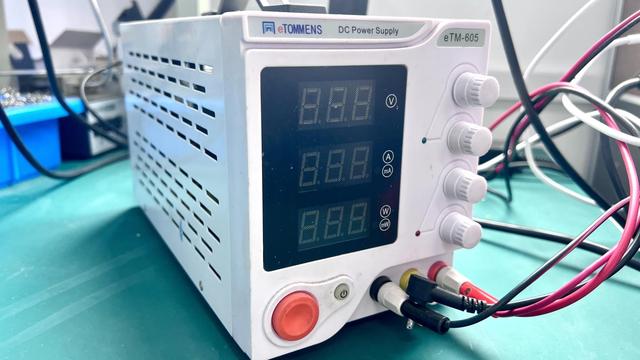
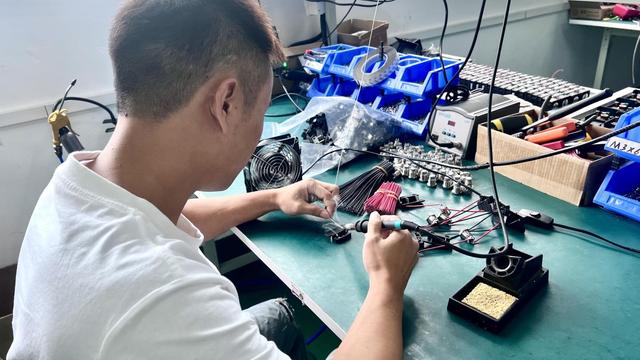
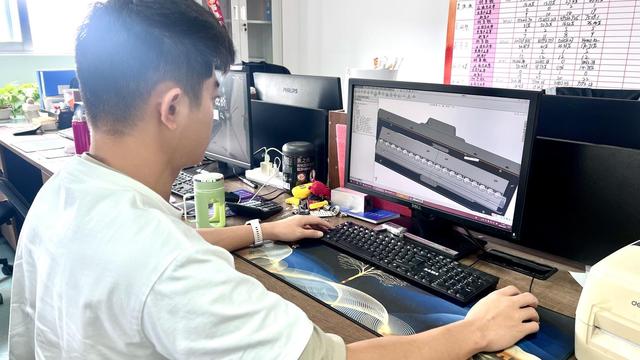
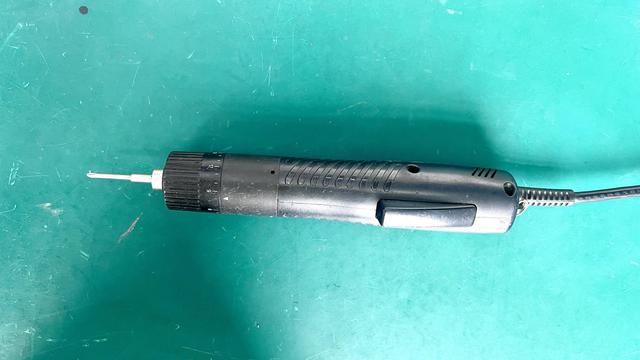
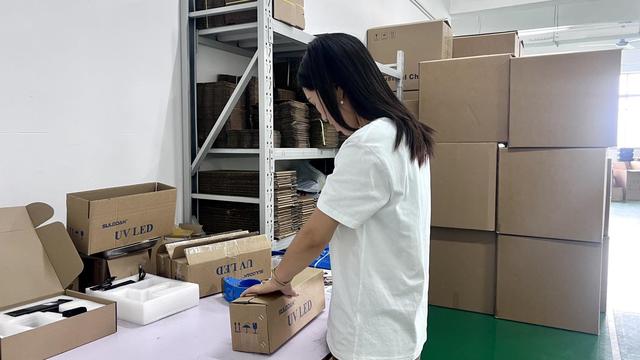
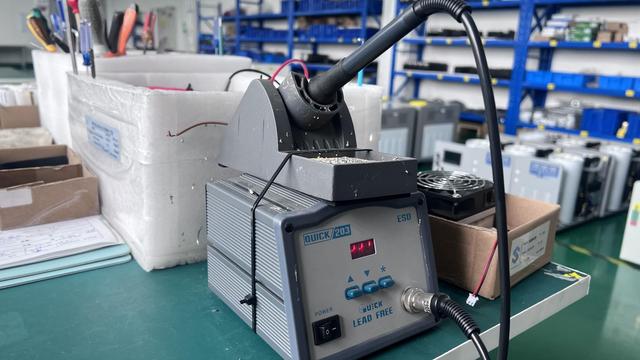
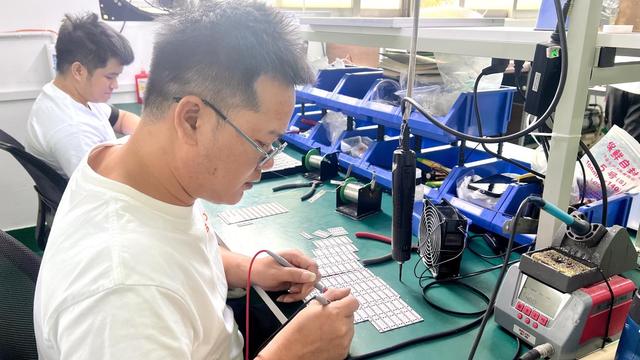
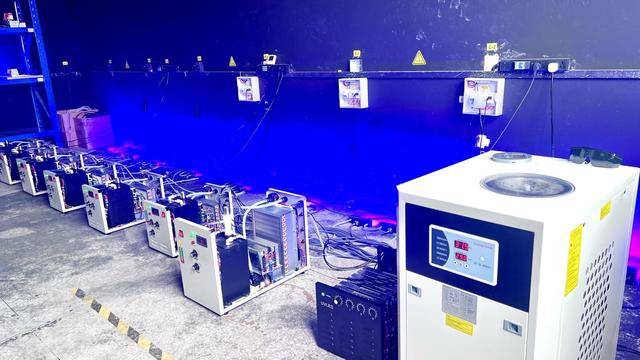
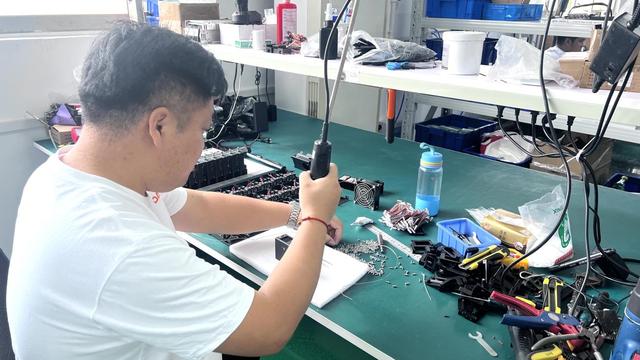
Fully integrated conveyor systems, high-power modular systems, and specialty wave equipment.
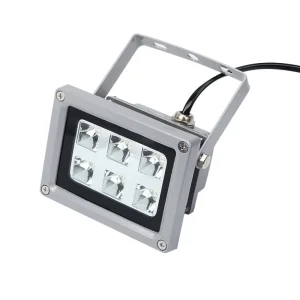
 LumiCure Light