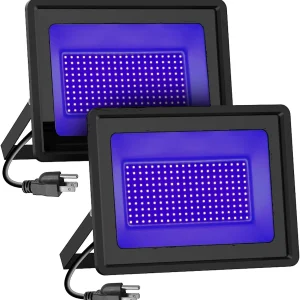
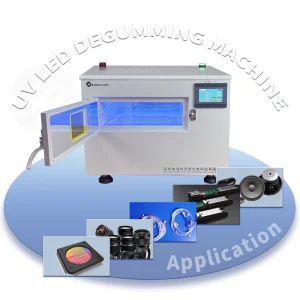
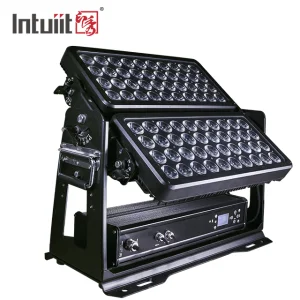
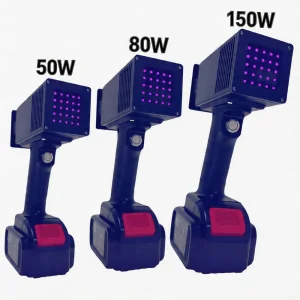
Explore our highly efficient hand-held, module, and spot curing systems designed for commercial and industrial use.
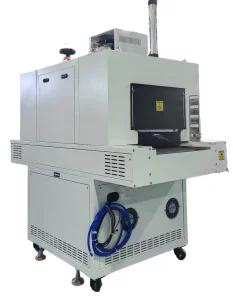
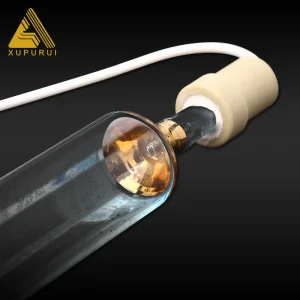
In the modern manufacturing landscape, precision and energy efficiency have shifted from optional performance parameters to mission-critical operations. The replacement of traditional mercury arc lamps with UV LED technology represents one of the most significant eco-technological leaps of the past two decades. Mercury-based lamps emit a broad-band spectral range accompanied by intensive infrared radiation, transferring massive heat loads onto substrates.
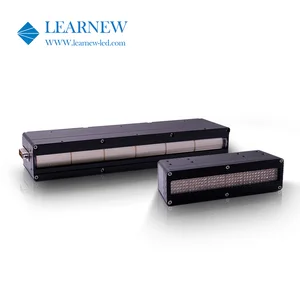
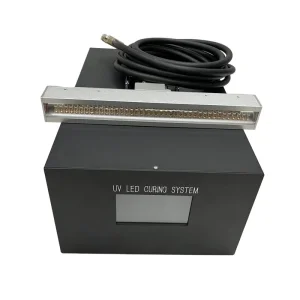
Conversely, modern UV LED Curing Guns and localized systems function through monochromatic emission (centered typically around 365nm, 385nm, 395nm, or 405nm). This limits thermal exposure, safeguarding thin polymers, microelectronics, and precision biomedical interfaces from warp or degradation.
As a leading force among China UV LED curing lamp manufacturers, Dongguan LumiCure Light Co., Ltd. spearheads the research, development, and supply of industrial UV curing systems. By integrating advanced semiconductor packaging with micro-optics, we deliver localized solutions that drastically lower operational downtime while maintaining exceptional irradiance profiles.
Targeted energy absorption directly activates photoinitiators in adhesives or inks without unnecessary thermal stress or substrate damage.
Unlike mercury lamps requiring lengthy warm-up and cool-down phases, LED systems achieve full power within microseconds, maximizing throughput.
Exceeding 20,000 working hours with zero ozone generation or mercury disposal compliance liabilities, reducing total cost of ownership (TCO).
Understanding the core operational differences is critical for process engineers designing high-volume assembly lines. Below is an analytical comparative breakdown:
| Performance Dimension | High-Intensity UV LED System | Mercury Arc Systems | Impact on Manufacturing Metrics |
|---|---|---|---|
| Typical Lifespan | 20,000+ Operational Hours | 800 to 2,000 Hours | Decreased bulb replacement costs & production halts. |
| Thermal Output | Low heat signature (cold curing light source) | High Infrared radiation (up to 250°C at curing plane) | Enables usage on heat-sensitive materials like thin film. |
| Wavelength Output | Monochromatic (e.g., peak at 365nm ± 5nm) | Broadband spectrum (200nm to 450nm+) | Highly predictable photo-initiator curing cross-linking. |
| Energy Efficiency | Up to 80% Reduction in electrical demand | High consumption; constant draw (no standby off) | Drastic reduction in global manufacturing carbon footprint. |
| Environmental Safety | Ozone-free, Zero Mercury content | Generates ozone; mercury disposal compliance required | Eliminates toxic air exhaust equipment requirements. |
The global demand for industrial UV curing solutions spans multiple advanced markets including Europe, North America, East Asia, and the Middle East. As regulatory bodies enforce stringent worker safety rules and energy reduction targets, businesses require localized support paired with reliable technology. We address specific regional requirements through targeted engineering variations.
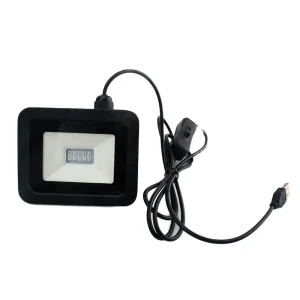
In PCB fabrication, high-intensity spot UV guns and flood lights cure solder masks and encapsulate microchips within seconds. Portable UV curing guns with adjustable intensities allow technicians to perform precision manual repair work. Rapid curing prevents fluid migration, ensuring clean-room grade compliance.
Medical catheter construction, syringe-needle assembly, and hearing-aid manufacturing require strict adherence to quality. By providing stable optical output control, LumiCure UV systems guarantee repeatable curing cycles, ensuring medical bonds pass biocompatibility tests.
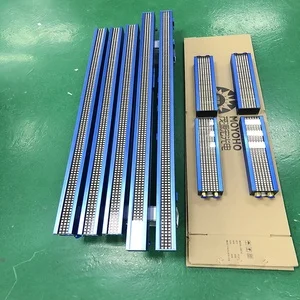
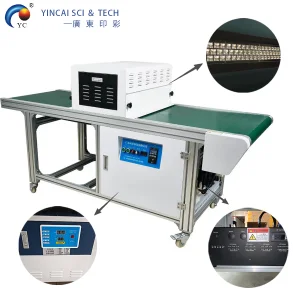
Our customized water-cooled and air-cooled UV LED modules operate synchronously with commercial high-speed digital printers. Delivering instant, uniform drying, they improve production yield without thermal distortion of plastic substrates.
Modern vehicle electronics require robust environmental protections. UV-curable silicones and acrylics are cured using custom wavelength profiles to seal sensitive optical components, radar units, and control boards.
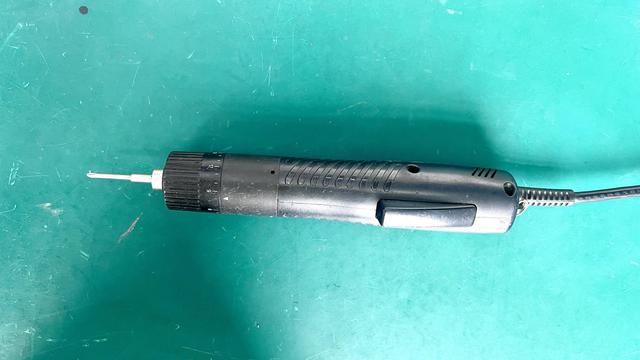
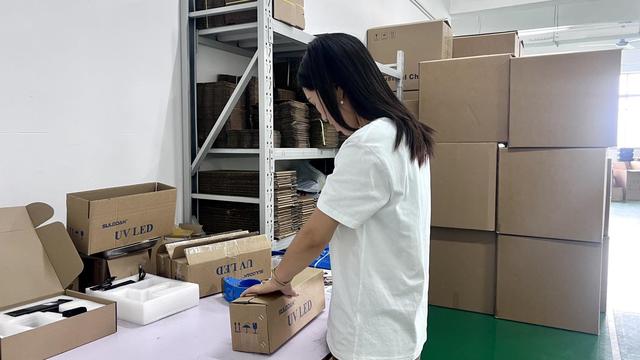
Rigorous quality control and state-of-the-art facilities ensure industrial-grade performance in every unit we export.
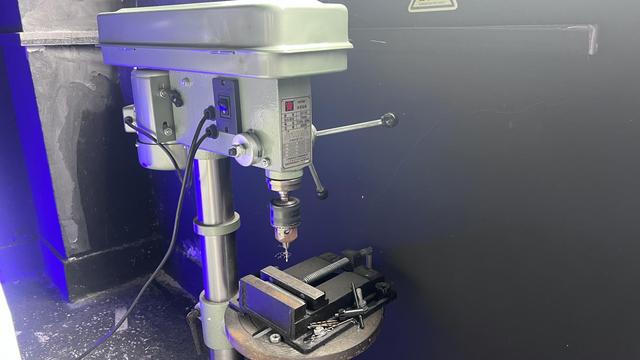
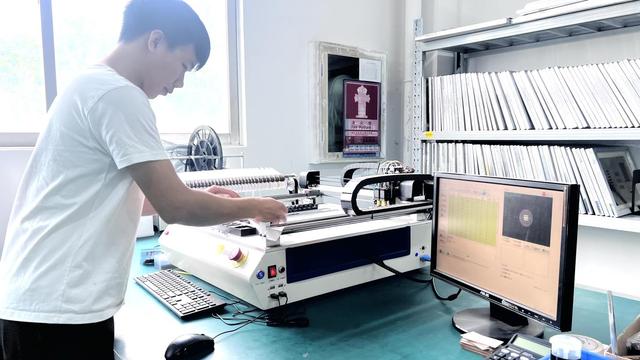
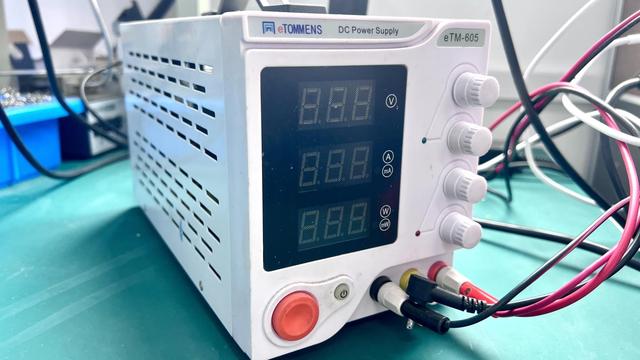
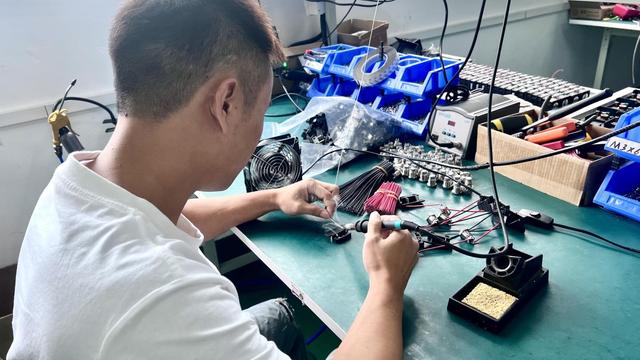
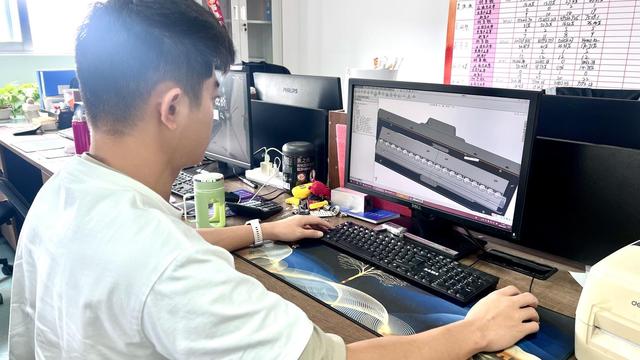
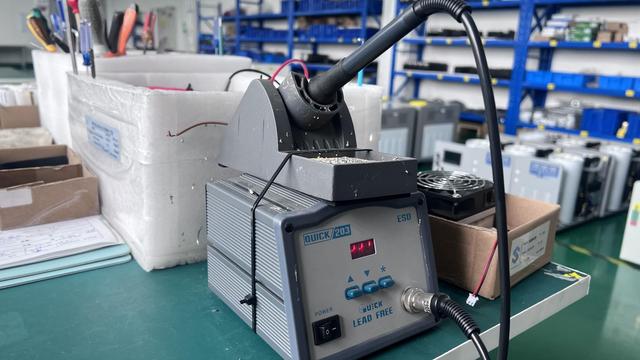
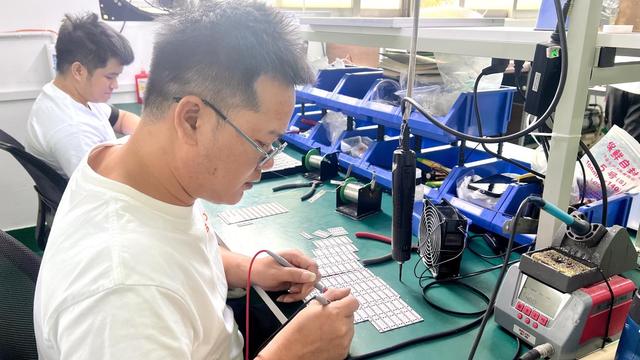
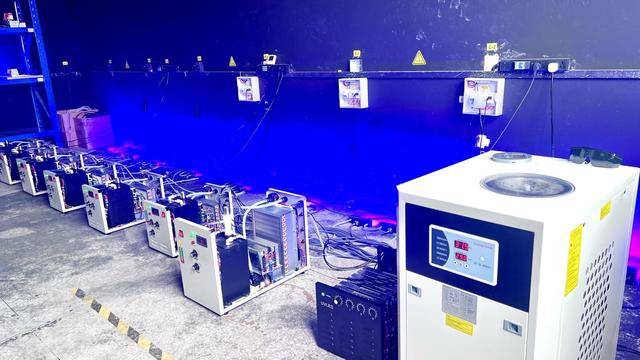
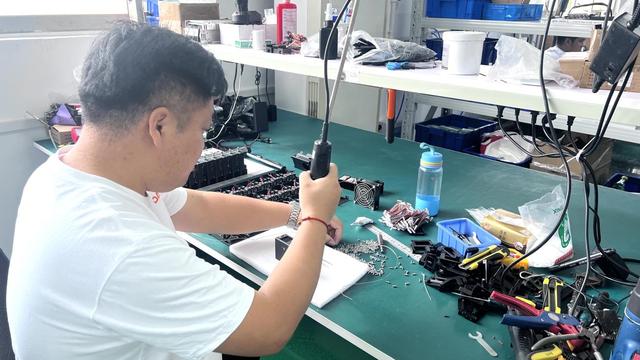
Exporting advanced industrial hardware requires adherence to safety and electromagnetic compatibility guidelines. LumiCure's entire UV LED portfolio, from high-power portable curing guns to modular water-cooled printing arrays, is engineered to exceed global compliance standards. Our product catalog features certifications including CE, RoHS, UL, and PSE.
Our international export division coordinates supply-chain logistics directly with your onsite engineers. We provide comprehensive optical profiling (irradiance map, spectrum plots, and thermal output measurements) with every batch shipment. This high-standard compliance is vital for aerospace and medical manufacturers requiring absolute consistency during audit protocols.
The next generation of UV LED curing focuses on integration and intelligence. LumiCure's research lab is targeting three major technological frontiers:
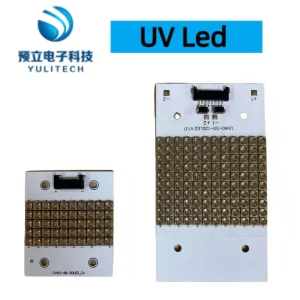
Embedding high-precision thermal feedback loops within the COB (Chip-on-Board) substrate. This automatically alters current input to prevent driver overload and optical output drift.
Combining 365nm and 395nm chips onto a single matrix to provide simultaneous surface and deep-fill curing, eliminating the need for separate treatment steps.
Enabling automated real-time telemetry outputs to manufacturing execution systems (MES), ensuring every curing event is logged and optimized.
Get answers to common technical queries faced by integration engineers, manufacturing plant managers, and procurement specialists.
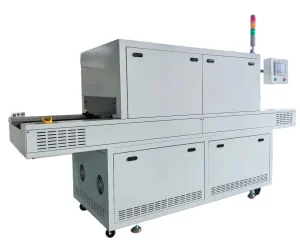
Heavy-duty modules, conveyors, and high-power setups optimized for robust continuous factory lines.
 LumiCure Light