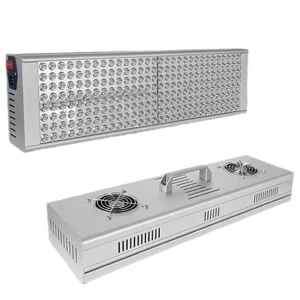
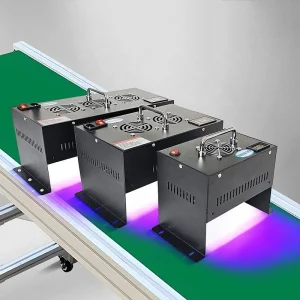
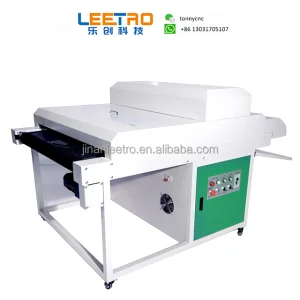
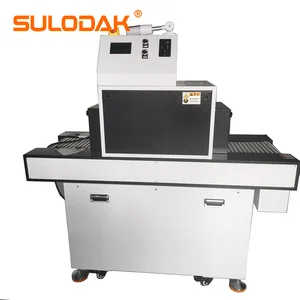
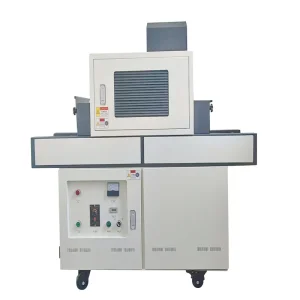
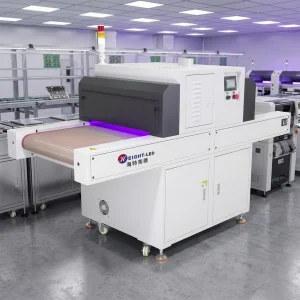
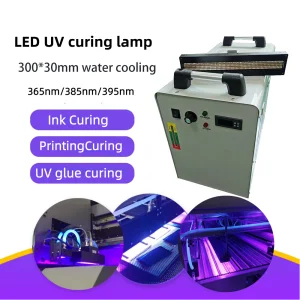
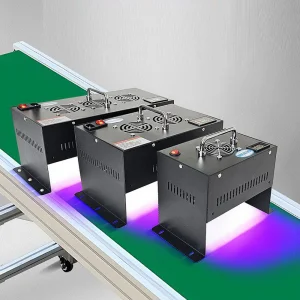
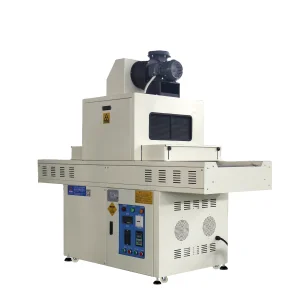
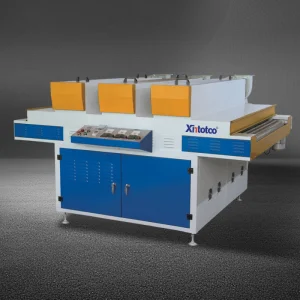
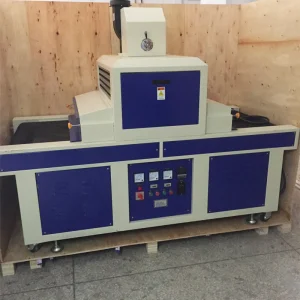
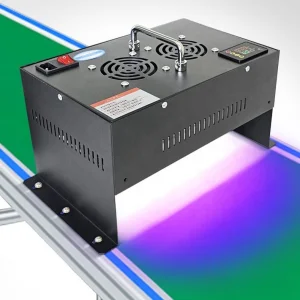
High-efficiency solutions designed for rapid thermal-sensitive substrates, inline electronics assembly, and high-speed packaging.
Energy Consumption Savings
UV LED Lifespan vs 1k Mercury
Ozone Emissions & Mercury Risk
Instant On/Off Cycle Curing
Metro Manila, alongside surrounding economic corridors such as Cavite, Laguna, Batangas, and Rizal (CALABARZON), represents the heavy industrial heartland of the Philippines. Historically anchored in semiconductor assembly, electronics manufacturing services (EMS), automotive parts manufacturing, and complex packaging, the region is facing unprecedented competitive and operational challenges. Rising local electricity rates—among the highest in the ASEAN region—coupled with strict environmental mandates from the Department of Environment and Natural Resources (DENR), have compelled factory operators to seek out radical manufacturing efficiencies.
The traditional mercury arc lamps previously relied upon for UV coating and curing processes are rapidly becoming obsolete. High thermal output damages delicate plastics, PCBs, and film structures, while the energy requirement to run ballast-driven mercury systems drains local operational budgets. UV LED curing systems resolve these challenges. Because they generate monochromatic UV wavelengths (primarily concentrated at 365nm, 385nm, 395nm, or 405nm), energy is converted directly into target photochemical reactions rather than wasted as infrared heat. For semiconductor and PCB manufacturers operating out of PEZA (Philippine Economic Zone Authority) zones, this shift translates directly into lowered rejection rates, zero thermal warping of micro-components, and substantial operating budget reductions.
Note for Manila Procurement Teams: Investing in UV LED technology is no longer merely an option for efficiency; it is a critical pathway to aligning with global environmental audits, such as EU RoHS and REACH regulations, which restrict the export of mercury-processed items.
Furthermore, as the packaging and consumer goods sector across Metro Manila experiences rapid volume growth to service an expanding metropolitan population, inline flexographic and screen-printing facilities must scale throughput. Traditional thermal dryers require long drying tunnels that occupy massive floor space in high-rent urban industrial parks. In contrast, UV LED curing systems pack high peak irradiance into compact footprints. Our conveyor-integrated curing machines easily retrofit existing production configurations, increasing speed and yield without requiring capital expenditure for factory expansion.
How our solid-state technology addresses the common failures of traditional gas-discharge curing systems.
By outputting focused wavelengths without broad-spectrum infrared output, our UV LED lamps keep substrates cool, preserving the structural integrity of PET, polycarbonates, and sensitive electronics.
Precision-calibrated LED arrays deliver uniform irradiance across the curing path. Eliminate hot spots or under-cured regions that lead to delamination and product failure.
Zero warm-up and cool-down times. Integrating directly with conveyor sensors, our UV LED systems only activate when target components are present, minimizing power waste.
Not all UV curing requirements are equal. The cross-linking chemistry of an optical adhesive is radically different from the surface polymerization dynamics of a protective varnish coating on sheet metal or wood furniture. Dongguan LumiCure Light Co., Ltd. addresses this structural complexity by manufacturing modular systems with customizable outputs and form factors.
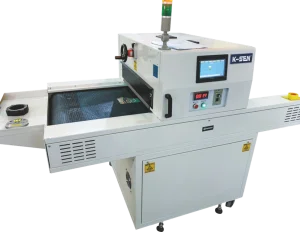
For operations in the PEZA zones of Batangas and Cavite, our inline conveyor UV systems deliver uniform 365nm outputs to cure conformal coatings, shadowless optical adhesives, and underfills. Standard high-heat curing runs the risk of micro-cracking solder joints. The non-thermal characteristics of LumiCure's high-power LED matrices ensure zero degradation of multi-layer PCB circuits.
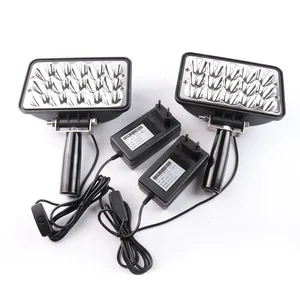
Automotive body fillers, primers, and clear coats demand high depth-of-cure. Utilizing portable and high-power handheld UV LED arrays in the 395nm and 405nm spectrum allows workers to complete repairs in minutes instead of hours. The localized, high-output irradiance activates deep-layer photoinitiators instantly, creating a scratch-resistant, fully polymerized finish.
In high-speed rotogravure, offset, and flexographic printing shops in Manila, our customizable UV tunnel systems provide high-dose curing at speeds up to 150 meters per minute. The instant polymerization ensures no ink migration, providing safe and robust flexible packaging solutions for food, pharmaceutical, and consumer goods markets.
ISO 13485-certified medical manufacturing processes require strict process consistency. Our PLC-controlled chambers and spot curing heads offer verifiable, closed-loop UV outputs, ensuring medical tubing, catheters, and syringe connections are bonded with high precision, zero heat damage, and perfect repeatability.
Sourcing industrial machinery as an exporter serving the Manila market requires navigating rigorous vetting processes. Procurement divisions look for long-term support networks, high product yield guarantees, and regulatory compliance certificates (CE, RoHS, UL, FCC). Recognizing this, LumiCure has aligned its manufacturing pipeline with stringent QA protocols. Every UV LED light head, conveyor system, and cooling module undergoes 72 hours of uninterrupted burn-in and optical measurement testing to map irradiance profiles before global shipment.
Our solutions feature custom-engineered optical lenses that optimize light focus and energy density while reducing glare. In addition, by integrating programmable PLC controllers, our machines communicate seamlessly with central manufacturing systems (such as SCADA or MES via Modbus protocols). This digital readiness allows factory managers in the Philippines to monitor system lifetime, temperature profiles, and irradiance statistics in real-time, preventing unexpected downtime on critical assembly lines.
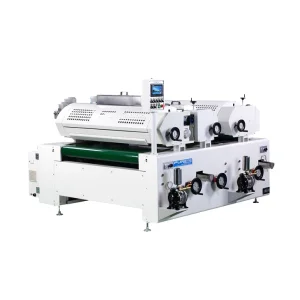
Explore our complete catalog of industrial UV LED curing units, automated tunnel ovens, roller coaters, and handheld lamps.
As industrial operations in Metro Manila move toward Industry 4.0 paradigms, curing technologies must evolve in step. The roadmap for UV LED curing involves transition from static arrays to dynamic, adaptive system configurations. Real-time irradiance control, coupled with closed-loop telemetry feedback, allows our light heads to adjust intensity dynamically based on belt speed, material temperature, and substrate distance. This level of optimization prevents micro-warping on multi-layer PCBA applications and guarantees optimal polymerization across complex surface geometries.
Simultaneously, thermal management is undergoing refinement. Liquid-cooled chillers integrated directly into high-power curing heads keep LED junctions at optimal temperatures (below 60°C) even under continuous duty in Manila's hot and humid tropical environment. Maintaining low junction temperatures maximizes chip output efficiency and preserves optical integrity, ensuring stable operation for over 20,000 hours without drop-offs in output intensity.
By blending multiple wavelengths (e.g., 365nm and 395nm) within a single chip-on-board (COB) package, we provide systems that satisfy both surface polymerization (which requires shorter wavelengths) and deep layer cross-linking (which requires longer, penetrating wavelengths).
Modern manufacturing nodes can monitor their UV LED arrays remotely. Data points including module temperature, electrical efficiency, and total runtime are logged directly to PLC control boards for predictive maintenance alerts.
Operational safety is paramount. High-power ultraviolet systems require proper shield integration to prevent operator exposure to optical radiation. All our machines feature automated interlock safety mechanisms that cut UV power instantly if shielding doors are opened during production cycles. Furthermore, our designs comply with CE, FCC, and RoHS standards, giving purchasing managers in export-driven PEZA zones confidence that their manufacturing lines satisfy global safety audits.
To support clients in Metro Manila and the CALABARZON zone, we offer complete OEM/ODM customization services. From matching custom conveyor layouts and designing narrow-beam focus optics to integrating air or liquid cooling systems, our engineering division works closely with local engineering teams from initial consultation to final integration.
Dongguan LumiCure Light Co., Ltd. is a professional China UV LED curing lamp manufacturer specializing in the research, development, production, and supply of industrial UV curing systems and customized UV LED solutions. With a strong focus on innovation, quality, and customer satisfaction, LumiCure has become a trusted partner for manufacturers worldwide seeking efficient and reliable curing technologies.
Our product range includes UV LED curing lamps, UV LED spot curing systems, flood curing lamps, conveyor UV curing machines, UV LED modules, printing curing systems, adhesive curing equipment, and customized industrial UV solutions. These products are widely applied in printing, electronics assembly, semiconductor packaging, optical bonding, automotive manufacturing, medical devices, 3D printing, and various precision industrial processes.
Backed by an experienced engineering team and advanced manufacturing facilities, LumiCure is committed to developing energy-saving and environmentally friendly UV curing technologies. Our products feature high curing efficiency, precise wavelength output, long service life, low maintenance requirements, and intelligent control capabilities, helping customers improve productivity while reducing operating costs.
Quality remains the foundation of our business. Every product undergoes rigorous testing and strict quality control procedures throughout the manufacturing process to ensure consistent performance and reliability. We also provide comprehensive OEM and ODM services, enabling customers to customize products according to their specific technical and application requirements.
Serving clients across Europe, North America, Asia, the Middle East, and other global markets, Dongguan LumiCure Light Co., Ltd. continues to deliver innovative UV LED curing solutions that support sustainable and efficient industrial manufacturing.
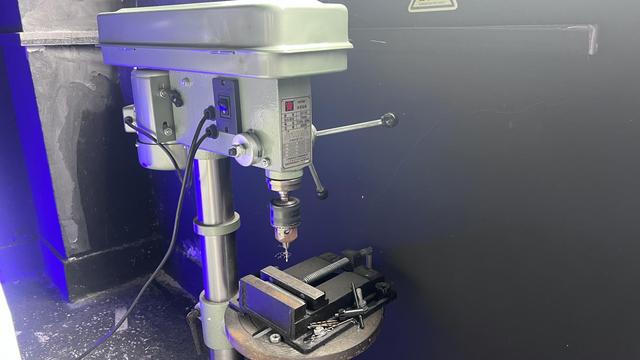
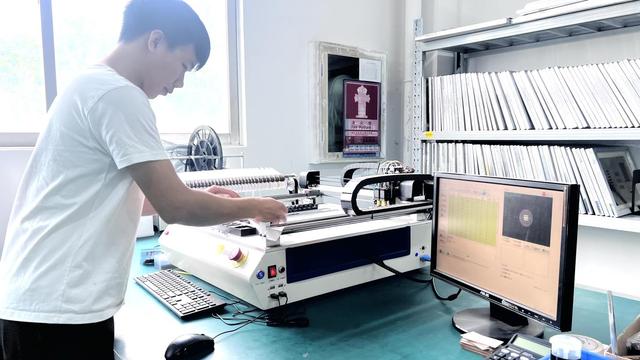
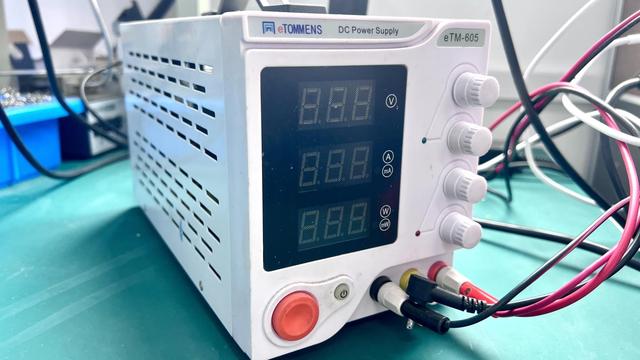
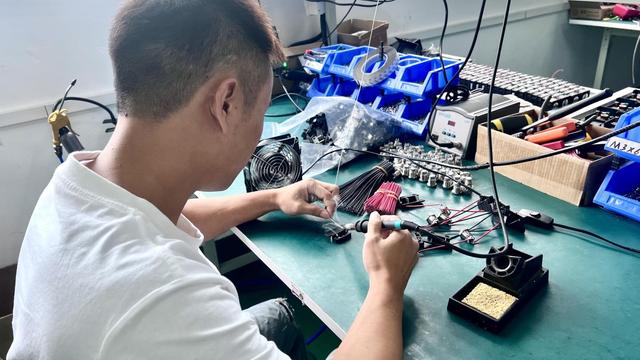
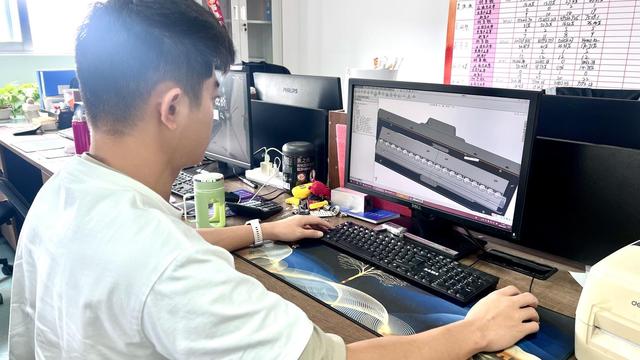
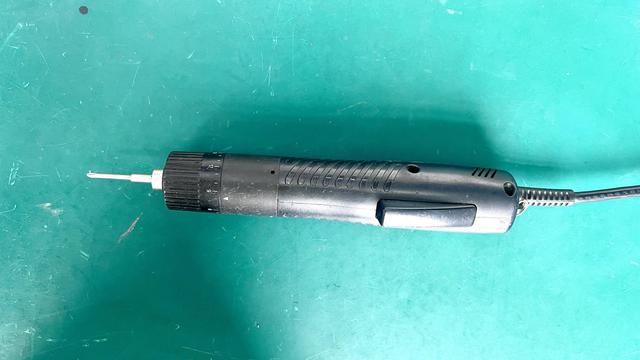
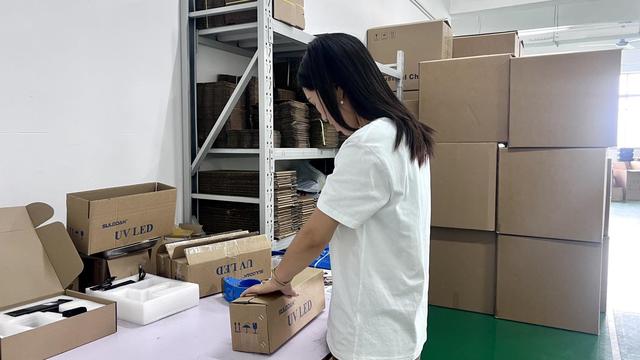
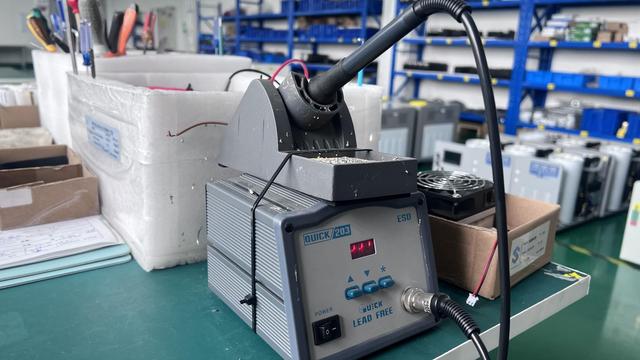
Inside our state-of-the-art facility, showing advanced calibration, testing, assembly, and custom design projects.
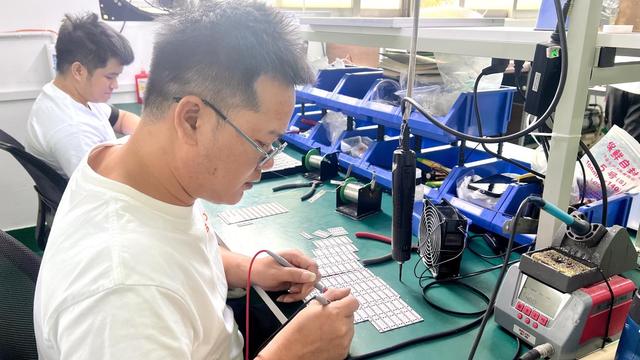
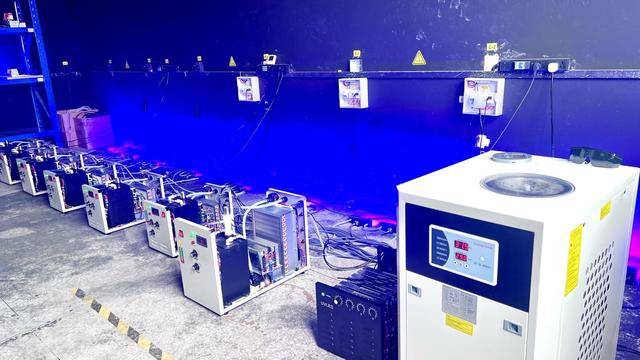
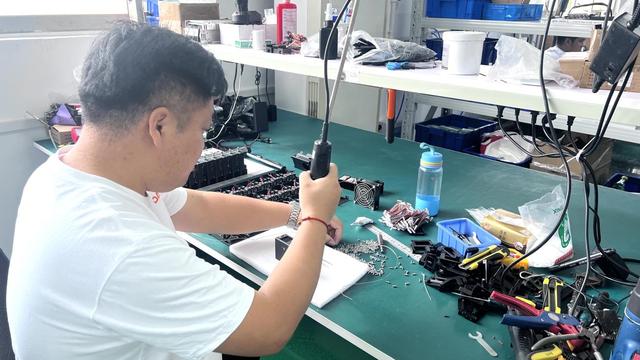
Consult these technical explanations curated by our head applications engineer to optimize your system configuration.
Wavelength selection is dependent on the photoinitiators used in your UV chemical formulation (inks, glues, or resins). Generally:
• 365nm is standard for optical bonding, UV-sensitive adhesives, and electronic conformal coatings, as it delivers high surface energy for thin layers.
• 385nm and 395nm are selected for deep-layer curing, such as thick varnishes, pigment-heavy screen-printing inks, and automotive clear coats, as longer wavelengths penetrate deeper into the material.
• 405nm is frequently used for medical assembly, 3D printing resins, and applications where delicate plastic substrates require minimal heat exposure.
UV LED systems typically reduce electrical consumption by 70% to 85% compared to traditional mercury vapor lights. This is achieved because:
1. LEDs convert electricity directly into monochromatic light, whereas mercury lamps generate broad-spectrum light and significant amounts of infrared heat that must be extracted.
2. LEDs support instant on/off cycles, consuming power only when active on the line. Mercury arc lamps require continuously active standby modes because they require long warm-up cycles (often 10–15 minutes) before reaching full curing output.
Both methods are effective, but depend on your application's power requirements:
• Air cooling (fan-assisted) is ideal for light-duty conveyors, handheld repair systems, and low-power spot curing. It simplifies installation and minimizes system footprint.
• Liquid cooling (closed-loop industrial chiller) is recommended for high-intensity, continuous inline systems exceeding 12 W/cm² peak irradiance. In tropical and humid environments like Metro Manila, a chiller maintains stable LED junction temperatures, protecting components from thermal degradation and extending diode lifetime.
Yes. Our systems feature built-in PLC control interfaces supporting standard industrial communications protocols, including Modbus RTU/TCP. This lets system integrators connect the UV light module with host PLCs, allowing for remote parameter settings, automated power modulation synchronized with conveyor speed, and real-time monitoring of alarm logs, temperatures, and optical output status.
All Dongguan LumiCure systems are designed to comply with CE, RoHS, and FCC directives. This ensures safe electromagnetic compatibility, mechanical integrity, and the absence of hazardous substances. For factories in PEZA economic zones that export finished products to Europe and North America, this compliance guarantees alignment with local eco-auditing policies.
We provide remote technical engineering support, including layout matching, component configuration tutorials, and video inspections. For large-scale inline integrations, we offer remote commissioning assistance to ensure our systems interface correctly with your conveyor speeds, safety interlocks, and sensor configurations. Critical spare parts, including optical arrays, power supplies, and PLC cables, are stocked for quick dispatch to minimize production downtime.
 LumiCure Light