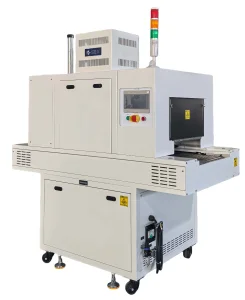
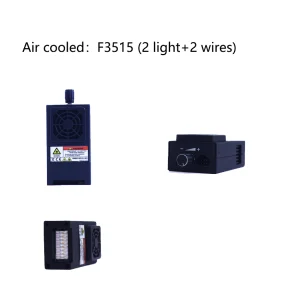
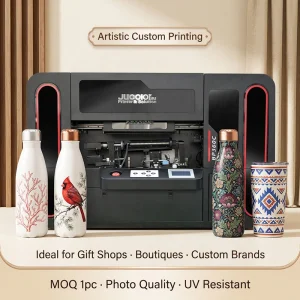
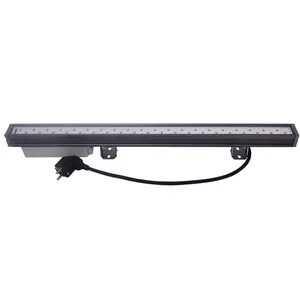
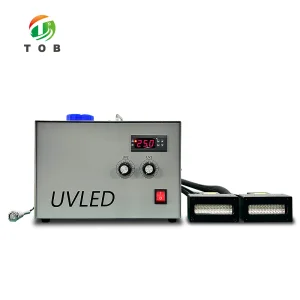
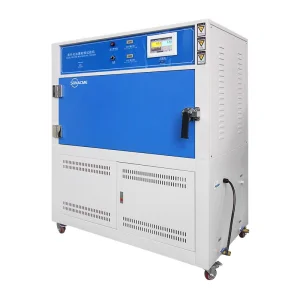
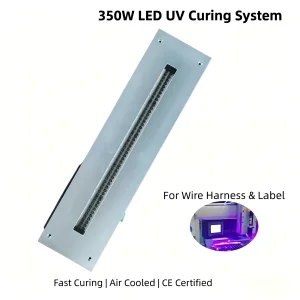
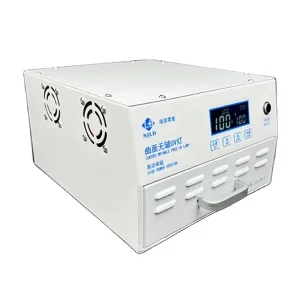
Discover our premier high-performance UV LED curing configurations engineered for the San Francisco high-tech and biotech fabrication facilities.
The San Francisco Bay Area, encompassing Silicon Valley, Oakland, and the high-tech manufacturing corridors of Fremont and San Jose, represents a global nucleus for hardware innovation, biomedical device fabrication, semiconductor assembly, and advanced printed electronics. In these demanding sectors, the precision of photopolymerization plays a critical role in yield rates, structural durability, and cleanroom compatibility.
Historically, industrial plants relied on legacy medium-pressure mercury arc lamps. However, contemporary San Francisco enterprises are rapidly retrofitting assembly lines with solid-state UV LED curing systems. This shift is driven by strict California Environmental Quality Act (CEQA) mandates, greenhouse gas reduction metrics, and the technical necessity for cold curing. Unlike thermal-heavy mercury bulbs, UV LED systems deliver targeted monochromatic light output, minimizing heat transfer to delicate substrates such as thin polymer films, optical lenses, and microelectronic wafers.
South San Francisco's biotech hub relies on ISO-13485 compliant UV curing to instant-bond medical plastics, microfluidic chips, and multi-lumen catheters with zero thermal deformation.
Silicon Valley wafer FABs use specialized 365nm and 405nm parallel UV light engines to cure photoresists, secure die-attach adhesives, and process temporary bonding tapes.
Optical alignment systems require sub-micron precision. Instantaneous UV polymerization locks lenses in place without shrinkage-induced shifting.
For operations managers analyzing the Total Cost of Ownership (TCO) in San Francisco, retrofitting to solid-state UV LED setups offers a quick return on investment.
| Performance Parameter | Legacy Mercury Arc Lamps | Modern UV LED Curing Systems | Bay Area Operational Benefit |
|---|---|---|---|
| Energy Consumption | 100% Baseline (High thermal wastage) | 20% - 30% Baseline (High conversion efficiency) | Reduces factory electricity bills by up to 80% |
| Operational Lifespan | 800 to 2,000 hours (Frequent replacements) | 20,000+ hours (Consistent output) | Eliminates downtime and mercury disposal hazards |
| Substrate Heat Loading | Extreme heat (Infrared spectral output) | Cold curing (Monochromatic UV output) | Safely bonds thin-film polymers and bio-plastics |
| Wavelength Output | Broadband (Needs optical filters) | Narrowband (365nm, 385nm, 395nm, 405nm) | Optimizes photoinitiator yield and prevents degradation |
| Warm-up & Shut-down | 10 - 15 minutes warm-up time required | Instantaneous On/Off integration | Perfect match for high-speed automated assembly lines |
Selecting an industrial UV curing system requires an understanding of photopolymerization kinetics. Commercial resins, inks, and structural adhesives are formulated with specific photoinitiators. When exposed to a matching UV wavelength, these photoinitiators trigger a rapid cross-linking reaction, changing liquid monomers into a solid polymer matrix in fractions of a second.
LumiCure works with engineering teams in Fremont and San Jose to match optical profiles to specific applications:
Maintaining a stable junction temperature on the LED array is critical to preventing optical drift. LumiCure manufactures both cooling types to suit different installation environments:
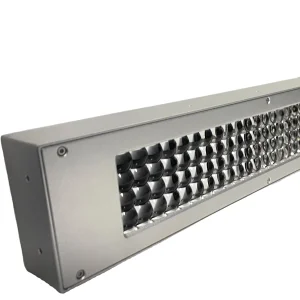
Air-Cooled UV Lamps: Compact and easy to install. Best suited for manual assembly benches, lab setups, and low-duty-cycle operations in R&D facilities.
Water-Cooled UV Systems: Designed for continuous 24/7 printing and roll-to-roll processes. These systems use internal microchannel water pathways to maintain stable LED temperatures, ensuring uniform UV irradiance across wide curing zones.
Procurement departments in California demand a balance of cost-efficiency, technical expertise, and local compliance. As a leading manufacturer in Dongguan, China, LumiCure supplies industrial UV systems to the North American market, offering reliable global shipping, quality control, and customized engineering.
LumiCure ensures compliance with all local standards. Every unit shipped to California complies with FCC Part 15 regulations, CE standards, UL safety certifications, and RoHS directives, making them ready for immediate integration into automated production lines.
Dongguan LumiCure Light Co., Ltd. is a professional China UV LED curing lamp manufacturer specializing in the research, development, production, and supply of industrial UV curing systems and customized UV LED solutions. With a strong focus on innovation, quality, and customer satisfaction, LumiCure has become a trusted partner for manufacturers worldwide seeking efficient and reliable curing technologies.
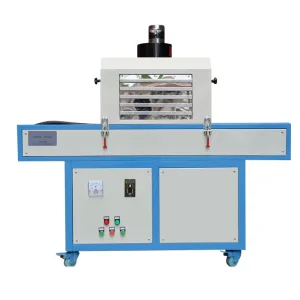
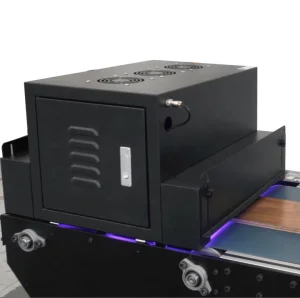
Our product range includes UV LED curing lamps, UV LED spot curing systems, flood curing lamps, conveyor UV curing machines, UV LED modules, printing curing systems, adhesive curing equipment, and customized industrial UV solutions. These products are widely applied in printing, electronics assembly, semiconductor packaging, optical bonding, automotive manufacturing, medical devices, 3D printing, and various precision industrial processes.
Backed by an experienced engineering team and advanced manufacturing facilities, LumiCure is committed to developing energy-saving and environmentally friendly UV curing technologies. Our products feature high curing efficiency, precise wavelength output, long service life, low maintenance requirements, and intelligent control capabilities, helping customers improve productivity while reducing operating costs.
Quality remains the foundation of our business. Every product undergoes rigorous testing and strict quality control procedures throughout the manufacturing process to ensure consistent performance and reliability. We also provide comprehensive OEM and ODM services, enabling customers to customize products according to their specific technical and application requirements.
Serving clients across Europe, North America, Asia, the Middle East, and other global markets, Dongguan LumiCure Light Co., Ltd. continues to deliver innovative UV LED curing solutions that support sustainable and efficient industrial manufacturing.
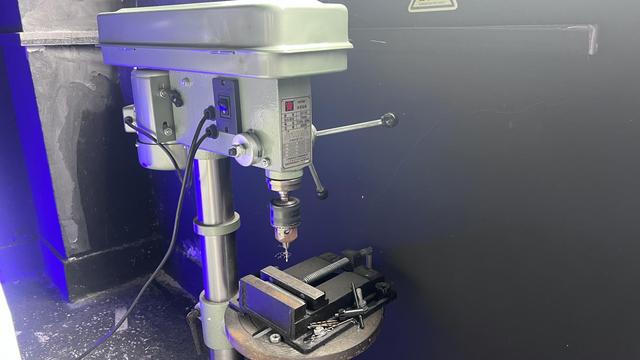
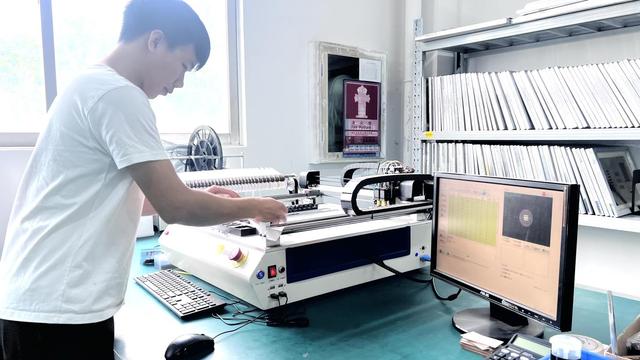
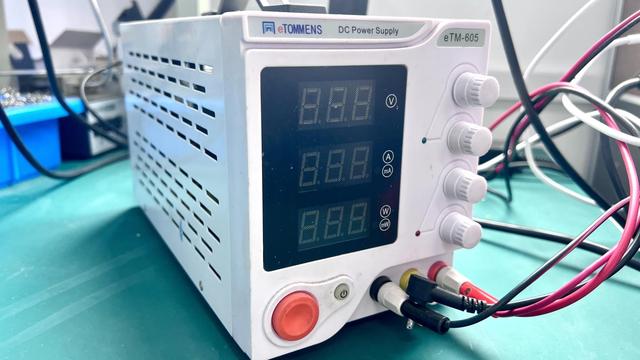
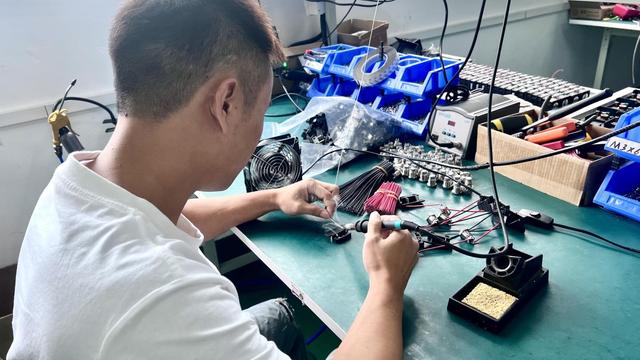
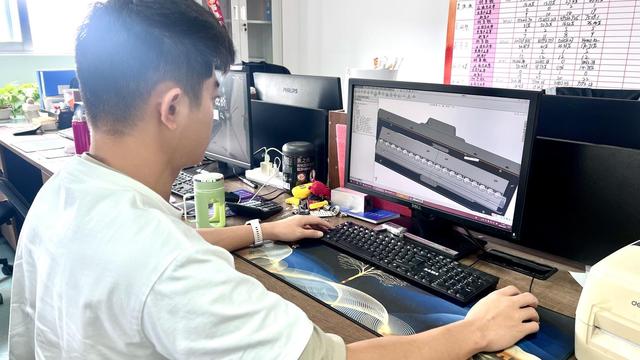
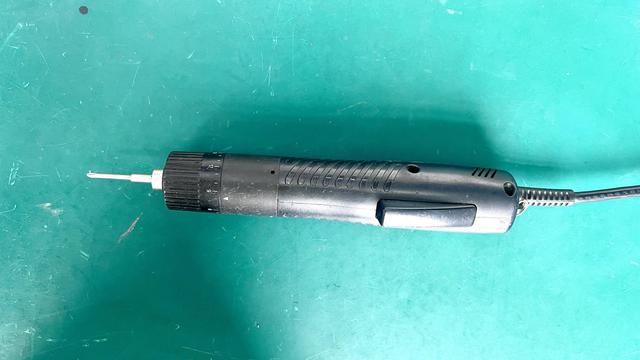
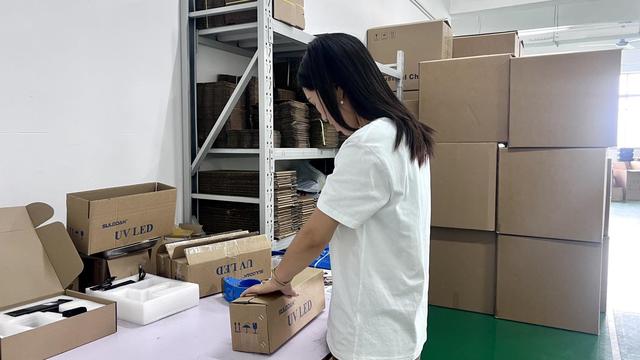
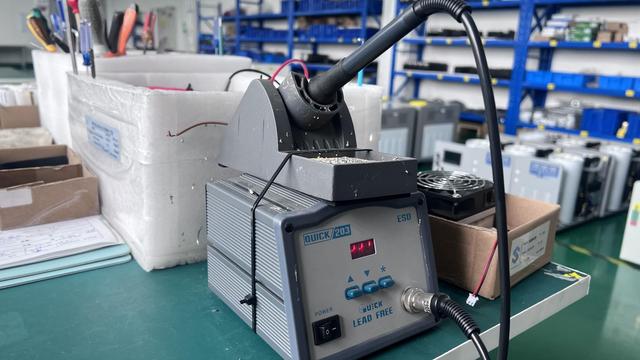
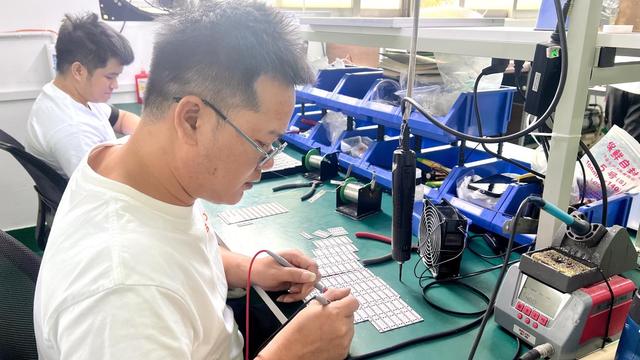
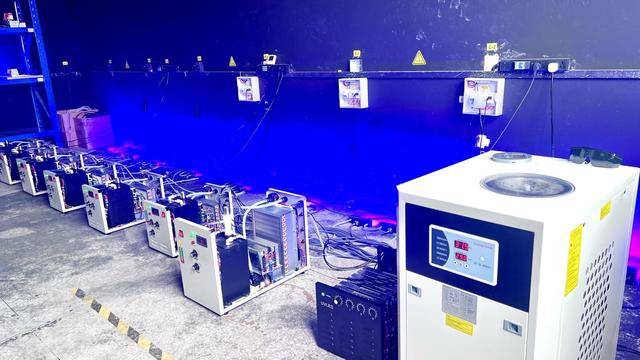
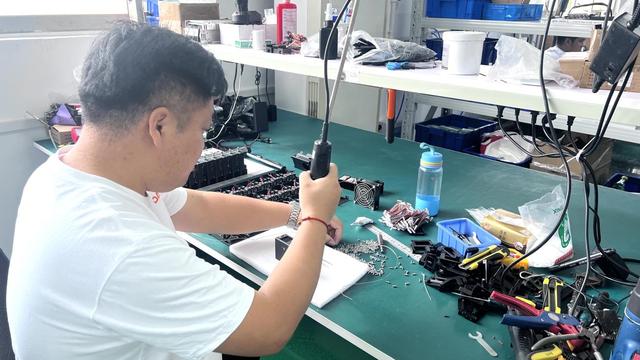
Explore our complete catalog of industrial UV light sources, curing ovens, and high-precision testing chambers designed to meet international manufacturing standards.
Custom & Specialty Optical Configurations:
Water Cooled 395nm LED UV Curing Equipment | UV LED Curing System for Printing Machine | High-Precision 16-Inch Water-Cooled 405nm System | Hospital Commercial UV Air PurifierGet technical answers about light intensities, photoinitiator chemistry, system cooling, and retrofits for your assembly line.
 LumiCure Light