Peak Optical Irradiance
Energy Consumption Reduction
Diodes Useful Operational Lifespan
100% Eco-Friendly Curing Process
Pre-engineered configurations optimized for high-speed assembly and surface treatment operations in the Greater Toronto Area.
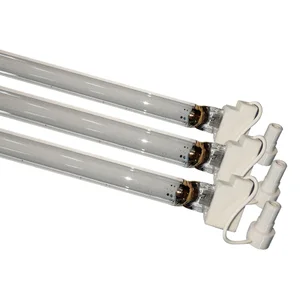
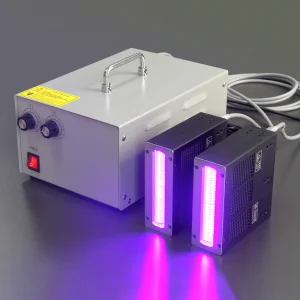
The Greater Toronto Area (GTA), encompassing manufacturing nodes in Mississauga, Vaughan, Brampton, and Markham, constitutes the industrial engine of Canada. Over the past decade, this region has faced intense pressure to transition from carbon-intensive thermal drying and hazardous mercury arc lamp processes to solid-state UV LED technology. As Ontario implements tighter standards on energy grids and industrial VOC (Volatile Organic Compounds) discharges under Ontario Regulation 419/05, manufacturers must upgrade to high-efficiency, zero-emission surface treatment methods to remain compliant and profitable.
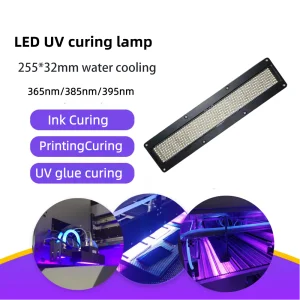
Dongguan LumiCure Light Co., Ltd. stands as a key partner for this industrial evolution. As an elite developer and manufacturer of UV LED surface curing systems, we provide Toronto's advanced packaging lines, electronics assembly plants, and automotive component plants with engineered UV systems that operate on specialized wavelengths (365nm, 385nm, 395nm, and 405nm). These systems enable high-precision polymer cross-linking in fractions of a second, with a thermal profile low enough to handle delicate, heat-sensitive plastic films, paperboard, and electronic substrates without warping or degradation.
Selecting the appropriate wavelength configuration is a critical engineering step for effective surface treatment. The Toronto manufacturing community typically relies on three key wavelength profiles:
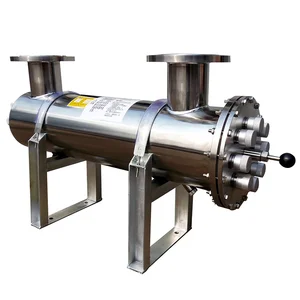
From high-density LED arrays to municipal-grade sterilization modules, engineered to satisfy high-reliability criteria.
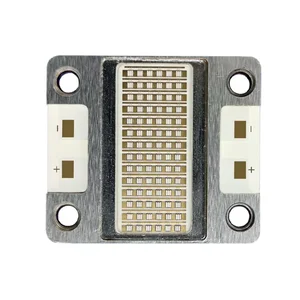
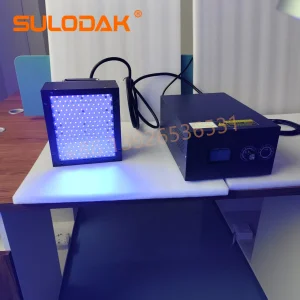
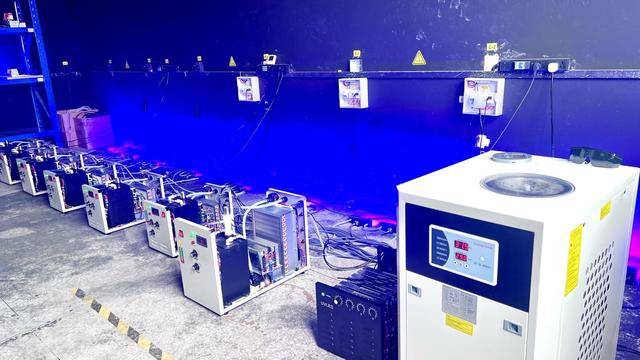
In high-throughput surface treatment environments, maintaining diode temperature stability is critical. LED efficiency is highly dependent on junction temperature; higher operational temperatures lead to wavelength drift and a drop in optical output power. LumiCure addresses this challenge with engineered copper-substrate chip-on-board (COB) technology paired with quartz protective optics. By integrating micro-channel liquid cooling loops or high-airflow fans, our custom modules dissipate heat rapidly, ensuring the output irradiance profile remains within a tight ±3% tolerance over thousands of continuous production hours.
| Parameters | Traditional Mercury/Halide Lamps | LumiCure Industrial UV LED Systems |
|---|---|---|
| Electrical Energy Conversion | 15% - 25% (Mostly lost as IR heat) | 40% - 55% (High photon yield, minimal heat) |
| Operational Lifetime | 1,000 to 2,000 Hours (Gradual decay) | Over 30,000 Hours (Stable output) |
| Ozone Generation | Yes (Requires external duct work) | None (Clean working environments) |
| Thermal Substrate Impact | High thermal load (Risks substrate deformation) | Cold light curing (Safe for thin plastics and film) |
| Switching Response | Requires 10-15 minute warm-up / cool-down | Instantaneous On/Off control (Millisecond response) |
Our engineering services bridge the gap between high-speed production line layouts and advanced photochemical integration. In Ontario, we support several key industrial applications:
Southern Ontario represents a key cluster of the automotive manufacturing sector. Curing structural adhesives, gasketing components, and protective clear coats on electronic dashboard displays requires precise, low-heat UV sources. Our water-cooled arrays provide localized curing, keeping temperatures low to protect surrounding heat-sensitive assemblies.
For packaging plants situated in Mississauga and Brampton, printing operations depend on high-speed inline curing. By retrofitting existing press machinery with our custom 395nm UV LED systems, printers can operate continuously at speeds of up to 300 meters per minute, with instant cure-on-deposition and immediate downstream processing.
The tech hub of Markham demands high-yield precision. Our air-cooled spot and surface lights are engineered to cure conformal coatings and green solder masks, preventing thermal stress on delicate microchips and multi-layer circuits.
Full suite of customized UV emitters, industrial controllers, water sterilizers, and UVC arrays direct from our manufacturing facility.
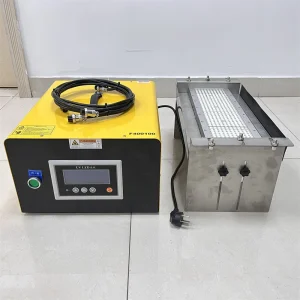
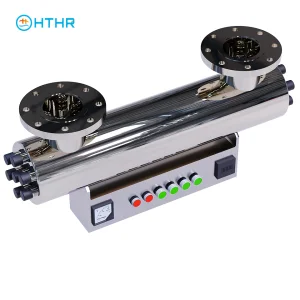
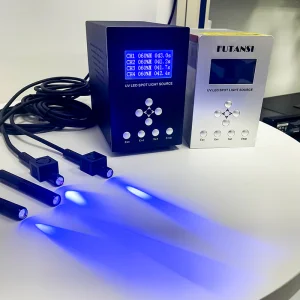
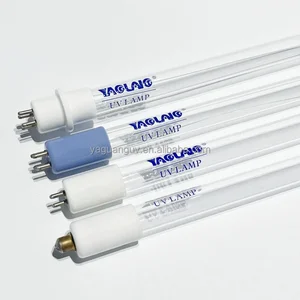
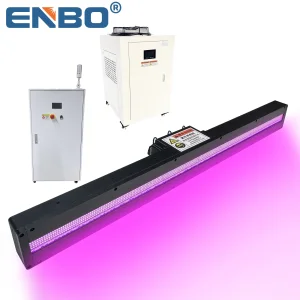
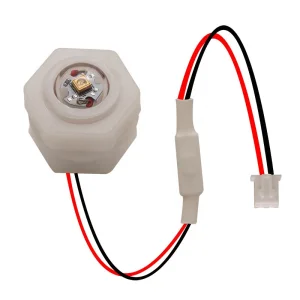
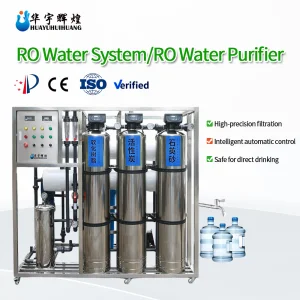
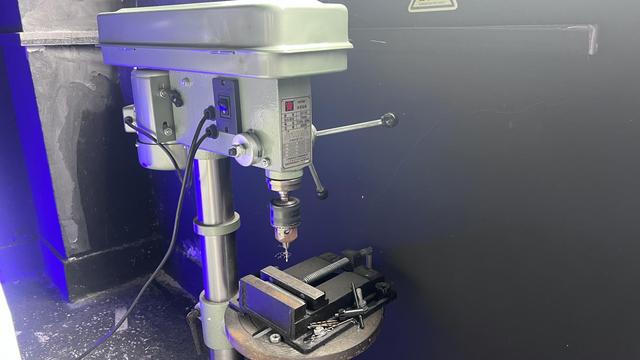
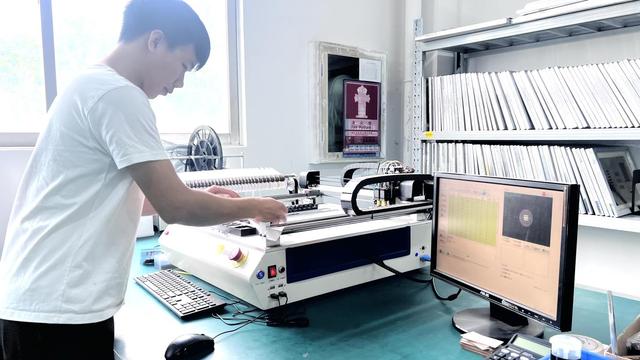
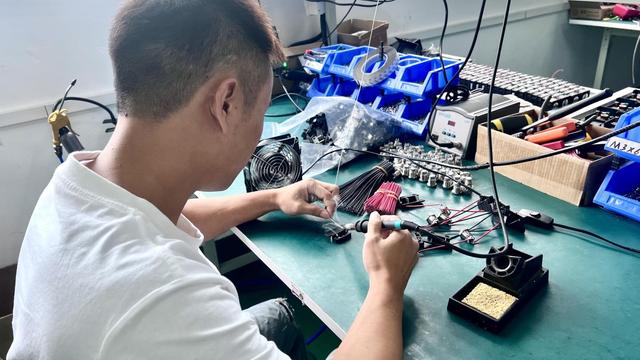
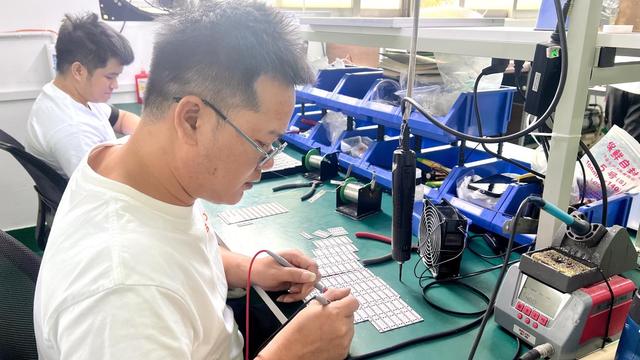
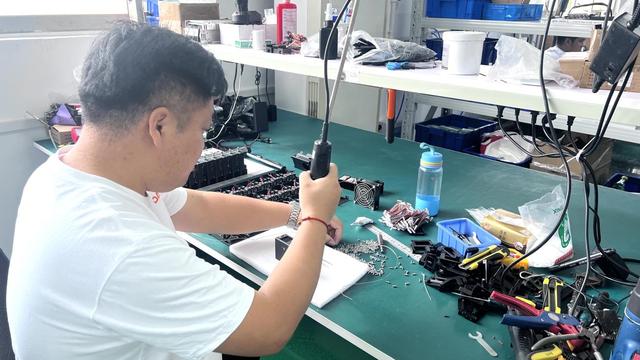
Operating out of Dongguan, China—the global manufacturing hub for electro-optical components—Dongguan LumiCure Light Co., Ltd. integrates research, chip integration, and automated assembly in-house. Our advanced ISO 9001-certified facilities utilize precision pick-and-place equipment, automated wire bonding, and automated thermal-optical profiling. This localized cluster allows us to source raw components efficiently, build custom sub-assemblies, and perform quality testing, maintaining cost competitiveness and rapid turnaround times for our clients.
For Toronto businesses, sourcing from LumiCure combines factory-direct manufacturing with structured logistics support. We address shipping requirements, customs clearance documentation, and localized transport needs. Through partnerships with global logistics providers, we ensure that specialized UV LED array setups reach Ontario factories with minimal transit times, keeping projects on schedule.
LumiCure systems are designed to comply with local Canadian electrical codes and international regulations, including:
We configure structural arrays, specialized optical lens profiles, and thermal modules to match your exact processing machinery requirements.
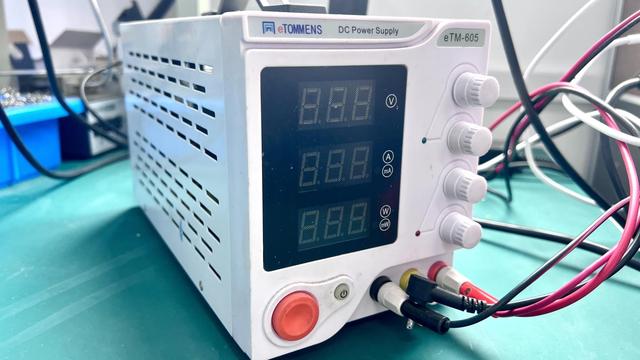
Continuous burn-in tests, spectrometer analysis, and power output monitoring ensure reliable, consistent performance.
We provide remote engineering assistance, wiring diagrams, and PLC integration guidance to help you get your systems up and running.
Key information regarding energy consumption, implementation processes, and international shipping to Toronto.
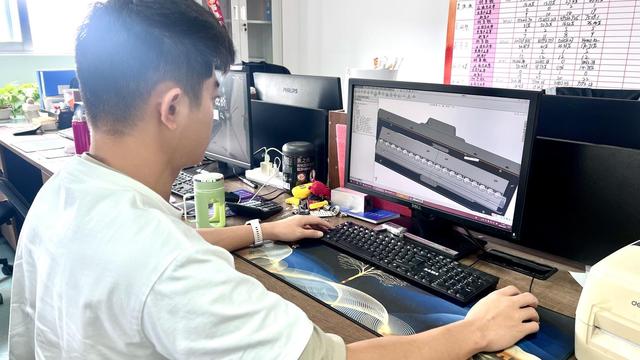
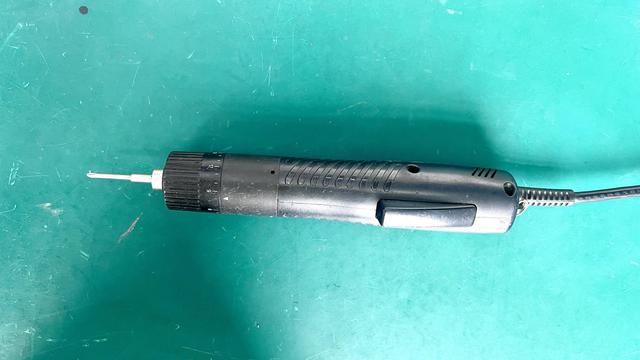
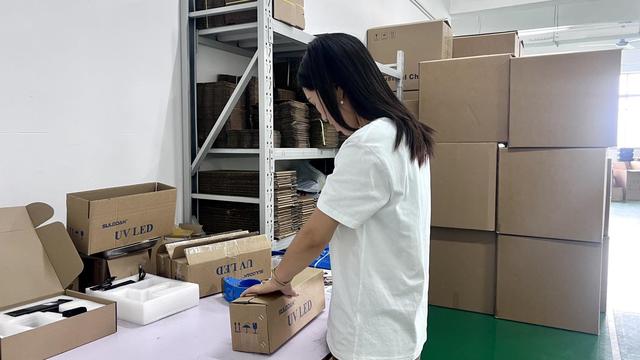
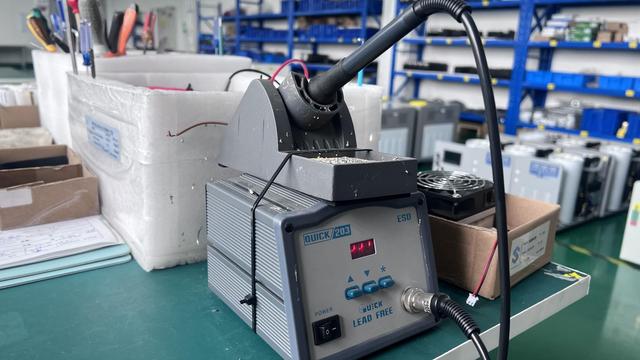
A look inside Dongguan LumiCure Light Co., Ltd. - where engineering meets reliable manufacturing.
Connect directly with our engineering team in Dongguan to discuss your process requirements, get layout drawings, or request custom quotes.
 LumiCure Light