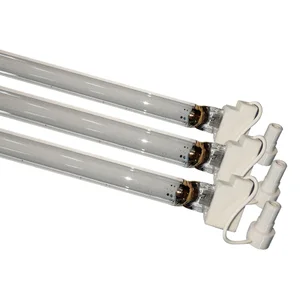
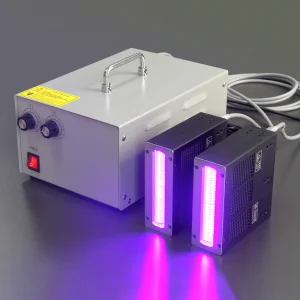
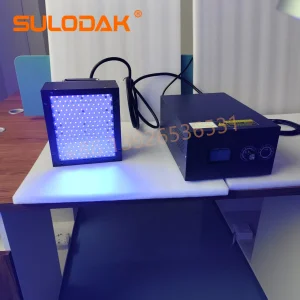
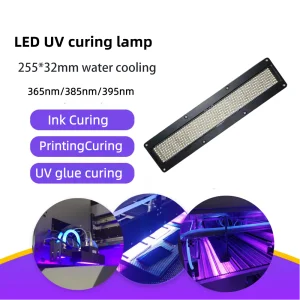
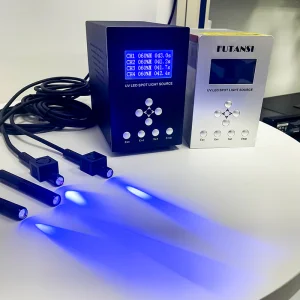
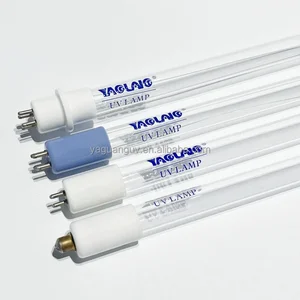
Featured high-output ultraviolet light sources engineered for rapid surface treatment and precision electronics assembly.
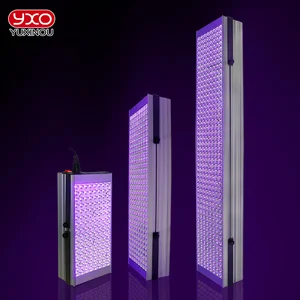
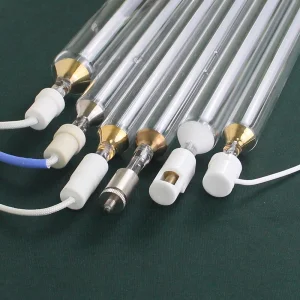
An executive analysis of Russia's transitioning manufacturing sectors and the integration of highly efficient UV LED curing processes.
The global manufacturing arena is undergoing a profound paradigm shift. Traditional medium-pressure mercury arc lamps, which have dominated industrial drying and curing processes for decades, are rapidly being decommissioned. This transition is propelled by international environmental protocols, notably the Minamata Convention on Mercury, and the urgent industrial demand for energy optimization.
UV LED surface treatment represents the pinnacle of this technological evolution. Unlike conventional gas-discharge systems, UV LED systems utilize solid-state semiconductor technology to convert electrical energy directly into narrow-band ultraviolet light (typically centered around 365nm, 385nm, 395nm, or 405nm). This yields a cold-light cure, completely eliminating thermal degradation on heat-sensitive substrates such as thin polymer films, paperboards, and specialized electronic assemblies.
For Russian industrial enterprises navigating modernization initiatives, adopting UV LED technologies presents a distinct economic advantage: immediate energy consumption reductions of up to 50–70%, the eradication of warm-up/cool-down cycles, and an operational lifespan exceeding 20,000 hours—compared to the mere 1,000–1,500 hours offered by legacy mercury bulbs.
Russia's current manufacturing ecosystem is characterized by rapid localization and import-substitution policies across high-tech domains. Industrial clusters in regions such as Moscow Oblast, Saint Petersburg, Novosibirsk, Ekaterinburg, and Tatarstan are experiencing unprecedented demand for localized assembly lines. Key sectors such as printed circuit board (PCB) fabrication, automotive electronics, domestic packaging, and wood finishing are upgrading their processing capabilities to match stringent internal standards.
This industrial transition demands processing machinery that can operate under continuous load conditions while offering extreme reliability. High-performance UV LED surface treatment systems play a critical role here. In PCB protection, for instance, conformal coatings must be cured instantly to shield circuitry against moisture, dust, and mechanical stress—essential for equipment destined for Siberia's resource extraction zones or the heavy machinery plants of the Ural Mountains.
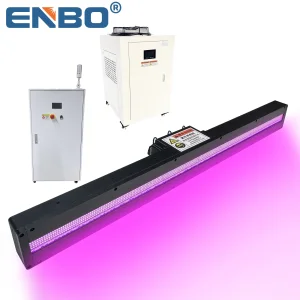
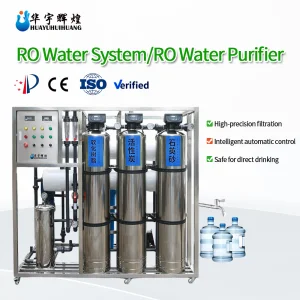
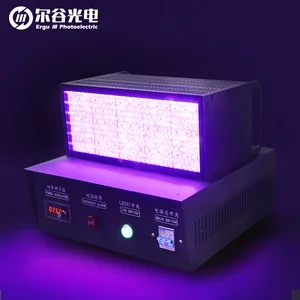
Designed for large-scale operations, municipal water treatability, and high-capacity wooden board coatings.
An analytical guide on optimizing UV LED wavelengths and cooling configurations for industrial applications.
Proper surface treatment requires exact pairing between the light source's emission wavelength and the photoinitiator chemical compounds within inks, varnishes, or resins. In modern automated manufacturing, four key wavelengths dominate:
Maintaining stable junction temperatures within the UV LED array is paramount to preventing premature diode degradation and preserving light output uniformity. Dongguan LumiCure Light Co., Ltd. designs and manufactures both thermal paradigms:
Air-Cooled Systems: Integrate high-efficiency cooling fans directly onto copper substrates with aluminum heat-sink fins. These systems are highly cost-effective, easy to install, and ideal for space-constrained production cells or standalone laboratory environments where maintenance access is straightforward.
Water-Cooled Systems: Designed for heavy-duty industrial processing. An external industrial chiller continuously circulates liquid coolant through precision-milled copper channels directly behind the LED die array. These systems provide maximum thermal stabilization, allowing for ultra-high irradiance densities (up to 20-30 W/cm²) and continuous 24/7 operation in harsh production environments.
Examining case studies and system deployments tailored for regional Russian industrial manufacturing ecosystems.
In the central electronics manufacturing belt, micro-assemblies require swift, error-free conformal coating. Quick-dry 365nm/395nm UV LED systems allow instantaneous curing of acrylic and polyurethane coatings, boosting throughput on automated surface-mount lines.
As a leading printing hub, Saint Petersburg's packaging converters utilize high-power water-cooled UV LED lamps to cure inks on high-speed label presses, keeping pace with food-safe regulatory changes and maximizing energy efficiency.
The domestic furniture and lumber finishing plants in Krasnoyarsk and Ekaterinburg use 6000W UV LED arrays to instantly cure heavy lacquers on wooden panels, replacing long gas-fired thermal ovens and reducing local carbon footprints.
Ensuring smooth procurement, regulatory alignment, and reliable hardware integration under cold climates.
Navigating importing equipment into the Eurasian Economic Union (EAEU) requires strict compliance with Technical Regulations (TR CU). All systems supplied by Dongguan LumiCure Light Co., Ltd. are designed to comply with:
This technical compatibility ensures that our curing units integrate seamlessly into existing machinery without generating electromagnetic interference that could disrupt neighboring PLCs or industrial sensors.
Shipping complex industrial equipment to Russian territories demands robust logistical planning. We offer optimized containerized shipping routes, including overland rail transport (such as Chengdu-Moscow or Shenzhen-Saint Petersburg rail lines) and maritime shipping through major port gateways.
Crucial Winter Notice for Water-Cooled Systems: When shipping to sub-zero regions during winter months, water-cooled systems are completely drained and blown dry with dry nitrogen gas to prevent latent moisture from freezing and damaging internal copper cooling micro-channels. On-site commissioning guidelines mandate the use of appropriate industrial glycol mixtures if chillers are housed in unheated utility areas.
A trusted global manufacturer and pioneer in engineering specialized ultraviolet industrial curing solutions.
Dongguan LumiCure Light Co., Ltd. is a professional China UV LED curing lamp manufacturer specializing in the research, development, production, and supply of industrial UV curing systems and customized UV LED solutions. With a strong focus on innovation, quality, and customer satisfaction, LumiCure has become a trusted partner for manufacturers worldwide seeking efficient and reliable curing technologies.
Our product range includes UV LED curing lamps, UV LED spot curing systems, flood curing lamps, conveyor UV curing machines, UV LED modules, printing curing systems, adhesive curing equipment, and customized industrial UV solutions. These products are widely applied in printing, electronics assembly, semiconductor packaging, optical bonding, automotive manufacturing, medical devices, 3D printing, and various precision industrial processes.
Backed by an experienced engineering team and advanced manufacturing facilities, LumiCure is committed to developing energy-saving and environmentally friendly UV curing technologies. Our products feature high curing efficiency, precise wavelength output, long service life, low maintenance requirements, and intelligent control capabilities, helping customers improve productivity while reducing operating costs.
Quality remains the foundation of our business. Every product undergoes rigorous testing and strict quality control procedures throughout the manufacturing process to ensure consistent performance and reliability. We also provide comprehensive OEM and ODM services, enabling customers to customize products according to their specific technical and application requirements.
Serving clients across Europe, North America, Asia, the Middle East, and other global markets, Dongguan LumiCure Light Co., Ltd. continues to deliver innovative UV LED curing solutions that support sustainable and efficient industrial manufacturing.
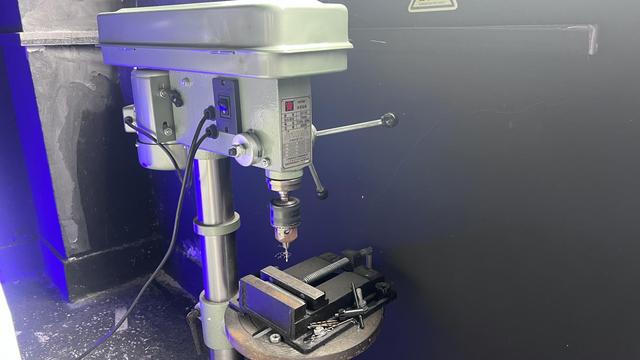
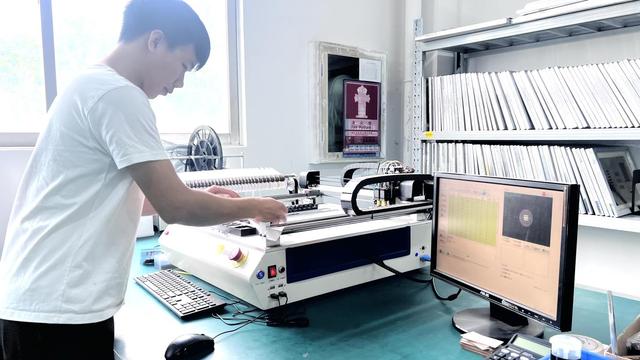
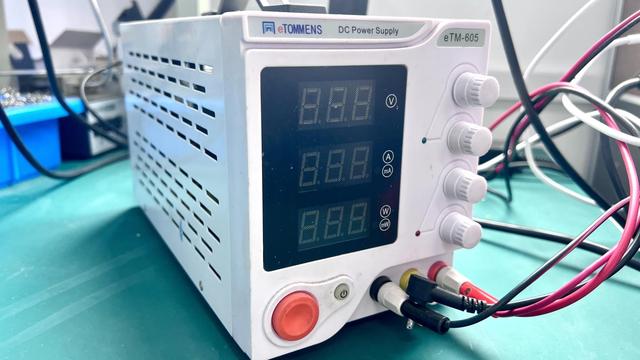
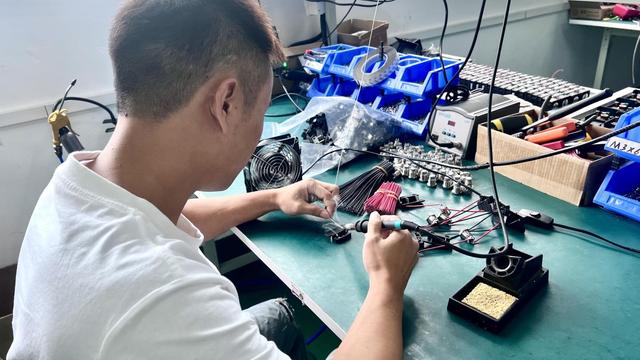
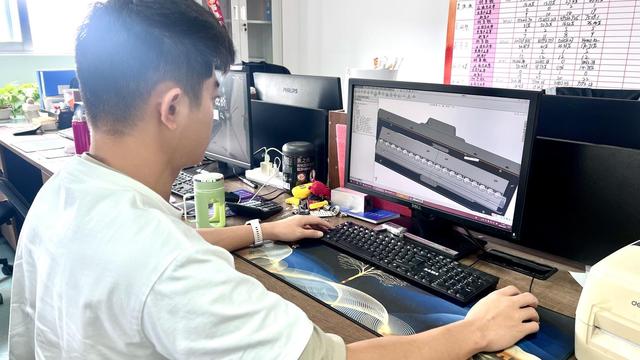
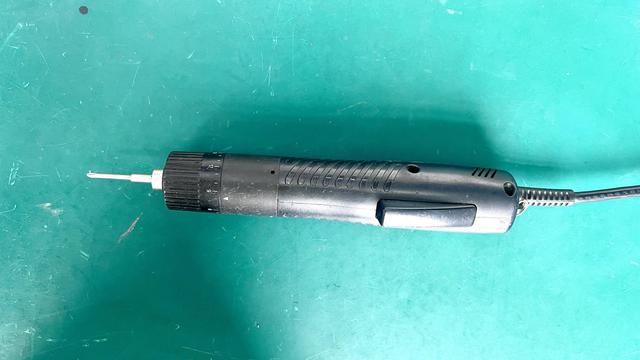
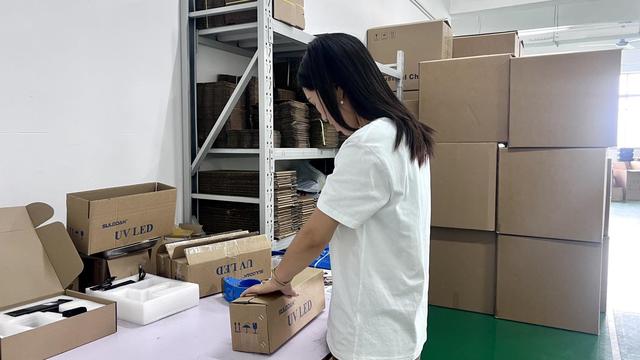
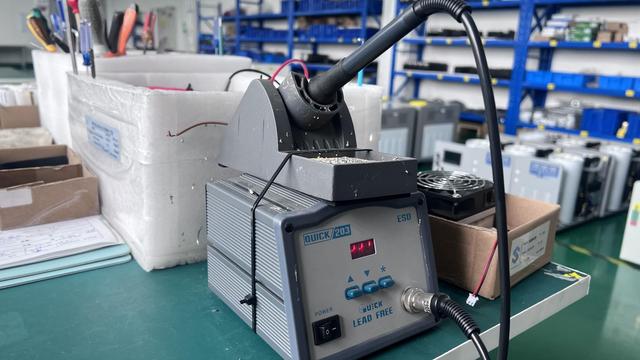
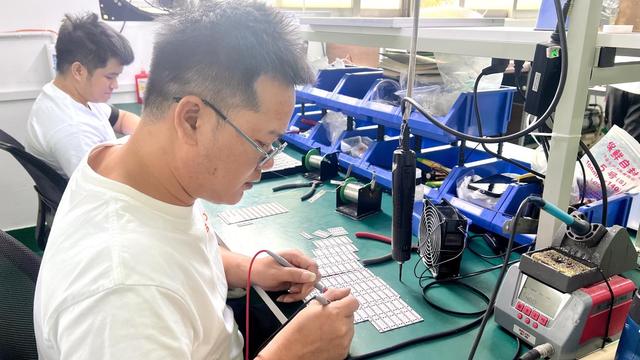
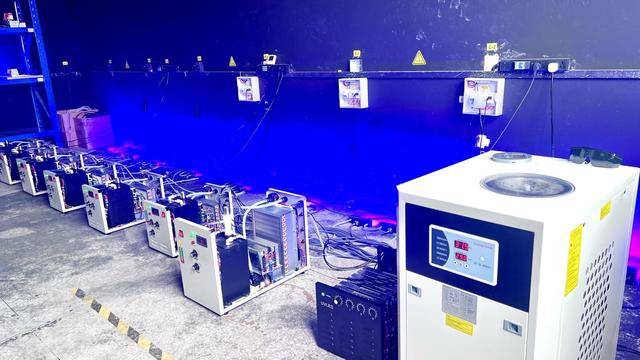
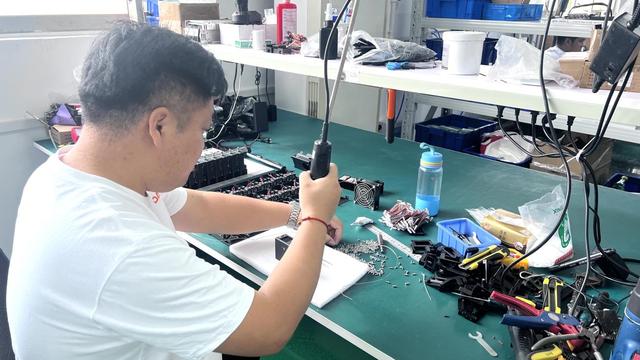
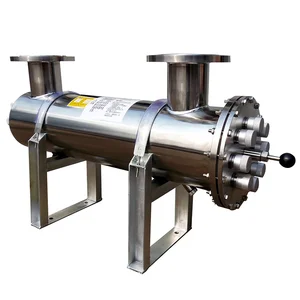
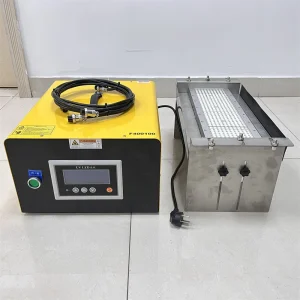
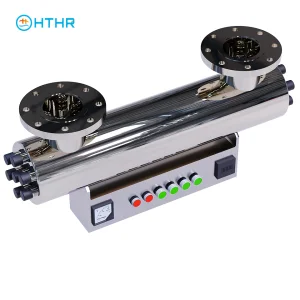
Explore our deep catalog of custom substrates, water sterilizers, spot-curing devices, and HVAC disinfection components.
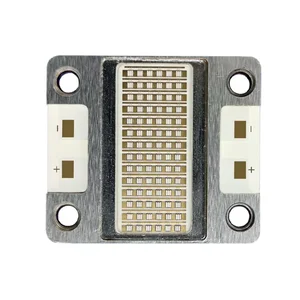
Exploring upcoming advancements in energy conversion, spectrum diversification, and remote intelligent control.
The next generation of UV LED surface treatment systems is not just about raw power; it is about precision control. Intelligent feedback loops are increasingly critical in smart manufacturing environments. Our upcoming controller architectures include integrated irradiance sensors that continuously monitor UV output at the curing plane.
By communicating via industrial Modbus or Profinet protocols directly with the plant control center, these smart units adjust power output dynamically to compensate for minor degradation over years of operation. This ensures consistent cure quality, reducing waste and maintaining high production standards.
Historically, curing and chemical disinfection have been treated as distinct operations. Our research division is developing hybrid arrays combining UV-A photo-curing wavelengths (e.g., 395nm) with germicidal UVC (e.g., 275nm) on a single copper substrate. This technology enables packaging converters to cure decorative outer coatings while simultaneously sterilizing internal product contact surfaces in a single pass—greatly simplifying line configurations and lowering capital costs.
Answers to technical, regulatory, and logistics queries from Russian engineers and procurement officers.
Whether you require a custom high-power water-cooled system, spot-curing modules for cleanroom production, or high-volume component supply, our engineering team is here to assist.
Send Inquiry Now LumiCure Light