Global Industrial Whitepaper

China Top UV LED Curing Solution Factories & Supplier

Next-Generation Solid-State UV Photo-Polymerization Systems, Custom COB Arrays, & Micro-Optics Engineering for Global High-Performance Smart Manufacturing.

98%
Energy Reduction vs. Mercury
20k+
Operational Lifespan (Hrs)
365-405
Wavelength Customization (nm)
100%
Zero Ozone Generation

Global Industrial Landscape & Commercial Realities of UV LED Curing

The global manufacturing ecosystem is undergoing an unprecedented structural transition from traditional medium-pressure gas discharge (mercury) lamps to advanced solid-state UV LED curing solutions. This transformation is driven by a convergence of strict Environmental, Social, and Governance (ESG) frameworks, global phase-outs of mercury under the Minamata Convention, and the relentless demand for higher throughput, lower thermal footprint, and reduced total cost of ownership (TCO).

Historically, UV curing relied on broad-spectrum mercury arcs. However, these traditional systems presented major disadvantages: massive power consumption, high greenhouse gas emissions, excessive heat generation that damaged sensitive thin substrates, and the hazardous production of ozone gas requiring ventilation systems. Modern UV LED curing systems emit narrow, highly concentrated bands of spectral energy (typically centered at 365nm, 385nm, 395nm, or 405nm), directing up to 90% of electrical energy into the targeted photopolymerization band rather than generating useless infrared heat.

SEO Insight & Information Gain: When calculating energy efficiency in high-speed manufacturing environments, UV LED systems reduce power requirements by 50% to 85% compared to mercury systems. This directly translates to thousands of megawatt-hours saved annually, lower factory operating costs, and carbon offset compliance.

Macro-Economic & Regional Markets

The primary markets for high-intensity UV LED systems span across North America, the European Union, and the Asia-Pacific region. North America and Europe lead in applying UV curing to high-speed digital packaging, automotive clear coats, and complex medical device assemblies under strict regulatory guidelines (such as RoHS and REACH). Meanwhile, the Asia-Pacific region, led by China's advanced electronic manufacturing centers, drives massive volume demand for precision UV LED spot-curing systems, COB (Chip-on-Board) arrays for semiconductor packaging, and large-format water-cooled modules for high-speed industrial printing.
Technology Roadmap

Emerging Trends & Technology Routes

How chip-on-board architecture, custom optics, and smart IoT control systems are shaping the future of ultraviolet curing.

High-Density COB Arrays

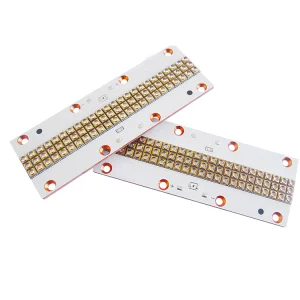
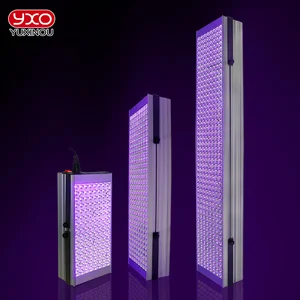
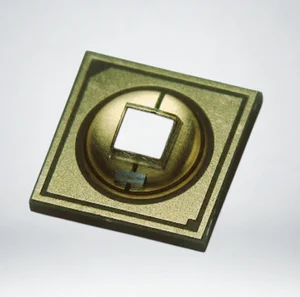
Integrating micro-die packaging directly onto metal-core PCBs (MCPCB). This reduces thermal resistance and allows peak irradiance values to exceed 24 W/cm² at the substrate level.

Multi-Wavelength Hybrid Output

Combining 365nm, 385nm, 395nm, and 405nm dies into a single hybrid array. This setup solves oxygen inhibition issues on the surface while ensuring deep polymer cure.

Intelligent IoT Monitoring

Embedded thermal sensors, optical feedback loops, and PLC-controlled networks monitor degradation in real-time, preventing failures in continuous 24/7 manufacturing operations.

Evolutionary Technology Roadmap (2025–2030)

The industry's engineering direction is moving toward greater power density, smart feedback loops, and optimized thermal management. In response to these demands, we have developed a structured roadmap for next-generation optoelectronic curing:

Phase 1: High Peak Irradiance & Optics Optimization
Micro-Lens Array (MLA) Integration

Utilizing high-precision quartz micro-lenses to collimate light, reducing divergence angles. This increases effective working distances up to 100mm while maintaining high irradiance levels, making it ideal for 3D structures and deep cavities.

Phase 2: Hybrid Spectral Engineering
Dual & Quad Wavelength Co-Emissive Systems

Developing customizable diode patterns that emit multiple wavelengths on a single module. Short wavelengths (365nm) cure the surface layer to prevent oxygen inhibition, while longer wavelengths (395nm/405nm) penetrate deeply into thick coatings and highly pigmented inks.

Phase 3: Thermal Management & Smart Controls
Advanced Water-Cooled Multi-Channel Micro-Channel Coolers (MCC)

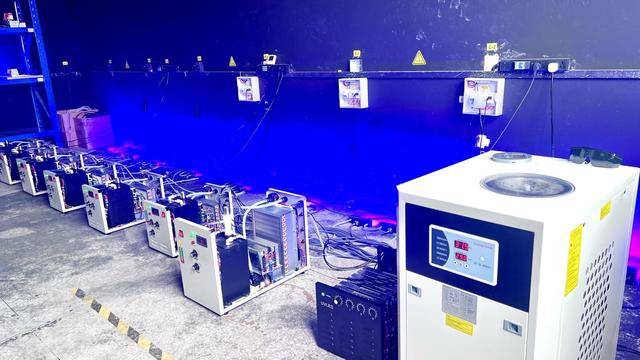
To extend diode lifespans past 25,000 hours, we design custom water-cooling systems. These systems use internal copper micro-channels to maintain junction temperatures below 60°C, preventing thermal wavelength drift and intensity drop.

Industrial Applications

Macro Industry Solutions & Localized Scenarios

Customized UV curing configurations tailored to specific production challenges across high-growth global industries.

Electronics Assembly & Semiconductor Packaging

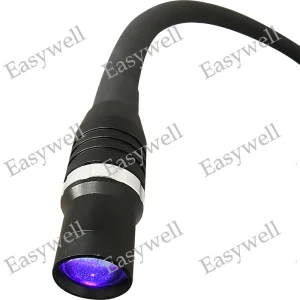
In high-density PCB manufacturing, UV-curable solder masks, conformal coatings, and underfills require fast, low-temperature curing to protect heat-sensitive components. Our 365nm spot UV sources and uniform linear modules deliver localized energy exactly where needed, keeping heat damage at zero.

  • Critical Application: Underfill curing for ball grid arrays (BGA) and chip-scale packaging (CSP).
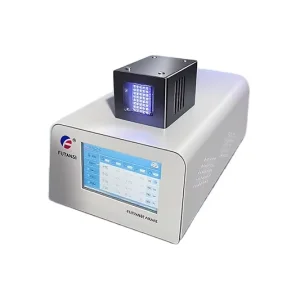
  • Our Solution: Focused COB modules (100W–300W) with adjustable intensity profiles.

High-Speed Packaging & Industrial Printing

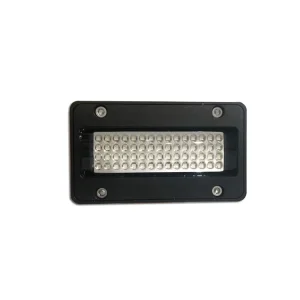
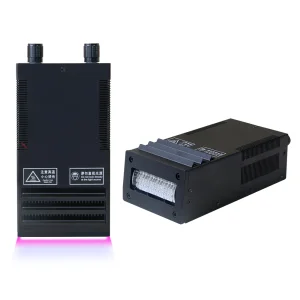
Flexographic, offset, and digital inkjet printers run at speeds up to 300 meters per minute. Curing inks and varnishes at these speeds requires high-output UV lamps. Our water-cooled linear arrays deliver up to 20 W/cm² of continuous UV light, curing inks instantly without wrinkling or shrinking the substrate.

  • Critical Application: Narrow-web flexo label presses and wide-format flatbed printers.
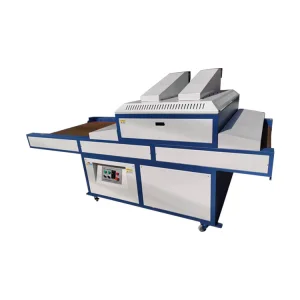
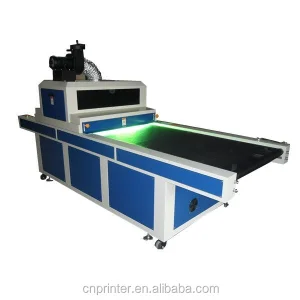
  • Our Solution: Semi-Automatic UV LED Dryer Curing Tunnels and high-power water-cooled line systems.

Automotive Assemblies & Precision Optical Bonding

Bonding touchscreens, lens assemblies, and automotive sensors requires high alignment precision and minimal shrinkage. Our systems provide uniform 365nm outputs that cure adhesives without causing internal stresses or optical distortion.

  • Critical Application: Headlamp assembly sealing, ADAS sensor casing bonding, and display lamination.
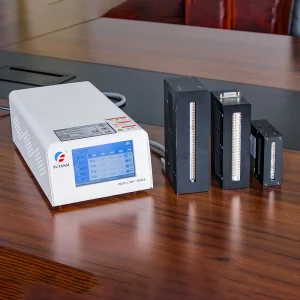
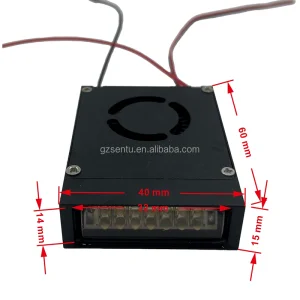
  • Our Solution: Precision multi-channel spot UV controllers and air-cooled flood units.

Medical Device Assembly & Advanced Bio-Curing

From needle-to-hub assembly to catheter bonding, medical devices must meet strict ISO-13485 standards. Our UV LED curing equipment provides traceable, consistent curing runs. They feature integrated PLC feedback to monitor UV output, ensuring every bond meets safety requirements.

  • Critical Application: Multi-lumen catheter bonding and syringe needle assembly.
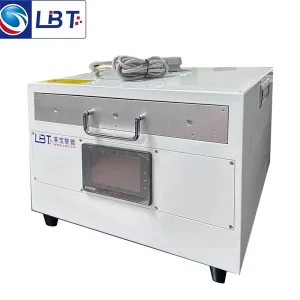
  • Our Solution: CE-certified, precision-calibrated UV spot and flood curing ovens.
About The Industry Leader

Dongguan LumiCure Light Co., Ltd.

A premier Chinese manufacturer supplying high-performance UV LED systems and customized optoelectronic solutions globally.

Dongguan LumiCure Light Co., Ltd. is a professional China UV LED curing lamp manufacturer specializing in the research, development, production, and supply of industrial UV curing systems and customized UV LED solutions. With a strong focus on innovation, quality, and customer satisfaction, LumiCure has become a trusted partner for manufacturers worldwide seeking efficient and reliable curing technologies.

Our product range includes UV LED curing lamps, UV LED spot curing systems, flood curing lamps, conveyor UV curing machines, UV LED modules, printing curing systems, adhesive curing equipment, and customized industrial UV solutions. These products are widely applied in printing, electronics assembly, semiconductor packaging, optical bonding, automotive manufacturing, medical devices, 3D printing, and various precision industrial processes.

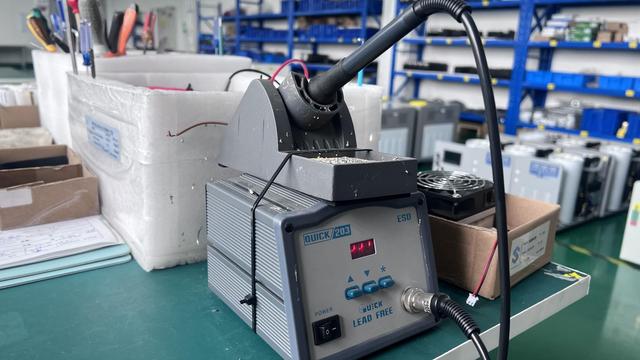
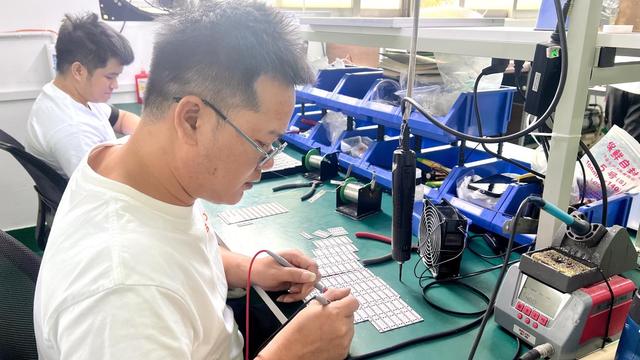
Backed by an experienced engineering team and advanced manufacturing facilities, LumiCure is committed to developing energy-saving and environmentally friendly UV curing technologies. Our products feature high curing efficiency, precise wavelength output, long service life, low maintenance requirements, and intelligent control capabilities, helping customers improve productivity while reducing operating costs.

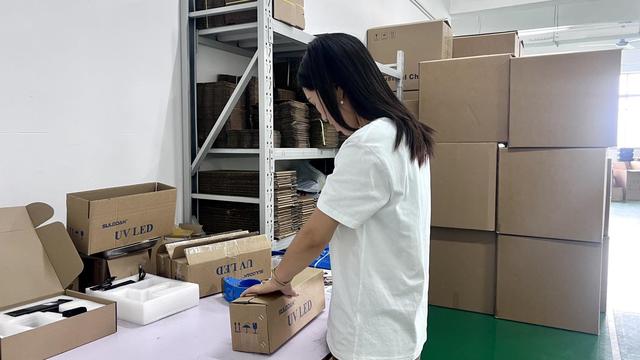
Quality remains the foundation of our business. Every product undergoes rigorous testing and strict quality control procedures throughout the manufacturing process to ensure consistent performance and reliability. We also provide comprehensive OEM and ODM services, enabling customers to customize products according to their specific technical and application requirements.

Serving clients across Europe, North America, Asia, the Middle East, and other global markets, Dongguan LumiCure Light Co., Ltd. continues to deliver innovative UV LED curing solutions that support sustainable and efficient industrial manufacturing.

Deep Q&A

Expert Engineering FAQ

Technical details, installation guidelines, and system integration strategies for design engineers.

How do I select the optimal wavelength (365nm, 385nm, 395nm, or 405nm) for my application?

Selecting the right wavelength depends on your photoinitiator chemistry and target curing depth. 365nm light has high photon energy and works best for curing surface layers, clear coatings, and thin adhesives. 385nm and 395nm deliver deep penetration, making them ideal for highly filled adhesives, thick resin layers, and pigmented inks. 405nm is mainly used for deep curing of thick, highly pigmented polymers and in consumer-grade 3D printing.

What is the difference between peak irradiance and energy density (dose)?

Peak Irradiance (W/cm²) is the maximum light power reaching the surface. It is critical for initiating the photopolymerization reaction and overcoming oxygen inhibition. Energy Density (J/cm²) is the total amount of light energy delivered over time (Irradiance × Time). Both parameters must be met to ensure a complete, deep cure.

Why is water cooling preferred over air cooling for high-power UV LED systems?

High-output UV LEDs convert roughly 70–80% of their electrical power into heat rather than light. If this heat isn't removed, the LED junction temperature rises, causing a drop in UV intensity, wavelength drift, and shorter diode lifespan. Water cooling removes heat much more efficiently than air cooling, maintaining stable outputs and ensuring consistent cure performance in continuous industrial lines.

How does UV LED technology help reduce carbon footprints in manufacturing?

Unlike mercury arc lamps, UV LED systems run on instant-on/off cycles with no warm-up or cool-down periods. This significantly reduces idle power draw. They also generate no ozone, eliminating the need for high-power exhaust blowers and HVAC integration. Together, these improvements lower factory electricity use and operational carbon emissions.