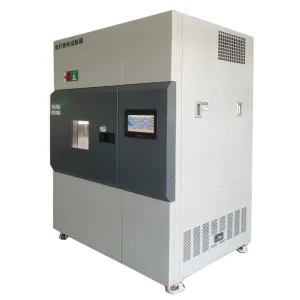
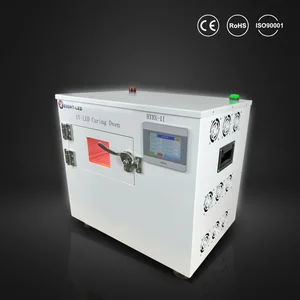
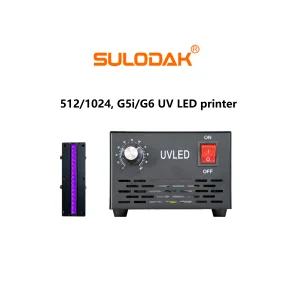
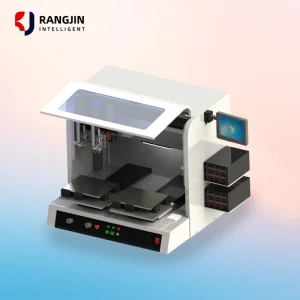
Explore our state-of-the-art intelligent simulation Chambers, UV curing ovens, and targeted electronic adhesive curing systems engineered for production efficiency.
The global manufacturing landscape is undergoing a tectonic shift from traditional mercury vapor systems to solid-state UV LED technology. Industry giants across automotive, advanced packaging, semiconductor wafer manufacturing, and medical device fabrication are aggressively integrating intelligent UV LED curing modules into their high-speed assembly lines.
This transition is driven by two main imperatives: environmental decarbonization (ESG compliance) and the pursuit of micro-precise thermal management. Mercury arc lamps emit massive heat and generate ozone, which degrades sensitive substrates. UV LED units generate minimal heat, emit narrow-band wavelengths (365nm, 385nm, 395nm, 405nm), and offer an instantaneous on/off capability. This minimizes down-time and dramatically extends the operational lifespan up to 20,000+ hours.
“By transitioning from gas-discharge mercury curing lamps to solid-state smart UV LED engines, manufacturing lines achieve a reduction of up to 80% in energy consumption alongside a significant increase in process yield.”
At Dongguan LumiCure Light Co., Ltd., we sit at the intersection of optoelectronics and AI-driven control technology. Our enterprise is structured to fulfill bulk high-performance industrial supply chains while offering the design flexibility required for niche, ultra-precision applications such as semiconductor wafer debonding and optoelectronic optical bonding.
Decentralized engineering teams require high performance consistency, modular integration capabilities, and robust supply chains when sourcing UV LED equipment.
Modern production standards demand digital integration. Curing systems must offer real-time power modulation, closed-loop telemetry feedback, and historic logging to ensure conformity in safety-critical parts.
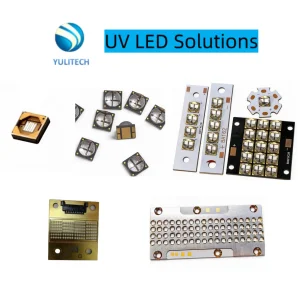
UV formulations vary. Photoinitiators require targeted spectral matching. We offer tailor-made combination arrays utilizing multiple nanometer wavelengths on a single chip-on-board (COB) substrate.
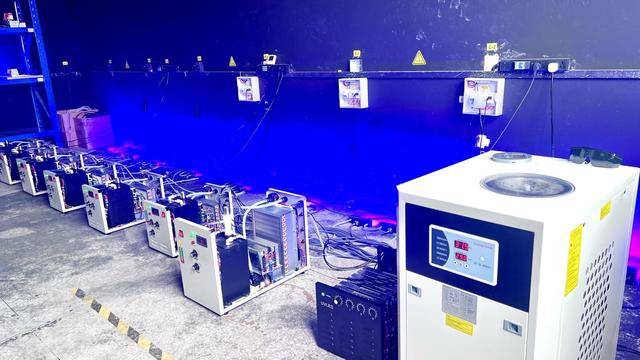
Elevated junction temperatures accelerate light decay. Our cooling solutions involve micro-channel liquid coolers or copper-vapor heat pipes, guaranteeing stable output in intensive production runs.
LumiCure designs custom engineered integration setups tailored to the performance demands of global industrial verticals.
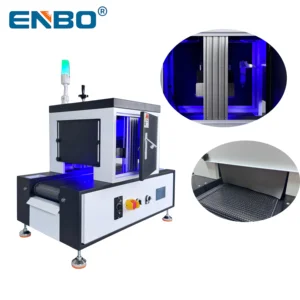
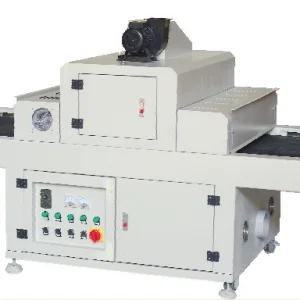
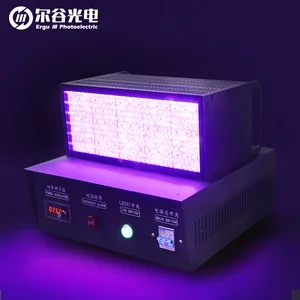
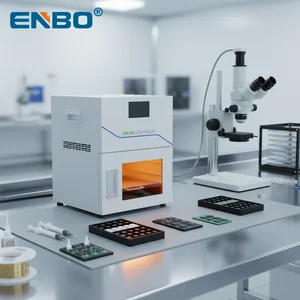
For back-end-of-line packaging processes, our 365nm LED UV Curing Ovens provide uniform light distribution and temperature control. This is critical for debonding temporary adhesives from thin wafers without introducing mechanical stress.
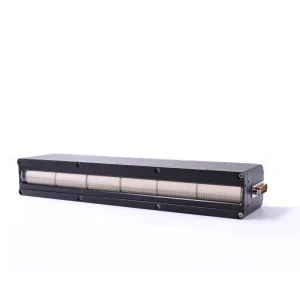
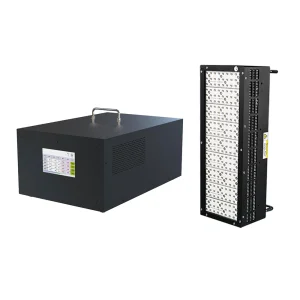
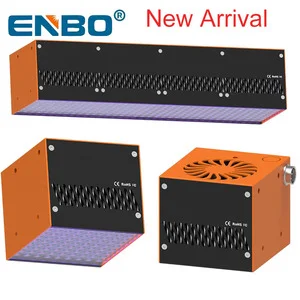
Precision electronic assemblies require immediate shadowless bonding. Our Linear UV LED Curing Systems offer focused, linear light patterns that lock optical lenses in place without thermal expansion discrepancies.
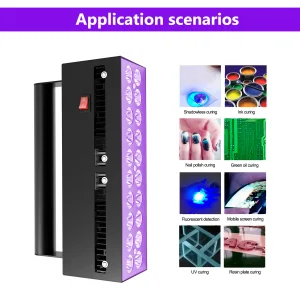
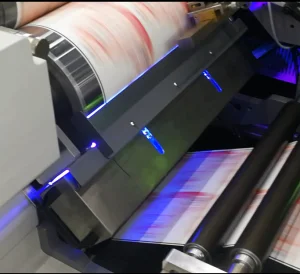
Our high-power, water-cooled Flexographic and Offset UV Dryers cure inks instantly on web presses operating up to 300 m/min, preventing smudging and enabling immediate post-press handling.
How LumiCure is driving the transition towards intelligent, adaptive curing processes over the next decade.
Our upcoming systems feature integrated optical feedback sensors within the COB module. These sensors continually measure real-time irradiance output and automatically adjust input current to compensate for LED degradation over time, guaranteeing a consistent energy dose.
By arranging 365nm, 385nm, 395nm, and 405nm dies in mathematically calculated clusters, we facilitate deeper curing on thick coatings while ensuring high-quality scratch resistance at the surface layer.
Adding Modbus, EtherCAT, and IP communication interfaces directly to our power supplies. This lets global operators control, monitor, and troubleshoot systems from centralized operational control hubs.
Sourcing industrial systems from China requires clear communication regarding certification, safety compliance, and after-sales support. At Dongguan LumiCure Light Co., Ltd., we simplify international procurement through dedicated engineering documentation and global technical support.
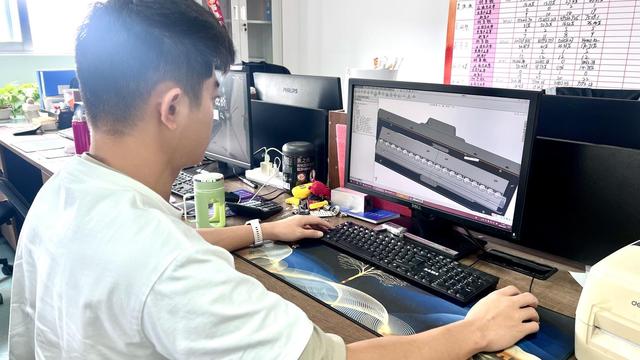
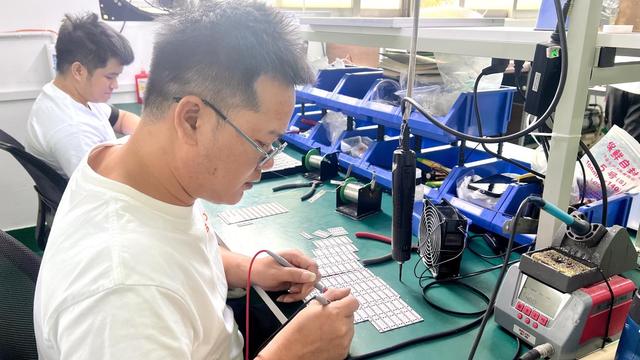
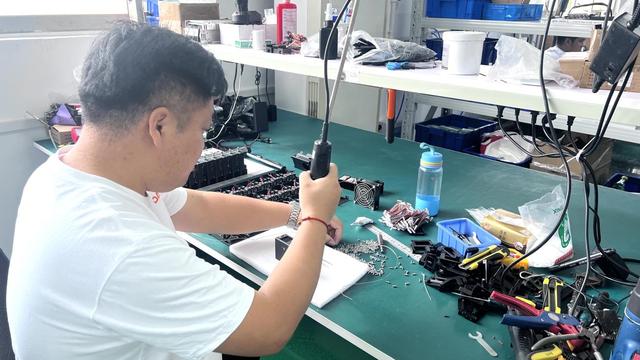
All systems undergo strict internal quality control and carry CE, RoHS, and FCC certifications, ensuring compatibility with factory regulations in Western Europe and North America. Our engineering teams work alongside customers' integration departments to provide custom mechanical step-files, electronic interfaces, and thermal simulation data prior to manufacture. This reduces engineering design cycle times and simplifies installation.
A professional Chinese UV LED curing lamp manufacturer specializing in the research, development, and supply of industrial UV curing systems.
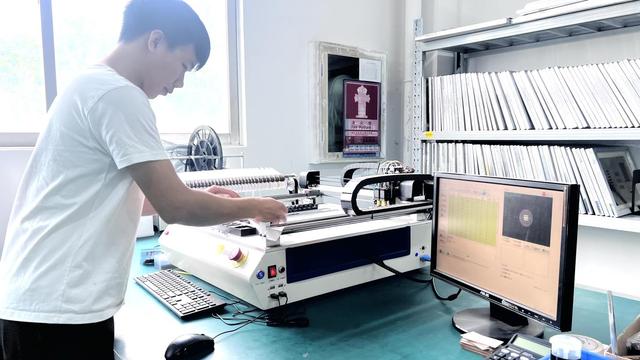
Backed by an experienced engineering team and advanced manufacturing facilities, LumiCure is committed to developing energy-saving, environmentally friendly UV curing technologies. Our product line features high curing efficiency, precise wavelength output, long service life, low maintenance requirements, and intelligent control capabilities—helping customers improve productivity while reducing operating costs.
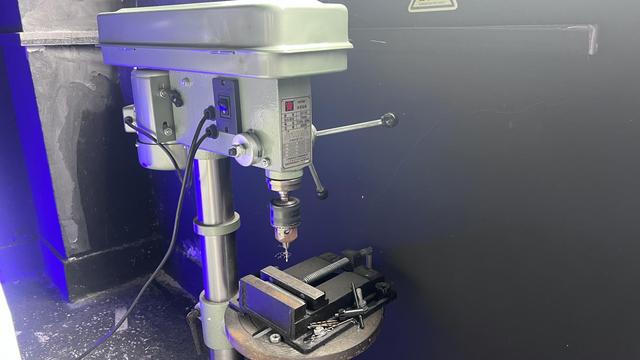
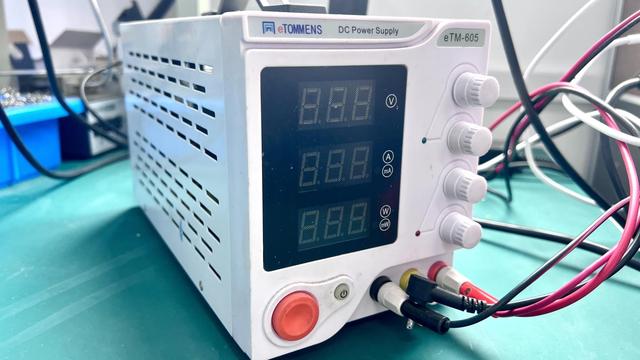
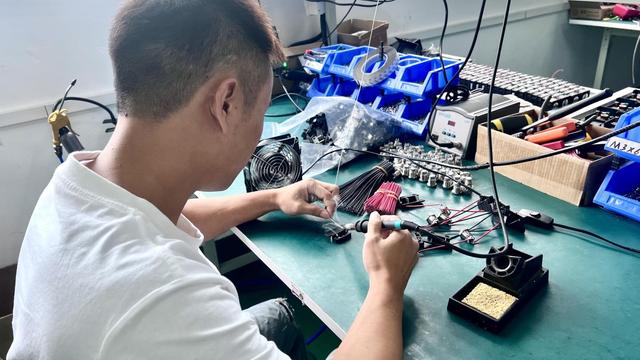
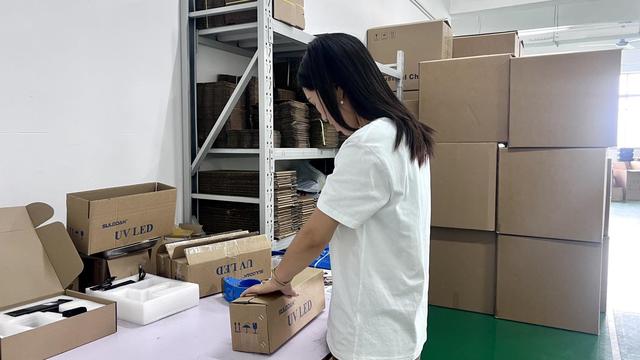
Every product undergoes rigorous testing and strict quality control procedures throughout the manufacturing process to ensure consistent performance and reliability. We provide comprehensive OEM and ODM services, enabling customers to customize products according to their specific technical and application requirements.
Answers to critical questions regarding system integration, wavelength selection, heat management, and customization.
Explore our line of high-power dental lab UV lamps, low-temperature silk-screen dryers, and industrial flexographic printing curing systems.
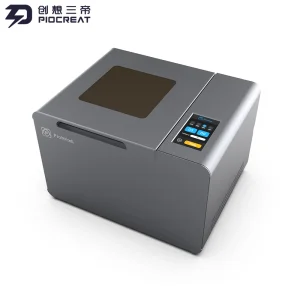
 LumiCure Light