Global Tier-1 designer and manufacturer of high-reliability, customized solid-state photopolymerization equipment.
Dongguan LumiCure Light Co., Ltd. is a high-technology enterprise specializing in the design, development, high-volume production, and supply of energy-efficient industrial UV LED curing systems. Driven by advanced optical engineering and material science, LumiCure supplies state-of-the-art solutions to customers in Europe, North America, Southeast Asia, and the Middle East.
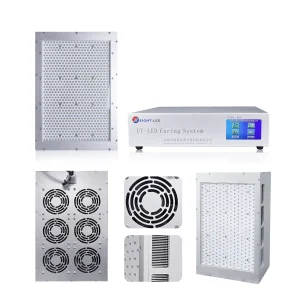
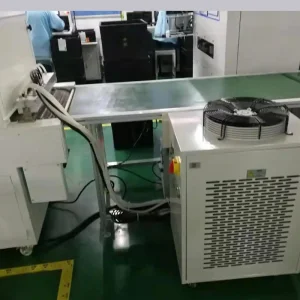
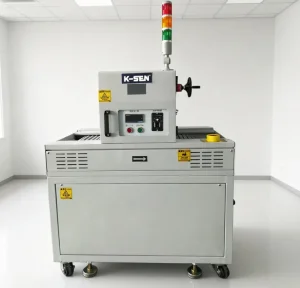
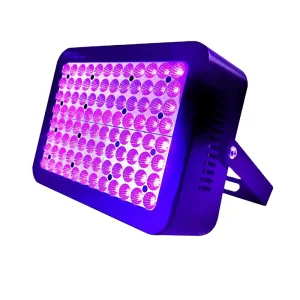
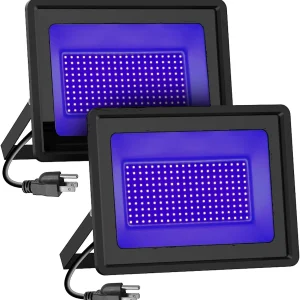
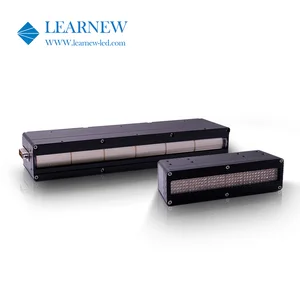
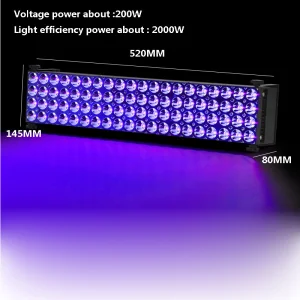
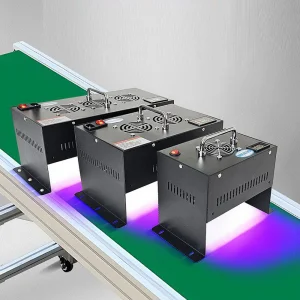
Our solutions span UV LED spot, area, and flood curing systems, custom conveyor-integrated curing tunnels, water-cooled high-optical-intensity arrays, and custom OEM light engines. Designed to replace legacy mercury arc lamps, LumiCure systems deliver uniform optical distribution, high peak irradiance, and exceptional durability, helping global factories lower operational costs and achieve carbon-neutral goals.
The global transition from medium-pressure mercury arc bulbs to solid-state UV LED technologies is accelerating, driven by productivity demands and environmental laws.
Under the UN's Minamata Convention on Mercury, nations are phasing out mercury-vapor lamps in manufacturing. Concurrently, regional directives like RoHS and REACH restrict toxic materials, making energy-efficient, ozone-free UV LED technologies the compliant choice for modern factories.
Traditional UV bulbs require continuous idling to maintain temperatures, losing over 70% of energy to heat. In contrast, UV LED systems feature instant-on capabilities and match the photoinitiator's absorption curve directly, reducing energy consumption by up to 60-80%.
Mercury lamps emit high-temperature infrared (IR) wavelengths, which can warp or damage heat-sensitive substrates like thin films, plastics, and electronic components. Narrowband UV LEDs (e.g., 365nm or 395nm) emit cool UV light, protecting delicate materials during curing.
| Evaluation Parameter | Legacy Mercury Vapor Systems | LumiCure Industrial UV LED Platforms | Industrial Value Impact |
|---|---|---|---|
| Spectral Output | Broadband (200nm - 450nm + IR) | Monochromatic (e.g., 395nm ± 5nm) | Reduces substrate thermal stress; eliminates IR curing defects. |
| Operating Life (Typical) | 1,000 - 2,000 Hours | > 20,000 - 30,000 Hours | Minimizes line downtime; lowers replacement costs. |
| Energy Consumption | High (Requires continuous warm-up) | Low (Instantaneous microsecond ON/OFF) | Reduces electrical footprint by up to 75%. |
| Cooling Mechanism | Heavy-duty exhaust ducting & blowers | Compact liquid cooling or heat pipe systems | Lowers plant noise; saves footprint space. |
| Environmental Safety | Contains Mercury; generates Ozone ($O_3$) | Mercury-free; no Ozone emission | Ensures green compliance with zero exhaust scrubbing. |
How optical uniformity, peak irradiance, and thermal management define the performance of industrial photopolymerization.
Photopolymerization depends on delivering sufficient photon flux to activate photoinitiators deep within a formulation. LumiCure's optical systems use custom-engineered micro-lenses to shape and direct output. This reduces light scatter, concentrating energy to deliver peak irradiance values exceeding 12W/cm² to 16W/cm² at standard working distances.
Different materials require specific curing wavelengths. LumiCure integrates multiple chips within single arrays (e.g., mixing 365nm and 395nm or 405nm). 365nm targets surface cure by matching absorption peaks, while 395nm and 405nm wavelengths penetrate deeper, ensuring solid adhesion and curing of thick, highly pigmented coatings.
LED output decays and shifts in wavelength if junction temperatures exceed critical thresholds. LumiCure uses copper-core Metal Core PCBs (MCPCBs) paired with micro-channel liquid cooling. This thermal design maintains junction temperatures below 65°C, ensuring stable optical output and extending module lifetime.
High-performance curing platforms configured for specific assembly, coating, and printing applications.
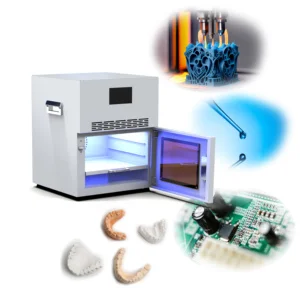
In touchscreens, camera modules, and PCB manufacturing, thermal stress can cause delamination and misalignment. LumiCure's high-power 365nm spot and area systems cure shadowless structural UV glues, sealants, and optical adhesives in seconds. This ensures clean, low-stress curing without damaging delicate sensors or OLED panels.
Additive manufacturing platforms require precise optical control to print parts accurately. Our 385nm, 395nm, and 405nm light engines integrate directly with SLA, DLP, and PJ 3D printers, providing uniform light distribution that minimizes curing variations across the build platform.
High-speed printing lines require rapid, reliable ink curing. LumiCure's air-cooled and water-cooled UV LED modules mount to label, offset, and flexographic presses. Delivering high irradiance, they cure inks, varnishes, and coatings at line speeds of up to 300 meters per minute.
LumiCure’s vision for the next generation of photopolymerization platforms.
We are integrating real-time optical radiometers and thermal sensors directly into our LED modules. This allows our systems to automatically adjust driver output to compensate for environmental changes, providing consistent UV exposure for automated assembly lines.
Advancements in AlGaN semiconductor substrates are increasing the efficiency of deep-UV LEDs. LumiCure is developing industrial-grade UVC curing systems (220nm - 280nm) designed for advanced surface disinfection and curing specialty industrial coatings.
Our long-term R&D focuses on pairing our narrow-band UV LED systems with bio-based, plant-derived photo-resins and monomers. This combined approach will help manufacturers reduce carbon emissions and minimize their environmental footprint.
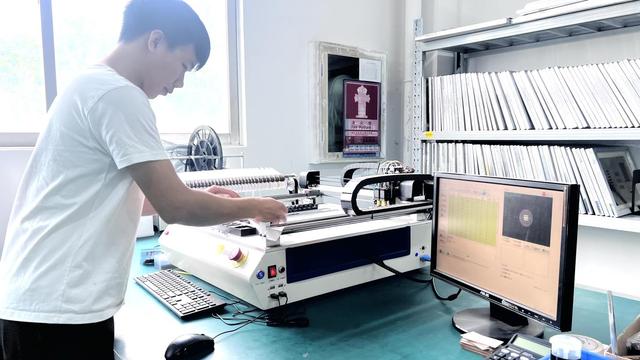
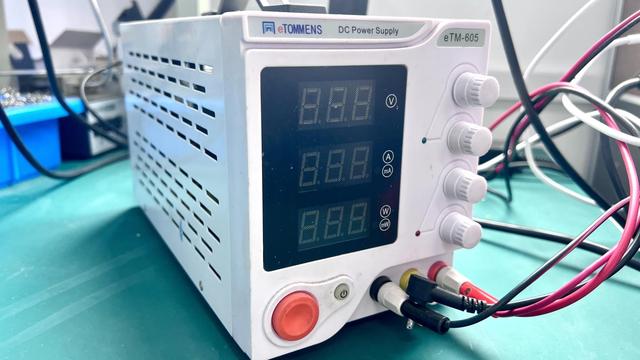
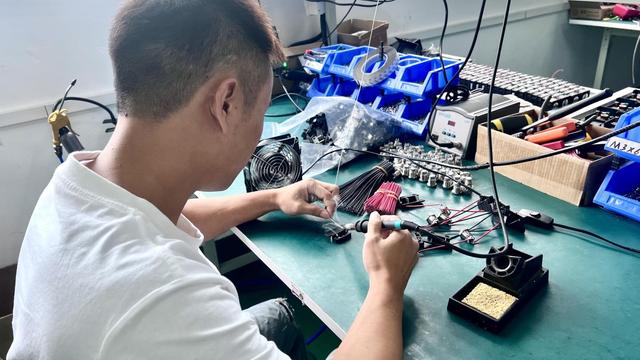
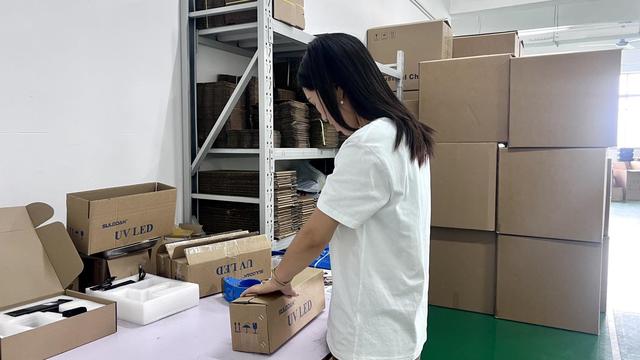
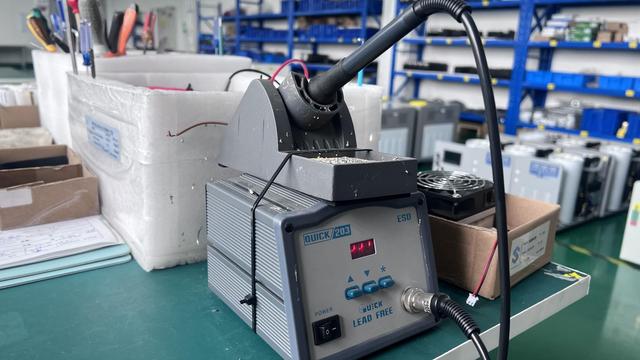
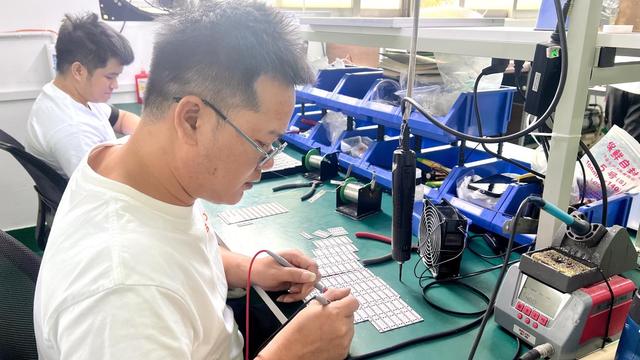
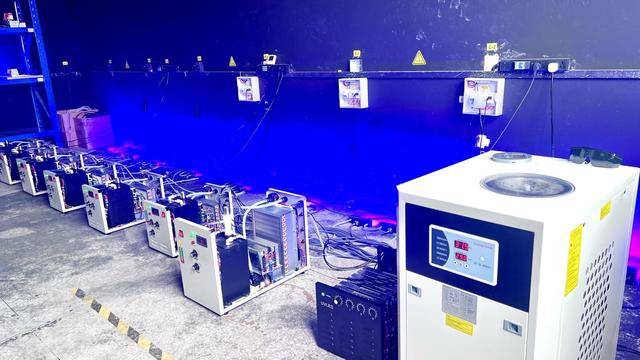
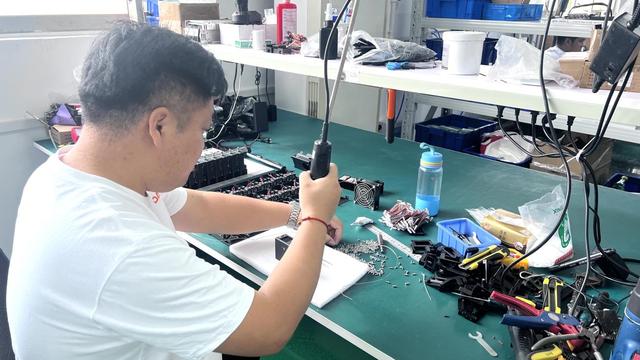
Every curing system undergoes extensive optical calibration and reliability testing at our production facility in Dongguan.
Common technical questions regarding UV LED photopolymerization and system configuration.
 LumiCure Light