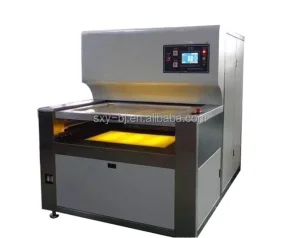
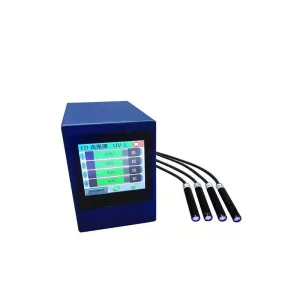
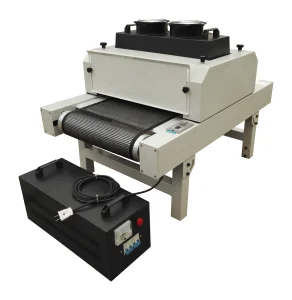
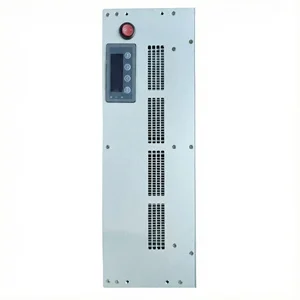
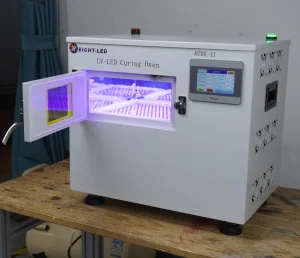
Explore our foundational range of customized photopolymer curing, optoelectronic exposure, and process-filtration machinery engineered for high-throughput lines.
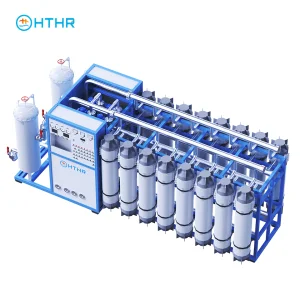
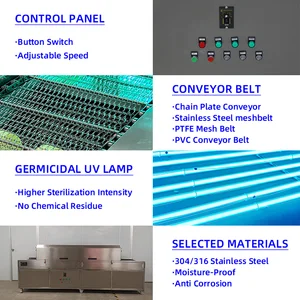
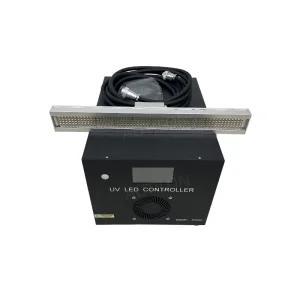
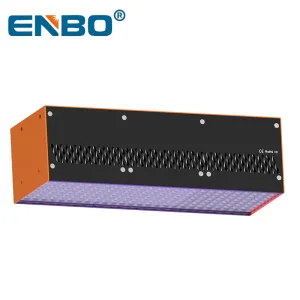
Dongguan LumiCure Light Co., Ltd. is a professional China UV LED curing lamp manufacturer specializing in the research, development, production, and supply of industrial UV curing systems and customized UV LED solutions. With a strong focus on innovation, quality, and customer satisfaction, LumiCure has become a trusted partner for manufacturers worldwide seeking efficient and reliable curing technologies.
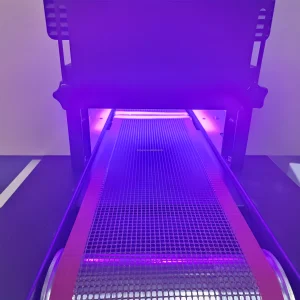
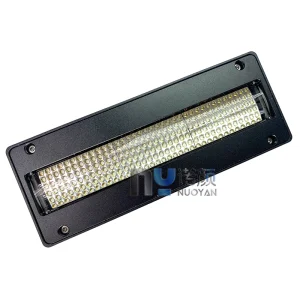
Our comprehensive portfolio spans advanced UV LED curing lamps, spot and flood curing units, continuous conveyor systems, high-density UV LED modules, and specialized optical-bonding components. From precise semiconductor micro-packaging to large-format offset printing, our systems deliver unprecedented control, thermal stability, and energy conservation.
Backed by an experienced engineering team and advanced manufacturing facilities, LumiCure is committed to developing energy-saving and environmentally friendly UV curing technologies. Our products feature high curing efficiency, precise wavelength output, long service life, low maintenance requirements, and intelligent PLC control capabilities, helping customers improve productivity while reducing operating costs.
Driving the transition from legacy gas-discharge mercury vapor lamps to ultra-narrow band solid-state UV LED technology across global supply chains.
By focusing peak optical energy strictly at target absorption frequencies (e.g., 365nm, 385nm, 395nm), systems minimize thermal radiation while maximizing photopolymerization crosslinking speed.
Zero mercury (Hg) content eliminates toxic waste handling and regulatory overhead, while the complete absence of ozone creation eliminates expensive exhaust duct ventilation architectures.
Unlike mercury lamps requiring lengthy warm-up cycles, LumiCure UV LED engines ignite instantly, integrating directly into PLC systems to trigger only when parts are in the curing zone.
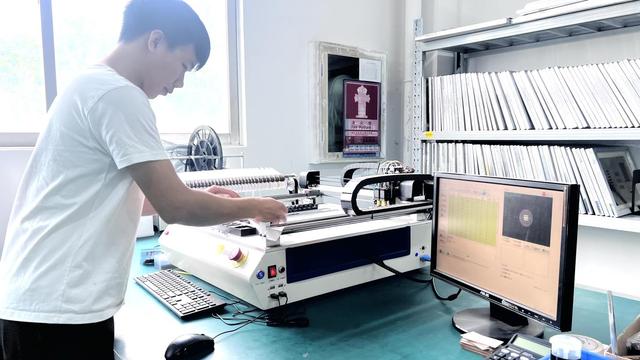
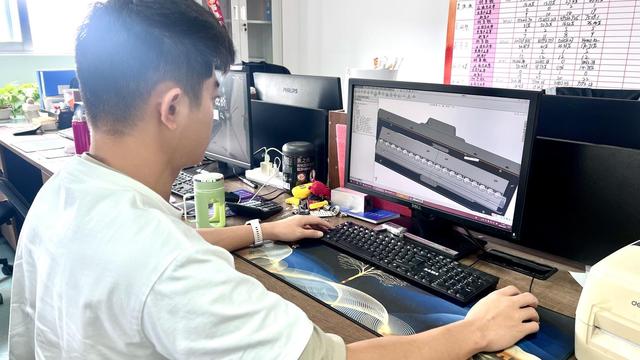
Our mechanical and optical designers leverage ray-tracing software to construct custom matrix micro-arrays, providing optimized energy delivery and uniform irradiance distribution. Understanding the chemical profiles of photopolymer coatings is fundamental to our design process:
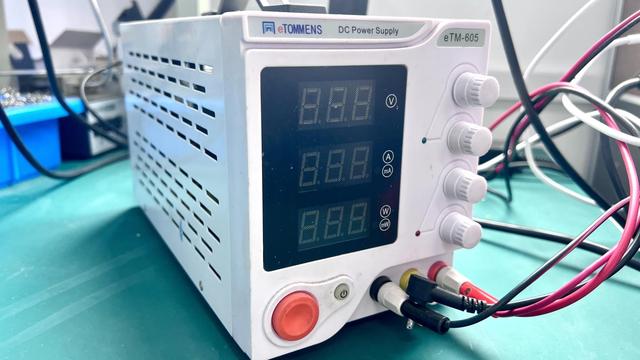
We work directly with formulation chemists and production line architects to build turnkey drop-in replacements for standard curing arches, providing customized cooling manifolds, specialized optical lenses, and matching power supplies.
Operational capabilities and quality assurances backing our industrial UV manufacturing output.
Enabling reliable automated execution in demanding high-speed assembly and delicate optical production facilities.
Micro-die encapsulation, wafer dicing tape release, solder resist dry films, and protective glob-top potting require targeted 365nm optical profiles with minimal thermal load. Our water-cooled arrays prevent delicate silicon components from cracking under thermal stress.
Optical clear adhesive (OCA) bonding within display screens demands exact spatial uniformity. Our customized nitrogen-purged curing chambers eliminate oxygen inhibition, resulting in bubble-free, optically clear bonds without panel warpage.
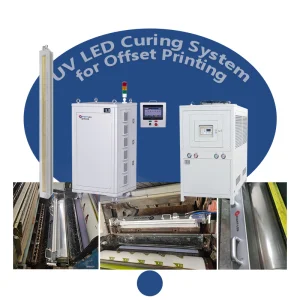
Whether processing flexographic labels, high-end commercial offset projects, or direct-to-shape screen printing on plastics and metals, our 3kw to 60kw continuous modules dry heavy inks instantly, maintaining structural color intensity.
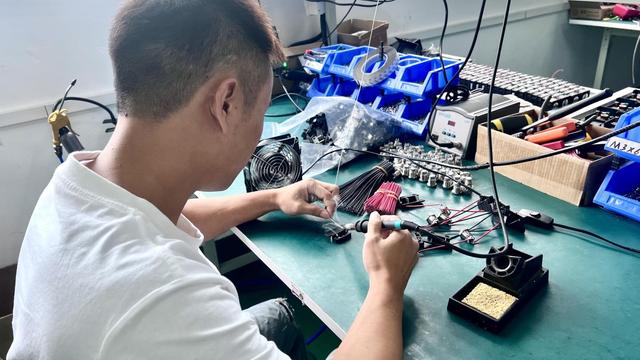
At Dongguan LumiCure, quality control is integrated into every step of our manufacturing workflow. Every system is subjected to extensive reliability tests—including optical profiling, high-temperature thermal cycling, and continuous electrical stress tests—before leaving our facility.
Our commitment to international markets is backed by a global network of partners and distributors, ensuring on-site technical assistance, rapid spare parts deployment, and compliance consulting. We provide support for critical regulatory standards:
Our engineers also provide direct integration support for retrofitting existing production lines, converting traditional mercury systems to modern UV LED arrays without requiring complete line re-designs.
How we are preparing for the next wave of smart manufacturing, new chemical formulations, and advanced optoelectronics.
By blending multiple LED emitters (e.g., 365nm + 395nm + 405nm) into a single module, we enable simultaneous surface curing and deep penetration. This eliminates the need for sequential lamp systems, saving valuable production floor space.
Next-generation LumiCure systems feature integrated optical and temperature sensors. By monitoring real-time irradiance levels, they automatically adjust power input to compensate for aging and flag maintenance needs before defects occur.
Expert insights addressing key design, integration, and performance questions regarding industrial UV LED systems.
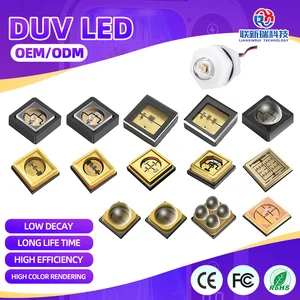
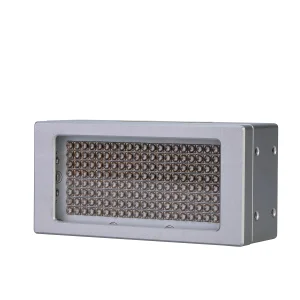
Explore our targeted range of UV LED chips, water-cooled replacement heads, and hybrid curing systems.
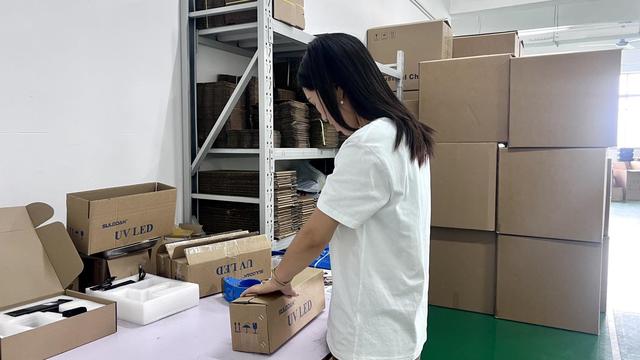
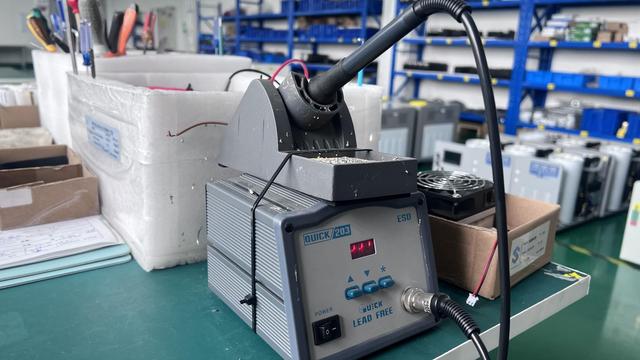
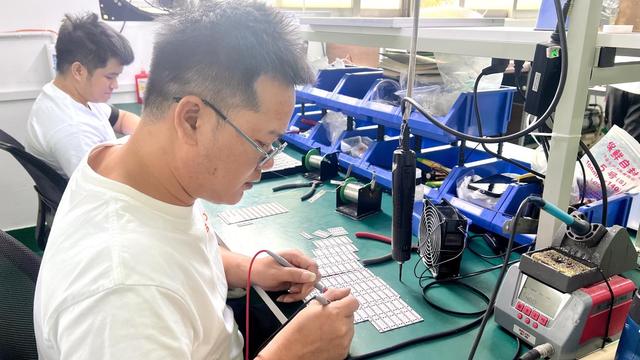
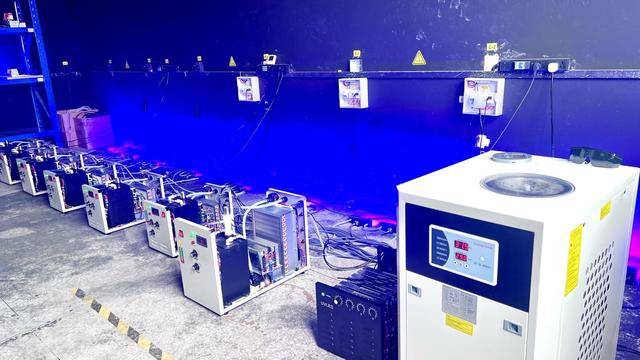
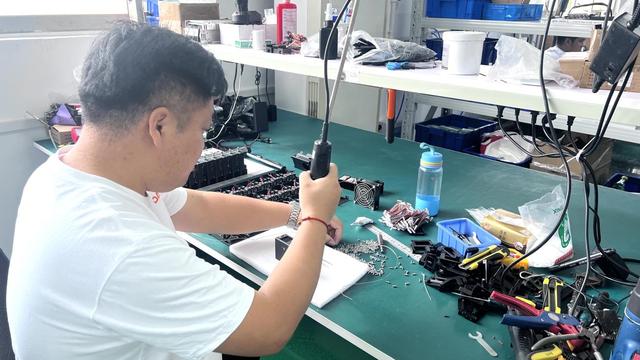
A visual overview of our manufacturing clean rooms, precision assembly stations, and strict testing protocols.
 LumiCure Light