The transition from traditional medium-pressure mercury vapor lamps to solid-state UV LED systems represents one of the most critical transformations in modern industrial manufacturing. As global businesses face rising pressure to reduce energy footprints, eliminate hazardous waste, and improve production line throughput, UV LED systems have emerged as the gold standard for high-performance curing and sterilization.
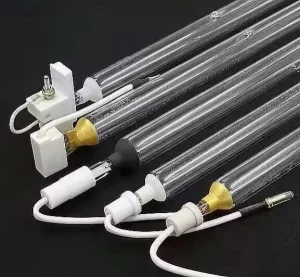
Traditional mercury systems emit a broad, uncontrolled spectrum of light, causing a significant portion of energy to be converted into infrared heat rather than curing energy. In contrast, UV LED chips provide a targeted, single-peak spectral output (typically 365nm, 385nm, 395nm, or 405nm), directing energy precisely where it is required to crosslink photopolymers. This eliminates thermal degradation of sensitive electronic components, label stocks, and thin film backings.
For custom engineering and high-throughput production lines, understanding these photochemistry requirements is crucial. By matching the photoinitiator's absorption spectrum with the exact output wavelength of the UV LED light system, manufacturers achieve rapid polymerization with minimal raw power output. This precise control also unlocks higher speeds on printing presses, electronic encapsulation processes, and packaging assembly lines.
Modern procurement executives do not simply purchase hardware; they source end-to-end curing integration capabilities. To stay competitive, globally distributed OEMs require localized custom options, high-reliability components, and robust technical documentation. Strategic procurement involves evaluation across several vital indices:
Consistency of irradiance (W/cm²) across the entire curing width is essential. Suppliers must guarantee minimal drop-offs at the optical array borders to prevent uncured margins on PCB labels or flexible packaging.
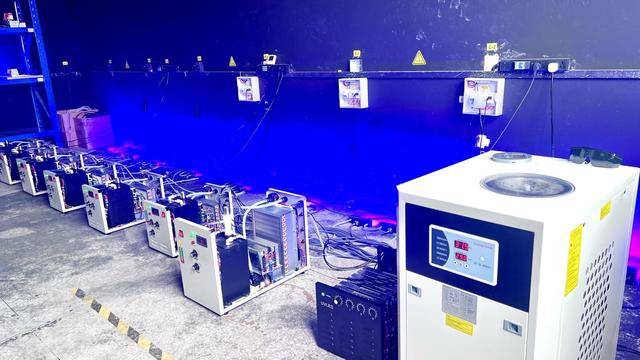
Maintaining a low LED junction temperature is key to preserving diode longevity. OEM buyers depend on water-cooled configurations for enclosed, high-density setups, and air-cooling for portable curing devices.
Next-generation smart factories require UV equipment to integrate directly with SCADA systems. Real-time feedback regarding diode status, temperature metrics, and variable dimming controls are vital requirements.
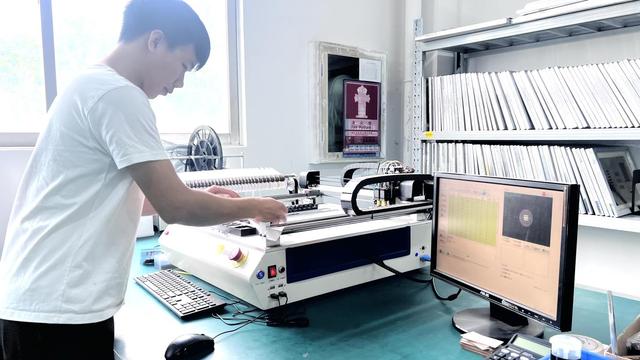
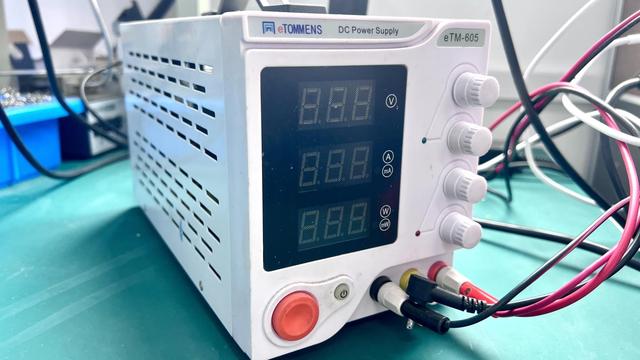
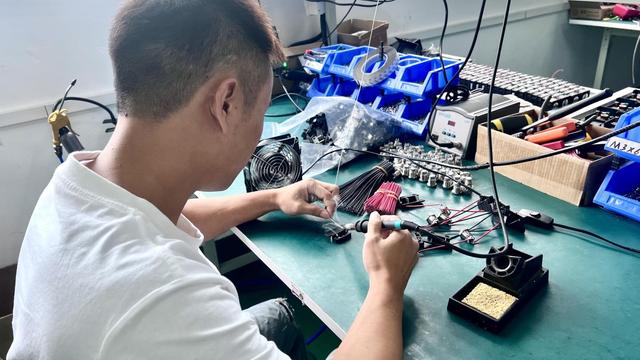
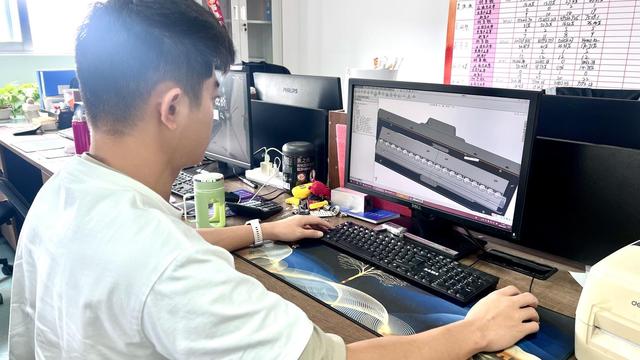
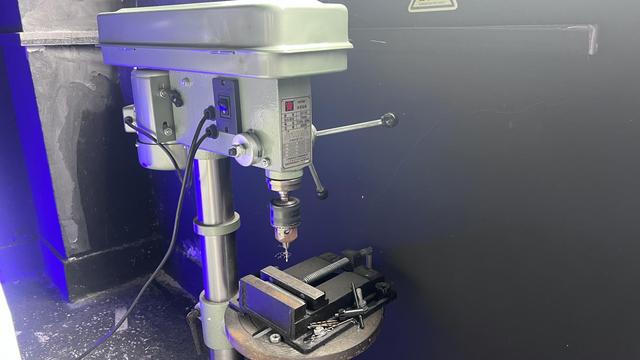
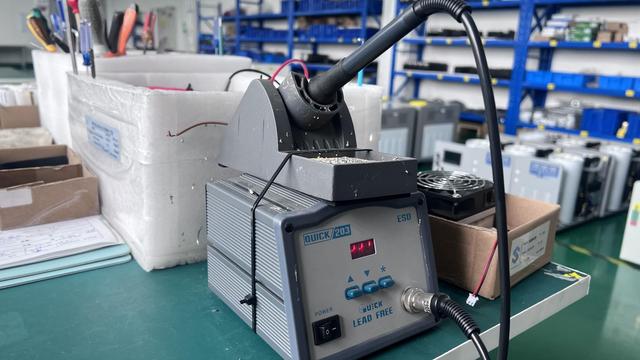
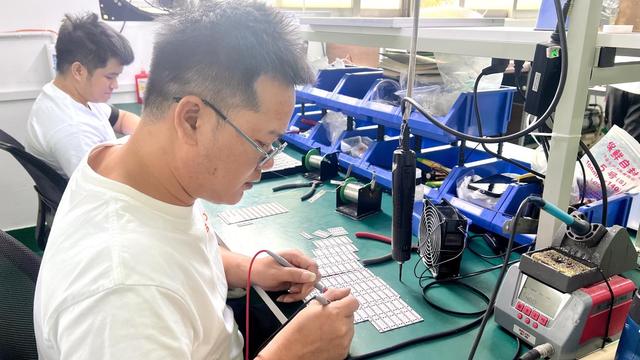
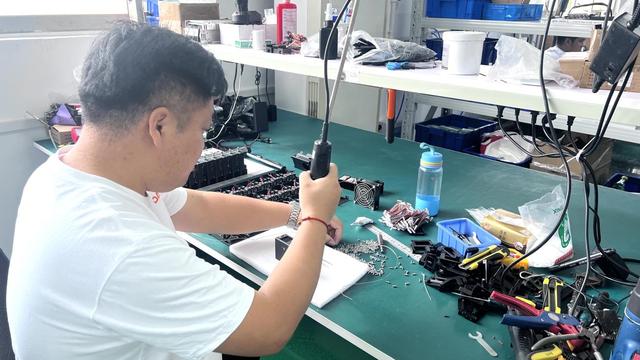
Dongguan LumiCure Light Co., Ltd. stands at the forefront of China's "Factory 4.0" industrial upgrading movement. Located in the world's premier electronic and manufacturing hub, LumiCure leverages a vertically integrated local supply chain. This strategic position enables us to manage raw optical component sourcing, SMD LED packaging, CNC heatsink machining, and driver assembly under one roof.
By streamlining our internal manufacturing workflows, we significantly shorten prototype cycles, allowing custom ODM designs to progress from blueprint to physical validation in just 2 to 4 weeks. Additionally, our automated pick-and-place lines, combined with comprehensive optical testing rigs, ensure that our high-power UV light systems maintain competitive cost structures without sacrificing manufacturing tolerance.
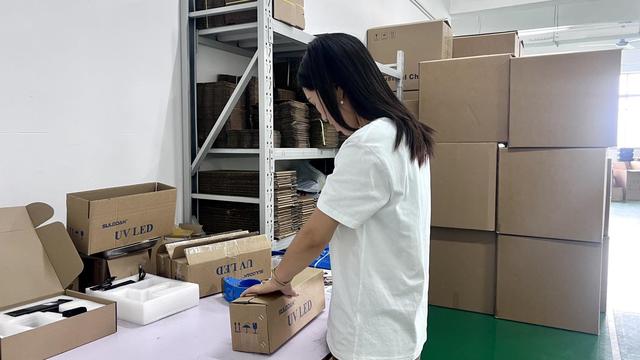
This localized supply chain resilience ensures consistent delivery schedules for global customers, shielding procurement teams from international supply shocks. From high-speed roll-to-roll labels to intricate medical device assemblies, Dongguan LumiCure provides robust manufacturing capabilities you can depend on.
UV LED systems are utilized in a wide variety of industrial workflows. Custom wavelength configurations and tailored mechanical enclosures enable these units to fulfill diverse tasks with high efficiency:
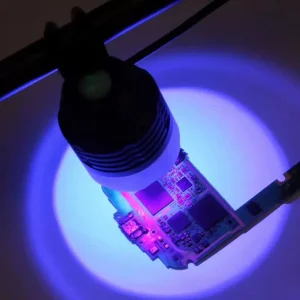
From micro-LED encapsulation to smart green oil solder masks and conformal coatings, UV wavelengths cure protective barriers rapidly. This safeguards delicate circuitry without causing thermal damage to the board.
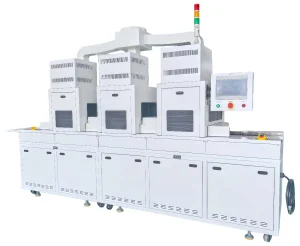
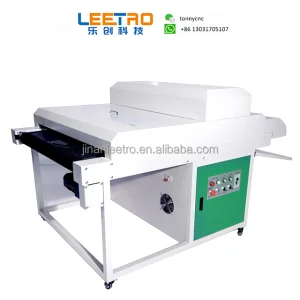
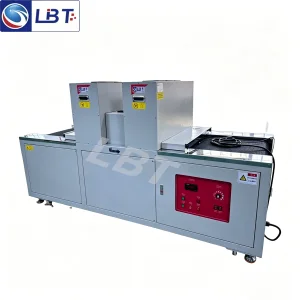
High-speed inline UV dryers provide rapid ink polymerization on paper, foil, and film substrates, allowing label lines to run at maximum speeds without smearing or tracking issues.
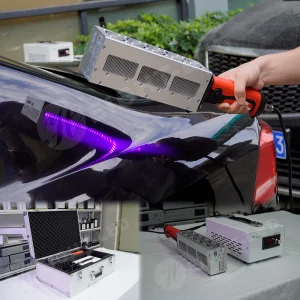
Scratch-resistant clearcoats, adhesive bonding for headlamps, and specialized structural laminating glues are cured within seconds, helping assembly plants increase throughput.
In the medical device industry, absolute repeatability is required. UV LED curing systems are critical for bonding stainless steel cannulas to plastic syringe hubs, assembly of blood oxygenators, and sealing hearing aids. These processes require strict dose control and precise wavelength outputs to ensure the mechanical integrity of structural bonds.
LumiCure designs custom solutions that incorporate optical feedback loops. These loops automatically adjust power output to compensate for diode degradation over time, guaranteeing consistent UV exposure doses across every production shift.
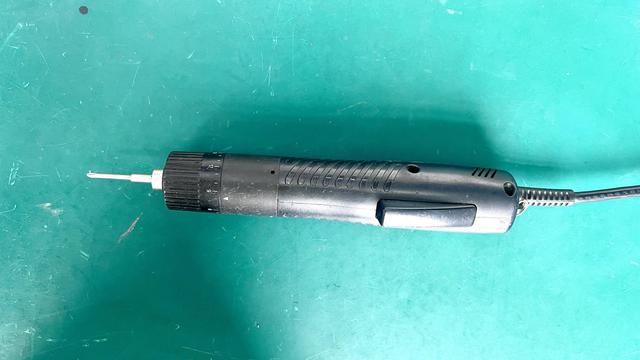
Our operational framework focuses on continuous quality management. Dongguan LumiCure Light Co., Ltd. utilizes strict quality control systems at every stage of the design and assembly process. This ensures that every UV system shipped to our international partners meets the performance requirements of their specific application.
 LumiCure Light