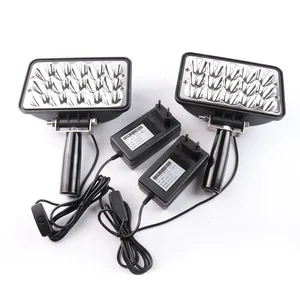
Top China UV LED Curing Tray Factories & Supplier

High-Efficiency Photopolymerization Solutions & Customized OEM/ODM Manufacturing Systems

Precision Engineered UV Curing Equipment (Set A)

Industrial-grade solid-state curing systems, customized optical configurations, and high-radiance exposure panels engineered for global manufacturing standards.
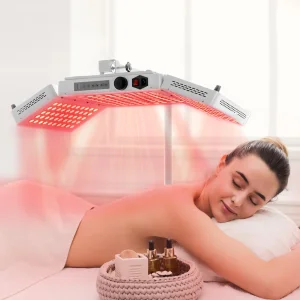
Professional Tri-Fold 1000W Dual Wavelength Red Light Therapy Panel

Professional Tri-Fold 1000W Dual Wavelength Red Light Therapy Panel PDT Machine For Home

Learn Technical Specs
Air Cooling UV LED Curing Lamp

Air Cooling UV LED Curing Lamp for LCD Screen FPC Circuit Ink Shadowless Adhesive Handheld Portable UV Curing Lamp

Learn Technical Specs
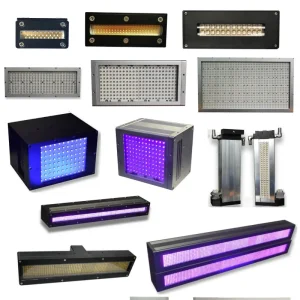
200W 360W 395nm UV LED Ink Drying Lamp

200W 360W 395nm UV LED Ink Drying Lamp for Screen Printing Inkjet Uv Curing Lamp for Printing Machine

Learn Technical Specs
Water-Cooled UV LED Curing Lamp

Small Water-Cooled Constant Current 365nm 385nm 395nm 405nm UV LED Curing Lamp 50W Dimmable 30000 Hours Lifespan For Flatbed

Learn Technical Specs
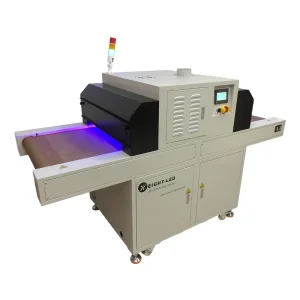
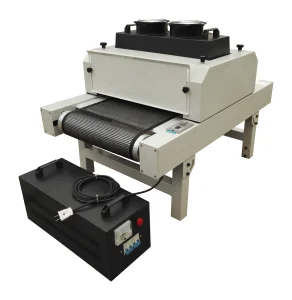
Energy Saving UV LED Curing Tunnel

Energy Saving Fast Curing UV LED Curing Tunnel Device UV Glue Resin Epoxy Drying Conveyor Suitable for Medical Consumables PCB

Learn Technical Specs
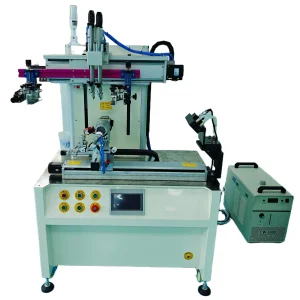
Automatic LED UV Curing Screen Printing Machine

Automatic LED UV Curing Screen Printing Machine for Cups/Bottles/Cosmetic Container

Learn Technical Specs
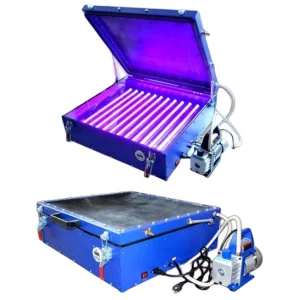
PCB Resin Lamp Exposure Curing Plate Machine

PCB Resin Lamp Exposure Curing Screen Printing Plate Making LED Ultraviolet Vacuum Suction Plate Machine

Learn Technical Specs
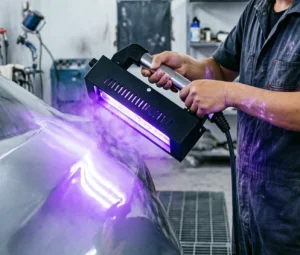
Car Painting UV Curing LED Lamp

Car Painting UV Curing LED Lamps AC Powered Portable High UV Drying Light Car Repairing Tools Coating Lamp Automotive Painting

Learn Technical Specs
30,000+
Hours LED Lifespan
<1.2s
Ultra-Fast Cure Time
85%+
Energy Savings vs Mercury
0.05mm
Tray Alignment Precision

1. Executive Summary & The Paradigm Shift in Industrial Curing

The manufacturing landscape is undergoing a significant transition from legacy thermal and mercury-vapor ultraviolet drying methods to solid-state UV LED curing technologies. At the core of this micro-assembly evolution is the UV LED curing tray and its corresponding automation carrier systems. Historically treated as passive parts containers, modern curing trays are engineered process control systems. They ensure precise substrate positioning, deliver optimized thermal dissipation, maximize optical backscatter reflections, and maintain stringent Electrostatic Discharge (ESD) safety protocols.

For industrial processes utilizing photopolymerizable adhesives, coatings, and inks, the curing tray dictates the uniformity of localized irradiance ($W/cm^2$) and the total exposure dose ($J/cm^2$). Leading OEM/ODM factories in China have adapted to this market shift. They build precision-engineered, multi-material curing trays tailored for high-intensity, multi-wavelength LED array systems. These trays are specifically designed for demanding applications such as micro-electronics bonding, semiconductor packaging, and medical-grade device manufacturing.

Crucial Information Gain for Procurement Officers
When sourcing UV LED curing systems or custom jigs from China, evaluating material composition (e.g., quartz transmissivity vs. anodized aluminum reflectance) is just as critical as selecting the emitter's peak wavelength (365nm, 385nm, 395nm, or 405nm). Superior tray engineering prevents optical shading and thermal degradation of substrates.

2. Global Market Dynamics & The Commercial Industrial Landscape

The global demand for high-performance UV LED curing components is projected to expand at a Compound Annual Growth Rate (CAGR) of over 14.5% through 2030. Key drivers include tightening environmental mandates (such as Minamata Convention restrictions on mercury vapor lamps) and the absolute requirement for sub-second, low-heat curing in automated consumer electronics assembly lines.

In North American and European markets, regional high-tech manufacturers face high labor costs, requiring complete process automation. Curing trays must interface seamlessly with high-speed Cartesian pick-and-place robots, automated optical inspection (AOI) gantries, and continuous conveyor belts. In Asian hubs, particularly China, the manufacturing ecosystem has consolidated the entire supply chain. China-based manufacturers like Dongguan LumiCure Light Co., Ltd. leverage nearby precision machining, surface chemical treatment facilities, and direct LED chip-on-board (COB) packaging. This allows them to offer highly customized UV LED curing solutions at competitive costs with rapid prototyping timelines.

Precision Tolerances
CNC milling tolerances down to ±0.02 mm prevent mechanical binding in automated SMT and micro-assembly lines.
Optical Optimization
Specular reflection coatings increase back-side curing efficiency by up to 35% using specialized tray linings.
Thermal Management
Integrates high-conductivity aluminum alloys and copper cores to dissipate heat from high-radiance arrays.
ESD Safety Protocols
Static dissipative material selection ($10^6$ to $10^9$ ohms/sq) prevents electrostatic damage to sensitive components.

3. Key Engineering Materials & Structural Architecture of High-Performance UV Trays

To maintain structural integrity under continuous exposure to intense UV radiation and temperature fluctuations, engineering materials must be selected with precision:

  • Synthetic Fused Silica (Quartz Glass): Provides optical transparency (>92%) down to 260nm. It is ideal for bottom-up exposure systems where the UV beam must pass directly through the carrier tray without optical attenuation.
  • Anodized Aluminum Alloys (Al6061-T6 / Al7075): Treated with clear or black hard coat anodizing. Aluminum offers excellent thermal conductivity ($\approx 160-200 W/m\cdot K$), drawing heat away from the curing substrate to prevent warpage.
  • Electrostatic Dissipative (ESD) PEEK & POM-C: High-performance engineering polymers loaded with conductive carbon fibers. These plastics maintain dimensional stability up to 150°C and prevent static discharge on sensitive circuit tracks.
  • Specular Reflector Inserts: Specialized coated aluminum inserts that reflect stray UV light back onto the product flanks, helping to cure shadow zones.

4. Technical Roadmap & Future Trends (2025–2030)

The industry is shifting toward smart, integrated manufacturing systems. Below is the development timeline for next-generation UV curing technologies:

2025 - 2026
Real-Time Embedded Irradiance & Temperature Monitoring

Developing carrier trays with embedded thin-film photodiode arrays and thermal sensors. These transmit live exposure data via Bluetooth Low Energy (BLE) or NFC to the main PLC loop, enabling instant quality control.

2027 - 2028
Multi-Wavelength Multiplexed Curing Chambers

Trays designed with integrated zoning to facilitate sequential curing. Using dual-wavelength LED setups (e.g., 365nm for deep core curing and 395nm for rapid surface tack-free sealing) optimizes cure quality.

2029 - 2030
Eco-Efficient Curing Processes

Integrating biodegradable substrate carrier elements and closed-loop liquid-cooling circuits directly within the structural tooling frame of high-intensity curing systems.

5. Macro Industry Solutions & Application Scenarios

High-performance UV curing trays are deployed across diverse industrial sectors:

  • Micro-Electronics (FPC/PCB Screen Bonding): Jigs hold delicate OLED displays, FPC connector tails, and capacitive touch layers under flat glass planes during shadowless adhesive dispensing and curing.
  • Medical Devices (Catheters, Endoscopes, Hearing Aids): Bio-compatible UV adhesives cure inside custom non-stick PTFE or silicone-coated trays. This configuration ensures zero outgassing and prevents contamination.
  • Automotive Electronics & Optics (LIDAR, ADAS Cameras): High-precision anodized aluminum trays stabilize optical lens assemblies. This keeps optical axes aligned during high-intensity UV exposure.
  • Industrial Precision 3D Printing & Additive Manufacturing: Post-processing curing chambers utilize rotating, reflective trays to ensure uniform curing of photopolymer resin dental and engineering prototypes.

6. Corporate Profile: Dongguan LumiCure Light Co., Ltd.

Dongguan LumiCure Light Co., Ltd. is a professional China UV LED curing lamp manufacturer specializing in the research, development, production, and supply of industrial UV curing systems and customized UV LED solutions. With a strong focus on innovation, quality, and customer satisfaction, LumiCure has become a trusted partner for manufacturers worldwide seeking efficient and reliable curing technologies.

Our product range includes UV LED curing lamps, UV LED spot curing systems, flood curing lamps, conveyor UV curing machines, UV LED modules, printing curing systems, adhesive curing equipment, and customized industrial UV solutions. These products are widely applied in printing, electronics assembly, semiconductor packaging, optical bonding, automotive manufacturing, medical devices, 3D printing, and various precision industrial processes.

Backed by an experienced engineering team and advanced manufacturing facilities, LumiCure is committed to developing energy-saving and environmentally friendly UV curing technologies. Our products feature high curing efficiency, precise wavelength output, long service life, low maintenance requirements, and intelligent control capabilities, helping customers improve productivity while reducing operating costs.

Quality remains the foundation of our business. Every product undergoes rigorous testing and strict quality control procedures throughout the manufacturing process to ensure consistent performance and reliability. We also provide comprehensive OEM and ODM services, enabling customers to customize products according to their specific technical and application requirements.

Serving clients across Europe, North America, Asia, the Middle East, and other global markets, Dongguan LumiCure Light Co., Ltd. continues to deliver innovative UV LED curing solutions that support sustainable and efficient industrial manufacturing.
7. Deep Technical Q&A (FAQ) for Global Procurement

Why is wavelength customization crucial for UV LED curing processes?
Different photoinitiators within UV adhesives, coatings, and inks respond to specific UV spectral bands. For instance, 365nm is highly effective for deep polymer penetration and bonding, while 395nm and 405nm are often selected for surface curing and rapid tack-free finishing. Matching the peak output wavelength of your LED array to the chemical specification of your photoinitiator prevents incomplete curing or thermal degradation of the carrier substrate.
How do water-cooling and air-cooling systems compare for UV LED units?
Air-cooled systems use dynamic fins and fans, offering simplicity, lower initial cost, and high portability. They are suitable for spot curing and lower intensity operations. Water-cooled systems utilize constant closed-loop water recirculation, maintaining lower junction temperatures. This allows them to support continuous, high-wattage operations (e.g., 500W to 1000W+) while protecting the LEDs from thermal degradation over their 30,000-hour lifespan.
What parameters must be evaluated when customizing a UV curing tray jig?
The main parameters include dimensional tolerance (±0.02 mm for automation interfaces), ESD rating ($10^6$ to $10^9$ ohms/sq to protect circuits), UV reflectivity of the pocket coating (to cure shadowed edges), and the thermal dissipation rate. Additionally, chemical resistance to outgassed compounds from curing adhesives is essential to prevent degradation of the jig surfaces.
How does a quartz exposure plate compare to borosilicate glass?
Synthetic fused silica (quartz) provides optical transmittance exceeding 92% in the ultraviolet spectrum, including UV-A, UV-B, and UV-C bands down to 260nm. Standard borosilicate glass tends to absorb and block significant portions of shorter UV wavelengths, leading to optical loss, reduced irradiance, and extended cycle times. Quartz is the preferred choice for precision under-tray curing operations.
What measures prevent warpage in heat-sensitive plastic substrates during curing?
Using narrow-spectrum UV LEDs (e.g., 365nm or 395nm) limits infrared emissions, which are a primary source of heat in traditional mercury vapor systems. Combined with high-thermal-conductivity anodized aluminum trays that act as heatsinks, the peak temperature rise on the substrate can be kept below 50°C. This makes it safe for thin-film PET, PMMA, and FPC layers.

High-Power UV Curing & Exposure Systems (Set B)

OEM system modules, high-wattage UV print dryers, and testing hardware designed for complex production and printing setups.
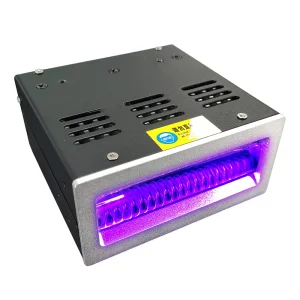
OEM High Power UV LED Lamp Curing System

OEM High Power 365nm 385nm 395nm Uv LED Lamp Curing System for Flat Panel Printer Uv Glue Coating Ink Varnish Curing

Learn Technical Specs
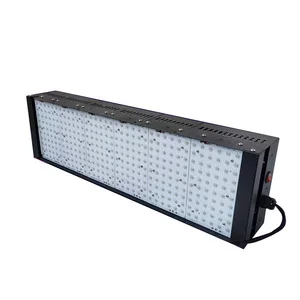
900 Watt UV Curing LED Lamp

900 Watt 360LED 365NM 395NM 405NM UV Exposure PCB Board 2400mW UV Curing System UV Curing LED Lamp

Learn Technical Specs
Futansi UV LED Curing System

Futansi UV LED 365NM 500W 220V Industrial Spot Curing System with Fan-Cooling and 1 Year Warranty for Industrial Applications

Learn Technical Specs
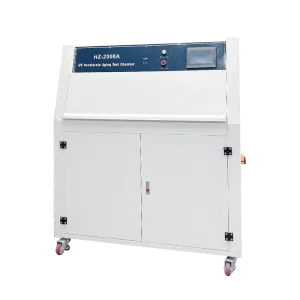
HZ-2008 Compact UV Weathering Tower

HZ-2008 Compact UV Weathering Tower | 0.1-1.5W/m² Adjustable Intensity | Real-Time UV Dose Monitoring | Textile Color Fastness

Learn Technical Specs
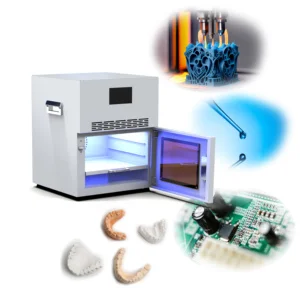
LED UV Curing Machine for 3D Printing

LED UV Curing Machine for 3D Printing Resin Curing Ear Mold Dental Mold PCB in Medical Industry 365nm 395nm 405nm 800W

Learn Technical Specs
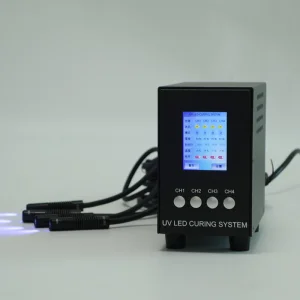
High Intensity LED UV Spot Curing System

High Intensity 365nm LED and UV Spot Lamp Light-Curing Systems

Learn Technical Specs
Screen Printing UV Ink Curing Machine

New 400 Screen Printing UV Ink Curing Machine LED Semi-Automatic for Metal

Learn Technical Specs
UV Coating Curing Machine Handheld

Uv Coating Curing Machine 365Nm 395Nm 405Nm Led Uv Lights Handheld Uv Lamp

Learn Technical Specs