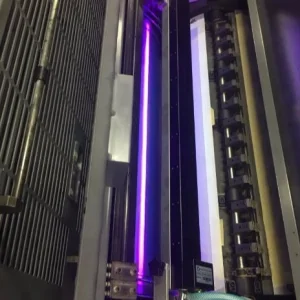
Engineered high-performance machinery designed for the production lines of the central Mexico industrial corridors.
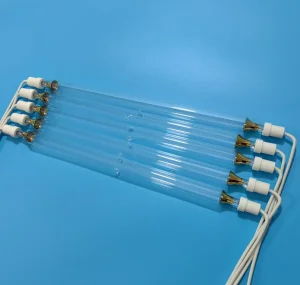
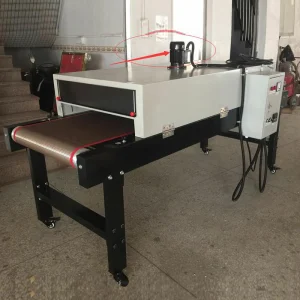
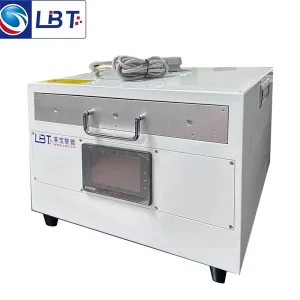
The Metropolitan Area of Mexico City (CDMX) and the adjacent State of Mexico (Edomex) form the powerhouse of the country's printing, packaging, and manufacturing industries. Key corridors like Vallejo, Naucalpan, Tlalnepantla, and Toluca host massive packaging facilities supplying fast-moving consumer goods (FMCG), pharmaceuticals, and cosmetics. As manufacturers target nearshoring integration under the USMCA (T-MEC), the pressure to optimize production line uptime and meet stringent global standard metrics is higher than ever.
Historically, traditional mercury arc systems dominated screen and offset printing lines in the region. However, these systems present major challenges, particularly in high-altitude locations like CDMX (2,240 meters above sea level). The low atmospheric density limits standard thermal dissipation dynamics of air-cooled equipment. Furthermore, high power consumption and the emission of volatile organic compounds (VOCs) create friction with local environmental mandates established by SEDEMA (Secretaría del Medio Ambiente de la Ciudad de México).
Did you know? In high-altitude areas like Mexico City, air-cooled electronic systems suffer up to a 20% reduction in thermal dissipation capacity. To solve this, water-cooled industrial UV LED curing lamps maintain precise junction temperatures, extending diode lifespan past 20,000 hours.
The modern manufacturing ecosystem demands technology that matches strict compliance protocols. UV LED digital printing curing systems resolve these constraints. Unlike mercury vapor lamps, UV LED operates within cold-curing profiles, ensuring heat-sensitive plastic packaging substrates common in beverage and pharmaceutical bottles do not deform. This tech shift enables local Mexican printing suppliers to handle thinner materials, reducing overall logistics and raw-material overhead.
Engineered high-performance machinery designed for the production lines of the central Mexico industrial corridors.
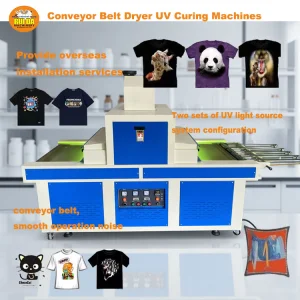
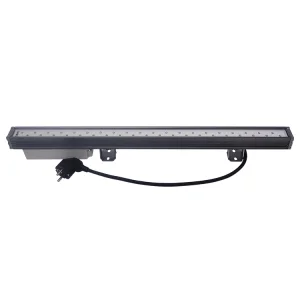
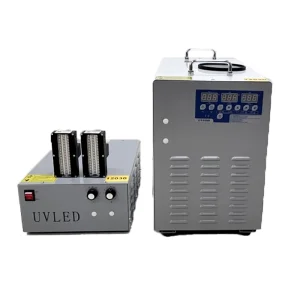
In industrial-scale digital printing, the spectral performance of a curing lamp determines the adhesion quality of the ink. Most photoinitiators used in industrial UV inks (such as those formulated by Toyo, Sun Chemical, or Flint Group in Mexico) react optimally at 395nm or 385nm wavelengths. To prevent incomplete curing (which leaves tacky residues or leads to poor scratch resistance), the equipment must generate high peak irradiance, typically between 8 W/cm² to 16 W/cm² depending on conveyor speed.
Another major engineering challenge in Mexico City's industrial parks is grid voltage instability. Standard production lines require robust electronic control units to withstand localized brownouts and voltage fluctuations. LumiCure's digital UV controllers integrate smart simulation cards and automated monitoring feedback loops that regulate constant current output. This guarantees that even during peak load periods in Naucalpan or Vallejo, the output irradiance remains consistent.
| Parameter | Air-Cooled Systems | LumiCure Water-Cooled Systems | |||
|---|---|---|---|---|---|
| Junction Temp Stability | Varies significantly with ambient temperature and air density | Peak Irradiance Decay | Accelerated aging under heat load, causing spectral shifts | < 5% over 10,000 hours of continuous high-power operation | |
| Noise & Dust Dispersion | High fan noise, draws dust onto wet ink surfaces | Completely sealed head, silent, zero airflow onto media | |||
| Altitude Performance (2,200m+) | Performance degraded by 15-20% due to thin air | 100% efficient cooling, unaffected by elevation levels |
Purchasing capital equipment from global centers like Dongguan, China requires smooth logistics coordination to ensure high reliability. The primary route for shipping heavy industrial equipment to Mexico City is maritime freight through the Pacific ports of Manzanillo or Lázaro Cárdenas, followed by intermodal rail or highway transit directly to CDMX. At LumiCure, we provide full support with custom-engineered packing, HS code classifications for Mexican customs, and testing data sheets to expedite the clearance process under NOM regulations.
Dongguan LumiCure Light Co., Ltd. is a professional China UV LED curing lamp manufacturer specializing in the research, development, production, and supply of industrial UV curing systems and customized UV LED solutions. With a strong focus on innovation, quality, and customer satisfaction, LumiCure has become a trusted partner for manufacturers worldwide seeking efficient and reliable curing technologies.
Our product range includes UV LED curing lamps, UV LED spot curing systems, flood curing lamps, conveyor UV curing machines, UV LED modules, printing curing systems, adhesive curing equipment, and customized industrial UV solutions. These products are widely applied in printing, electronics assembly, semiconductor packaging, optical bonding, automotive manufacturing, medical devices, 3D printing, and various precision industrial processes.
Backed by an experienced engineering team and advanced manufacturing facilities, LumiCure is committed to developing energy-saving and environmentally friendly UV curing technologies. Our products feature high curing efficiency, precise wavelength output, long service life, low maintenance requirements, and intelligent control capabilities, helping customers improve productivity while reducing operating costs.
Quality remains the foundation of our business. Every product undergoes rigorous testing and strict quality control procedures throughout the manufacturing process to ensure consistent performance and reliability. We also provide comprehensive OEM and ODM services, enabling customers to customize products according to their specific technical and application requirements.
Serving clients across Europe, North America, Asia, the Middle East, and other global markets, Dongguan LumiCure Light Co., Ltd. continues to deliver innovative UV LED curing solutions that support sustainable and efficient industrial manufacturing.
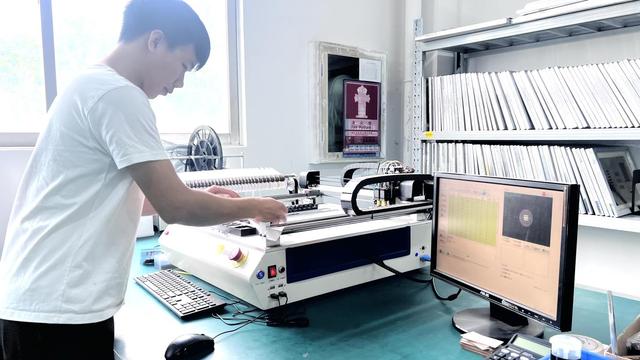
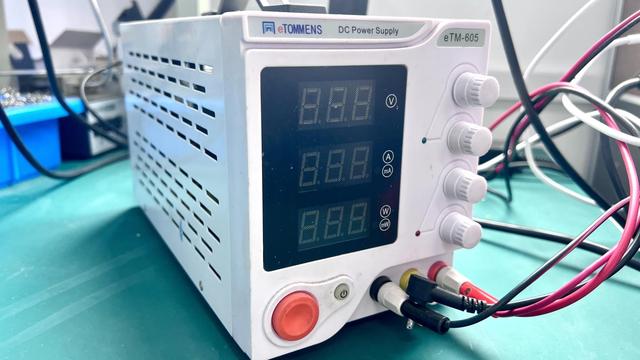
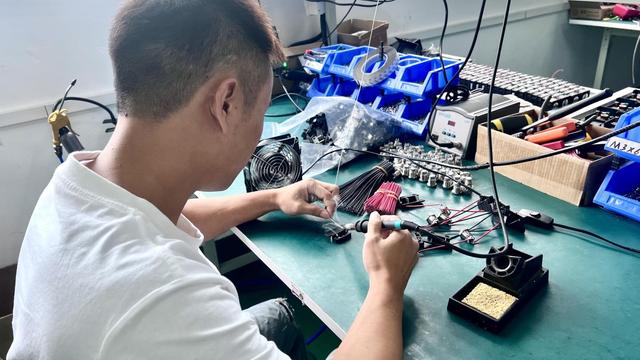
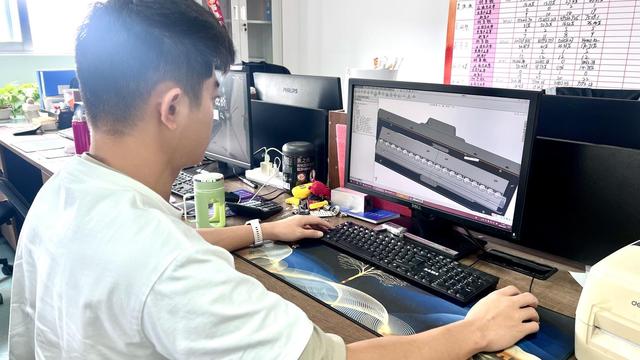
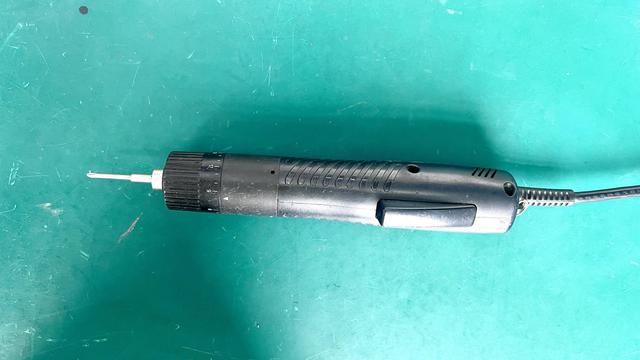
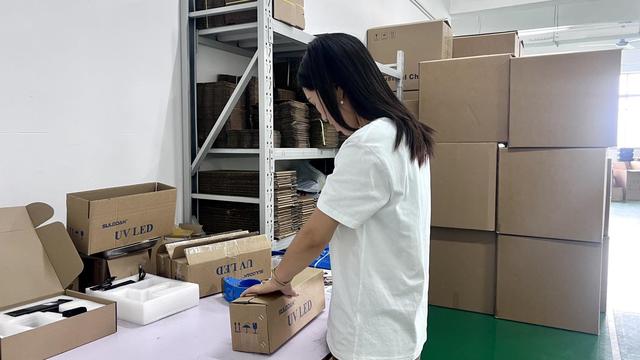
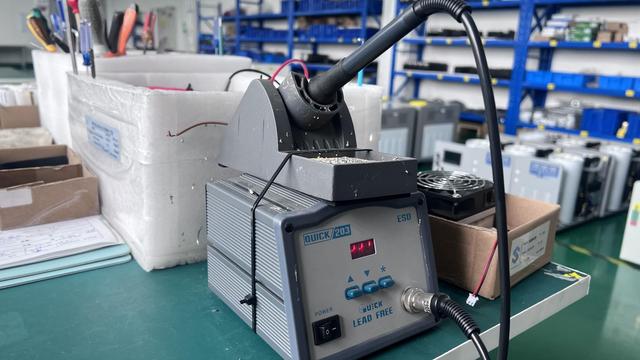
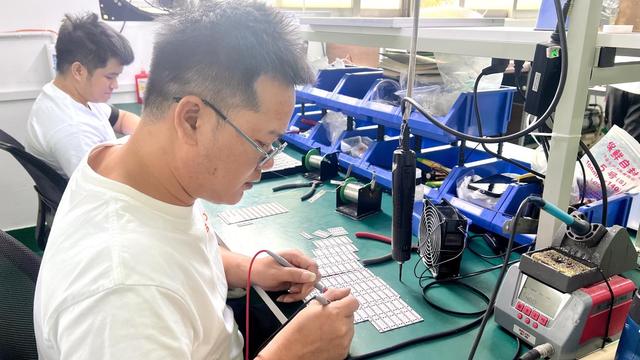
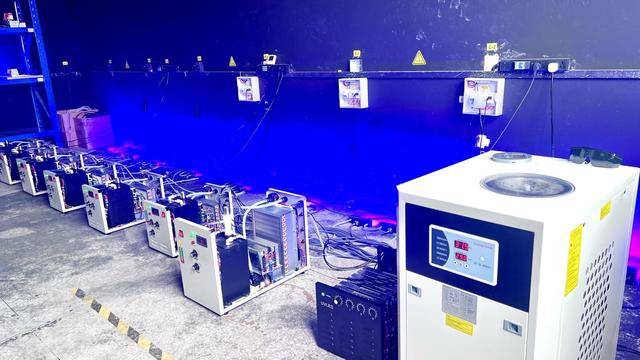
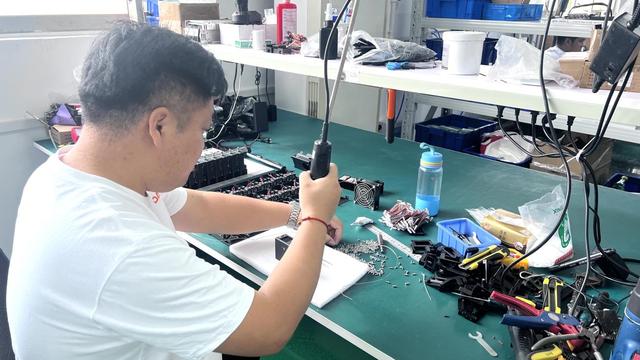
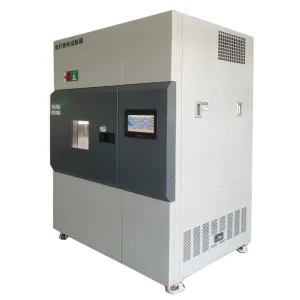
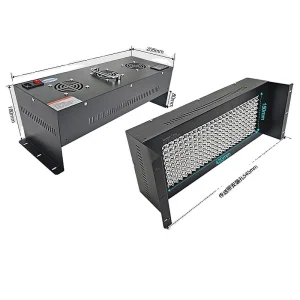
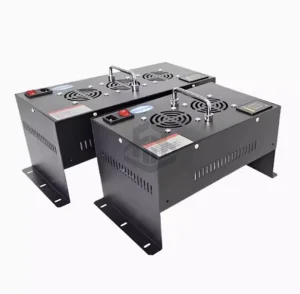
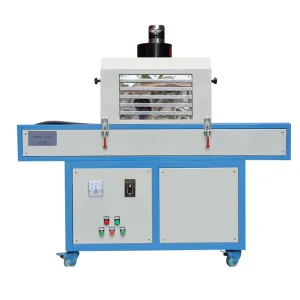
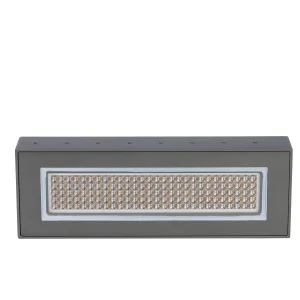
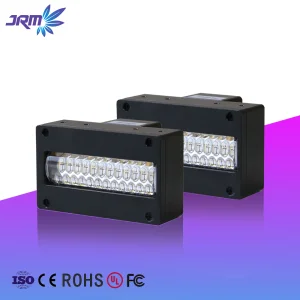
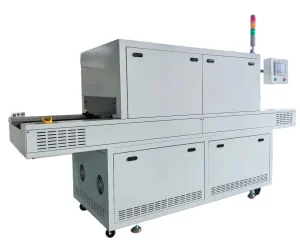
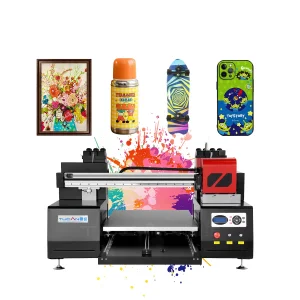
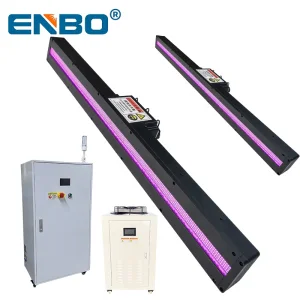
Comprehensive product lineup optimized for Mexican packaging, electronic, and silk screen printing facilities.
The next decade of UV LED curing technology points toward smarter integration and higher optical efficiency. Key development fields focus on multispectral emission chips and optical feedback loops to regulate real-time output degradation. As printing presses shift to higher speeds (e.g., sheet-fed offset lines exceeding 15,000 sheets per hour), the curing equipment must match this throughput by scaling energy dosage instantly.
LumiCure's R&D department targets three major technology milestones for systems deployed globally and in Mexico:
Connect directly with our engineering team for technical evaluations, wavelength matching reviews, and shipping quotes to Mexico.
Send Inquiry NowExpert technical insights regarding deployment, optimization, and operation of UV LED Curing Units in industrial processes.
 LumiCure Light