Monterrey, Nuevo León, has solidified its status as the absolute powerhouse of advanced manufacturing and industrial nearshoring in North America. With heavy capital deployment across the region, from the sprawling automotive corridors in Santa Catarina and Apodaca to state-of-the-art consumer electronics hubs in Guadalupe, local production lines demand unprecedented manufacturing efficiency. In these high-throughput ecosystems, conventional assembly methodologies are giving way to automated optoelectronic processes.
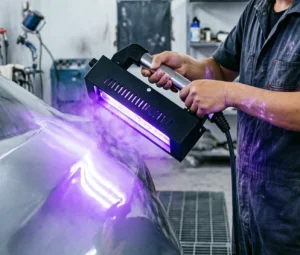
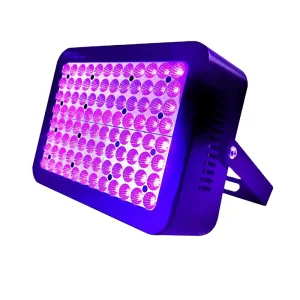
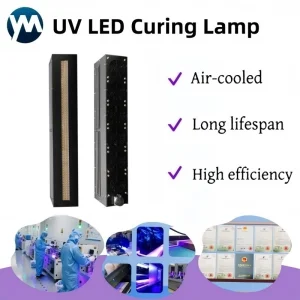
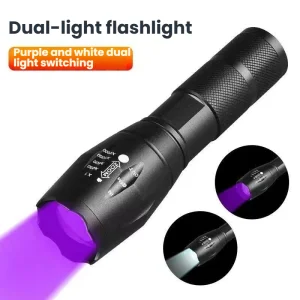
A pivotal technological enabler in this transformation is the UV LED Flood Curing Lamp. These advanced solid-state illumination systems provide instant, high-intensity, and highly uniform ultraviolet light required to polymerize photo-reactive resins, adhesives, coatings, and sealants within seconds. As global Tier-1 automotive component developers, medical device fabricators, and printed circuit board (PCB) assemblers set up shop in Monterrey, sourcing industrial-grade UV curing solutions from established exporters becomes a vital strategic operational mandate.
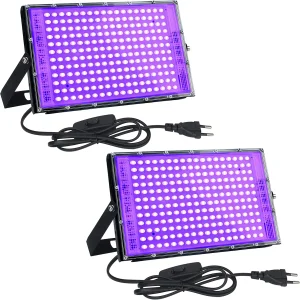
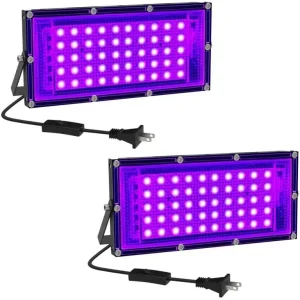
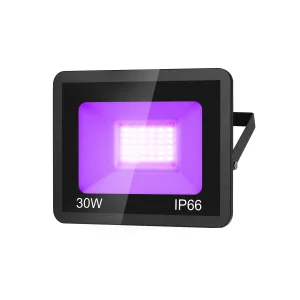
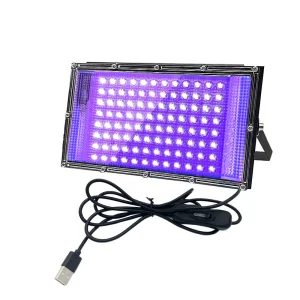
High-performance flood curing lamps and precision drying systems engineered for immediate deployment across Monterrey’s assembly plants.
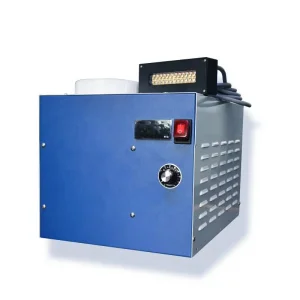
In the highly competitive manufacturing landscapes of Nuevo León, seconds translate directly to bottom-line profitability. Traditional curing technologies reliant on high-pressure mercury vapor lamps introduce operational volatility: long warm-up cycles, high heat dissipation that threatens delicate substrates, fast degradation curves of bulbs, and severe hazardous waste disposal concerns under Mexico's strict environmental regulations.
LumiCure’s state-of-the-art UV LED Flood Curing Lamps resolve these issues fundamentally. By delivering concentrated spectral energy directly at specific wavelengths (typically 365nm, 385nm, 395nm, or 405nm), these systems optimize chemical cross-linking of monomers into polymers instantly. The lack of infrared emission ensures that sensitive plastics, thin-film substrates, and electronic components do not suffer from thermal warpage or structural degradation.
| Operational Parameter | Legacy Mercury Arc Lamps | LumiCure UV LED Flood Curing Systems |
|---|---|---|
| Warm-up & Cool-down Time | 10 - 20 minutes required | Instantaneous (0.1 seconds) On/Off cycle |
| Substrate Heat Transfer | Extreme infrared radiation (up to 250°C) | Minimal thermal transfer (Cold cure) |
| Irradiance Uniformity | Decays rapidly over time; hot spots common | Ultra-stable output with precision optical lenses (>90% uniformity) |
| Lifespan & Replacement | 1,000 - 2,000 operational hours | 20,000 - 30,000+ operational hours |
| Environmental & Safety | Contains hazardous mercury; generates ozone | Mercury-free; ozone-free; RoHS and CE compliant |
Selecting the correct wavelength is critical for maximizing curing depth and mechanical adhesion strength:
For multinational corporations managing procurement programs across the United States, Europe, and Mexico, logistics transparency and quality standards are non-negotiable. Dongguan LumiCure Light Co., Ltd. has established robust logistical pipelines serving the major industrial parks of Nuevo León, including Guadalupe, Monterrey, and Santa Catarina.
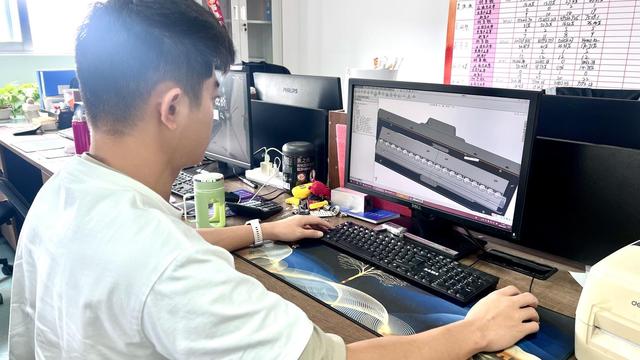
Our dedicated engineering division collaborates directly with industrial integrators to offer customized physical profiles, custom mounting configurations, water-cooled or air-cooled thermal dissipation designs, and seamless PLC integration. We provide complete electrical compliance, mechanical integration plans (3D CAD designs), and rigorous validation data to ensure zero friction during the factory integration phase.
Optimized configurations for NDT inspections, micro-electronics manufacturing, high-speed printing lines, and heavy industrial assembly in Northern Mexico.
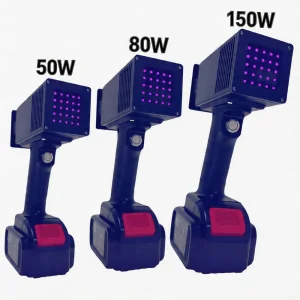
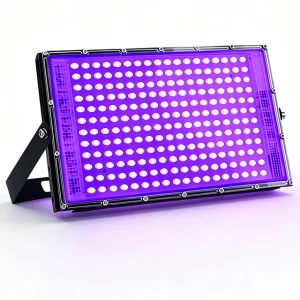
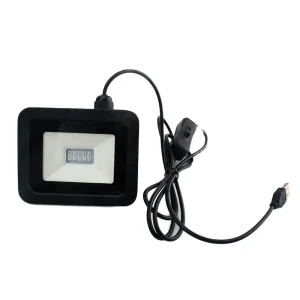
In highly regulated industries such as automotive assembly (ISO/TS 16949 standards) and medical device manufacturing (ISO 13485), the stability of the process parameters is critical. LumiCure's engineers utilize advanced optical designs to guarantee peak irradiance and energy stability.
Standard LED lights emit in a broad Lambertian profile (120-degree viewing angle). For curing applications, this dispersion drastically reduces irradiance ($W/cm^2$) and creates "soft curing zones" at the perimeter. Our flood curing systems integrate custom quartz or borosilicate optical arrays that collimate or focus the emitted light, resulting in uniform distribution across the curing area with a uniformity coefficient exceeding 92%.
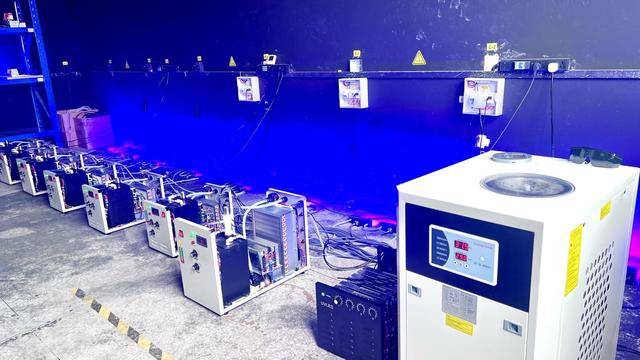
LED junction temperatures directly influence output power stability and life expectancy. For continuous operation on assembly lines in Monterrey, where summer factory ambient temperatures can exceed 38°C (100°F), we employ dual-path thermal cooling:
Modern smart factories in Monterrey require constant parameter tracking. Our controllers feature RS-485 / Modbus RTU communication protocols, digital I/O lines for automated triggers (from robots or sensors), and analog controls for real-time adjustments of the UV output power (from 10% to 100% intensity).
Importing equipment to industrial centers in Mexico requires compliance with local standards such as NOM (Normas Oficiales Mexicanas) alongside international safety ratings like UL, CE, and RoHS. Dongguan LumiCure Light Co., Ltd. provides all necessary documentation to clear custom offices in Monterrey, guaranteeing straightforward import, commissioning, and validation processes.
Answering key engineering questions regarding UV LED flood curing integration in Monterrey industrial lines.
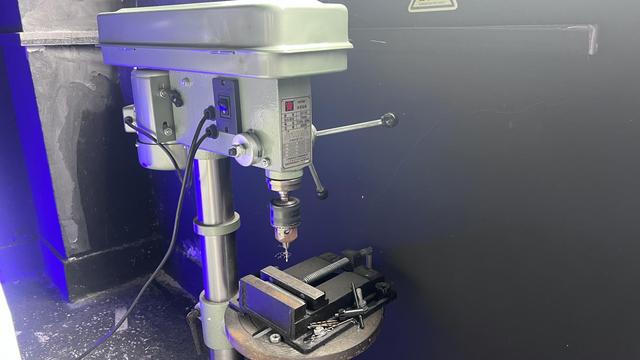
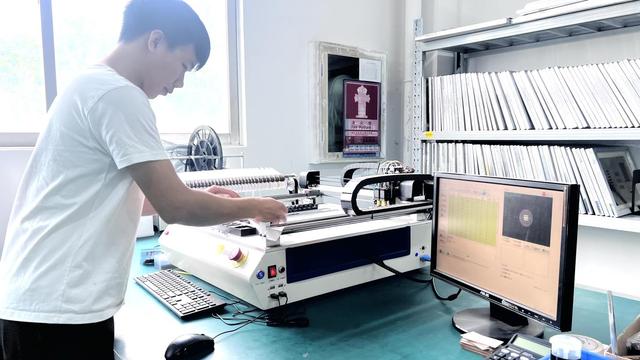
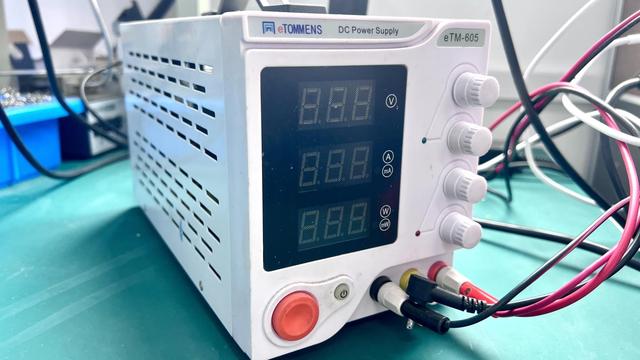
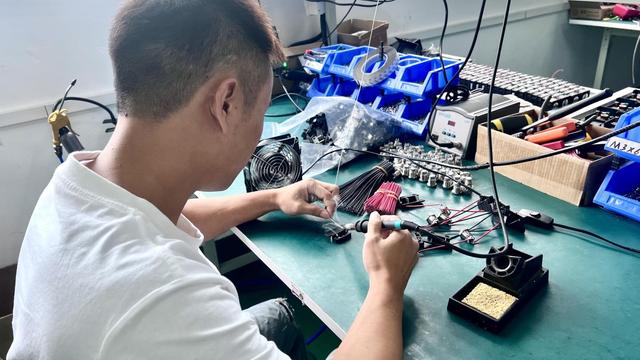
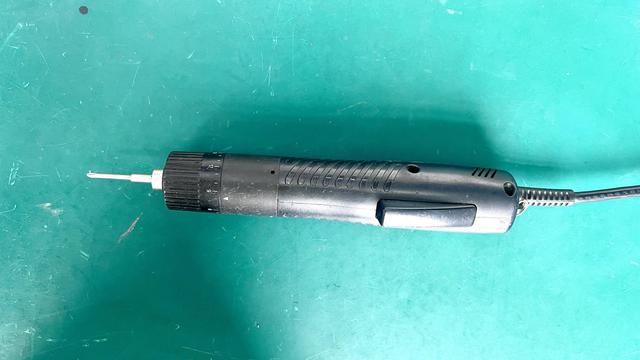
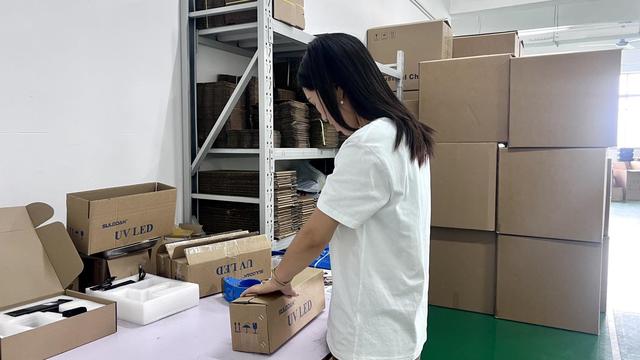
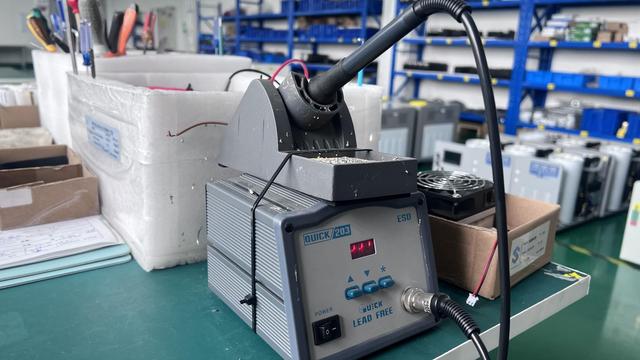
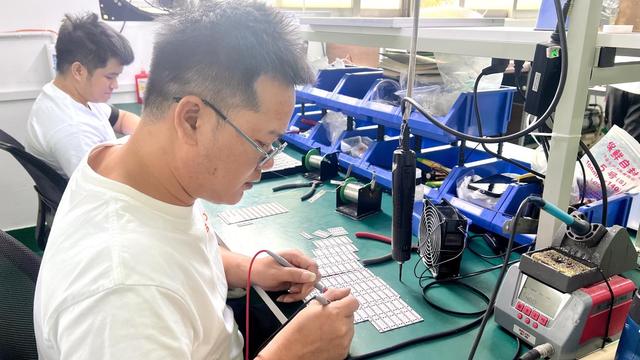
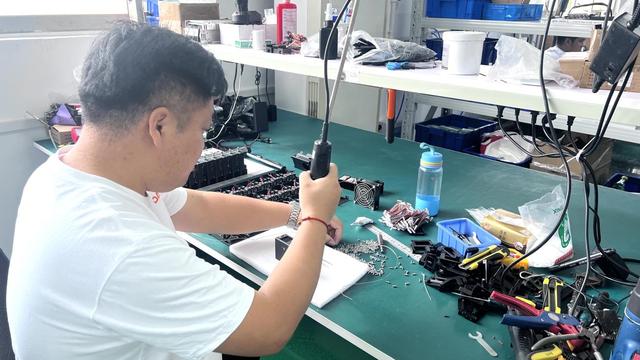
Take a virtual tour inside our advanced optics testing rooms, high-capacity automated production lines, and quality assurance labs.
 LumiCure Light