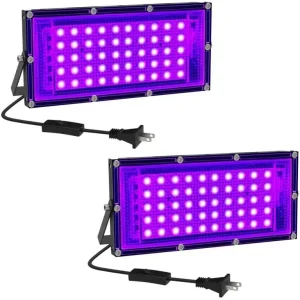
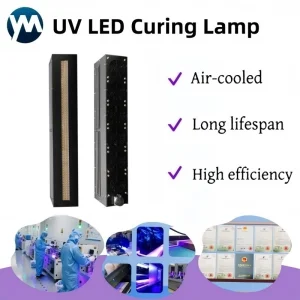
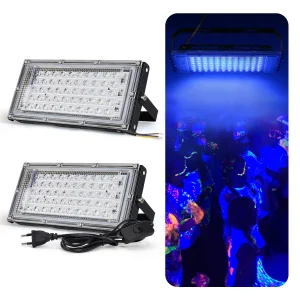
Engineered for immediate deployment, high irradiance reliability, and multi-wavelength output.
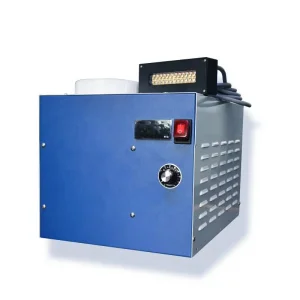
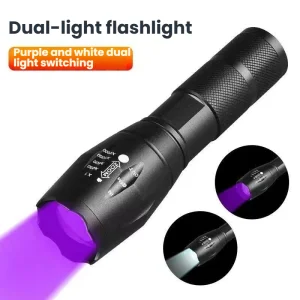
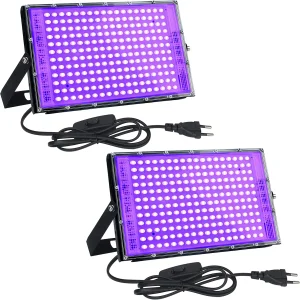
London has long evolved beyond its financial identity to become a pivotal hub for advanced engineering, medical device research, space technologies, and optical packaging. As factories and cleanroom facilities around Greater London, Cambridge, and Oxford transition towards Net-Zero environmental goals, legacy mercury-arc curing units are rapidly being replaced by high-efficiency UV LED flood curing systems.
This technological shift is driven not only by environmental directives like the Minamata Convention on Mercury but by the intense demand for consistent, high-yield quality processes. Standard mercury lamps degrade linearly, creating process drift. In contrast, modern solid-state UV LED flood arrays maintain uniform, controllable, and instantaneous peak output. This ensures that precision UV adhesive bonding, glass laminating, and circuit board coating operations run with absolute repeatability.
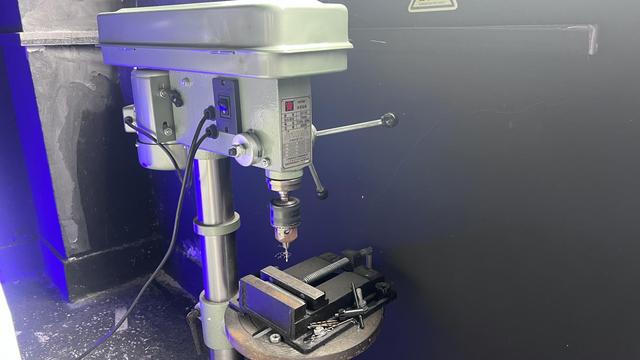
Why top aerospace, automotive, and electronics manufacturers in London partner with LumiCure.
To achieve optimal polymerization, understanding the chemistry of your resin/photoinitiator alongside the physical profile of the flood source is crucial.
In high-throughput assembly lines (such as optical component packaging in East London or medical electronics in the M4 corridor), process reliability relies on precise dose delivery. The polymerization dose ($J/cm^2$) is the mathematical product of the peak irradiance ($W/cm^2$) and the exposure duration ($seconds$). LumiCure’s industrial flood lamps are engineered to emit exceptionally flat, uniform irradiance across the target curing envelope, preventing under-curing at outer boundaries.
Depending on the molecular depth and chemical configuration of your coatings or adhesives, selection of the peak wavelength is vital:
A major network transceiver manufacturer in London required bubble-free bonding of active optical alignments. Legacy mercury systems caused thermal degradation to structural plastics, resulting in a 4% rejection rate. By deploying the LumiCure 365nm/395nm Dual-Wavelength Flood system with precise fan cooling, substrate temperatures were kept below 42°C, cycle time fell from 12 seconds to 3.2 seconds, and defect rates dropped to zero.
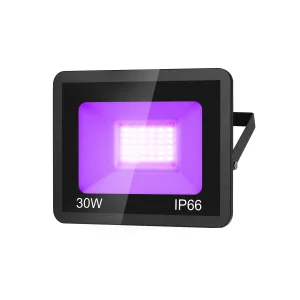
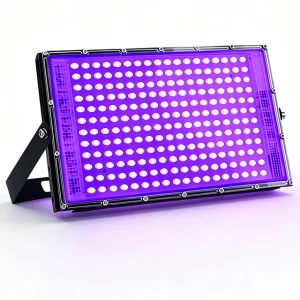
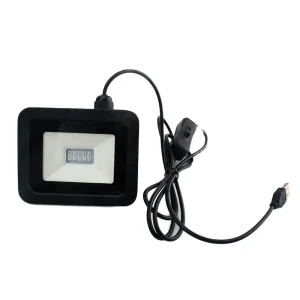
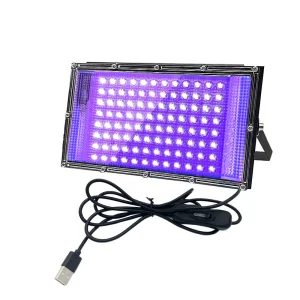
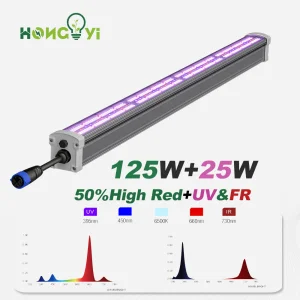
Explore our versatile configurations designed for portable, laboratory, and high-wattage production integration.
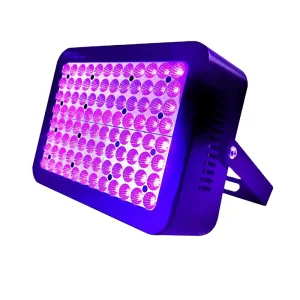
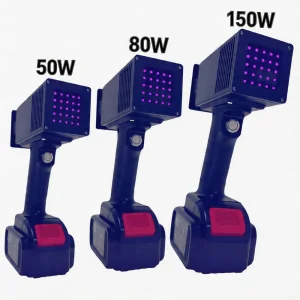
Our systems interface seamlessly with your existing infrastructure, ensuring low integration overhead and immediate gains.
Every flood curing lamp features dedicated analog and digital RS485 Modbus command pathways, allowing easy linkage with Siemens, Allen-Bradley, or Omron control cabinets.
Integrated RTD temperature sensors continuously track substrate and LED junction conditions, instantly adjusting output to protect delicate assemblies.
Equipped with exchangeable quartz or borosilicate lensing matrices to match specific irradiation paths (spot, focused, or diffused flood output).
As a global exporter and expert partner to London’s manufacturing sector, Dongguan LumiCure Light Co., Ltd. bridge the gap between design and high-volume output. We integrate top-tier optoelectronic design with premium materials, enabling companies across London to transition smoothly from legacy mercury arc systems to modern UV LED options.
In electronics assembly, moisture-barrier coatings require uniform curing to protect components from moisture and static. By using LumiCure's high-intensity UV LED flood systems, manufacturers can cure adhesives in seconds. This prevents thermal defects, ensures clean coverage, and keeps production moving quickly.
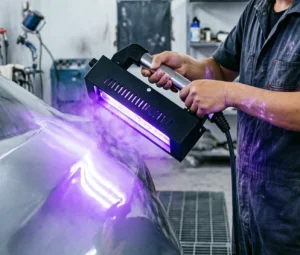
Modern auto repair shops in London require fast-curing coatings. Our portable and high-power flood units dry primers and clearcoats in under a minute, significantly reducing turnaround times compared to traditional infrared systems.
Bonding acrylics and glass without yellowing or micro-cracks requires high-power UV light that does not generate excess heat. By focusing optical energy only at the desired wavelength (typically 365nm), our systems deliver perfect, strong joints with excellent clarity.
The next generation of UV LED technology will focus on intelligent, self-monitoring systems. LumiCure is leading this development by testing IoT-connected arrays that monitor real-time light decay. This helps prevent under-curing, reduces down-time, and extends module lifetimes through smart power adjustment.
Our engineers can configure wavelengths, target curing footprints, and cooling parameters to match your exact application requirements.
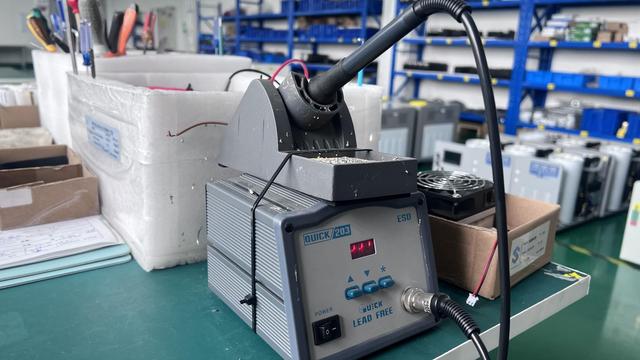
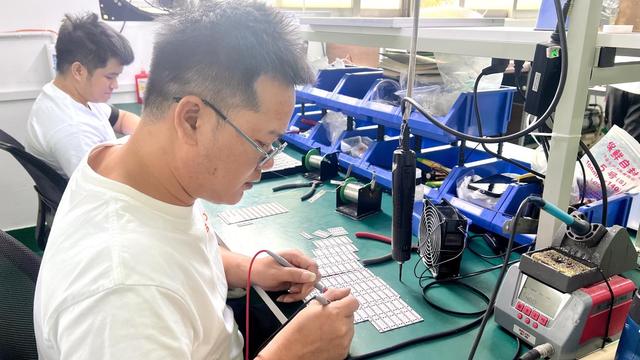
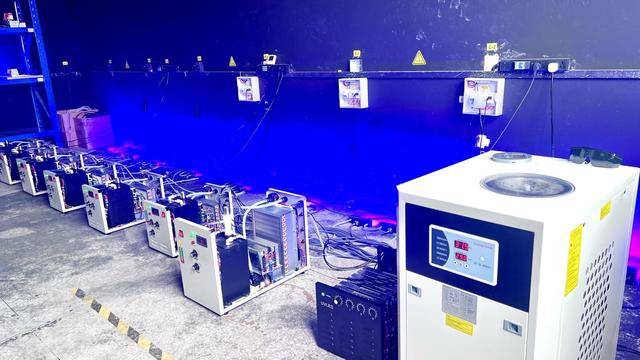
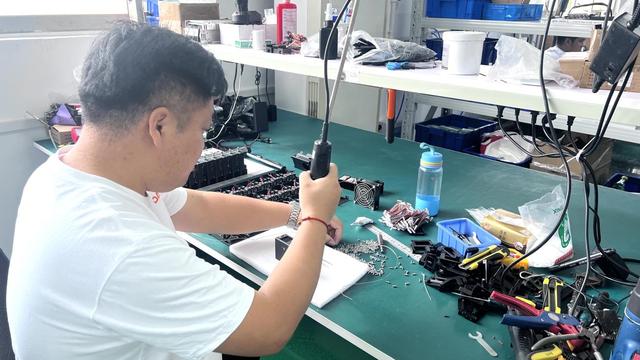
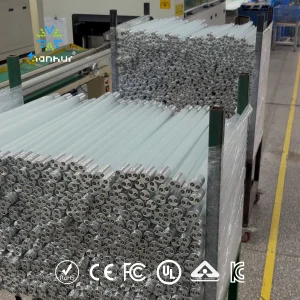
Send Inquiry NowA glimpse into our manufacturing centers, testing rooms, and optical research laboratories.
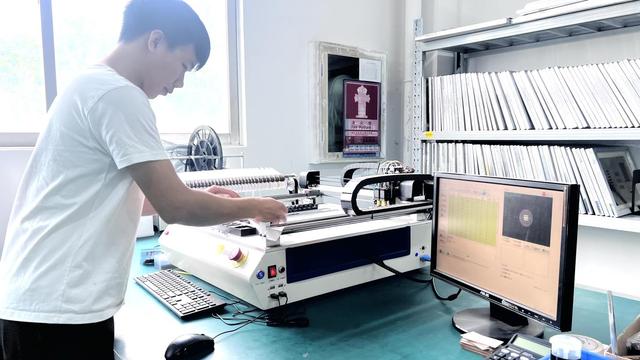
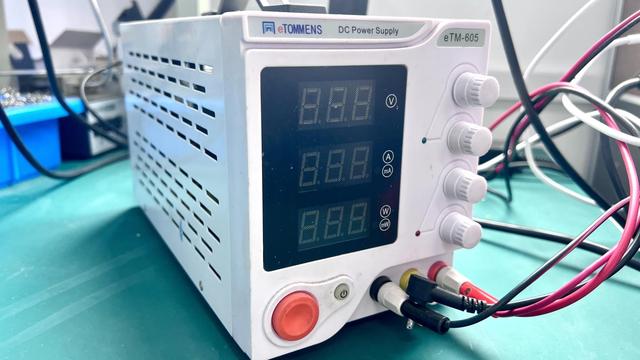
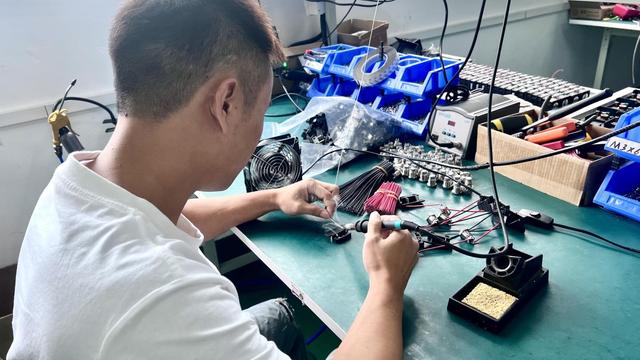
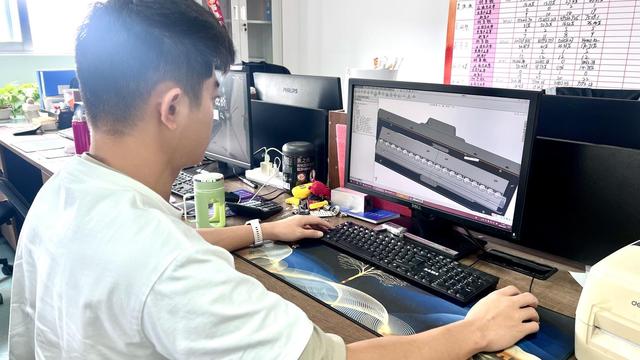
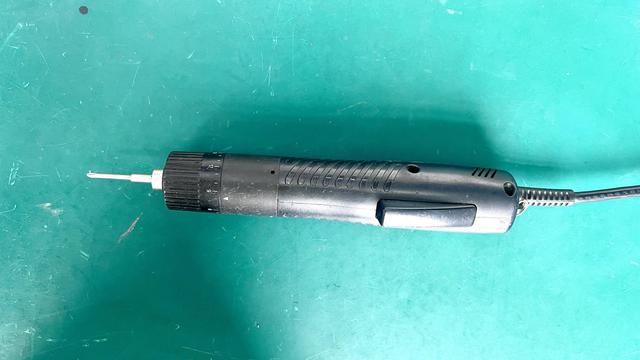
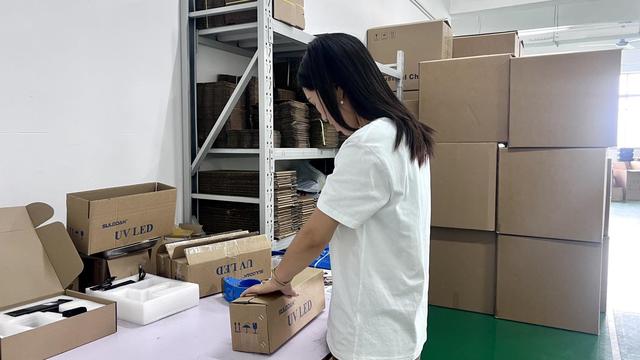
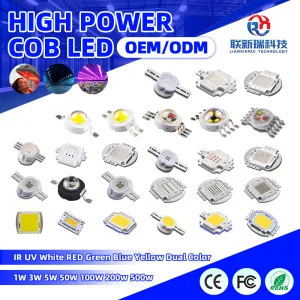
From micro-chips and pest management lights to heavy-duty industrial systems, explore our full range of solutions.
Answers to common engineering questions regarding the application and integration of UV flood lamps.
365nm is a shorter wavelength that provides high-energy photon interaction. This makes it ideal for curing surface coatings and achieving clean, clear bonds in thin, non-pigmented layers. 395nm is a longer wavelength that penetrates deeper into thick, opaque, or pigmented layers. Using the correct wavelength ensures optimal adhesion throughout the material.
Our systems use high-grade copper core PCBs along with either forced-air fan cooling or microchannel liquid cooling blocks. This design quickly dissipates heat from the LED junctions, keeping operating temperatures low, maintaining stable optical output, and extending system life.
Yes, our industrial systems feature digital I/O interfaces and RS485 Modbus connections. This allows automated manufacturing systems and PLCs to trigger exposure, adjust intensity, and monitor system performance remotely.
Standard mercury arc lamps typically last between 1,000 and 2,000 hours, and degrade steadily over time. LumiCure UV LED systems maintain stable output for over 20,000 hours. They also turn on and off instantly, eliminating warm-up periods and saving substantial energy.
Yes. As a direct OEM manufacturer, we design and produce custom curing footprints. We configure the LED arrays, reflector angles, and optical lenses to match your components, ensuring uniform curing across complex and hard-to-reach shapes.
 LumiCure Light