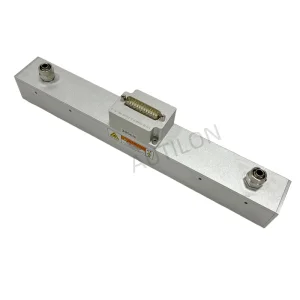
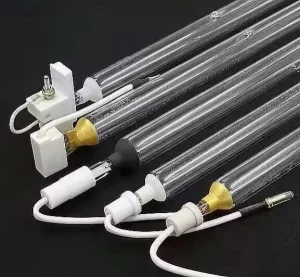
UV LED Offset Printing Curing Lamp Suppliers & Exporters serving the Jakarta Market

Accelerating Energy Transition and Production Yields in Jakarta's Packing, Label, and Commercial Printing Hubs with Custom-Engineered Water-Cooled Curing Solutions.

The Strategic Shifts in Jakarta's Industrial & Commercial Printing Markets

As the primary economic powerhouse of Indonesia, the Jakarta Metropolitan Area (Jabodetabek)—especially packaging zones across Kalideres, Cengkareng, and Bekasi—has witnessed an unprecedented acceleration towards energy conservation, eco-friendly policies, and high-yield manufacturing technologies. The rapid demand surge for pharmaceutical packages, premium FMCG cartons, and export-driven flexible wrappers has forced local printing plants to rethink their drying and curing processes.

Conventional mercury arc lamps, long considered the standard utility for offset presses, present serious challenges in Jakarta's warm tropical conditions. High ambient air temperatures combined with heavy humidity place immense strain on the plants' industrial chiller loads. Additionally, the skyrocketing cost of industrial electricity (PLN I-3 and I-4 tariff bands) directly impacts local bottom lines. Dongguan LumiCure Light Co., Ltd.'s custom water-cooled UV LED curing systems are specifically designed to address these concerns. They lower electricity consumption by up to 75-80% compared to traditional ultraviolet systems and eliminate mercury hazards, aligning perfectly with Indonesia's eco-standards and global supply chain requirements.

Up to 80%
Reduction in Electricity Consumption vs. Mercury Lamps
0% Ozone
Hazardous Gas Emissions for Healthier Pressrooms
20,000 hrs+
Lifespan of Premium LED Chips

Technical Analysis: UV LED vs. Mercury Vapor Lamps

Evaluating critical operational efficiency metrics under the local operating environments of Greater Jakarta.

Performance Parameter Traditional Mercury Vapor Lamp LumiCure High-Power UV LED Curing Systems Operational Impact on Jakarta Printshops
Energy Consumption High (Constant power draw, warm-up required) Ultra-low (Instant on/off, runs only during feed) Major reduction in monthly PLN industrial electricity bills.
Heat Transfer to Substrate High IR Radiation (Paper heats to 70°C+) Minimal IR heat radiation (Cold Curing, <35°C) Prevents paper warping and curling in Jakarta's high-humidity zones.
Service Lifespan ~1,000 to 1,500 Operating Hours >20,000 to 30,000 Operating Hours Eliminates costly down-time and frequent bulb replacements.
Environmental Risk Contains toxic Mercury, emits harmful Ozone 100% Mercury-free, Zero Ozone emission Guarantees compliance with Indonesian environmental regulations.
Instant Cure Speeds Dependent on constant thermal heating Instantaneous high peak irradiance cure Slashes turn-around time for localized packaging orders.

Global Trends and Local Jakarta Retrofitting Demands

Understanding how semantic shifts toward high-precision printing are redefining target specifications for purchasing managers.

Rising PLN Electricity Costs

Industrial rates in Indonesia demand aggressive energy-saving alternatives. Retrofitting with water-cooled UV LEDs offers a direct route to reducing operational overhead.

Eco-Regulation Compliance

Global consumer brands (FMCGs) active in Southeast Asia mandate mercury-free, low-emission packaging processes from their manufacturing vendors.

Substrate Versatility

Enables reliable inline curing on heat-sensitive thin films, plastic labels, synthetic materials, and thin cardboard stock without heat damage.
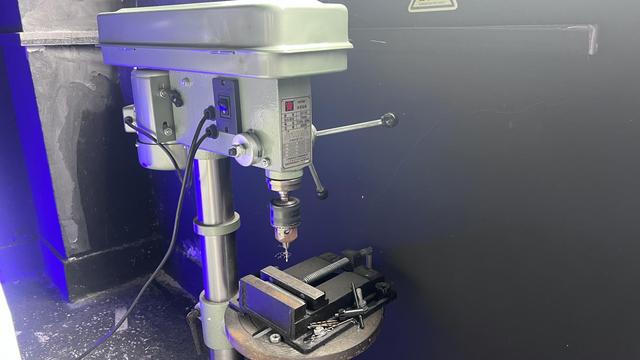
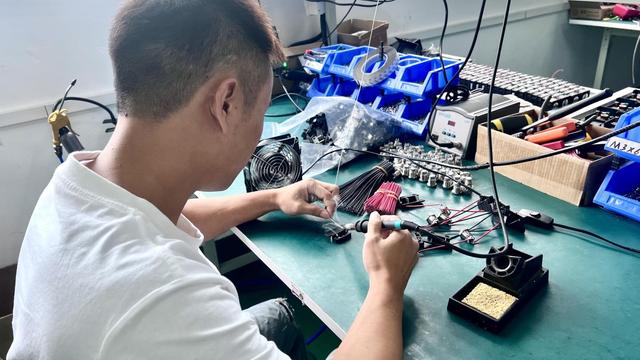
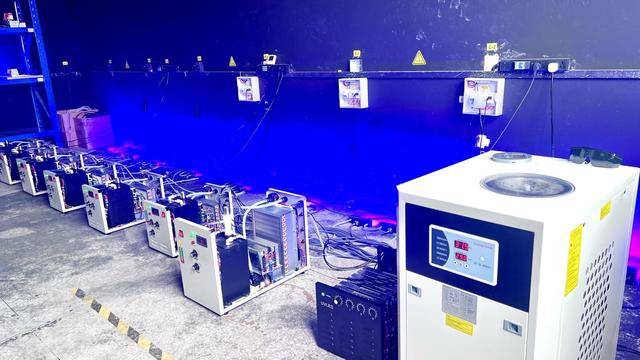
Dongguan LumiCure Light Co. Ltd. Factory 4.0 Assembly Line

China Factory 4.0: Supply Chain Resilience & Customization

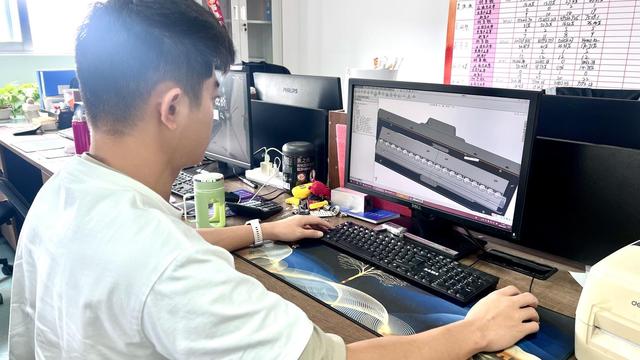
Dongguan LumiCure Light Co., Ltd. represents the standard of precision and scalability in China's Factory 4.0 landscape. We integrate our complete R&D processes with automated assembly and testing lines to deliver high-performance, cost-effective ultraviolet curing machinery.

Our key advantages for the Jakarta market include:

  • Proprietary COB Chip Packaging: In-house mounting of LED dies onto thermal copper boards ensures high irradiance (up to 25 W/cm²) and optimal heat dissipation.
  • Custom Mechanical Integration: Our engineers build tailored lamp casings designed for direct installation on Heidelberger, Komori, Ryobi, KBA, and Sakurai press geometries.
  • Robust Export Delivery Channels: Standardized export logistics from Shenzhen/Guangzhou ports to Tanjung Priok, Jakarta ensure fast shipping and secure customs clearance.

Localized Packaging and Printing Applications

Delivering high performance across targeted commercial workflows in Jakarta’s packaging, commercial printing, and label sectors.

FMCG Folding Cartons

High-peak irradiance lamps cure thick UV varnishes and inks on folding cartons, preventing food odor migration and improving scratch resistance.

Narrow-Web Labels

Compact UV LED curing setups fit seamlessly into narrow-web label presses, handling high-speed curing on delicate film materials like PVC, PET, and BOPP.

Flexible Packaging

Low heat output prevents film distortion and dimensional changes, allowing local converters to run delicate plastics through printing processes smoothly.

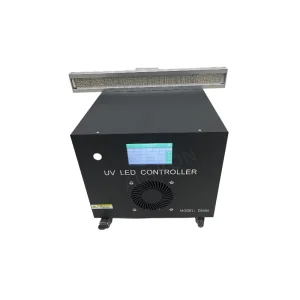
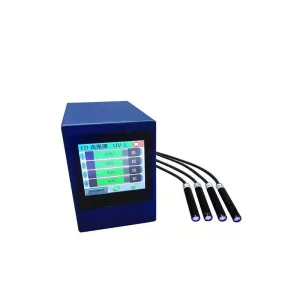
Complete UV LED Curing Equipment Portfolio

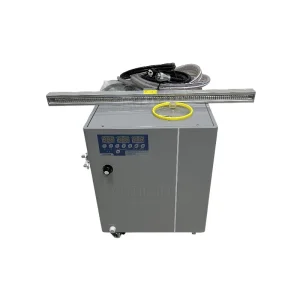
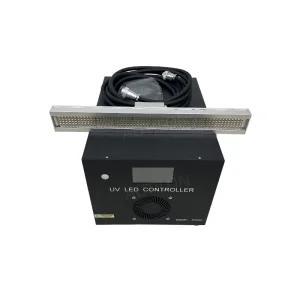
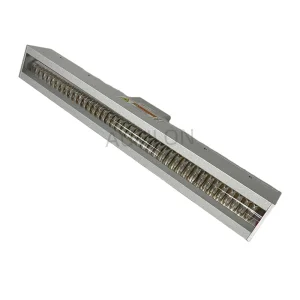
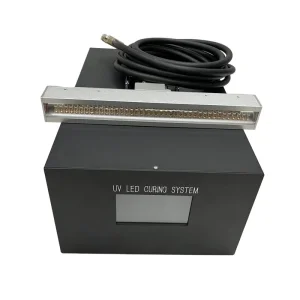
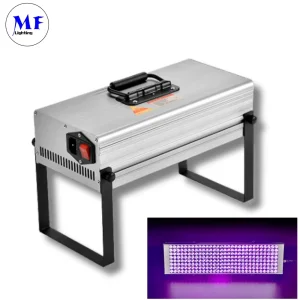
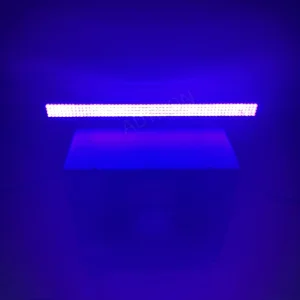
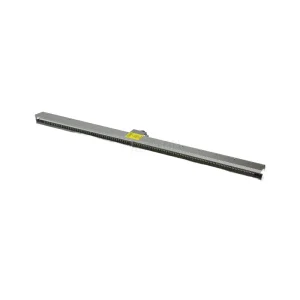
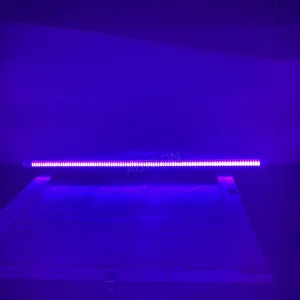
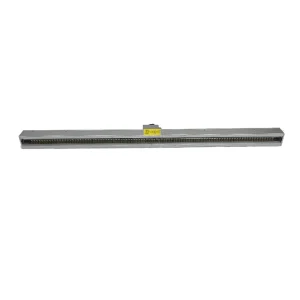
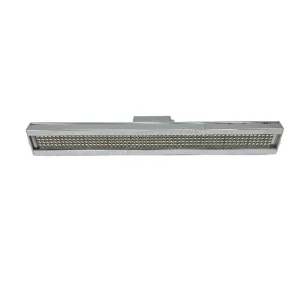
Browse our full range of water-cooled and high-intensity curing systems, designed for flexible integration into diverse offset, flexo, and label printing applications.
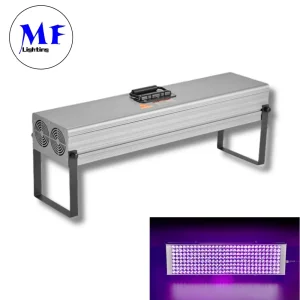
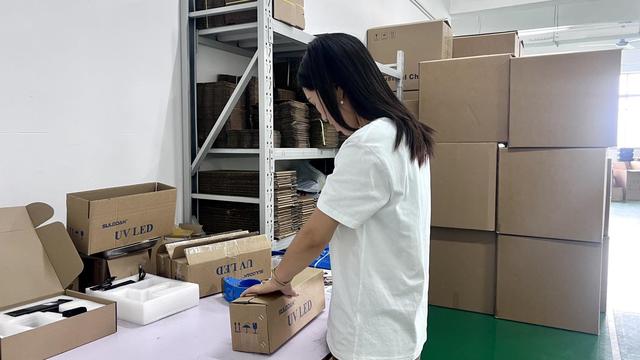
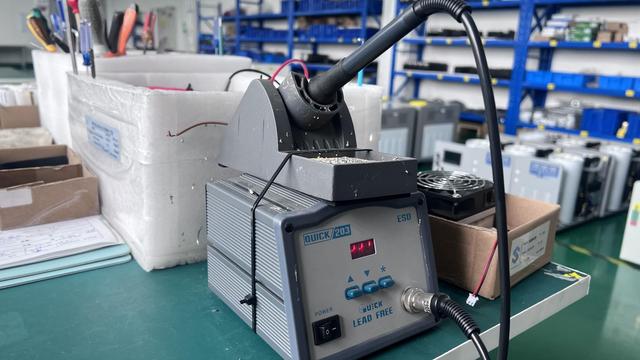
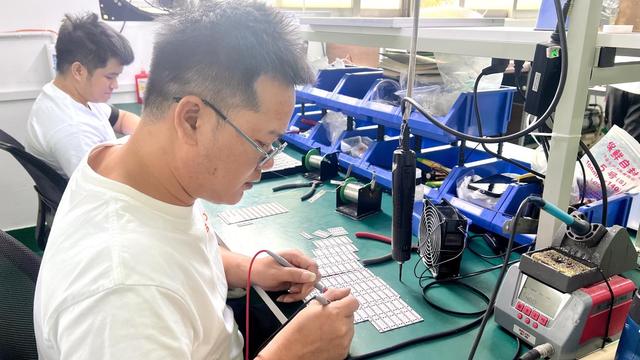
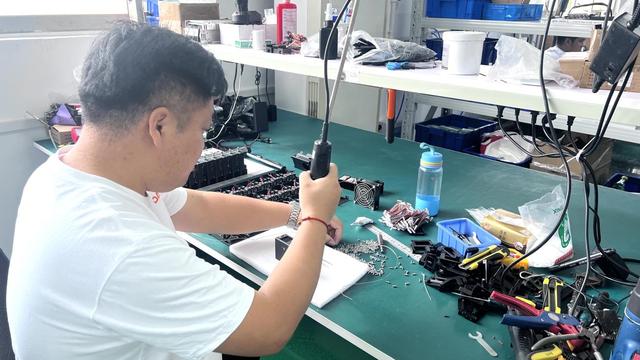
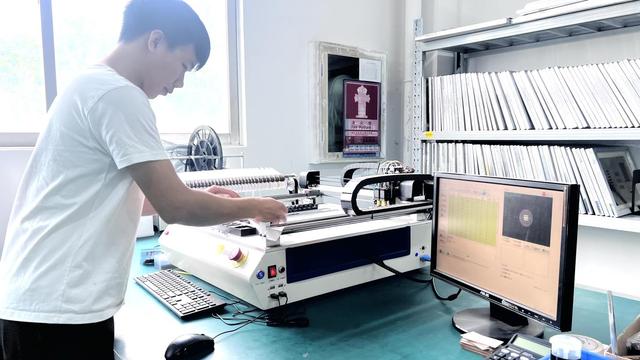
Our Manufacturing Facility & Strict Quality Controls

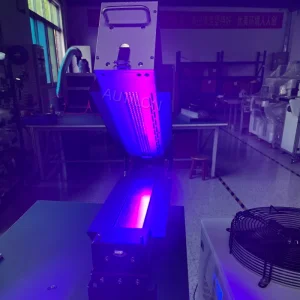
Inside Dongguan LumiCure Light Co., Ltd.: Where advanced technology meets rigorous quality standards to deliver high-performance curing systems globally.

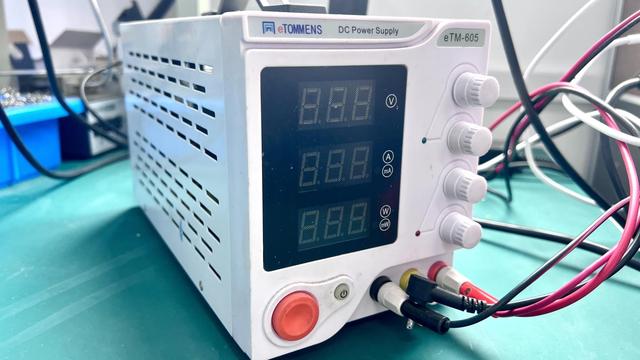
Quality is the foundation of our business. Every single component—from our COB arrays to the water cooling chambers—undergoes testing to ensure reliable operation under tough conditions. Through strict optical profiling, thermal stress modeling, and high-temperature cycling, we deliver stable performance for demanding industrial environments.
Technical FAQ & Purchasing Insights for Jakarta Importers

Find answers to common questions about retrofitting, electrical specs, logistics, and operational parameters.

1. Can LumiCure systems retrofit directly onto existing Heidelberg or Komori offset presses in Jakarta?
Yes, our engineering team specializes in custom OEM/ODM designs. We build customized mounting brackets, mechanical housings, and light shields to match the geometry of models like the Heidelberg Speedmaster, Komori Lithrone, Ryobi, or KBA. We also provide integration support for the electrical interfaces, linking the press speed directly to the lamp controller for synchronized automatic on/off operation.
2. What wavelength should we choose for curing UV inks in offset printing applications?
For typical offset UV inks, a wavelength of 395nm is recommended because it provides the best balance of deep penetration and surface curing speed. For applications that combine clear coatings, specialty varnishes, or flexo inks on label stocks, we can engineer custom configurations combining 365nm, 385nm, 395nm, or 405nm wavelengths within the same light engine.
3. How do water-cooled UV LED systems handle the high humidity and ambient temperatures of Greater Jakarta?
Air-cooled systems struggle in tropical climates because they depend on ambient air temperature. Our water-cooled systems isolate heat dissipation using high-precision chillers. The chiller controls the water temperature above the local dew point, which prevents condensation inside the lamp head while keeping the LED chips operating within safe temperature limits, even when ambient factory temperatures exceed 35°C.
4. What is the typical return on investment (ROI) timeframe for retrofitting to UV LED?
Most printing plants in Indonesia see a full ROI within 12 to 18 months. These savings come from:
  • Up to 75% reduction in electricity consumption compared to mercury vapor setups.
  • No replacement lamp costs (LED chips last over 20,000 hours, whereas mercury bulbs require replacement every 1,000–1,500 hours).
  • Reduced room cooling costs, as UV LEDs do not radiate high heat into the pressroom.
5. How does LumiCure manage shipping, customs clearance, and logistics for exports to Jakarta?
We export under standard FOB Shenzhen/Guangzhou or CIF Port of Tanjung Priok (Jakarta) terms. We prepare all necessary shipping documents, including commercial invoices, packing lists, CE/RoHS certificates, and Certificate of Origin (Form E) to help you minimize import tariffs within the ASEAN-China Free Trade Area.
6. Do these curing lamps generate ozone during operation?
No. Unlike mercury arc lamps, which emit short-wave UV radiation that reacts with oxygen to generate ozone, our UV LED lamps operate within narrow spectra (such as 395nm or 385nm). These longer wavelengths do not generate ozone, keeping your workspace safer and eliminating the need for complex exhaust piping systems.
7. What maintenance is required to keep water-cooled UV LED lamps operating efficiently?
Maintenance is straightforward:
  • Inspect and clean the quartz window protective glass regularly using industrial alcohol to remove paper dust and ink mist.
  • Change the chiller water and clean the water filters every 3–6 months to prevent mineral buildup and algae growth.
  • Verify flow rates periodically to ensure consistent heat dissipation across the system.
8. How does the print quality of UV LED compare to conventional curing methods?
UV LED curing improves print quality by curing inks instantly. Since there is no delay in drying, inks do not bleed or soak excessively into the paper fibers, resulting in sharper dots and more vibrant colors. It also eliminates the need for anti-setoff powders, leaving the surface smooth and ready for immediate post-press processing like folding, cutting, or laminating.

Ready to optimize your pressroom efficiency?

Consult Our Engineering Experts