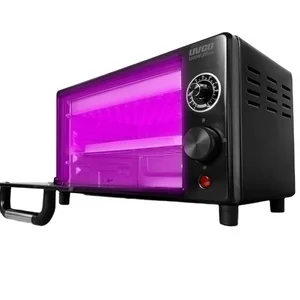
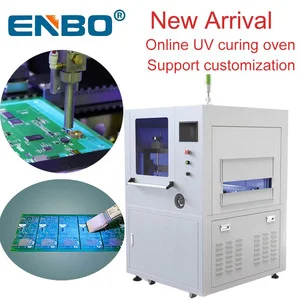
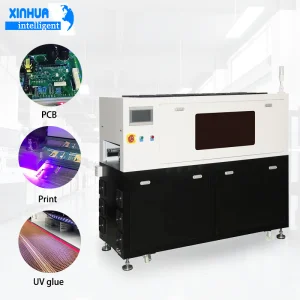
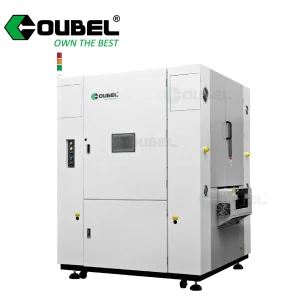
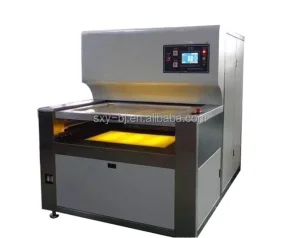
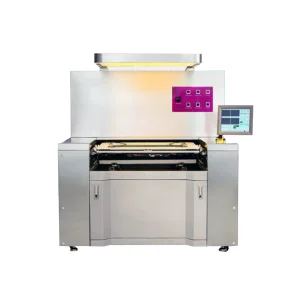
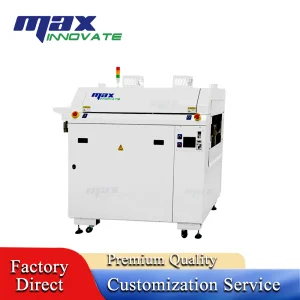
Engineered for immediate integration into French high-precision PCB assembly lines and advanced R&D laboratories.
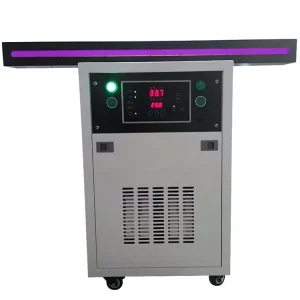
A technical white paper on decarbonization, efficiency, and microelectronics evolution in France.
France has established itself as a leading power in Europe's high-tech manufacturing corridors, driven by advanced aerospace clusters in Toulouse, automotive automation hubs in Lyon, and semiconductor research institutes in Grenoble. As French electronic manufacturing services (EMS) providers transition to smarter, greener production lines, the demands placed on curing equipment have evolved. Traditional mercury arc systems are being rapidly replaced due to stringent European environmental frameworks, high energy overheads, and thermally induced PCB damage risks.
Industrial PCB production in France requires high precision. High-Density Interconnect (HDI) boards, multi-layer rigid-flex circuits, and delicate substrate materials used in aerospace radar and automotive sensor arrays cannot tolerate the excessive heat output generated by legacy systems. UV LED curing systems provide monochromatic wavelengths (primarily 365nm and 395nm) that directly target photoinitiators in solder masks and conformal coatings, transferring minimal heat to the board itself.
Under France's Energy Transition for Green Growth Act (LTECV) and EU directives, manufacturers must demonstrate concrete reductions in energy consumption. UV LED curing systems achieve up to an 80% decrease in electricity usage compared to standard gas-discharge lamps, while eliminating ozone ventilation costs and hazardous mercury waste handling.
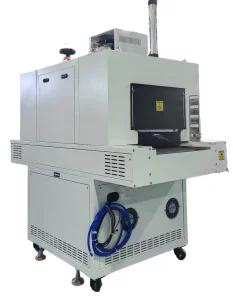
Heavy-duty, automated curing arrays built for high-throughput French SMT production environments.
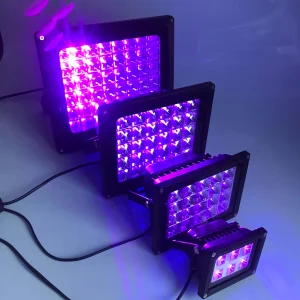
The core mechanism of UV curing lies in photopolymerization. A photoinitiator within the solder mask, conformal coating, or adhesive formulation absorbs UV light energy and converts it into free radicals or cations. These active species trigger the polymerization reaction, transforming the liquid formulation into a fully cross-linked solid film within seconds.
For high-reliability PCBs used in aerospace (e.g., Airbus projects in Toulouse) and automotive sectors (under French automotive standards), curing completeness is vital. Incomplete curing can lead to outgassing, poor chemical resistance, or low moisture barriers, potentially causing micro-cracking and electrical failures in harsh operating environments.
Spectral output is a critical variable in this process:
French electronics manufacturing relies on automation and data traceability. Our UV LED curing ovens and conveyor units are designed for integration into standard SMEMA-compatible surface mount lines. Using PLC controls, French factories can monitor real-time operating parameters, such as curing temperature, UV intensity profiles, and conveyor speed, feeding data back into central Manufacturing Execution Systems (MES) for traceability.
By using water-cooled and fan-cooled modules, these curing systems maintain a stable operating temperature, preventing shifts in wavelength output and intensity. This level of process control supports consistent curing performance, which is vital for quality assurance in precision manufacturing.
Dongguan LumiCure Light Co., Ltd. is a professional China UV LED curing lamp manufacturer specializing in the research, development, production, and supply of industrial UV curing systems and customized UV LED solutions. With a strong focus on innovation, quality, and customer satisfaction, LumiCure has become a trusted partner for manufacturers worldwide seeking efficient and reliable curing technologies.
Our product range includes UV LED curing lamps, UV LED spot curing systems, flood curing lamps, conveyor UV curing machines, UV LED modules, printing curing systems, adhesive curing equipment, and customized industrial UV solutions. These products are widely applied in printing, electronics assembly, semiconductor packaging, optical bonding, automotive manufacturing, medical devices, 3D printing, and various precision industrial processes.
Backed by an experienced engineering team and advanced manufacturing facilities, LumiCure is committed to developing energy-saving and environmentally friendly UV curing technologies. Our products feature high curing efficiency, precise wavelength output, long service life, low maintenance requirements, and intelligent control capabilities, helping customers improve productivity while reducing operating costs.
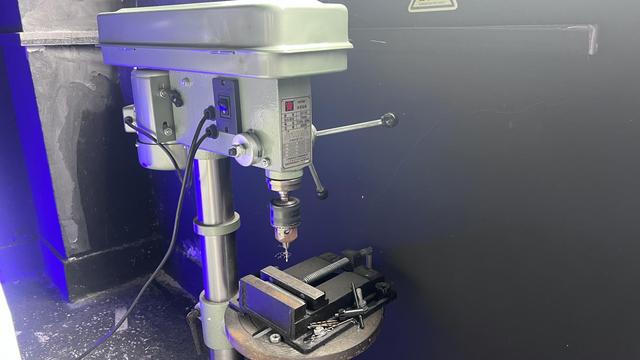
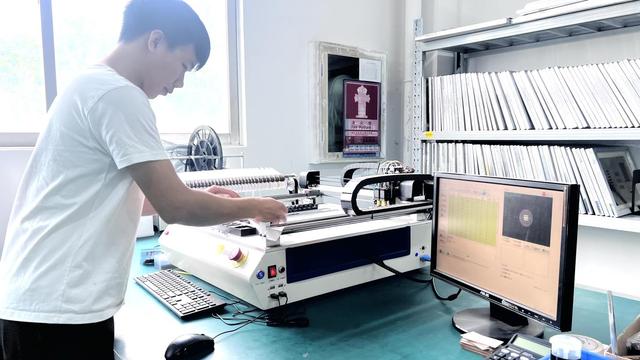
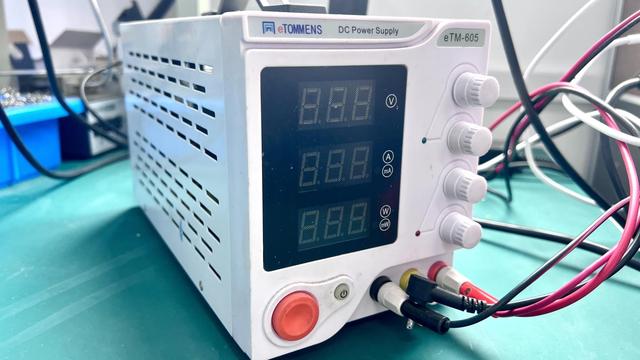
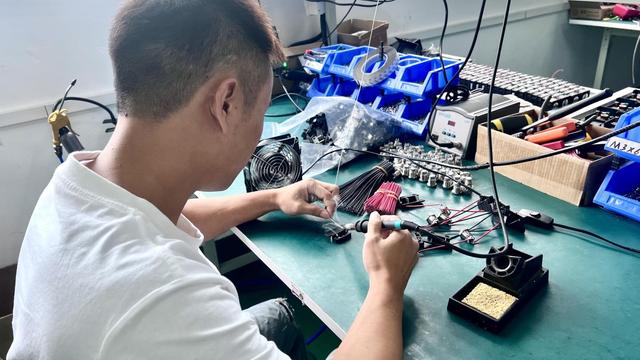
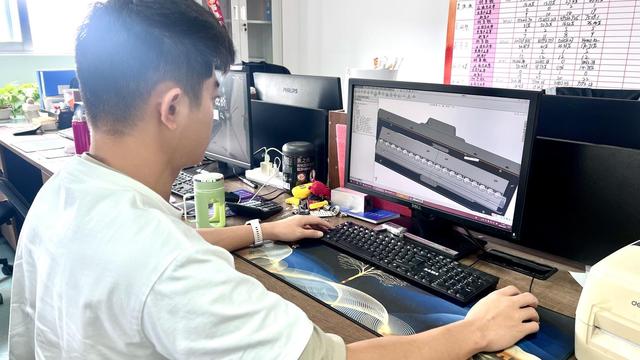
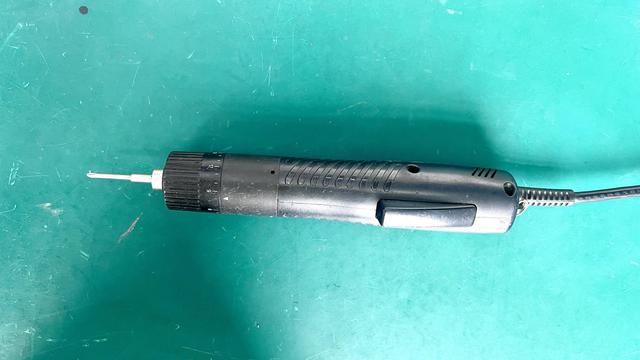
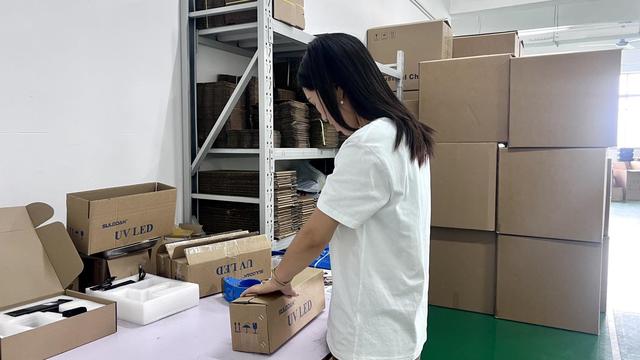
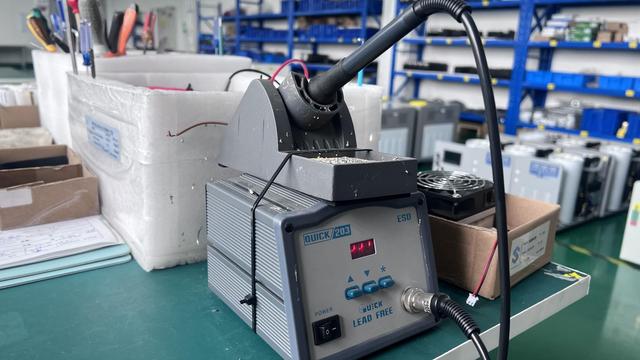
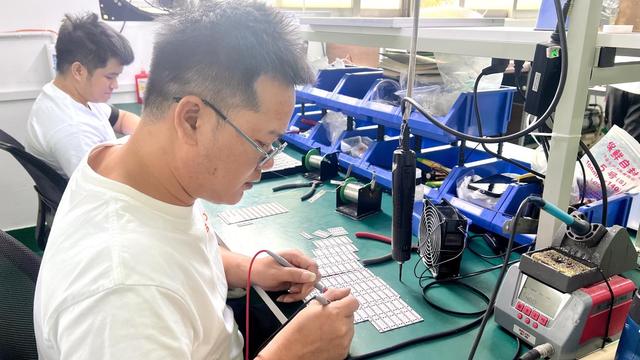
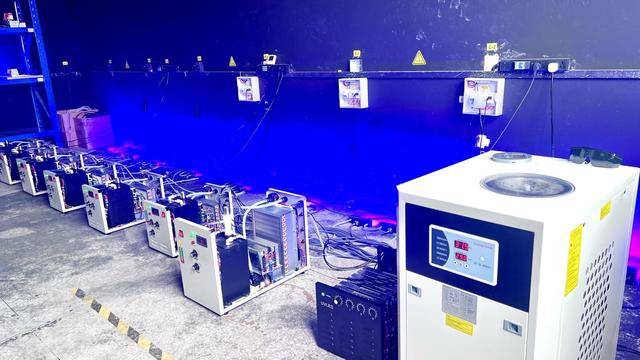
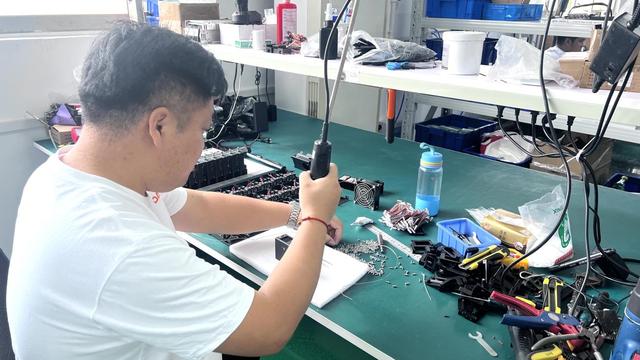
Tailored configurations optimized for localized production specifications in Toulouse, Lyon, and Grenoble.
Conformal coating curing for high-reliability avionics and satellite PCBAs. Strict thermal control ensures that delicate components (BGAs, microcontrollers) are not subjected to thermal stress during high-intensity UV irradiation.
Fast curing of moisture-resistant underfills, adhesives, and lens bonding materials for ADAS cameras and radar systems. High-intensity 365nm systems provide deep penetration and cross-linking to prevent failures caused by road vibration.
ISO 13485-compliant curing of biocompatible adhesives in medical device PCBs. Cleanroom-compatible cooling designs minimize particle generation and prevent contamination of sensitive medical instrumentation.
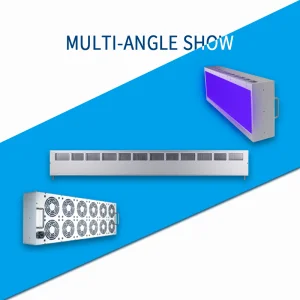
Explore our complete lineup of custom ovens, line irradiation modules, double-sided exposure equipment, and high-temperature systems.
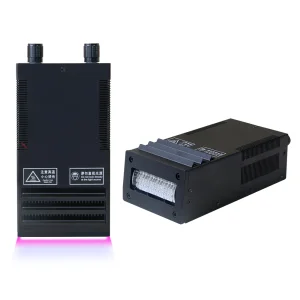
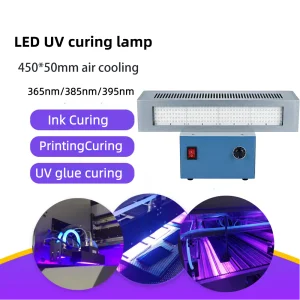
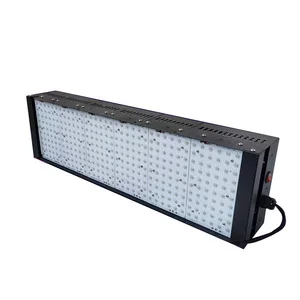
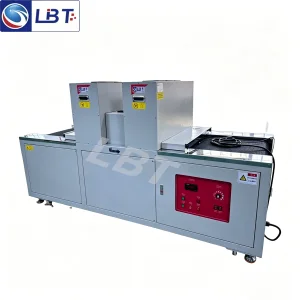
Innovations driving the future of optical curing and micro-electronics assembly.
As the electronics industry trends toward miniaturization (0201 and 01005 component form factors) and 3D stacked IC architectures, curing requirements are becoming more stringent. Over the next five years, UV curing technology will see key shifts in development:
At LumiCure, our research focuses on these advancements. We aim to support electronics manufacturers in France and across Europe with technology that meets these evolving demands.
Answers to technical questions about UV LED PCB curing, system integration, and operation.
LumiCure works with engineers globally to design custom UV LED fixtures, conveyor tunnels, and exposure systems that match specific production requirements. Contact us to discuss your project.
Send Inquiry Now LumiCure Light