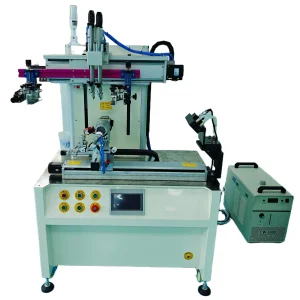
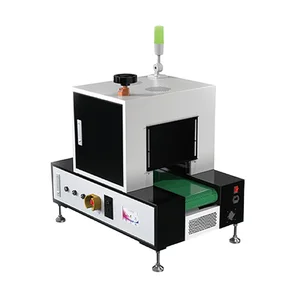
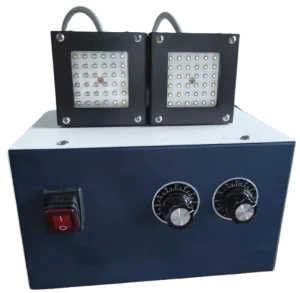
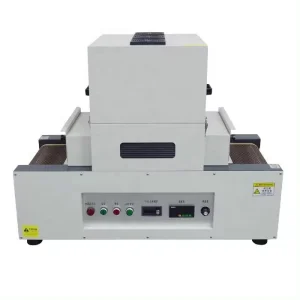
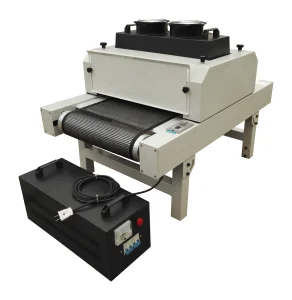
High-irradiance LED curing configurations designed for retrofitting existing screen printing lines and integration into new high-speed industrial presses.
The Greater Los Angeles Area is home to the most diverse manufacturing cluster in the United States, spanning the fashion houses of the LA Fashion District, high-tech biomedical facilities in Orange County, and aerospace contractors in El Segundo and South Bay. However, operating print production machinery in Southern California requires navigating a demanding regulatory web. Print houses are subject to the oversight of the South Coast Air Quality Management District (SCAQMD), particularly Rule 1130 (Graphic Arts) and Rule 1171 (Solvent Cleaning Operations).
Traditional mercury vapor UV curing systems generate substantial ozone and emit volatile organic compounds (VOCs) when curing solvent-heavy inks. Upgrading to our UV LED curing systems directly addresses these operational hurdles. By converting to Solid-State LED curing, print operations eliminate VOC output, run zero-ozone lines, and avoid the ventilation infrastructure costs required to expel mercury gas byproducts.
Additionally, California’s aggressive energy legislation, including Title 24 Building Standards and state carbon reduction targets, imposes high tariffs on heavy energy consumption. UV LED curing systems consume up to 75% less electricity than legacy mercury bulb systems. Our systems feature instant on/off technology, meaning energy is consumed only during active ink exposure. There is no warm-up cycle, standby energy drain, or thermal load dumped into your facility air conditioning systems—reducing cooling utility loads for factories in the Inland Empire and San Fernando Valley.
Dongguan LumiCure Light Co., Ltd. specializes in helping Los Angeles companies retrofit their lines. We supply high-irradiance water-cooled and air-cooled systems that seamlessly interface with automated silk screen printing lines, ensuring compliance, safety, and rapid ROI.
*Based on comparison testing between LumiCure High-Power 395nm LED systems and standard 300 W/inch medium pressure mercury arc lamps.
Optimizing photoinitiator excitation is key to achieving consistent cross-linking and surface hardness without burning thin or heat-sensitive substrates.
We supply diodes with precise narrow-band spectral outputs. 365nm is optimized for clear varnishes, thin coatings, and surface-curing properties, maximizing hardness and scratch resistance. For thick, highly-pigmented screen printing inks (such as opaque whites, dense blacks, and metallic inks), we utilize 385nm and 395nm wavelengths to penetrate deep into the ink film, ensuring total curing down to the substrate interface for superior adhesion.
For high-duty cycle screen printing operations, maintaining stable junction temperatures for the LED chips is vital. Our water-cooled arrays utilize high-flow copper micro-channel coolers to manage extreme heat density. This prevents thermal degradation and maintains uniform irradiance across wide curing zones (up to 2000mm). For compact, semi-automatic flatbed systems, our air-cooled fan assemblies offer a compact footprint, easy integration, and reduced maintenance.
High-speed printing requires not only high peak irradiance (measured in $W/cm^2$ at the print surface) to trigger initial polymerization, but also sufficient total energy density (dose, measured in $J/cm^2$) to complete the curing cycle. Our systems feature intelligent controller integration that links the curing intensity dynamically to the conveyor speed, maintaining stable dose delivery during ramp-up and deceleration.
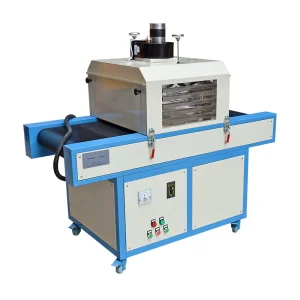
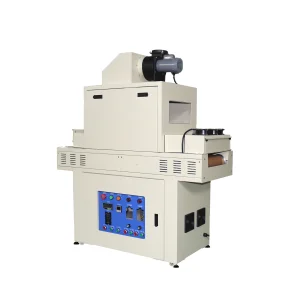
Heavy-duty conveying drying machinery designed to handle flat sheets, rolls, and industrial parts under harsh daily production schedules.
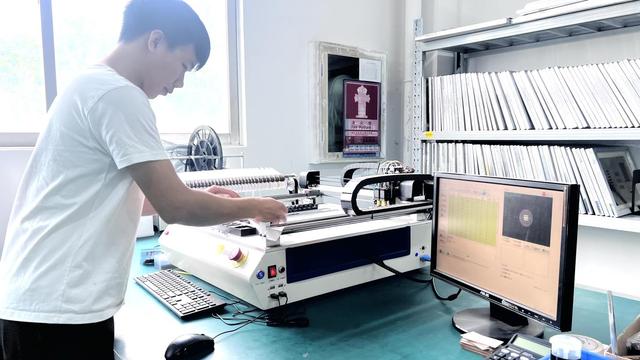
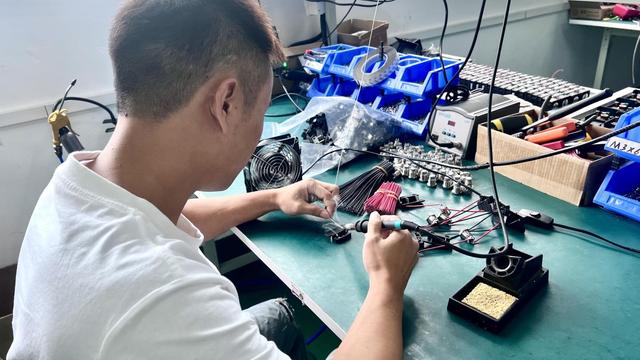
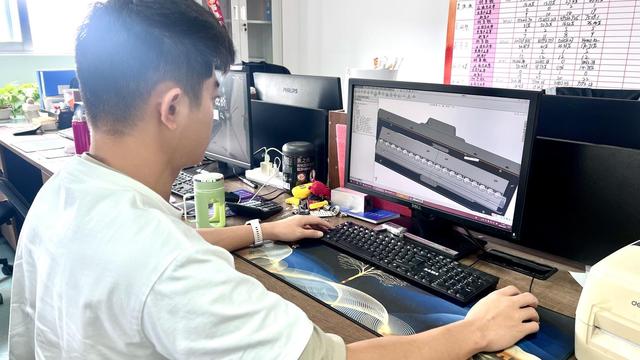
Based in the manufacturing hub of Dongguan, China, Dongguan LumiCure Light Co., Ltd. serves as a reliable exporter of high-performance UV LED curing components to North America, Europe, and Asia. Our factory features integrated R&D labs, clean-room assembly bays, and automated SMD placement machinery, allowing us to manage every step from raw wafer packaging to final optical testing.
By bypassing standard distributor layers, Los Angeles print companies can work directly with our engineering team. We supply customized OEM/ODM curing modules engineered to fit specific web configurations, including custom mounting brackets, custom optical focal lengths, and modular electronic integration kits that communicate with your master PLC. This direct engineering pipeline reduces procurement costs, speeds up delivery times, and provides robust technical support.
Quality and stability are central to our manufacturing process. We source high-grade LED chips from top-tier suppliers (including Japan's NICHIA and San'an) to construct arrays with consistent spectral output and low heat degradation. Every curing lamp system runs through a continuous 72-hour high-temperature stress test before packing, guaranteeing that the power output matches catalog specifications upon arrival.
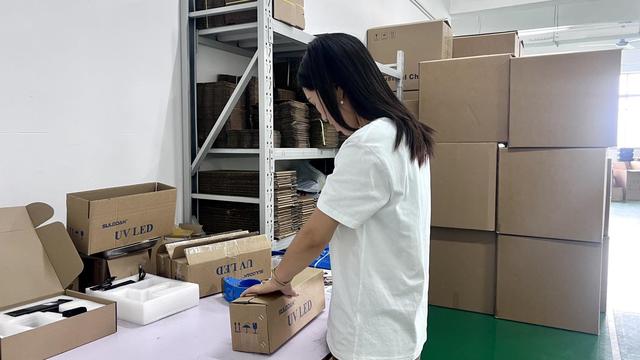
For import logistics to Southern California, we offer streamlined shipping direct to the Port of Los Angeles or Port of Long Beach, as well as expedited air freight to LAX. Our logistics team handles international shipping documentation, custom clearance paperwork, and ensures all shipments comply with US electrical standards (UL-listed, CE, and RoHS certified).
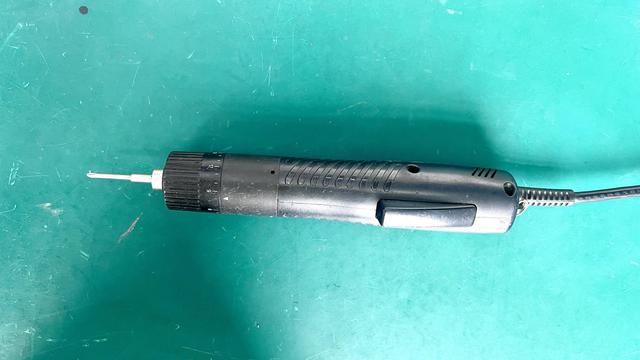
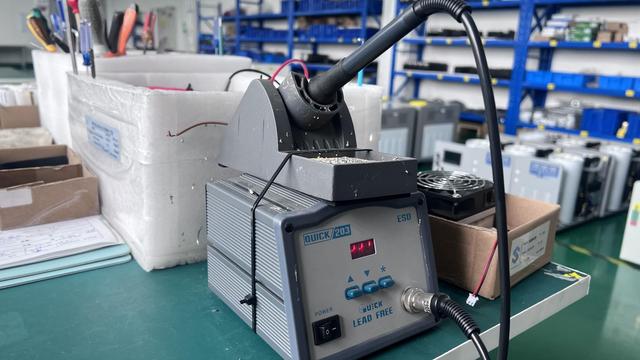
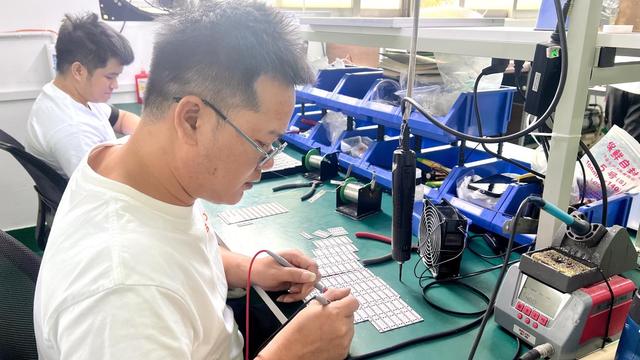
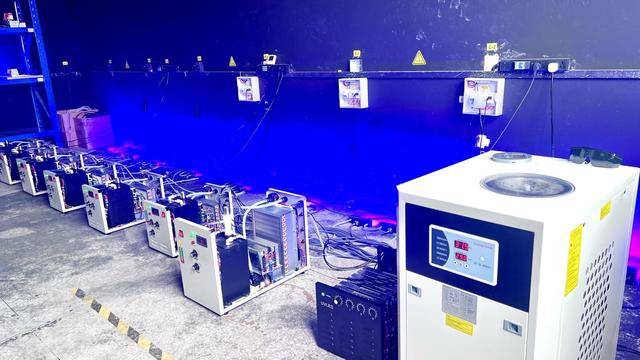
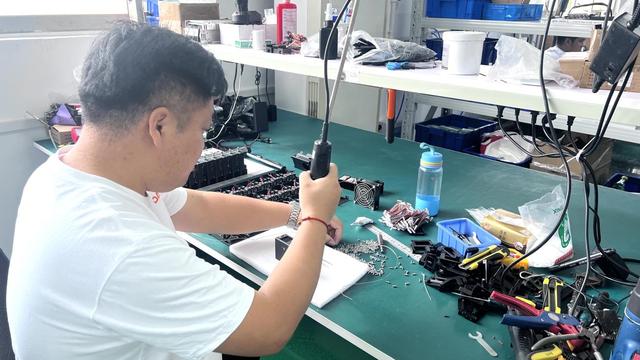
Step inside our state-of-the-art facilities in Dongguan. Our rigorous quality management guarantees long-term durability and stable optical output under 24/7 commercial operation.
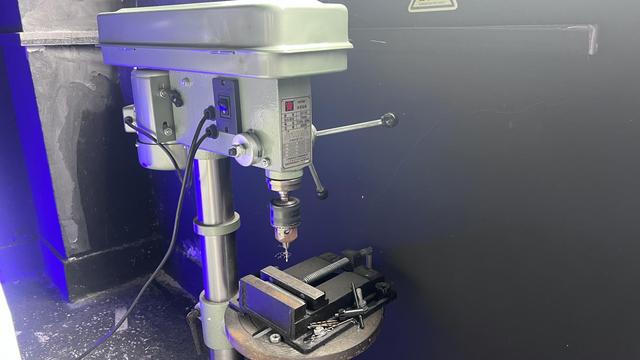
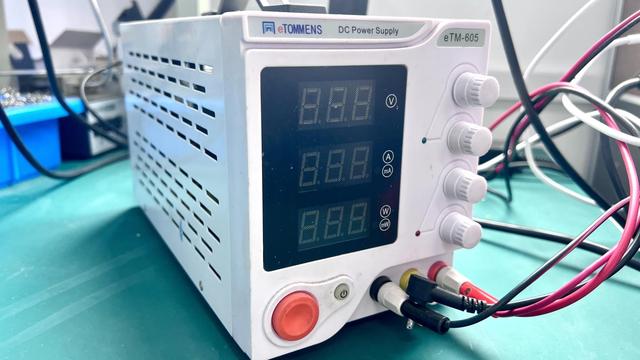
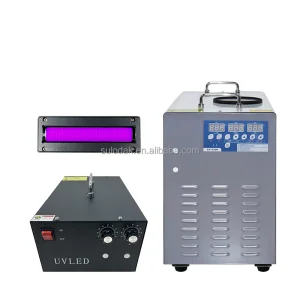
Select from our specialized commercial systems, including high-capacity bottle curing tunnels, modular diode arrays, and screen exposure units.
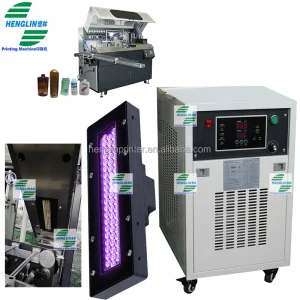
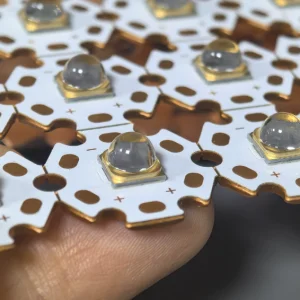
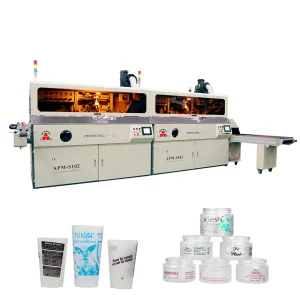
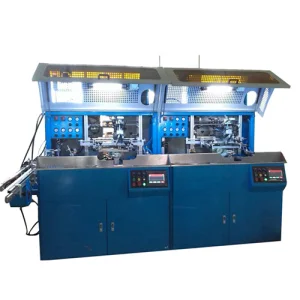
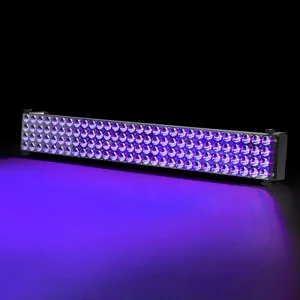
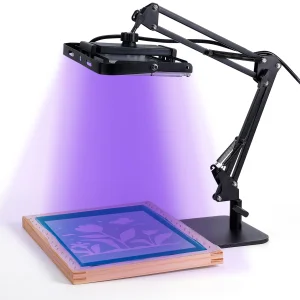
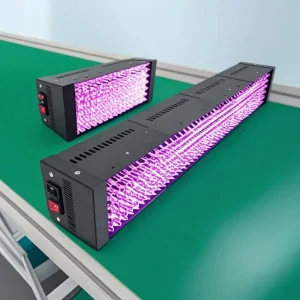
From high-speed roll-to-roll labels to complex structural components, our systems are built for specific commercial processes.
Niche: High-volume textile decoration in the Los Angeles Fashion District.
Challenge: Traditional plastisol drying requires long gas ovens that raise building ambient temperatures and run up high gas utility bills.
LumiCure Solution: Our high-power 395nm LED systems cure specialized UV textile inks instantly. Our 300W water-cooled arrays mount directly onto carousel stations (such as M&R or Roq presses), allowing prints to cure completely on-station without losing registration.
Niche: High-precision bottle decoration in Vernon and City of Industry packaging hubs.
Challenge: Curing heavy inks on curved HDPE, glass, and PET containers without causing thermal deformation.
LumiCure Solution: Using customized focal optics, we project concentrated, cold UV-A light directly onto cylindrical substrates, curing screen inks at conveyor speeds up to 4,000 units/hour while protecting plastic containers from high temperatures.
Niche: Fine-line membrane switches and overlay printing in South Bay and Orange County.
Challenge: Extreme dimensional tolerance requirements on polycarbonate, polyester, and acrylic films.
LumiCure Solution: Because our LED modules operate at low thermal temperatures, thin poly films experience zero heat shrinkage or warp. This maintains tight registration tolerances across multi-pass overlay runs.
Detailed answers addressing compliance, mechanical configuration, retrofit questions, and importing logistics.
Connect with our Dongguan engineering team for a detailed layout consultation, optical simulation report, and price quote.
Proudly supplying compliant industrial systems to businesses in Los Angeles, Irvine, Ontario, San Diego, and across North America.
 LumiCure Light