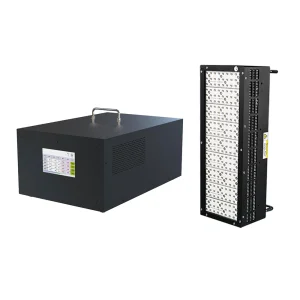
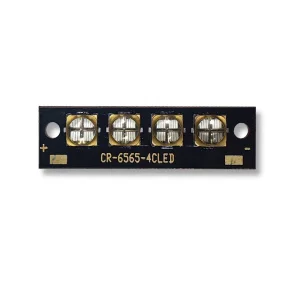
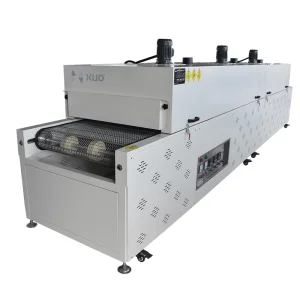
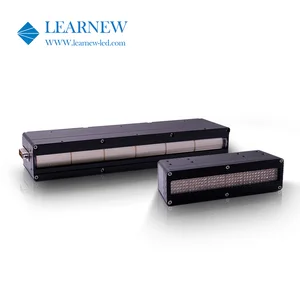
An engineering analysis of modern UV LED curing technology, optical efficiency parameters, and industrial implementation frameworks.
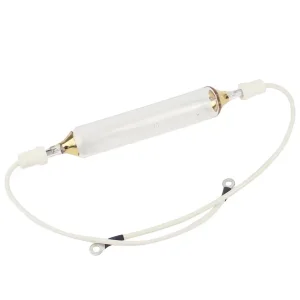
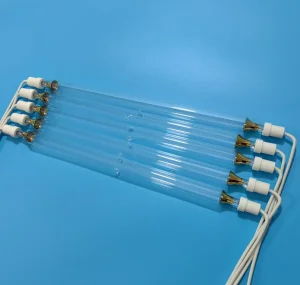
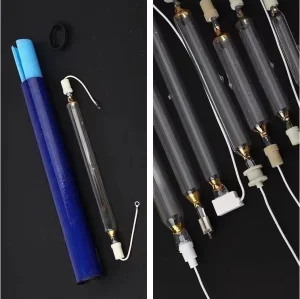
For decades, traditional medium-pressure mercury vapor lamps served as the industrial standard for photopolymerization processes. However, these systems present significant operational limitations, including high thermal output, long warm-up cycles, rapid degradation of intensity, and ecological risks associated with mercury disposal. The development of high-power UV LED curing systems has established a new paradigm in manufacturing efficiency.
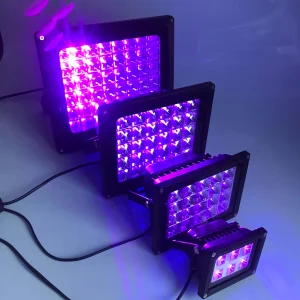
Unlike broadband mercury arc lamps, UV LED curing systems emit narrow-band monochromatic light (typically ±5nm to ±10nm deviation around a target wavelength like 365nm, 385nm, 395nm, or 405nm). This targeted spectral output aligns precisely with the absorption spectra of modern photoinitiators, maximizing energy efficiency and reducing heat transfer to temperature-sensitive substrates.
Optical Intensity Benefit: Delivering monochromatic irradiance up to 16 W/cm² enables immediate cross-linking of polymers, allowing line speeds to exceed 200 m/min in industrial printing setups.
When selecting a commercial UV LED Curing System, design engineers must analyze three core physical attributes:
Precision Engineering and Manufacturing of Professional UV LED Curing Units.
Dongguan LumiCure Light Co., Ltd. is a professional China UV LED curing lamp manufacturer specializing in the research, development, production, and supply of industrial UV curing systems and customized UV LED solutions. With a strong focus on innovation, quality, and customer satisfaction, LumiCure has become a trusted partner for manufacturers worldwide seeking efficient and reliable curing technologies.
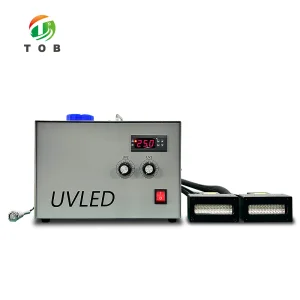
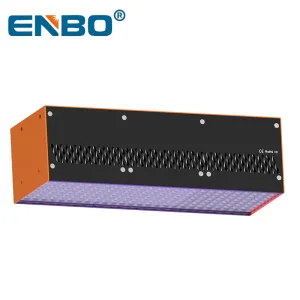
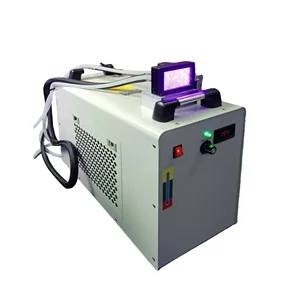
Our product range includes UV LED curing lamps, UV LED spot curing systems, flood curing lamps, conveyor UV curing machines, UV LED modules, printing curing systems, adhesive curing equipment, and customized industrial UV solutions. These products are widely applied in printing, electronics assembly, semiconductor packaging, optical bonding, automotive manufacturing, medical devices, 3D printing, and various precision industrial processes.
Backed by an experienced engineering team and advanced manufacturing facilities, LumiCure is committed to developing energy-saving and environmentally friendly UV curing technologies. Our products feature high curing efficiency, precise wavelength output, long service life, low maintenance requirements, and intelligent control capabilities, helping customers improve productivity while reducing operating costs.
Quality remains the foundation of our business. Every product undergoes rigorous testing and strict quality control procedures throughout the manufacturing process to ensure consistent performance and reliability. We also provide comprehensive OEM and ODM services, enabling customers to customize products according to their specific technical and application requirements.
Navigating industrial safety directives and engineering integration across Europe, North America, and Asia.
Compliance with EU Machinery Directive (2006/42/EC), Low Voltage Directive (2014/35/EU), and EMC Directive (2014/30/EU). Essential for direct integration into European production lines.
Compliance with EN 62471 standards for optical radiation emissions. Products feature engineered shielding and integrated interlocks to prevent exposure risk to system operators.
Total elimination of lead, mercury, and hazardous materials from our electrical control modules and COB light engines, easing environmental reporting burdens for Tier 1 OEMs.
Industrial machinery downtime is extremely expensive. LumiCure maintains global engineering partnerships to offer field application services. Whether integrating customized UV systems into high-speed offset printing presses in Germany, or installing UV curing modules onto automated assembly lines in the United States, our engineering staff provides step-by-step assistance with mechanical layout, electrical interfacing (including Modbus, PLC integrations), and thermal cooling loop configurations.
Dongguan sits at the center of the global precision manufacturing ecosystem. This physical proximity allows LumiCure to maintain strict quality control, optimize production lead times, and control manufacturing costs. Our integrated supply chain offers distinct advantages:
Supply Chain Security: "By keeping machining, surface mount assembly, optics fabrication, and thermal testing within a 20-mile radius, we insulate international buyers from component delays."
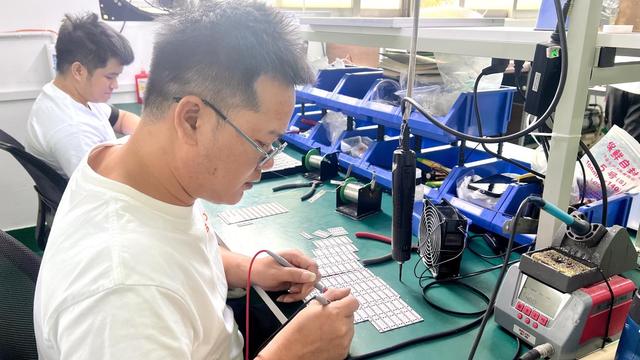
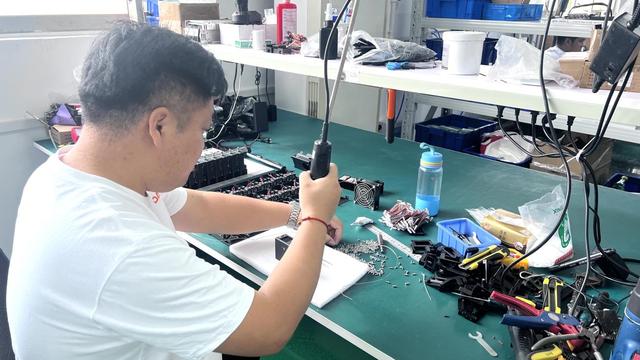
Through comprehensive vertical integration, LumiCure controls the assembly process from chip-on-board (COB) packaging to high-power driver assembly. This allows us to guarantee optical power output consistency and offer cost savings to global distributors and machinery OEMs.
How high-performance UV LED light curing technology optimizes productivity across diverse industrial processes.
High-reliability encapsulation for die bonding, wire protection, and underfill processes. Our precise 365nm optical profiles cure adhesive layers without exposing active silicon to excessive thermal stress.
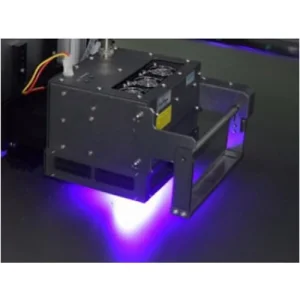
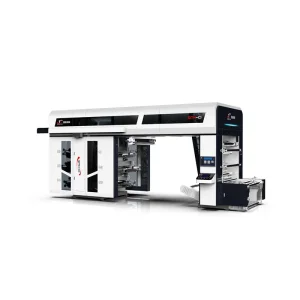
Water-cooled 395nm UV systems designed for flexographic, offset, and high-speed inkjet presses. Instantly dry inks on paper, plastics, and foils without substrate distortion.
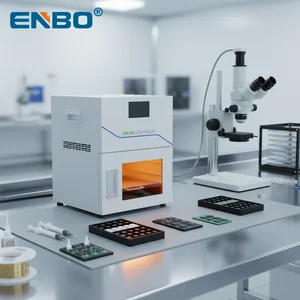
Controlled low-intensity systems for assembly of optical lenses, camera modules, touch displays, and conformal coating of PCBs. Ensures minimal stress distortion and bubble-free curing.
Upcoming changes, technology upgrades, and structural demands shaping the photopolymerization sector over the next decade.
Modern chemistry formulations are evolving. While standard curing processes rely on a single peak wavelength, new formulations require multi-wavelength setups (such as a 365nm + 395nm combination in the same array). This technique targets different photoinitiator depths simultaneously: 395nm light penetrates deep into the material, while 365nm light cures the surface, preventing oxygen inhibition and ensuring consistent curing throughout the layer.
Modern factories demand real-time feedback loops. Our latest systems feature integrated smart controllers that monitor operating temperature, driver voltage, and optical irradiance. This data is transmitted back to central PLC monitors via Modbus/TCP or EtherNet/IP, enabling predictive maintenance and reducing unexpected downtime on the factory floor.
As the Minamata Convention on Mercury continues to phase out mercury-containing equipment worldwide, companies are looking to convert their existing operations to solid-state UV systems. Upgrading to UV LED curing technology reduces carbon footprint, cuts energy consumption by up to 50%, and eliminates hazardous waste disposal costs.
Answers to common engineering, procurement, and integration questions about UV LED curing technology.
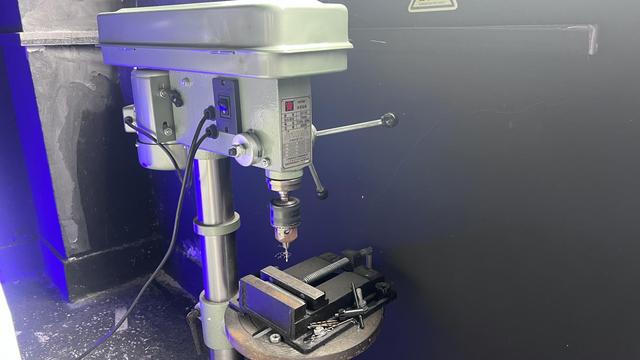
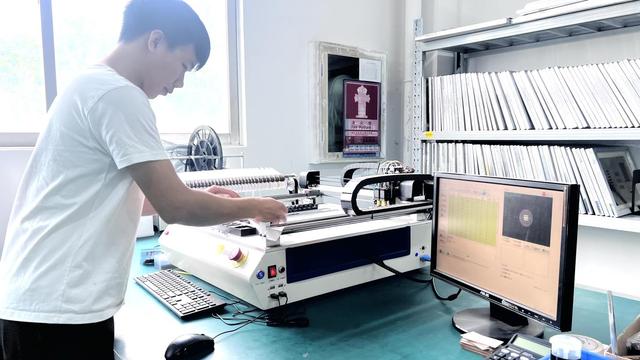
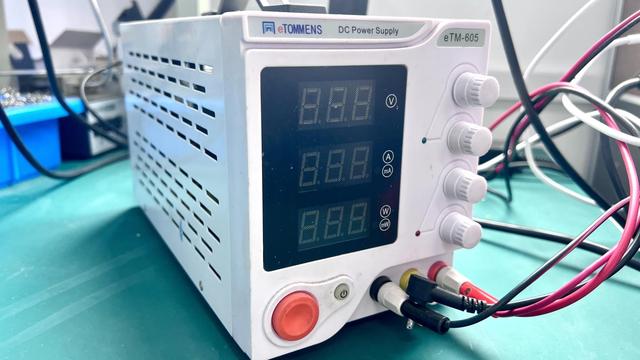
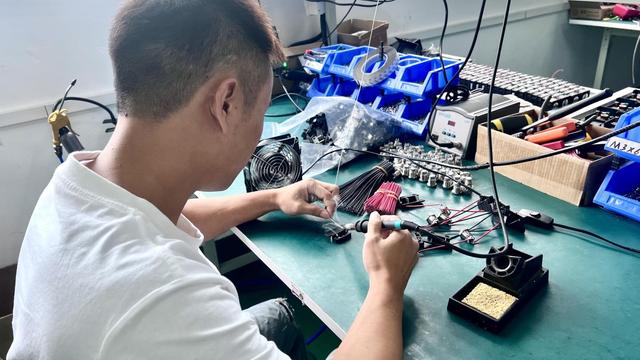
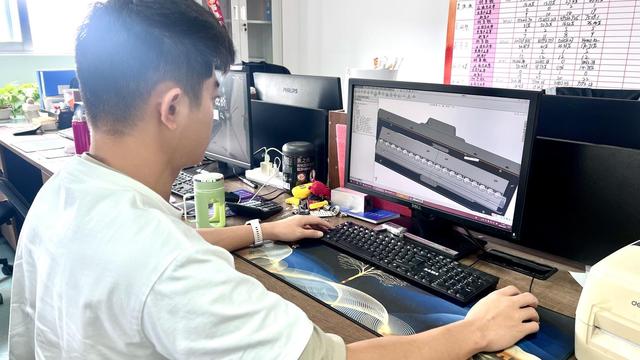
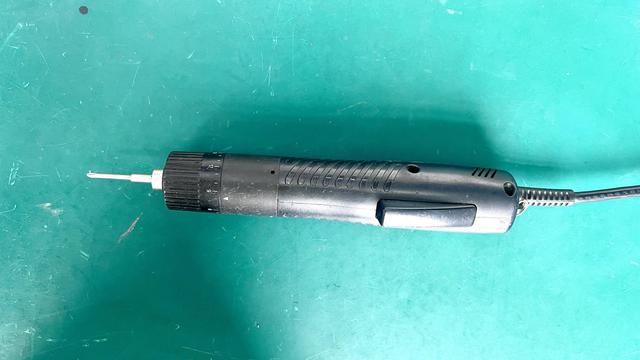
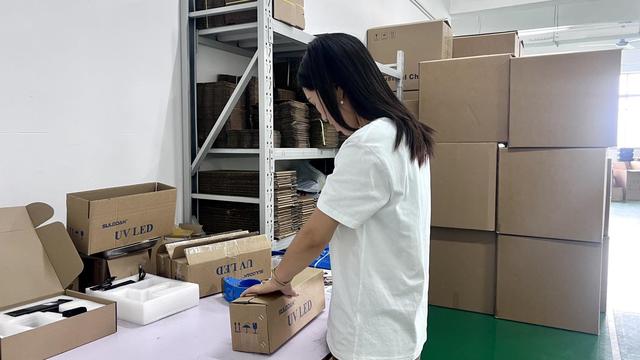
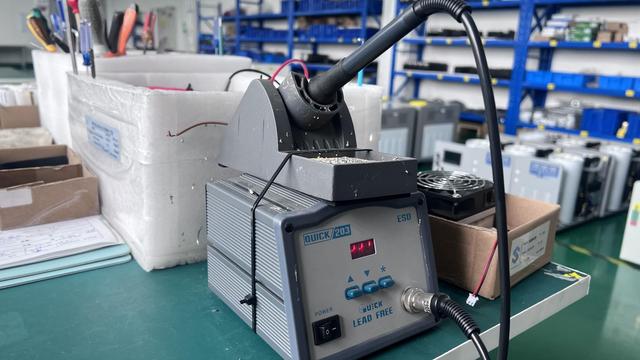
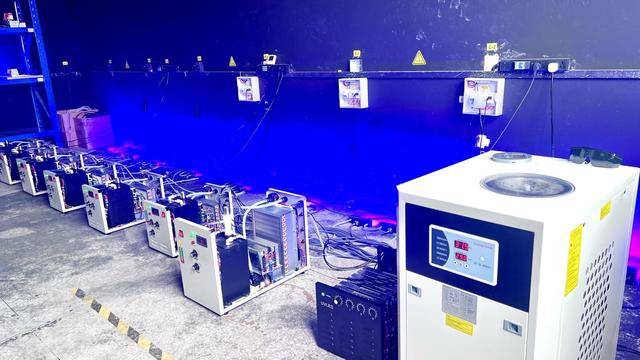
A look inside our state-of-the-art production floors, cleanrooms, and testing facilities.
 LumiCure Light