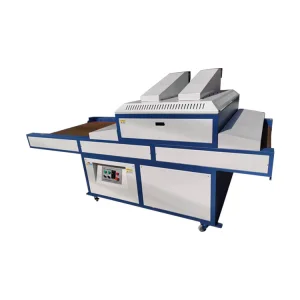
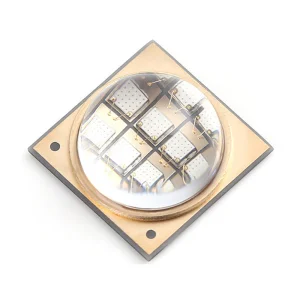
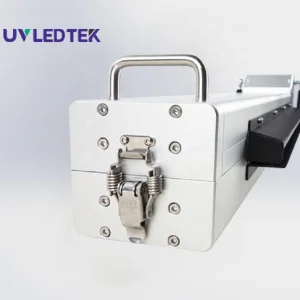
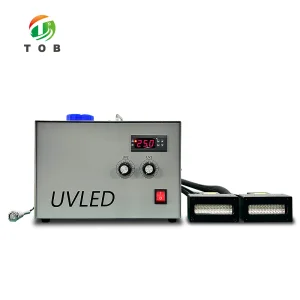
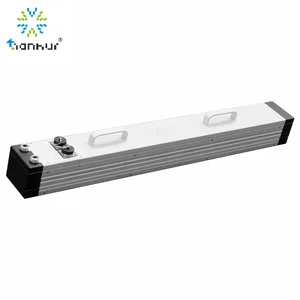
Explore our selection of field-proven UV components, high-power flood units, and localized industrial curing systems engineered for efficiency and safety compliance.
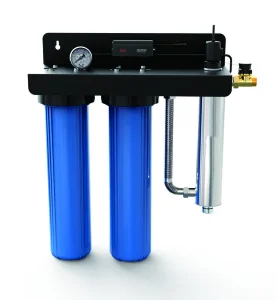
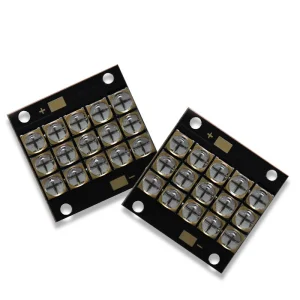
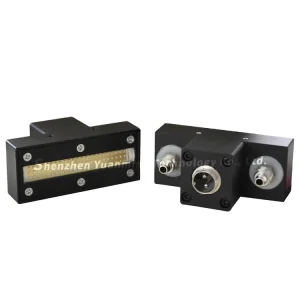
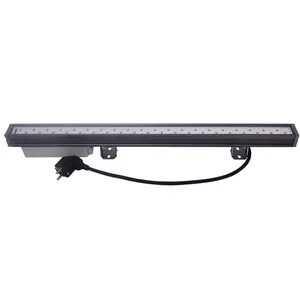
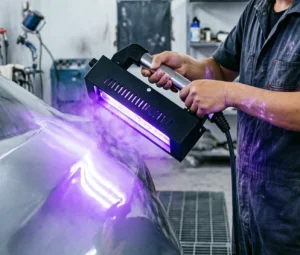
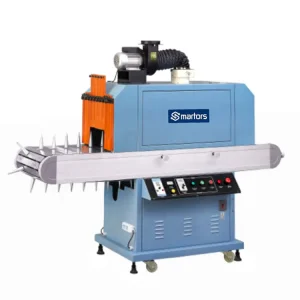
The global printing and packaging sectors are experiencing a profound transition from traditional high-pressure mercury arc lamps to solid-state UV LED curing systems. This transformation is not merely environmental; it is a fundamental reconfiguration of production economics, material compatibility, and manufacturing throughput.
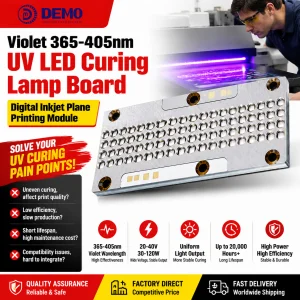
At Dongguan LumiCure Light Co., Ltd., we understand that modern digital inkjet systems demand precise spectral irradiance profiles. By utilizing custom-engineered Chip-on-Board (COB) UV LED modules, we provide print engineers and machinery suppliers with the capability to match curing output directly to the absorption peak of photopolymers and photoinitiators (ranging from 365nm to 405nm).
This strict spectral matching minimizes thermal stress on heat-sensitive substrates like thin films, plastics, and foils, eliminating substrate warping and enabling faster linespeeds. As a premier China-based OEM/ODM partner, we design solutions that ensure your machinery conforms to the most stringent international standards, including CE, RoHS, and photobiological safety compliance.
Building high-yield UV curing arrays requires deeper attention to detail than simply arranging LED chips. Achieving commercial stability at high linear speeds requires robust thermal management and micro-optical integration.
Thermal degradation is the primary cause of LED wavelength shifts and premature decay. Our modules feature copper-core PCBs combined with micro-channel liquid cooling loops or high-airflow heat sinks. This design keeps junction temperatures below 65°C, ensuring consistent irradiance profiles over years of operational life.
By pairing high-power SMD chips with custom quartz lens arrays, we focus optical output down to a concentrated band. This optimization yields peak irradiance values exceeding 16 W/cm² at typical working distances, facilitating deep-layer polymerization and cross-linking at speeds up to 150m/min.
While standard systems rely on single 395nm wavelengths, LumiCure supports custom dual and triple-wavelength configurations (e.g., 365nm + 395nm or 385nm + 405nm). This broadens the curing spectrum, allowing surface inks and deep-substrate binders to cure simultaneously, improving overall adhesion.
Integrating narrow-band UV-A spectra to protect thermo-sensitive materials (PET, thin-gauged BOPP) in food and pharmaceutical packaging applications.
Adding digital light sensors that communicate directly with print engine controllers to automatically adjust LED power based on ink volume and speed.
Embedding performance diagnostics inside power supplies to anticipate degradation and alert maintenance operators before critical failures occur.
LumiCure products are designed for diverse, demanding production lines worldwide, integrating into modern factory setups.
In high-speed commercial packaging operations, drying stability directly impacts production speed. Our curing systems for flexo and label printing provide high-intensity UV-A light that polymerizes dense inks in milliseconds. The instant-on/off capability eliminates warm-up times, maximizing uptime for narrow-web print shops.
Optical adhesives and conformal coatings protect sensitive electrical contacts from environmental hazards. Using our high-power COB modules and spot-curing setups, electronics assemblers can quickly set adhesives with low heat emission, preventing damage to neighboring MEMS components, microchips, and LCD panels.
From architectural glass to plastic panels and wooden furniture, printing on rigid materials requires immediate curing to prevent ink migration. Flatbed systems with LumiCure UV LED arrays dry inks directly on the fly, yielding crisp details, rich colors, and durable surfaces resistant to scratching.
Additive manufacturing depends on precise light wavelength and dose control. Our UV LED modules for professional 3D printers provide consistent illumination profiles, ensuring uniform resin curing across the build area and reducing structural defects in printed parts.
Dongguan, China, is a premier global hub for electronics, optoelectronic components, and precision mechanical engineering. Dongguan LumiCure Light Co., Ltd. leverages this localized manufacturing cluster to provide clients with exceptional flexibility and value.
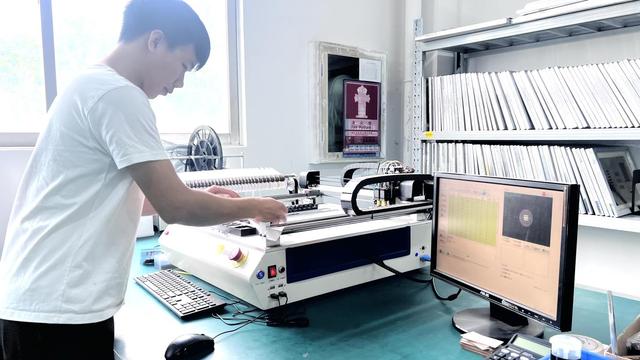
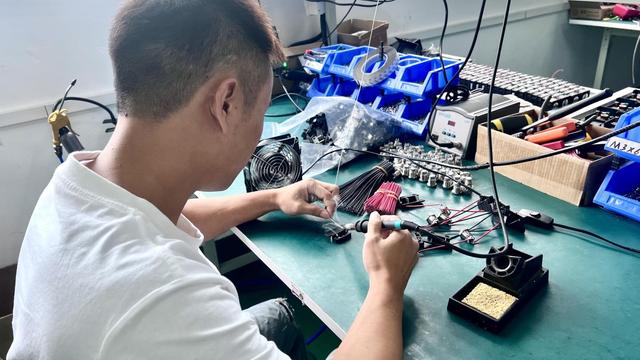
By sourcing raw optoelectronic components from trusted local partners and carrying out chip assembly, encapsulation, and optical lens production in-house, we reduce production times and maintain tight quality control. This integration allows us to build customized prototypes within days instead of weeks, helping machinery suppliers bring new products to market faster.
Our proximity to major deep-water ports in Shenzhen and Guangzhou enables efficient shipping networks. Whether you need single modules or high-volume industrial shipments, we offer reliable logistics solutions and support, protected from global supply chain disruptions.
Integrating high-power UV light sources into industrial operations requires a strong focus on electrical safety, EMC emissions, and occupational health protection.
Every industrial module we produce is CE certified. We verify compliance with key EU directives, including Low Voltage Directive (LVD) and Electromagnetic Compatibility (EMC) regulations, simplifying safety audits for your equipment.
In accordance with EN 62471 (photobiological safety of lamps), our equipment designs feature safety interlock sensors and directional shielding to prevent operator exposure to scatter radiation.
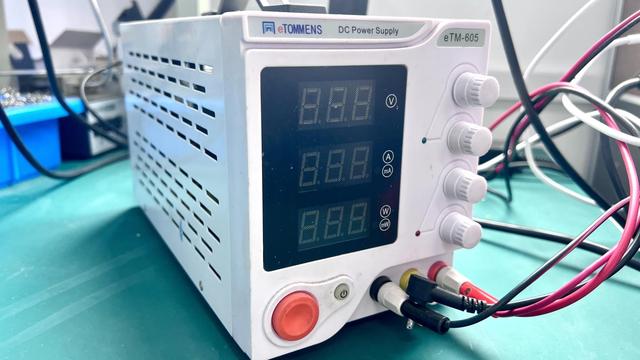
We provide extensive technical support for system integration, assisting your engineers with water cooling hookups, PLC control signals, and power supply adjustments during setup.
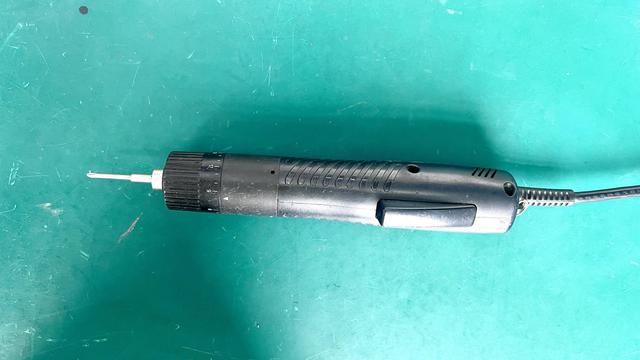
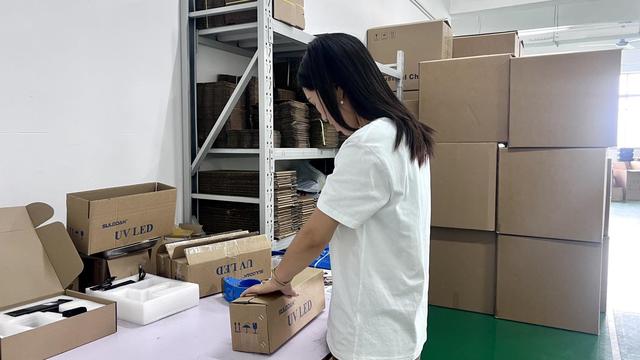
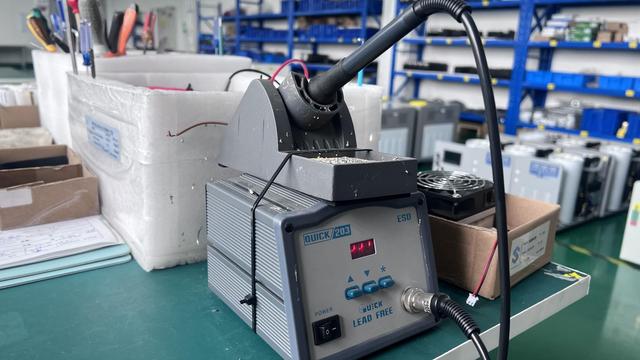
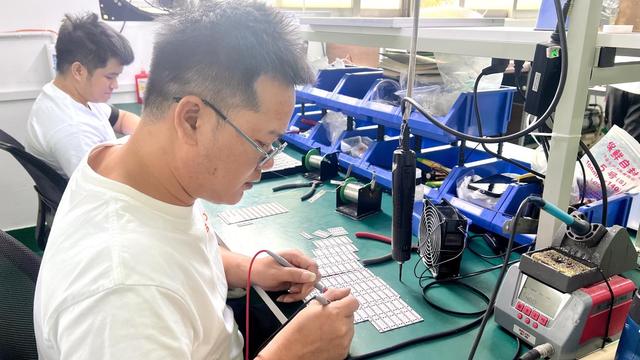
Explore our manufacturing facility, advanced testing labs, and assembly operations in Dongguan.
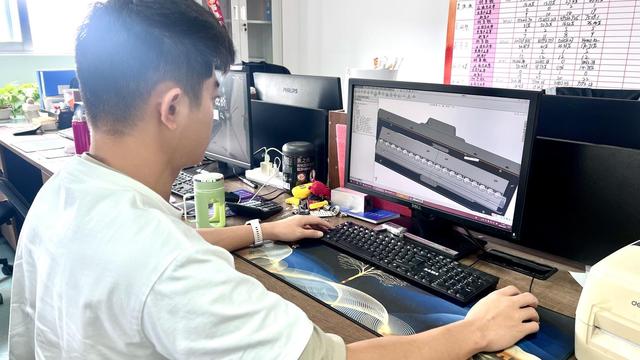
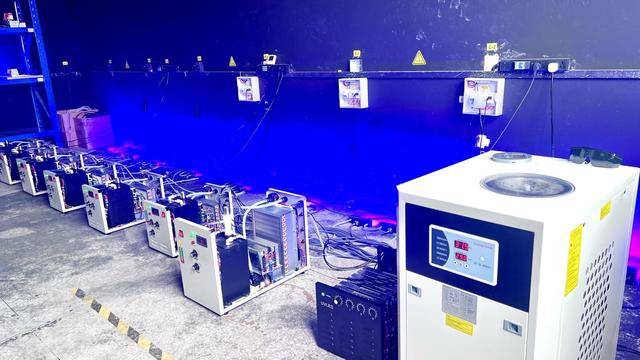
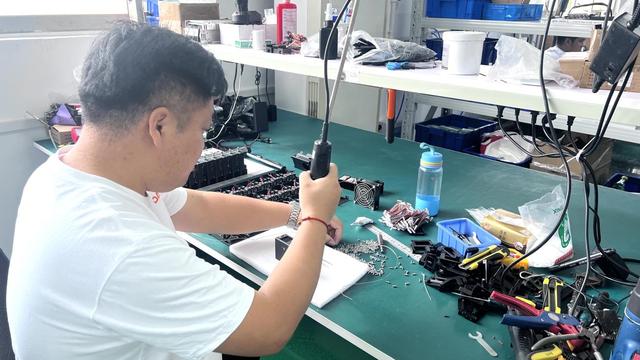
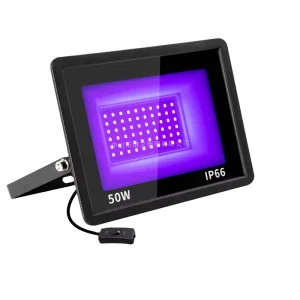
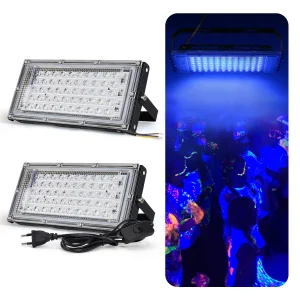
Discover our range of heavy-duty flood lamps, portable systems, and multi-spectral curing solutions for broad industrial production needs.
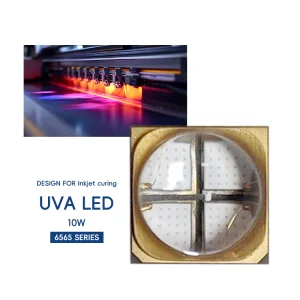
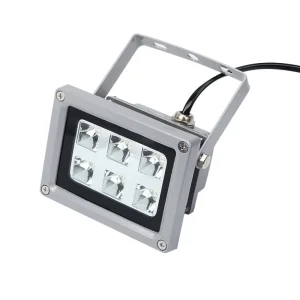
Get authoritative answers to key questions about specifying, integrating, and operating high-power UV LED systems.
 LumiCure Light