High-irradiance systems optimized for rapid polymer cross-linking, precision thermal management, and robust manufacturing integration.
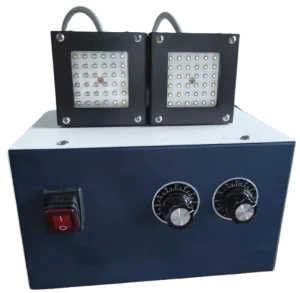
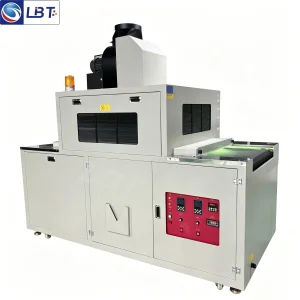
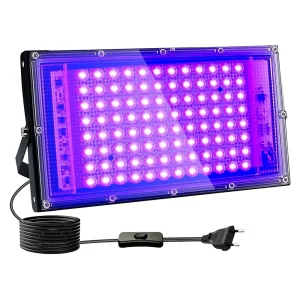
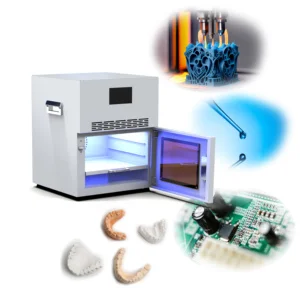
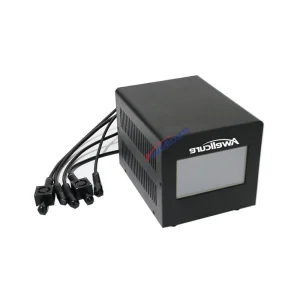
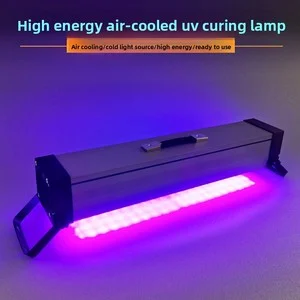
The industrial manufacturing sector is experiencing a monumental transition from legacy medium-pressure mercury arc lamps to advanced UV LED curing systems. This transformation is driven by global sustainability mandates, energy conservation targets, and the pursuit of precise thermal control in production lines. In this evolving landscape, UV LED Hybrid Curing—which integrates multiple wavelengths (e.g., 365nm, 385nm, 395nm, and 405nm) into a unified emitting head—has emerged as the definitive solution for complex polymer cross-linking.
Traditional mercury systems rely on a broad spectrum of ultraviolet emission, which includes large amounts of infrared (IR) heat and ozone-producing shortwave UV-C. In contrast, solid-state LED systems deliver targeted monochromatic energy. This eliminates substrate thermal deformation, making it highly effective for heat-sensitive materials such as thin plastic films, foils, and delicate electronic components. Global industries ranging from high-speed packaging printing in Europe to semiconductor assembly in Southeast Asia are standardizing their production lines on hybrid UV LED configurations to achieve higher line speeds, superior adhesive cure depths, and unmatched operational stability.
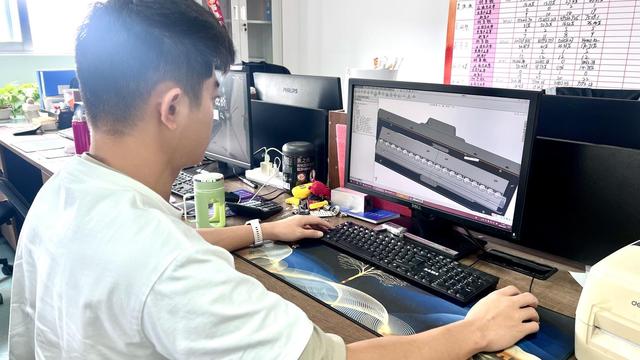
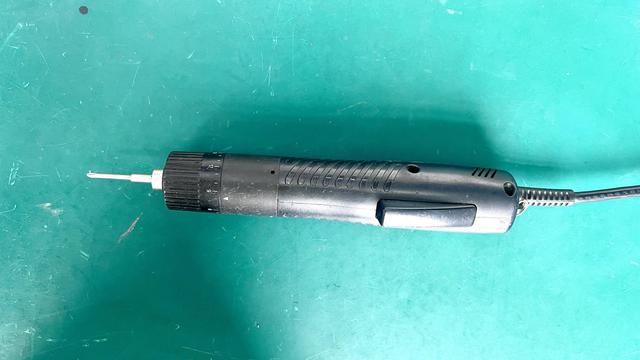
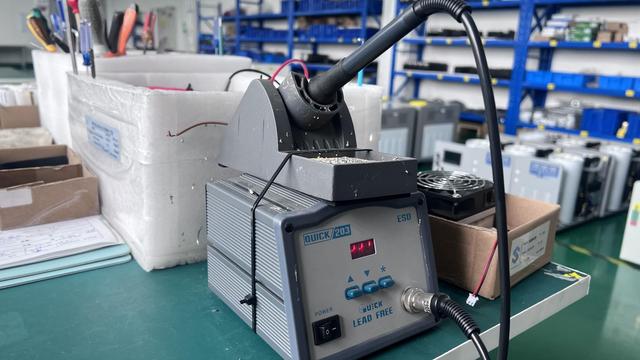
As global enterprises look to optimize their supply chains, China has become the premier hub for high-performance UV LED manufacturing. Factories in industrial zones such as Dongguan leverage a highly concentrated component supply chain. This ecosystem ranges from high-brightness semiconductor wafer packaging to precision optical lens engineering and advanced CNC thermal module manufacturing.
This localized cluster allows Chinese manufacturers like Dongguan LumiCure Light Co., Ltd. to quickly prototype, test, and manufacture custom UV solutions at a scale that is unmatched globally. The efficiency of a China-based factory goes beyond cost savings. It is defined by rapid engineering iterations, strict adherence to international quality management systems, and a commitment to integrating top-tier raw materials, including Japanese Nitride chips and high-grade quartz optics. This combination ensures that export-grade equipment meets the strict performance expectations of western buyers.
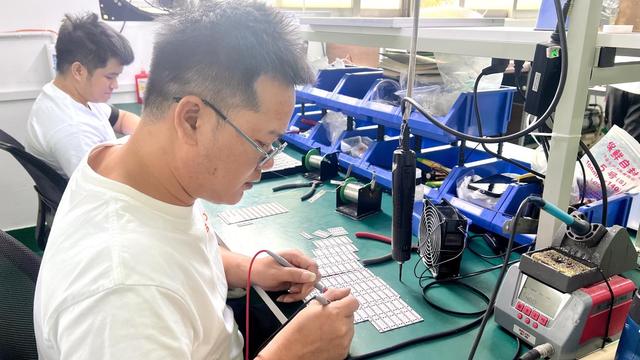
Dongguan LumiCure Light Co., Ltd. is a professional China UV LED curing lamp manufacturer specializing in the research, development, production, and supply of industrial UV curing systems and customized UV LED solutions. With a strong focus on innovation, quality, and customer satisfaction, LumiCure has become a trusted partner for manufacturers worldwide seeking efficient and reliable curing technologies.
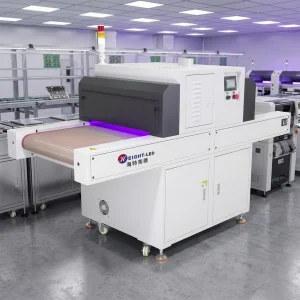
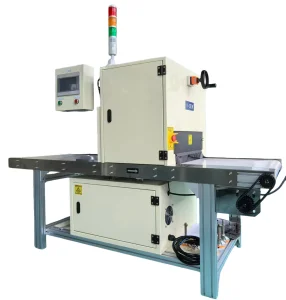
Our product range includes UV LED curing lamps, UV LED spot curing systems, flood curing lamps, conveyor UV curing machines, UV LED modules, printing curing systems, adhesive curing equipment, and customized industrial UV solutions. These products are widely applied in printing, electronics assembly, semiconductor packaging, optical bonding, automotive manufacturing, medical devices, 3D printing, and various precision industrial processes.
Backed by an experienced engineering team and advanced manufacturing facilities, LumiCure is committed to developing energy-saving and environmentally friendly UV curing technologies. Our products feature high curing efficiency, precise wavelength output, long service life, low maintenance requirements, and intelligent control capabilities, helping customers improve productivity while reducing operating costs.
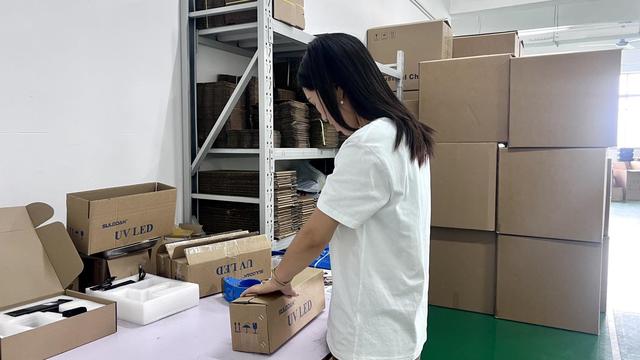
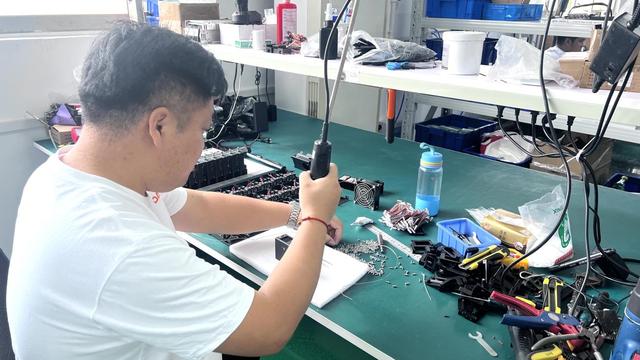
Quality remains the foundation of our business. Every product undergoes rigorous testing and strict quality control procedures throughout the manufacturing process to ensure consistent performance and reliability. We also provide comprehensive OEM and ODM services, enabling customers to customize products according to their specific technical and application requirements.
Serving clients across Europe, North America, Asia, the Middle East, and other global markets, Dongguan LumiCure Light Co., Ltd. continues to deliver innovative UV LED curing solutions that support sustainable and efficient industrial manufacturing.
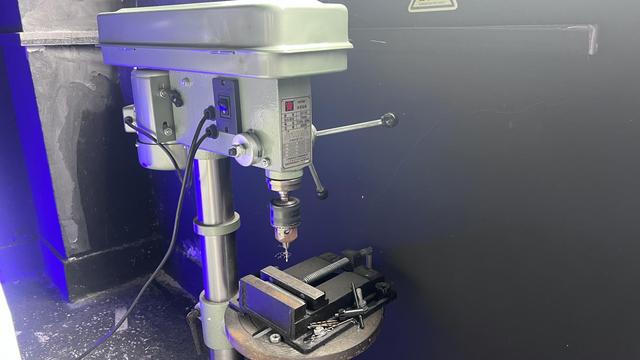
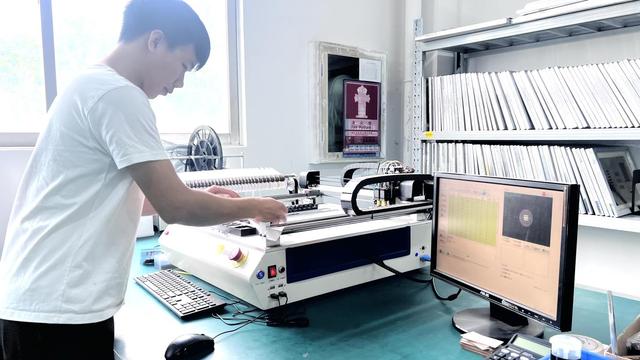
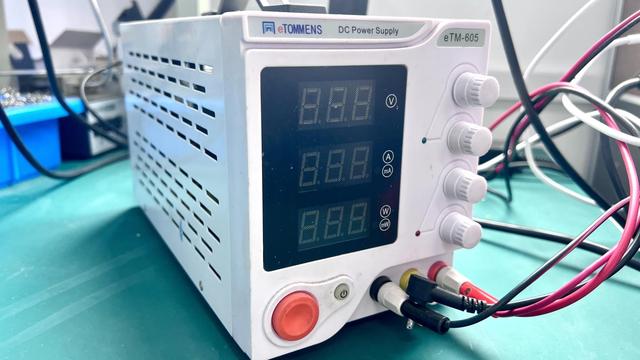
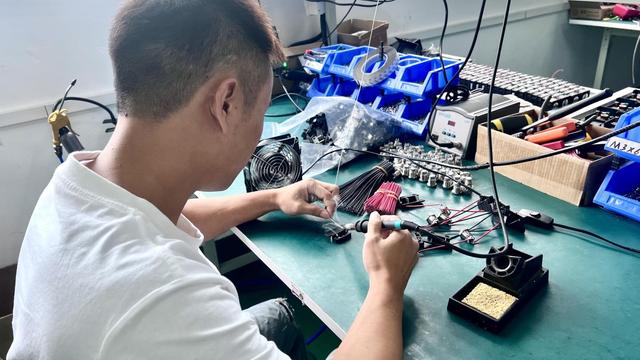
Industrial UV curing is not a one-size-fits-all process. Different materials and chemistry formulations require specific light profiles to cure effectively. The application of hybrid curing is crucial for achieving high performance in several key areas:
Modern flexographic and screen-printing presses run at speeds exceeding 300 meters per minute. Curing at these speeds requires high peak irradiance (typically above 12-16 W/cm²) to dry inks instantly. Water-cooled 395nm UV LED systems ensure consistent curing across the entire web width without heating up the paper or plastic substrates.
In PCB manufacturing, conformal coatings and underfill encapsulants protect circuits from environmental damage. Using a hybrid UV source that combines 365nm (for surface cure tackiness) and 405nm (for deep penetration into shaded areas) ensures complete polymerization without stressing the silicon chips.
Catheter assembly, endoscope bonding, and optical lens alignment require exact curing parameters. Using a multi-channel UV spot curing system allows operators to control light exposure down to the millisecond. This ensures high-strength bonding without micro-shifting the parts.
The UV curing industry is moving toward greater system integration, real-time telemetry, and multi-spectral flexibility. We are closely tracking several key developments:
When sourcing UV LED curing equipment for production lines, technical buyers should look beyond basic wattage ratings. To ensure high performance and long-term reliability, consider the following parameters:
1. Peak Irradiance vs. Total Energy Dose: Irradiance ($W/cm^2$) is the brightness of the light at the surface, while the dose ($J/cm^2$) is the total energy delivered over time. High-speed lines require high peak irradiance to initiate the chemical curing reaction quickly.
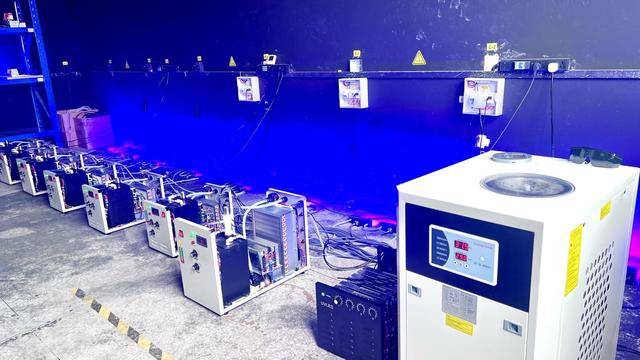
2. Cooling Configuration (Air-Cooled vs. Water-Cooled): Air-cooled units are compact and easy to install, but they are limited in power density. Water-cooled systems are essential for high-power continuous curing (exceeding 8W/cm²), as they keep junction temperatures low and protect the LEDs from premature degradation.
3. Optical Lens Systems: Refined quartz glass lenses focus light to minimize energy loss. Cheaper plastic lenses degrade under intense UV exposure, leading to yellowing and a significant drop in light output over time.
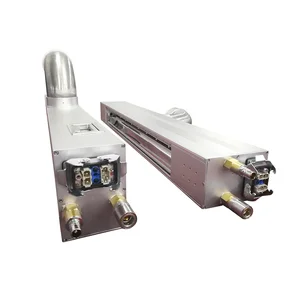
Engineered parts, light engines, and conveyor integrations built for long-term reliability in demanding production environments.
 LumiCure Light