In the landscape of modern electronics, optoelectronics, medical device assembly, and high-speed industrial printing, precision, repeatability, and efficiency are critical. Dongguan LumiCure Light Co., Ltd. has established itself as an authoritative leader in the development and manufacturing of advanced UV LED curing technology. Moving beyond traditional mercury arc lamps, our solid-state UV LED systems utilize specialized narrow-band semiconductor light sources designed to initiate rapid photopolymerization without introducing extreme thermal loads to delicate substrates.
By leveraging narrow-spectrum outputs (primarily centered around 365nm, 385nm, 395nm, and 405nm), our systems provide focused UV energy density (irradiance up to 24 W/cm² or more) directly mapped to the absorption profiles of modern photoinitiators. This deliberate wavelength pairing reduces energy loss, minimizes VOC emissions, and eliminates substrate deformation or degradation caused by unnecessary infrared wavelengths.
Precision curing systems from Dongguan LumiCure are engineered to satisfy unique processing conditions across multiple global manufacturing hubs. Below are the key engineering contexts where our technologies provide verified operational advantages:
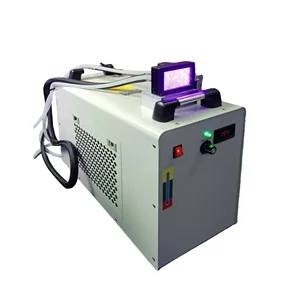
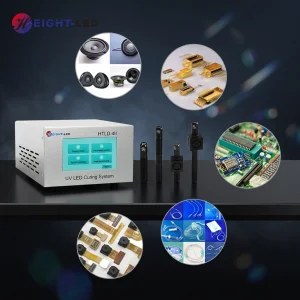
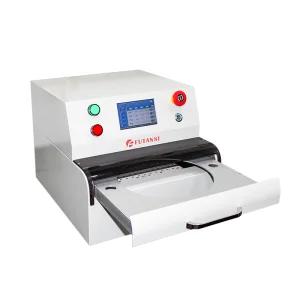
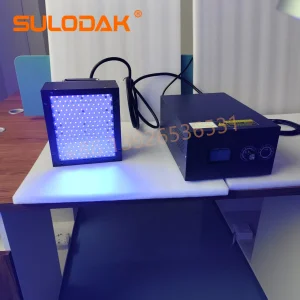
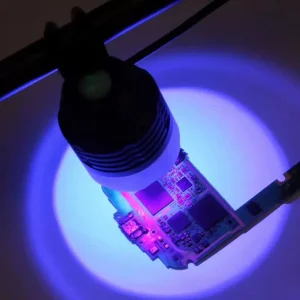
For sub-assembly steps of AR/VR glasses, optical lenses, display panels, and high-density semiconductor packaging, thermal stress must be strictly managed. Our touch-screen operated UV spot curing systems apply exact energy doses to fix optical lenses or secure display materials (such as OCA optical glues) without distorting sub-micron alignments. Custom inert gas purging (such as N₂ environments) prevents oxygen inhibition, yielding hard, tack-free surface cures.
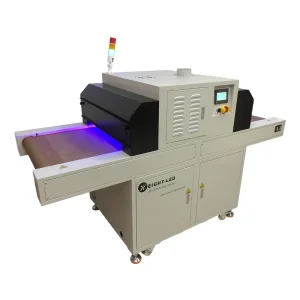
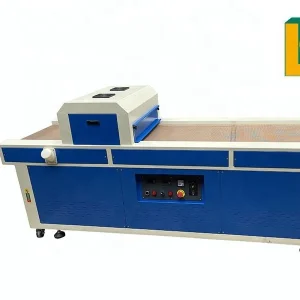
Manufacturing devices such as catheters, syringes, and medical filters requires compliance with ISO 13485 regulations. Our energy-saving UV LED curing tunnels guarantee consistent irradiance profiles, ensuring adhesives crosslink fully to maintain joint integrity. The absence of heavy metals like mercury eliminates hazardous material disposal issues inside cleanroom environments.
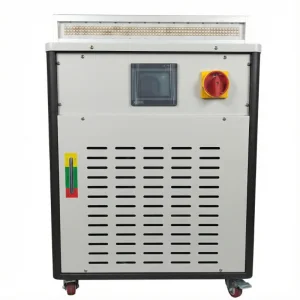
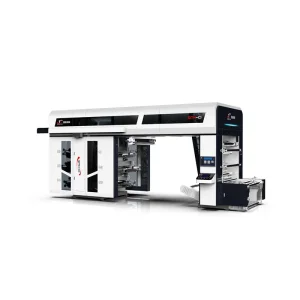
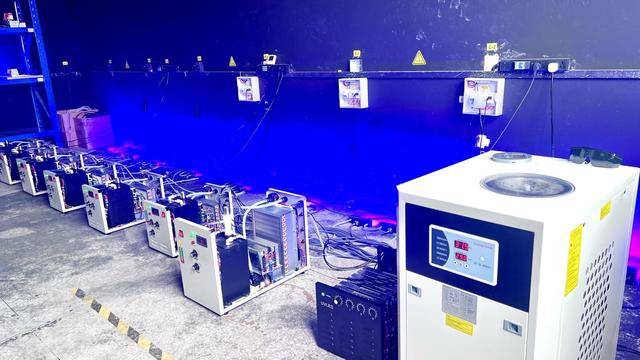
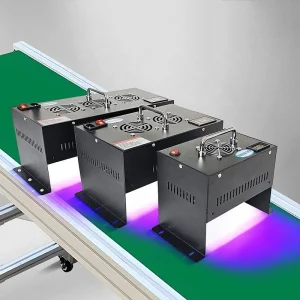
In label, packaging, and digital inkjet printing, substrates run at high line speeds. Our high-power, water-cooled systems (up to 700W) provide deep UV penetration to dry thick white bases, opaque coatings, and flexographic food-packaging inks instantly. The precise thermal controls prevent heat-sensitive plastic films from stretching, wrinkling, or melting.
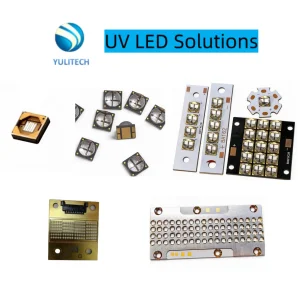
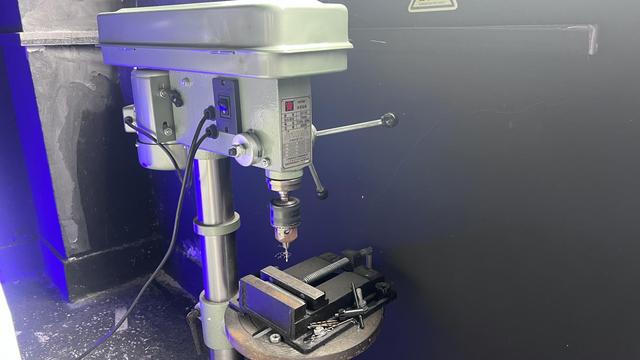
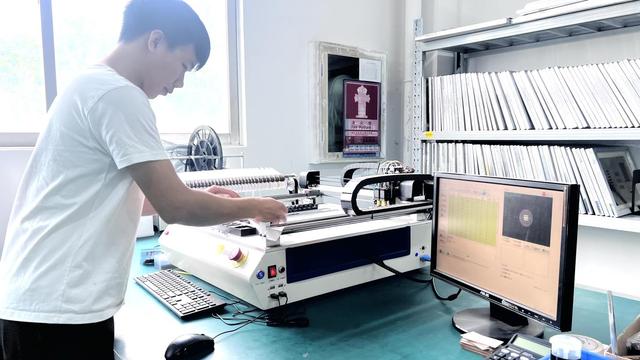
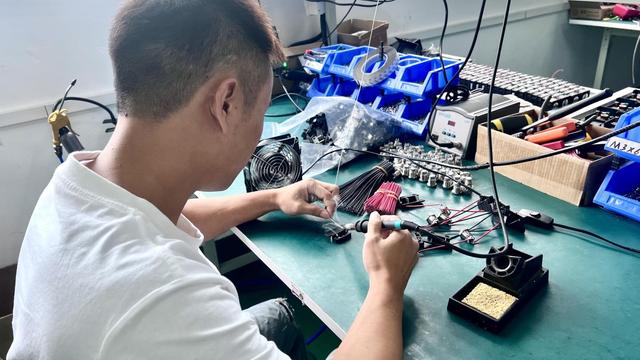
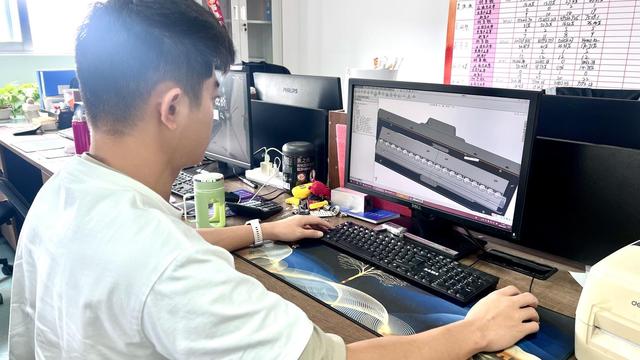
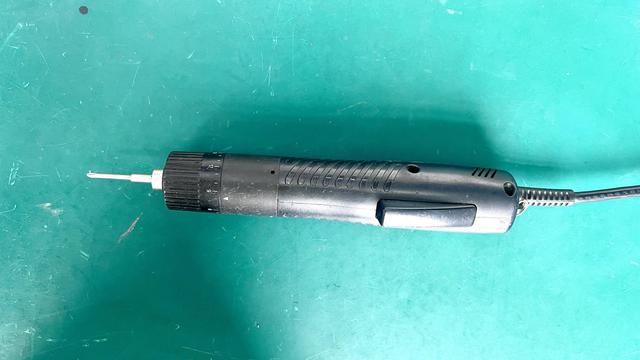
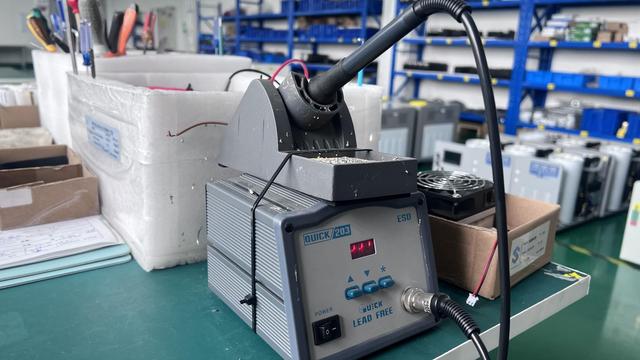
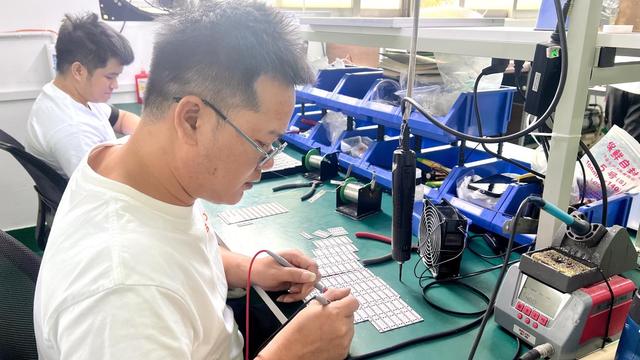
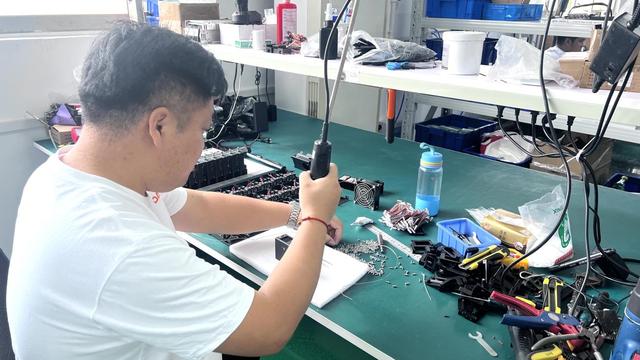
Located in Dongguan, the center of global hardware manufacturing, Dongguan LumiCure Light Co., Ltd. benefits from a highly integrated supply network. We manage all key production stages under one roof: from optical ray-tracing design and thermal simulation to precision CNC machining of cooling blocks, COB (Chip-on-Board) packaging, and PCB assembly.
Unlike assemblers who purchase off-the-shelf modules, we customize the LED arrays, drive electronics, and mechanical housing to meet specific customer requirements. Our in-house engineering team designs systems that fit directly into existing machinery, minimizing integration costs and downtime.
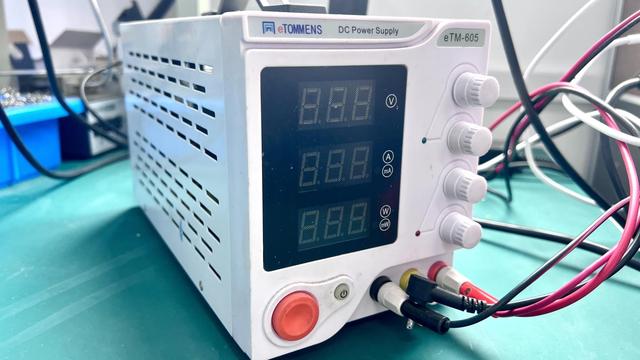
Every UV LED emitter is binned for wavelength accuracy and forward voltage stability. Our incoming quality inspection protocols and burn-in testing (100 hours minimum under load) guarantee that our products provide stable output over their 20,000+ hour operational lifetimes.
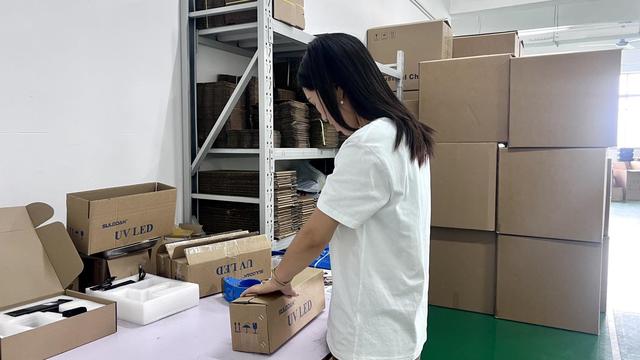
Proximity to deep-water ports in Shenzhen and Guangzhou enables reliable delivery. We maintain strategic inventories of raw materials, protecting global buyers from supply disruptions and ensuring predictable lead times even during high-demand periods.
The industrial curing sector is evolving from simple energy delivery toward dynamic system optimization. Dongguan LumiCure maintains its competitive position by focusing its R&D on the following key areas:
Thick coatings require balanced light configurations. Short wavelengths (365nm) cure surfaces to prevent tackiness, while longer wavelengths (395nm/405nm) penetrate deeply to ensure complete adhesion to the substrate. We package multiple wavelengths on a single substrate to deliver even curing throughout the product.
Our latest designs feature integrated irradiance sensors and thermal monitoring feedback. By constantly adjusting drive currents based on real-time module temperatures, the curing system maintains a stable UV output within ±1%, preventing over-curing or under-curing caused by temperature changes.
LumiCure LED units achieve more than a 60% energy reduction compared to standard medium-pressure mercury systems. Instant power control allows the curing lights to sync with production line sensor signals. The lights operate at full power only when a target product is detected under the curing head, saving energy and extending system lifetime.
Industrial equipment must comply with regional environmental and safety standards. LumiCure products carry certification markings appropriate for key international markets:
All standard power supplies, control systems, and LED arrays conform to CE electrical safety directives and RoHS restrictions on hazardous materials, allowing for easy integration into European production lines.
Our control cabinets and high-output water-cooled modules are engineered to satisfy UL and FCC standards. This focus on electrical isolation and electromagnetic shielding prevents interference with nearby machinery.
We provide a 1-year warranty on standard systems, supplemented by online support and rapid spare parts dispatch. Field installation guides, CAD models, and configuration documents are available to help engineering teams streamline installation.
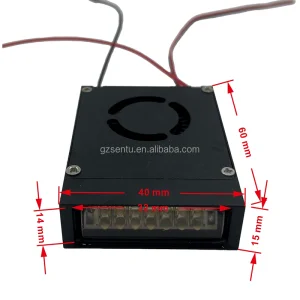
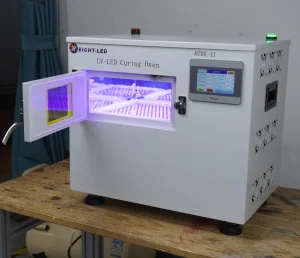
A: Water-cooled curing systems route liquid coolant through an integrated cooling block, removing heat directly from high-density LED arrays. This allows the system to support high output levels (12-24 W/cm²) and maintain compact module dimensions, making them suitable for high-speed printing and continuous manufacturing. Air-cooled systems use heatsinks and cooling fans to remove heat. They are simpler to install and maintain, making them ideal for lower-power configurations (such as spot-curing pens or light ovens) where a chiller unit is not practical.
A: The choice of wavelength is determined by the absorption spectrum of the photoinitiators in the adhesive or ink. A wavelength of 365nm is commonly used for surface curing and bonding thin, transparent substrates. A wavelength of 395nm or 405nm provides deeper penetration, allowing it to cure thicker layers, pigmented inks, and materials containing UV blockers. Multi-wavelength designs help achieve both surface dryness and deep adhesion in a single pass.
A: Atmospheric oxygen can inhibit the free-radical polymerization process, leaving a sticky, under-cured layer on the product surface. Purging the curing chamber with nitrogen gas (an inert gas) displaces the oxygen, allowing the UV-initiated reaction to proceed fully. This results in a hard, tack-free finish, which is particularly important for high-end optical displays, medical devices, and touch screens.
A: Our UV LED modules are rated for over 20,000 working hours under normal operating conditions. This is significantly longer than traditional mercury vapor lamps, which require replacement every 1,000 to 2,000 hours. Proper thermal management and maintaining correct chiller fluid temperatures are key to maximizing the life of the LED array.
 LumiCure Light