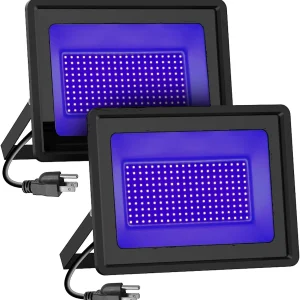
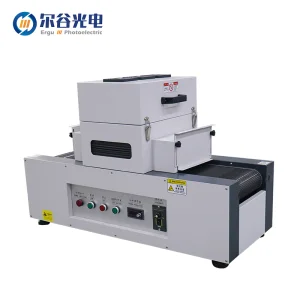
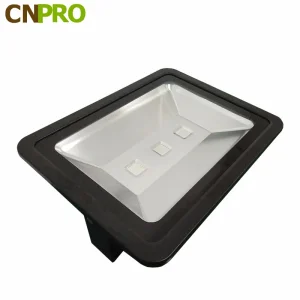
Explore our premium grade UV LED lamps designed for micro-electronics, heavy manufacturing, and digital print lines.
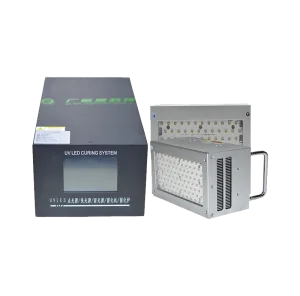
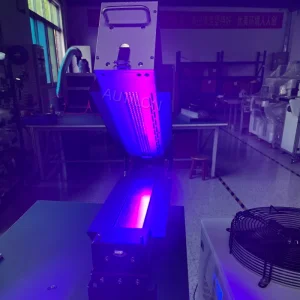
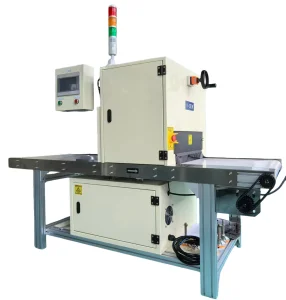
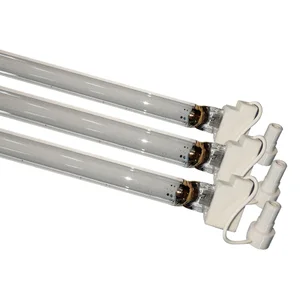
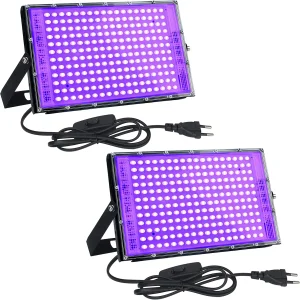
Dongguan LumiCure Light Co., Ltd. is a pioneering China UV LED curing lamp manufacturer specializing in the advanced research, development, production, and worldwide distribution of industrial UV curing systems and customizable UV LED application engineering solutions. Positioned at the cutting edge of industrial photopolymerization technology, we resolve complex integration bottlenecks for high-throughput global plants.
Backed by decades of optoelectronic engineering capability and sophisticated cleanroom manufacturing facilities, LumiCure is firmly committed to developing energy-efficient, eco-friendly, and ultra-reliable UV systems. Our core architectures feature exceptional optical irradiance control, precise wavelength tolerance, enhanced thermal management, and smart PLC feedback loops, designed to scale production speed while cutting lifecycle operational costs.
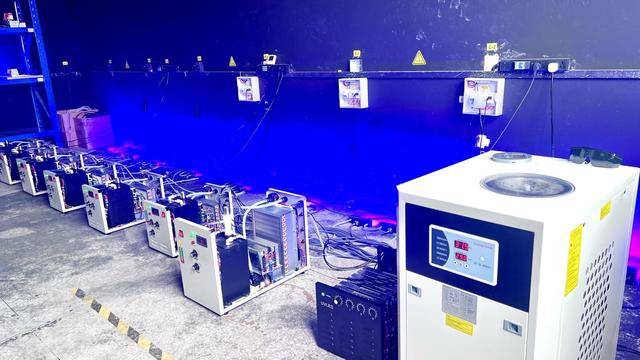
LumiCure maintains ISO 9001 certified QA workflows. Each UV system is subjected to a continuous 72-hour thermal stress evaluation, radiometric flux mapping, and strict emission stability inspections to protect your critical operations from line downtimes.
Navigating the complex manufacturing landscape of custom UV LED array configurations for high-speed automated processes.
Automotive tier-1 suppliers mandate ruggedized UV LED sources capable of handling harsh, cyclic mechanical forces. LumiCure's high-intensity UV flood platforms deliver the consistent $W/cm^2$ required to cure heavy protective coatings, structural gaskets, and specialty adhesives used on complex sensor housings.
Semiconductor wafer assembly lines require cold-curing profiles to eliminate thermal strain on delicate silicone dies. Our custom-engineered 365nm UV LED arrays deliver high-power curing with active thermal control, ensuring minimal shrinkage and optimal wire-bonding reliability.
Water-cooled UV curing lamps running at 2000W to 2400W provide high energy density for offset, flexo, and wide-format inkjet systems. Curing takes place instantly on high-speed web substrates, preserving the color gamut while supporting speeds of over 300 meters per minute.
Traditional industrial operations are rapidly converting high-load processes from mercury vapor arc lamps to solid-state UV LEDs. This evolution is driven by several key factors: the need to eliminate the production of hazardous ozone, reduce thermal strain on sensitive substrates, and lower energy costs.
LumiCure’s research division is dedicated to maximizing thermal and optical conversion efficiencies. Our product design strategy focuses on addressing key engineering factors:
By packing high-power LED dies directly onto copper substrates, we achieve up to 30% greater power density compared to standard surface-mount devices (SMDs). This is crucial for applications that require quick, thorough polymerization of thick monomer coatings.
For systems operating above $16 \, W/cm^2$, managing heat is vital to extending the system's operational lifespan. Our specialized liquid-cooled cooling systems feature precision-milled copper channels, maintaining the LED junction temperature below $60^\circ C$ to prevent optical drift.
Unlike standard mercury arc lamps that emit wide, uncontrolled spectrums, our systems deliver targeted peak wavelengths at 365nm, 385nm, 395nm, or 405nm. This precise output directs energy exactly where it is needed to cure photoinitiators without heating the substrate, making it ideal for roll-to-roll printing and thin films.
The next generation of UV LED technology relies on smart, real-time monitoring and adaptive spectral outputs. LumiCure is currently developing platforms that incorporate:
"By choosing LumiCure’s solid-state curing systems, industrial lines can expect to lower operating costs by up to 70% while improving yields in cleanroom environments."
In high-precision manufacturing, compliance is non-negotiable. Our engineering processes are fully documented to align with the strictest safety and performance standards worldwide.
We analyze your curing process, including chemistry, belt speed, light path limits, and target energy profiles ($J/cm^2$).
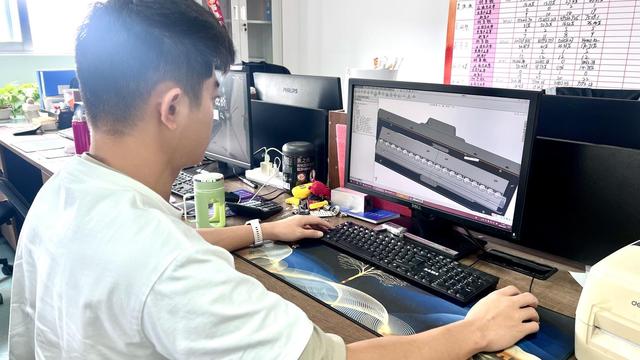
Using advanced modeling tools, we design customized optics and liquid or forced-air cooling systems to maintain peak efficiency.
Prototypes are manufactured in-house and evaluated under load to verify spectral output and thermal reliability.
In-depth insights into wavelength selection, thermal design, and system integration.
Explore our industrial-grade UV solutions designed for disinfection, semiconductor assembly, and curing lines.
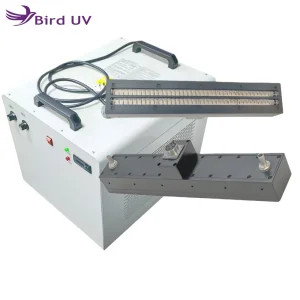
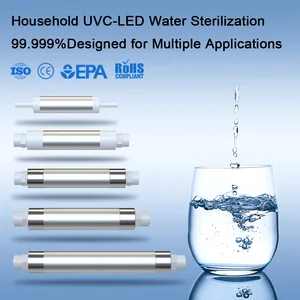
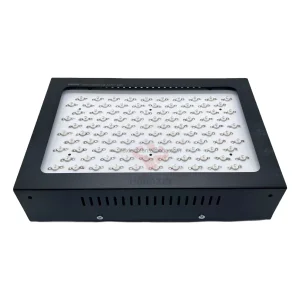
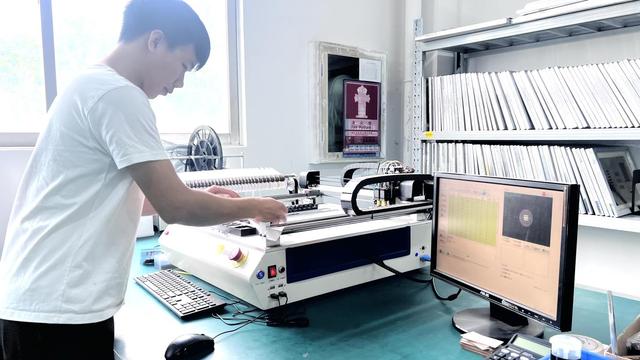
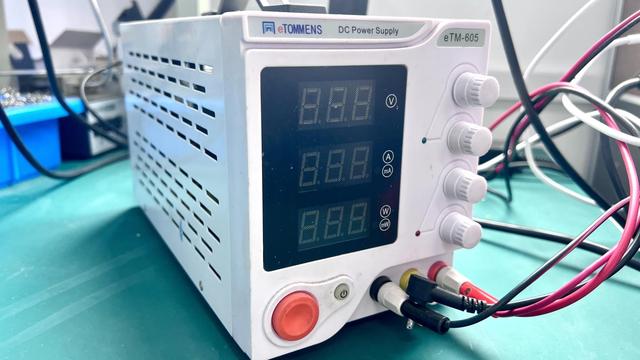
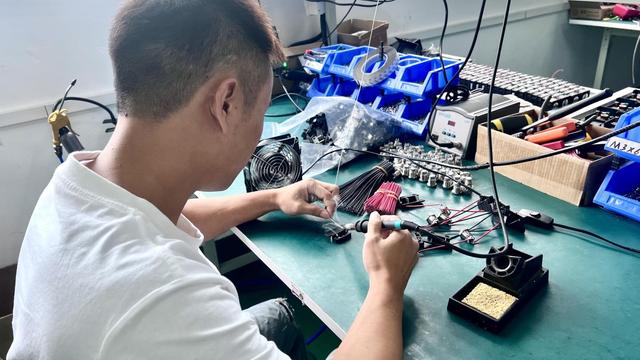
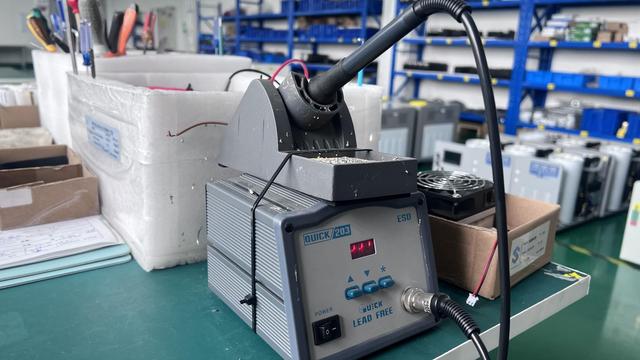
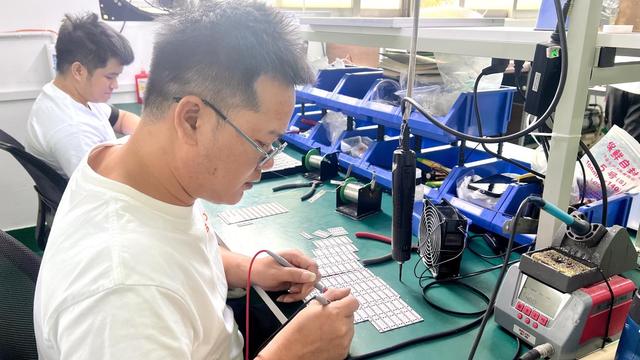
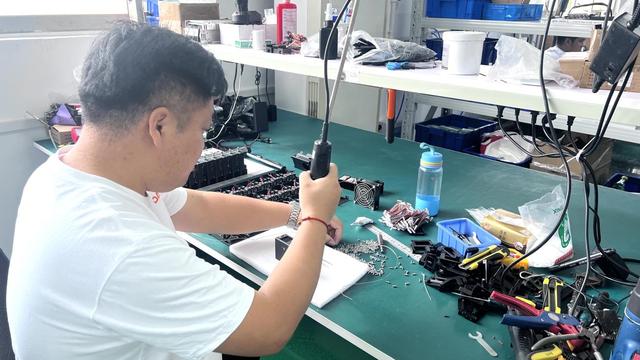
Take a tour of our cleanroom encapsulation lines and advanced testing facilities.
 LumiCure Light