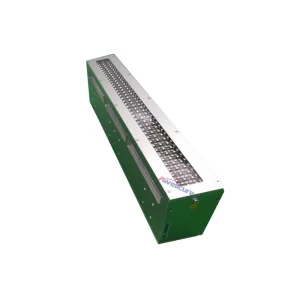
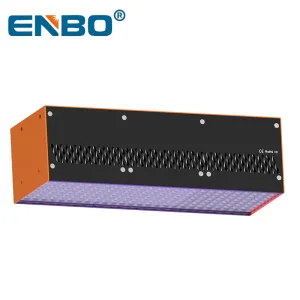
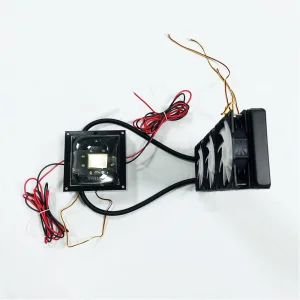
High-reliability curing modules and portable lamps engineered for demanding industrial coating, drying, and packaging environments.
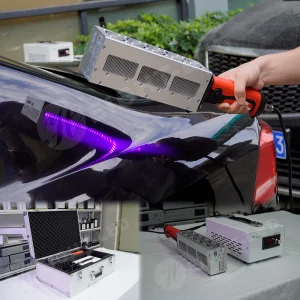
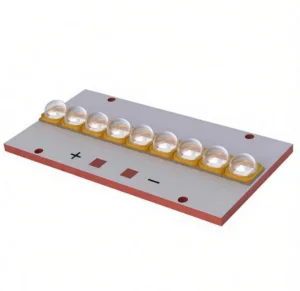
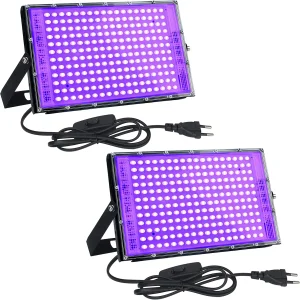
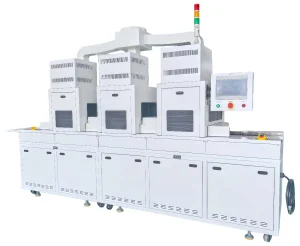
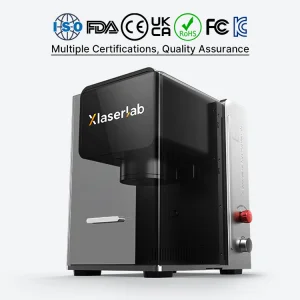
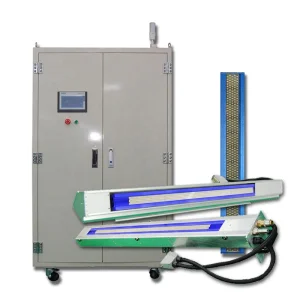
The transition from legacy medium-pressure mercury arc lamps to solid-state ultraviolet Light Emitting Diodes (UV LEDs) represents a tectonic shift in modern industrial curing. Driven by regulatory mandates (such as the Minamata Convention on Mercury), demands for operational energy reductions, and the necessity of thermally-sensitive substrate processing, system integrators are seeking highly qualified OEM/ODM UV LED manufacturing partners to engineer customizable chip-on-board (COB) architectures.
In this specialized sector, purchasing managers and optics engineers do not simply purchase components off the shelf. They demand customized opto-electrical integration, optimized peak irradiance (measured in W/cm²), precise dose management (J/cm²), and advanced thermal dissipation methods. Achieving these metrics requires a structured, multi-disciplinary phase-gate product development workflow.
From initial feasibility analysis to micro-optics simulation and high-speed surface-mount assembly.
Definition of spectral parameters (365nm, 385nm, 395nm, 405nm), mechanical constraints, substrate heat threshold, and target line speed.
TracePro optical modeling to simulate beam profiles and micro-refractor layouts, paired with ANSYS thermal simulation of copper substrate performance.
Fabrication of metal core PCBs (MCPCB), implementation of thermal interface materials (TIM), and design of constant current power supplies.
High Accelerated Life Testing (HALT), including high temperature operation life (HTOL) and thermal shock profiles, ensuring strict spectral stability.
Integration of modular curing assemblies with automated production lines, logic PLC configurations, and water/air cooling units.
How vertically integrated manufacturing hubs deliver reliable performance, short lead times, and technological compliance.
Procurement engineers from aerospace, medical, packaging, and microelectronics fields prioritize structural compliance and custom metrics:
Manufacturing hubs in regions like Dongguan streamline advanced manufacturing processes by consolidating the entire value chain within localized high-tech zones:
From high-speed roll-to-roll printing to ultra-precise micro-optics and medical assembly.
In high-speed flexo and inkjet printing, inks must cure instantly on dynamic substrates without heat-induced shrinkage. Specialized 395nm water-cooled UV LED heads provide continuous peak irradiances of up to 24 W/cm², securing adhesion stability at web speeds exceeding 200 m/min, while minimizing electrical consumption by 80% compared to mercury vapor lamps.
Precision packaging of CMOS image sensors and OLED screens requires thermal-stress-free UV polymerization. Custom 365nm and 405nm hybrid light engines project collimated beam profiles, achieving a spatial optical uniformity rate of ≥90%. This precise exposure prevents alignment shifts in delicate micro-optics components during resin curing.
Leveraging deep ultraviolet (UVC) wavelengths in the 260nm–280nm spectrum, modern industrial water filtration systems integrate high-power UV sterilizer modules. These solid-state systems neutralize DNA/RNA structures in pathogens without chemical additives, providing safe, instant, and continuous sterilization.
Stereolithography (SLA) and Digital Light Processing (DLP) printers rely on high-intensity UV exposure to build structural layer resolution. Custom 405nm UV projectors deliver stable, high-resolution optical fields, allowing layers to be solidified in milliseconds without heat distortion, preserving structural tolerance.
Technical answers to critical integration, optical design, and sourcing questions.
The L70 lifetime defines the duration of operation before the radiant output drops to 70% of its initial value. In a high-quality system (such as LumiCure’s standard platforms), the L70 lifetime exceeds 30,000 hours of continuous operation. This longevity is achieved through careful thermal management, keeping the operating junction temperature ($T_j$) of the LED dies below 85°C. In comparison, legacy mercury vapor lamps require replacement every 1,000 to 2,000 hours.
The choice depends on the thermal density of the application. Air cooling is suitable for lower irradiance requirements (typically <8 W/cm²) and where space constraints allow for a fan and aluminum heatsink. For heavy industrial lines (flexo, high-speed digital printing) where peak irradiances exceed 12 W/cm² to 24 W/cm², water cooling with a closed-loop chiller is necessary to dissipate the heat generated by densely packed LED arrays, maintaining optical wavelength stability.
OEM optics customization includes configuring custom-molded quartz lenses, adjusting micro-reflector angles (typically 15°, 30°, 60°, or 120° output spreads), and creating specialized collimated windows. These systems can also be configured with multi-wavelength configurations (combining 365nm and 395nm, for example) within a single COB array, allowing for deep and surface curing in one pass.
Peak Irradiance (W/cm²) represents the maximum intensity of UV light hitting the substrate at its closest point to the light source. It determines the light's ability to penetrate thick layers and trigger initial photo-polymerization. Energy Dose (J/cm²) is the total integrated exposure energy over time (Irradiance $\times$ Time of exposure). Sufficient dose levels are critical for complete surface curing and cross-linking density.
High-precision systems designed for specific OEM and ODM manufacturing integrations.
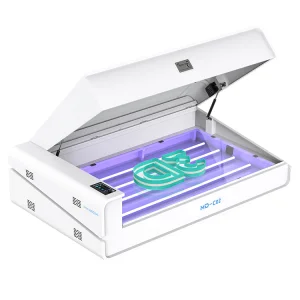
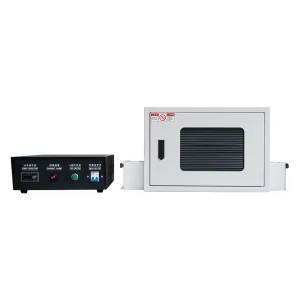
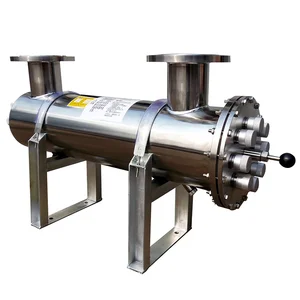
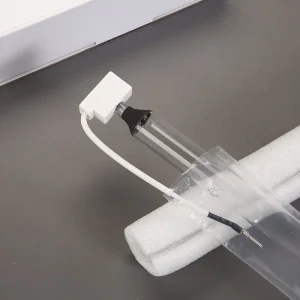
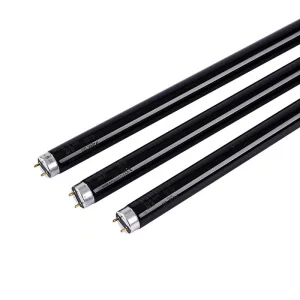
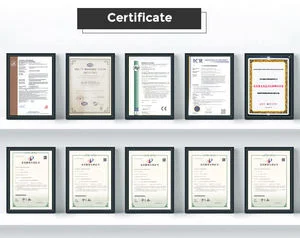
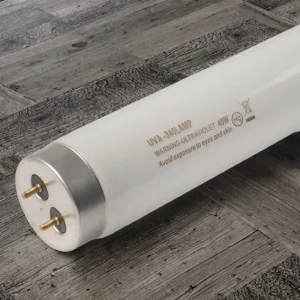
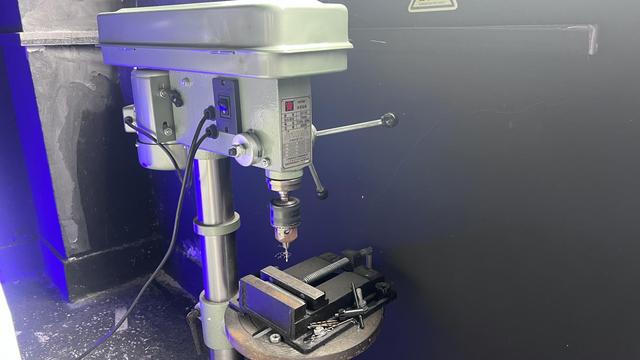
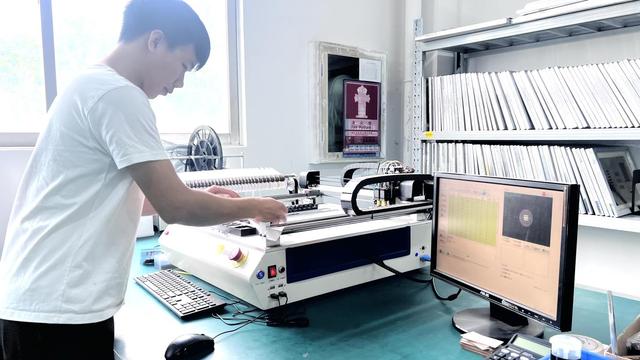
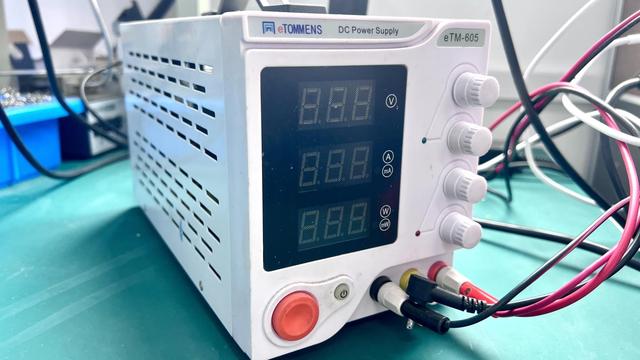
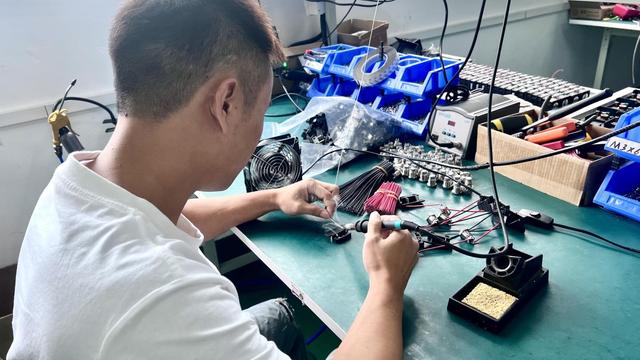
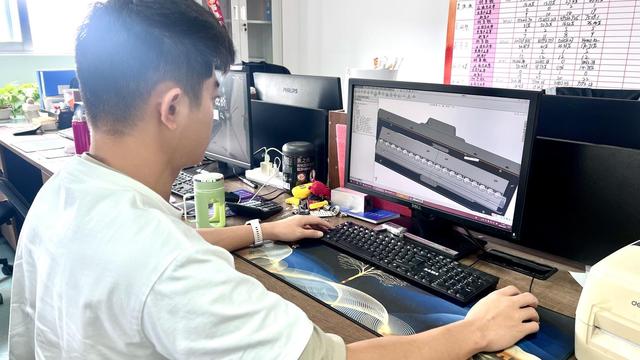
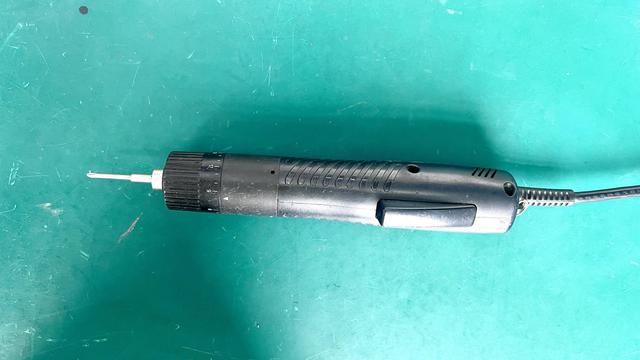
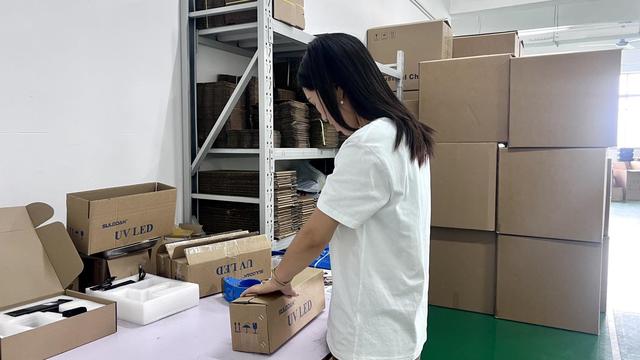
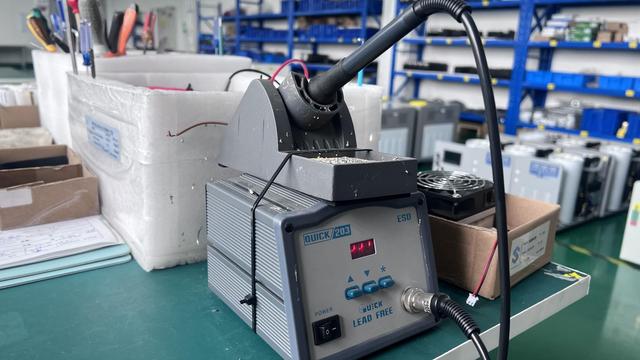
Inside our high-precision SMT packaging lines, cleanroom test areas, and automated assembly bays.
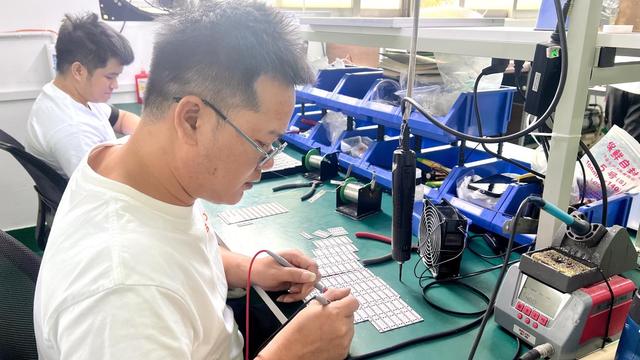
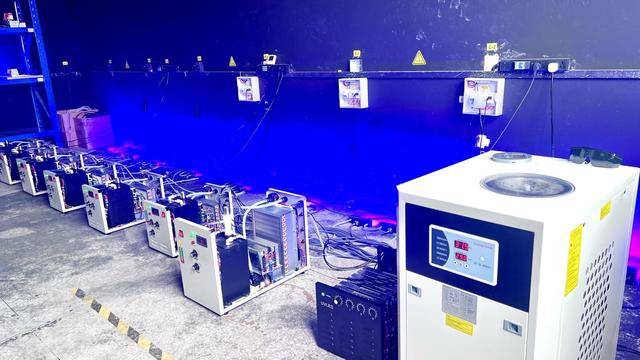
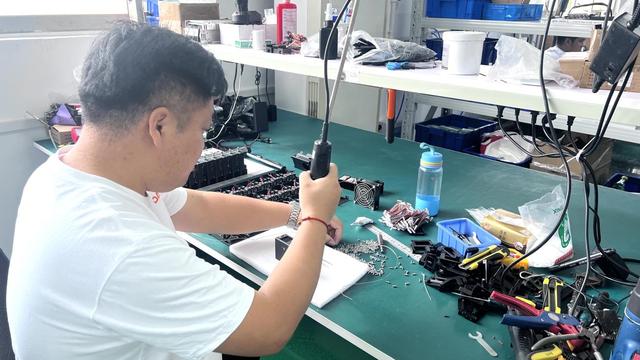
Dongguan LumiCure Light Co., Ltd. is a professional China UV LED curing lamp manufacturer specializing in the research, development, production, and supply of industrial UV curing systems and customized UV LED solutions. With a strong focus on innovation, quality, and customer satisfaction, LumiCure has become a trusted partner for manufacturers worldwide seeking efficient and reliable curing technologies.
Our product range includes UV LED curing lamps, UV LED spot curing systems, flood curing lamps, conveyor UV curing machines, UV LED modules, printing curing systems, adhesive curing equipment, and customized industrial UV solutions. These products are widely applied in printing, electronics assembly, semiconductor packaging, optical bonding, automotive manufacturing, medical devices, 3D printing, and various precision industrial processes.
Backed by an experienced engineering team and advanced manufacturing facilities, LumiCure is committed to developing energy-saving and environmentally friendly UV curing technologies. Our products feature high curing efficiency, precise wavelength output, long service life, low maintenance requirements, and intelligent control capabilities, helping customers improve productivity while reducing operating costs.
Quality remains the foundation of our business. Every product undergoes rigorous testing and strict quality control procedures throughout the manufacturing process to ensure consistent performance and reliability. We also provide comprehensive OEM and ODM services, enabling customers to customize products according to their specific technical and application requirements.
Serving clients across Europe, North America, Asia, the Middle East, and other global markets, Dongguan LumiCure Light Co., Ltd. continues to deliver innovative UV LED curing solutions that support sustainable and efficient industrial manufacturing.
 LumiCure Light