Pioneering industrial-grade UV curing equipment designed for electronics, printing, and precision optical assemblies.
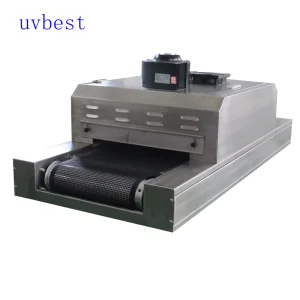
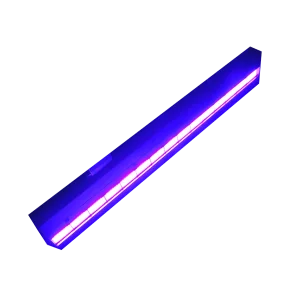
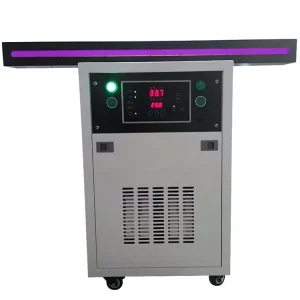
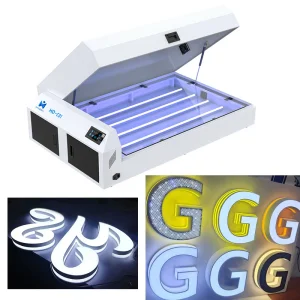
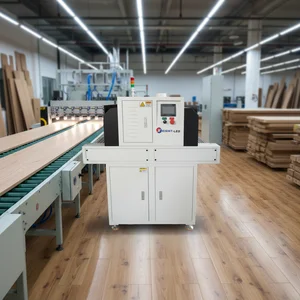
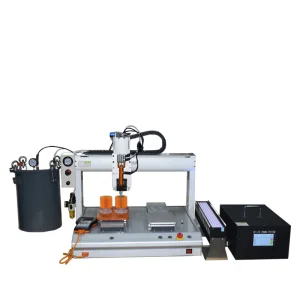
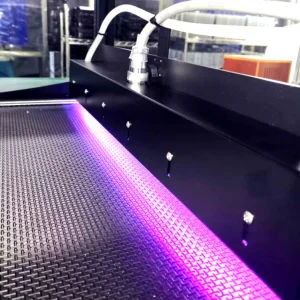
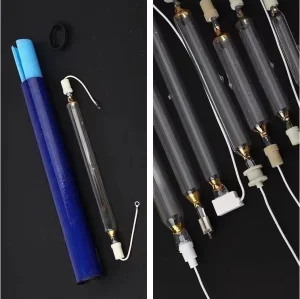
Dongguan LumiCure Light Co., Ltd. is a professional China UV LED curing lamp manufacturer specializing in the research, development, production, and supply of industrial UV curing systems and customized UV LED solutions. With a strong focus on innovation, quality, and customer satisfaction, LumiCure has become a trusted partner for manufacturers worldwide seeking efficient and reliable curing technologies.
Our comprehensive product range includes UV LED curing lamps, UV LED spot curing systems, flood curing lamps, conveyor UV curing machines, UV LED modules, printing curing systems, adhesive curing equipment, and customized industrial UV solutions. These systems are widely applied in printing, electronics assembly, semiconductor packaging, optical bonding, automotive manufacturing, medical devices, 3D printing, and various precision industrial processes.
Backed by an experienced engineering team and advanced manufacturing facilities, LumiCure is committed to developing energy-saving and environmentally friendly UV curing technologies. Our products feature high curing efficiency, precise wavelength output, long service life, low maintenance requirements, and intelligent control capabilities, helping customers improve productivity while reducing operating costs.
Industrial Trust Factor: Quality remains the foundation of our business. Every product undergoes rigorous testing and strict quality control procedures throughout the manufacturing process to ensure consistent performance and reliability. We provide comprehensive OEM and ODM services, enabling customers to customize products according to their specific technical and application requirements, serving clients across Europe, North America, Asia, the Middle East, and other global markets.
The industrial curing sector is undergoing a profound structural transition. Driven by energy conservation mandates, regulatory restrictions on mercury, and the need for precision manufacturing, UV LED technology has graduated from a niche alternative to the mainstream standard. Below are the top ten trends currently defining the global UV LED market and supply chains:
With global initiatives like the Minamata Convention on Mercury placing stricter deadlines on the manufacture and import of mercury-containing products, industrial operations are rapidly replacing traditional mercury vapor lamps. UV LED curing systems offer a direct mercury-free solution, eliminating hazardous waste disposal costs and ensuring alignment with RoHS and REACH regulations worldwide.
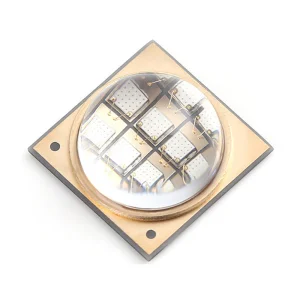
To match the peak irradiance of traditional mercury lamps, manufacturers are utilizing advanced COB modules. By placing multiple LED chips directly on a thermally conductive substrate, factories achieve superior power densities (up to 30 W/cm²) and highly uniform curing outputs at wavelengths of 365nm, 385nm, 395nm, and 405nm.
Smart factories require connected equipment. Modern UV LED modules are integrated with intelligent control interfaces (e.g., Modbus, RS485, or Ethernet) to allow real-time monitoring of energy consumption, thermal limits, and UV intensity. This enables predictive maintenance protocols and helps eliminate unexpected production downtime.
Traditional UV systems run hot and require continuous idling power even when no substrates are present. UV LED lamps feature instant-on/off capability, drawing power only during the active curing cycle. This results in energy savings of up to 50% to 80%, assisting multi-national manufacturing sites in hitting their corporate ESG (Environmental, Social, and Governance) targets.
Traditional mercury lamps emit massive infrared radiation (heat), which can warp thin plastic films, wood veneers, and delicate electronic components. UV LED systems run cool (emitting negligible IR radiation), unlocking new possibilities for curing adhesives on heat-sensitive materials like acrylics, PET films, and specialized wood coatings.
Generic curing lamps are no longer sufficient. Production lines vary widely in physical clearance, cooling access (water vs. air cooling), and optical requirements. Leading manufacturers like LumiCure emphasize highly customized optical windows, tailored light guides, and adjustable physical form factors to match specific client retrofitting projects.
As micro-electronic assemblies shrink, the requirements for adhesive curing precision increase. High-stability 365nm and 385nm UV LED point/spot curing lights are highly sought after for shadowless optical adhesive bonding in smart device screens, touch panels, CMOS sensors, and PCB protective coating lines.
High-speed printing lines running at hundreds of meters per minute require instantaneous polymerization. Innovations in high-intensity UV LED systems have allowed flexo and offset printers to completely convert their drying stages to LED, eliminating dry-back periods and enabling immediate post-press processing.
Different photoinitiators within inks and glues respond to different light wavelengths. The market is trending toward single curing systems that house combined LED chips (e.g., 365nm + 395nm or 385nm + 405nm) in a single housing. This achieves simultaneous deep-layer polymerization and surface cure optimization.
Global manufacturers require local reliability. To offset supply chain friction, factories are demanding partnerships with manufacturers who can provide local compliance documentation, rapid custom-part turnaround, and localized integration support to keep assembly lines running uninterrupted.
Across the globe, the transition to UV LED represents a core component of "Industry 4.0" initiatives. Regional variations highlight different demands and engineering concerns:
In Europe, where energy prices and carbon taxes are exceptionally high, the transition is primarily driven by ESG policies and chemical safety rules. Print service providers are converting heavy sheet-fed offset and flexo lines to lower-emission LED UV systems to lower operational overheads.
In North America, precision aerospace assembly, medical device production, and advanced packaging sectors drive the requirement for highly consistent, traceable curing. The demand for digital display optical bonding and localized support for custom adhesive curing is growing rapidly.
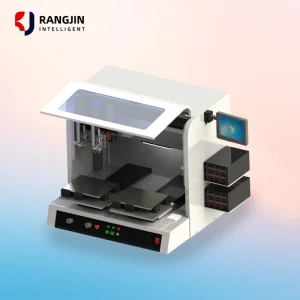
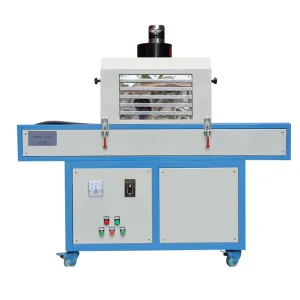
In Asia-Pacific, the concentration of electronics manufacturers, display manufacturers, and high-volume packaging factories creates a demand for high-durability, cost-competitive bulk supplies of high-intensity curing systems. Factories operate continuously, requiring heavy-duty water-cooled UV conveyor belts and integrated automatic dispensers to maintain constant output.
Transitioning lines to UV LED involves detailed engineering reviews of thermal integration, spatial restrictions, and electrical control signals. LumiCure bridges these technical challenges with a robust support model:
The UV LED technology roadmap is moving toward deeper integration, higher efficiency, and targeted wavelengths. Our current engineering direction encompasses:
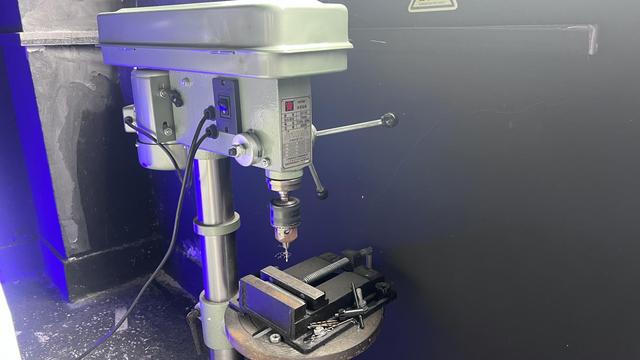
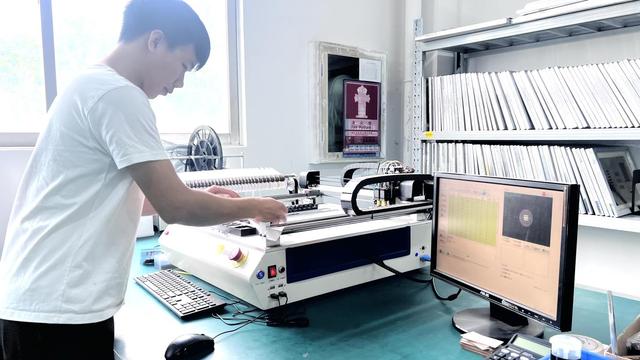
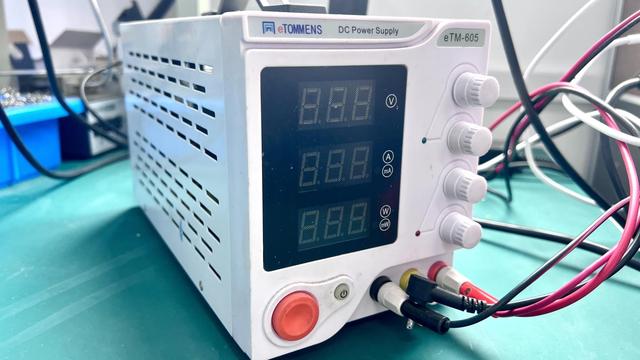
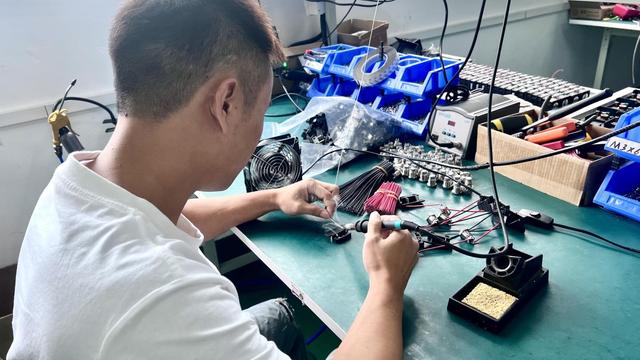
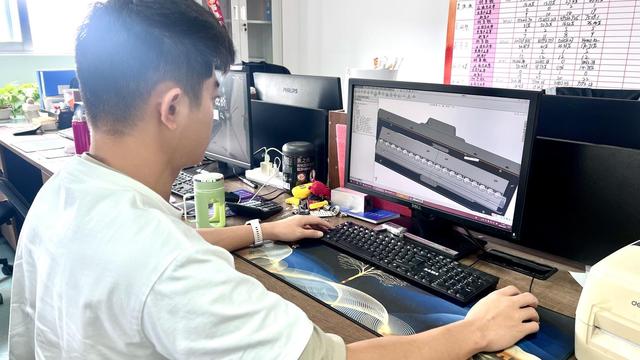
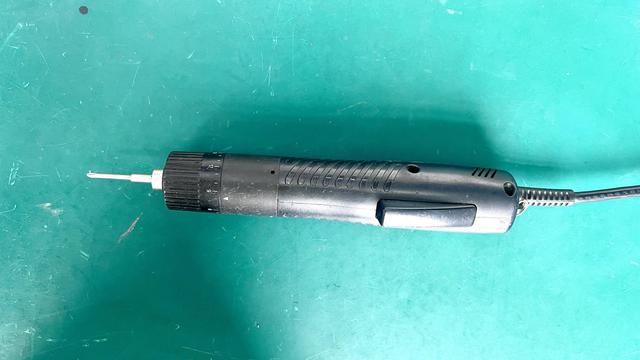
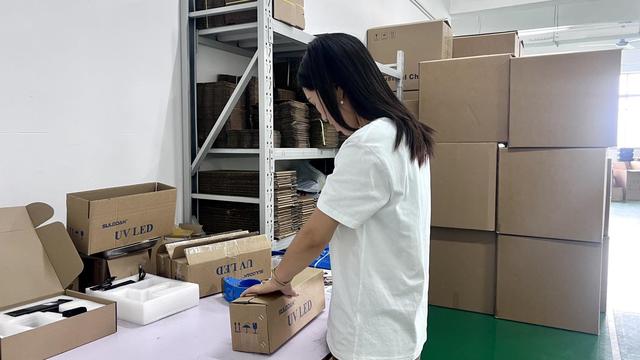
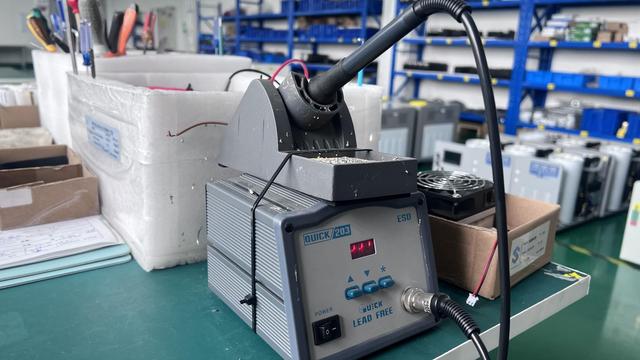
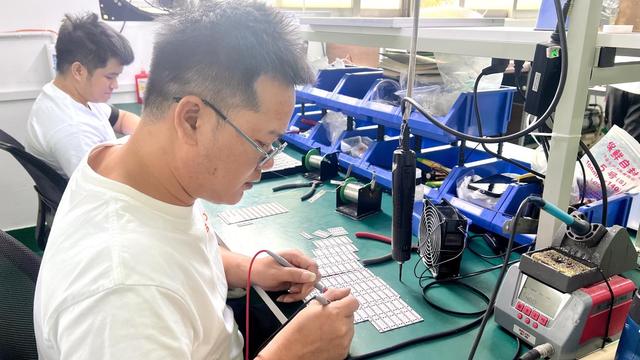
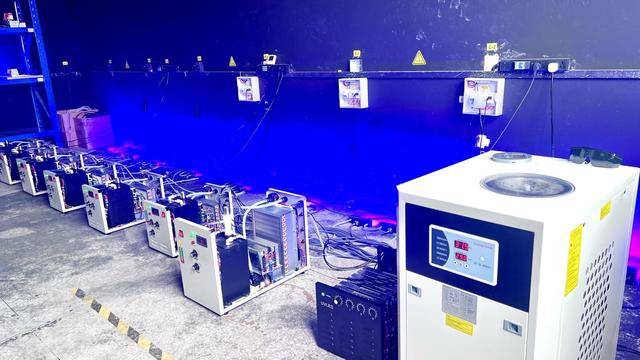
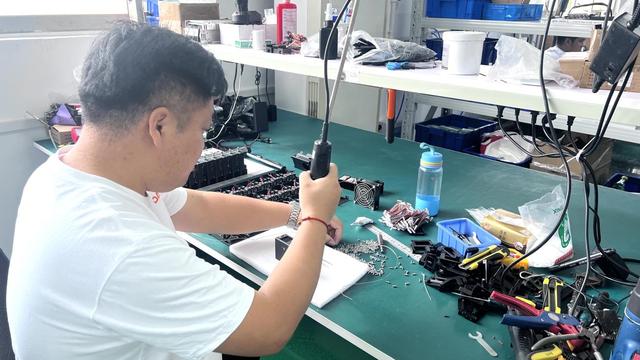
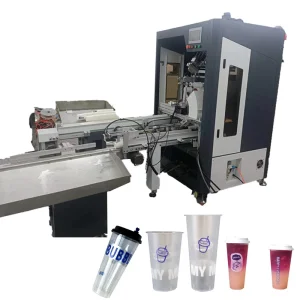
LumiCure ensures every production step is tightly regulated. In our state-of-the-art facility in Dongguan, our assembly, thermal calibration, and quality-testing rooms utilize precision measurement instruments. Below is an inside look at our facilities and standard engineering environments:
Read critical insights and considerations regarding industrial UV LED hardware installations and manufacturing solutions.
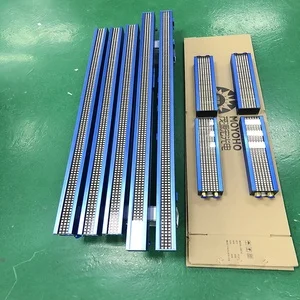
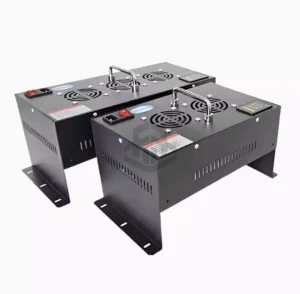
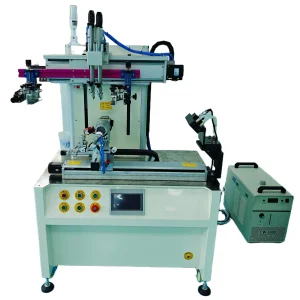
Explore our custom replacement tubes, conveyor systems, and high-intensity integration modules.
 LumiCure Light