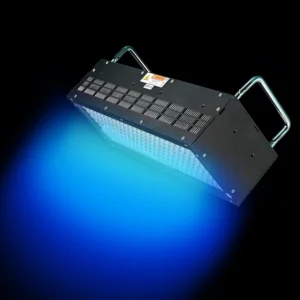
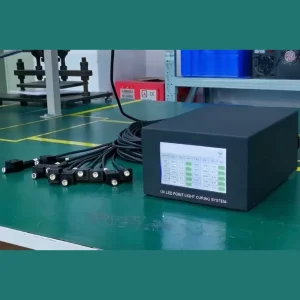
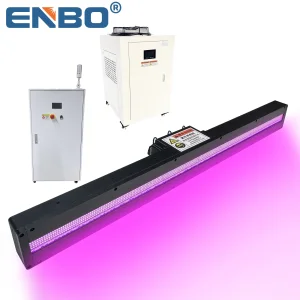
Precision wavelength arrays and automated engineering configurations optimized for structural bonding, industrial offset printing, and high-intensity surface curing.
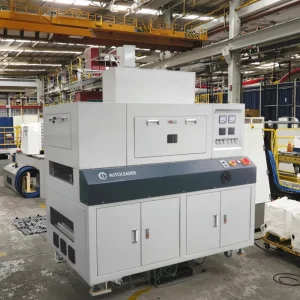
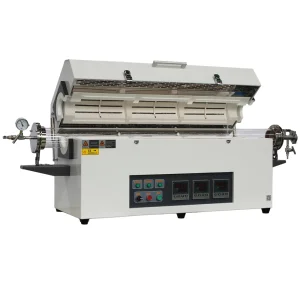
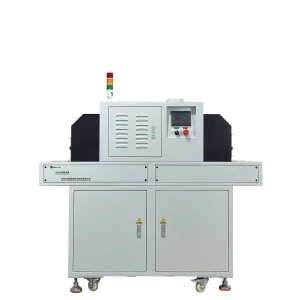
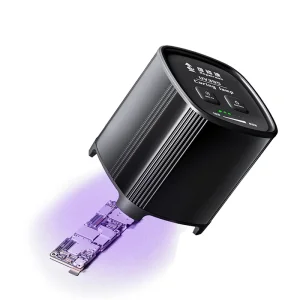
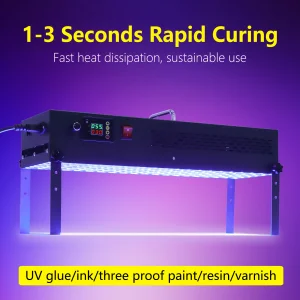
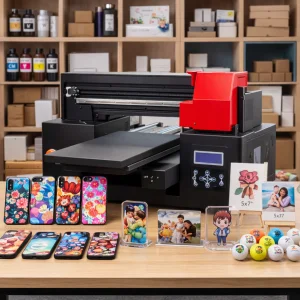
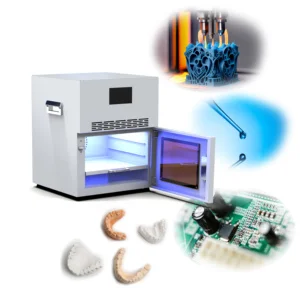
The global manufacturing ecosystem is undergoing an unprecedented structural shift towards sustainable, high-efficiency, and solid-state production methods. At the forefront of this industrial transformation is UV LED energy curing technology. Unlike legacy medium-pressure mercury vapor lamps, which rely on heavy thermal radiation and high-temperature gas discharges, UV LED curing systems utilize compound semiconductor technology (typically Gallium Nitride or Aluminum Gallium Nitride) to emit monochromatic ultraviolet light.
This technical evolution is primarily propelled by three core macro-economic drivers:
SEO Technical Insight: UV LED systems are defined not just by raw wattage but by spectral irradiance (W/cm²) and energy density (J/cm²). As leading global exporters, we optimize the balance of these metrics to prevent surface wrinkling and oxygen inhibition during high-speed production runs.
Our design standards translate directly into measurable industrial outcomes for assembly lines, printing houses, and optoelectronic fabs.
Photopolymerization relies on custom spectral match-ups between the output wavelength of the UV source and the absorption spectra of the formulation’s photoinitiators. As custom developers, Dongguan LumiCure Light Co., Ltd. designs systems across four main spectra:
A short ultraviolet wavelength optimized for deep penetration. It is widely used in optical bonding, microelectronics encapsulations, wire bonding protection, and high-precision glass-to-metal joints where surface tackiness must be avoided.
Optimized for high-speed industrial printing systems and UV varnishes. These wavelengths bypass typical yellowing effects, delivering curing depths for thicker inks, silkscreens, and wood board top-coats.
Designed for photosensitive resin formulations used in SLA/DLP 3D printers, dental aligner models, and audiology earmolds. These wavelengths ensure uniform dimensional stability and material crosslinking.
From assembly-line floor integrations to desktop additive labs, our customized curing platforms serve key modern manufacturing verticals:
In electronics manufacturing, precision curing is essential. Our UV LED dry cabinets, conveyor systems, and spot curing systems deliver precise ultraviolet radiation without introducing destructive heat to heat-sensitive IC structures, thin-film connectors, or green solder resist oils. Common applications include underfills, camera module alignments, wire tacking, and dome coatings.
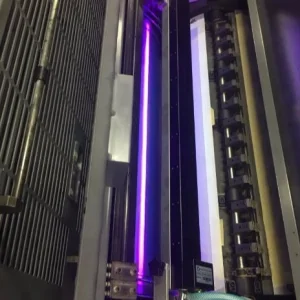
High-speed commercial presses demand instantaneous curing to prevent ink smearing and allow immediate inline processing. Our high-power UV LED systems (engineered for Heidelberg, Komori, RMGT, and KBA presses) fit cleanly into existing retrofitted setups. They enable high-speed processing on paper substrates, metallic foils, and synthetic polymers.
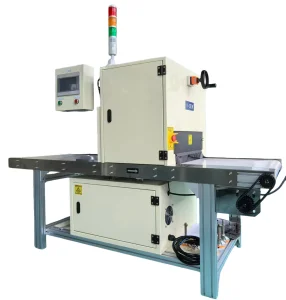
Laminating curved display glass, touchscreens, and automotive interior panels requires optical clarity without yellowing or structural bubbling. LumiCure conveyor tunnels supply uniform intensity maps, ensuring optical bonding adhesives cure consistently across the entire surface profile.
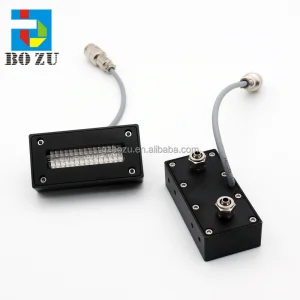
The assembly of catheters, hearing aids, and syringes demands strict compliance and structural reliability. Our localized UV LED spot systems and desktop UV curing chambers provide controlled radiation doses, meeting medical-grade requirements and ensuring consistent polymer crosslinking.
A detailed technical assessment comparing legacy gas-discharge lamps with modern solid-state UV LED technology:
| Performance Metrics | Legacy Mercury Vapor Curing | LumiCure UV LED Curing Systems |
|---|---|---|
| Operating Lifespan | 1,000 to 2,000 hours (requires constant replacements) | 20,000+ hours (highly stable semiconductor architecture) |
| Thermal Radiation Output | High infrared signature (damages heat-sensitive substrates) | Very low, narrow band emission (cool curing run) |
| Power Cycling & Response | Requires 10-15 minute preheating and cooldown cycles | Instantaneous 0.1-second on/off with digital control |
| Emission Profile | Broadband (200nm to 450nm plus infrared heat) | Narrowband (typically +/- 5nm, e.g., 365nm, 395nm) |
| Ozone Generation | High (requires external air extraction systems) | Zero ozone emissions (cleanroom compatible) |
| System Power Consumption | High continuous load, even during idle standby | Low energy consumption, scales down when not in use |
Dongguan LumiCure Light Co., Ltd. is a professional China UV LED curing lamp manufacturer specializing in the research, development, production, and supply of industrial UV curing systems and customized UV LED solutions. With a strong focus on innovation, quality, and customer satisfaction, LumiCure has become a trusted partner for manufacturers worldwide seeking efficient and reliable curing technologies.
Our product range includes UV LED curing lamps, UV LED spot curing systems, flood curing lamps, conveyor UV curing machines, UV LED modules, printing curing systems, adhesive curing equipment, and customized industrial UV solutions. These products are widely applied in printing, electronics assembly, semiconductor packaging, optical bonding, automotive manufacturing, medical devices, 3D printing, and various precision industrial processes.
Backed by an experienced engineering team and advanced manufacturing facilities, LumiCure is committed to developing energy-saving and environmentally friendly UV curing technologies. Our products feature high curing efficiency, precise wavelength output, long service life, low maintenance requirements, and intelligent control capabilities, helping customers improve productivity while reducing operating costs.
Quality remains the foundation of our business. Every product undergoes rigorous testing and strict quality control procedures throughout the manufacturing process to ensure consistent performance and reliability. We also provide comprehensive OEM and ODM services, enabling customers to customize products according to their specific technical and application requirements.
Serving clients across Europe, North America, Asia, the Middle East, and other global markets, Dongguan LumiCure Light Co., Ltd. continues to deliver innovative UV LED curing solutions that support sustainable and efficient industrial manufacturing.
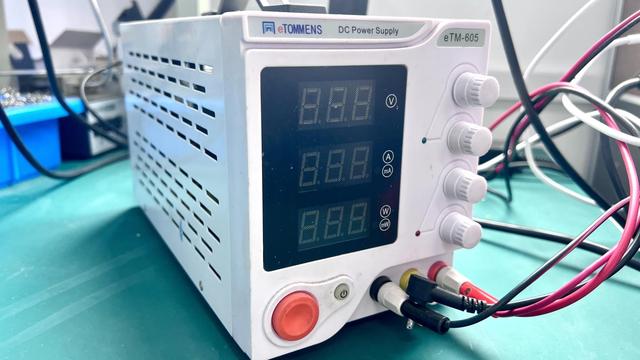
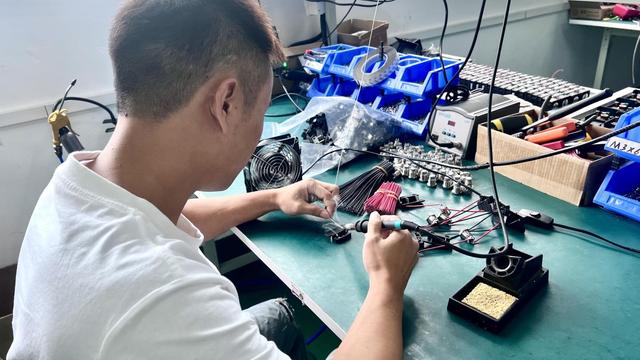
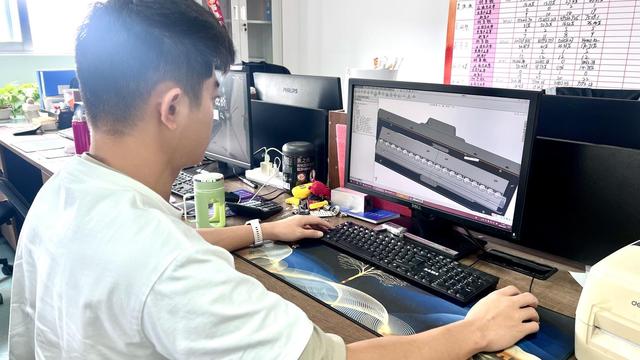
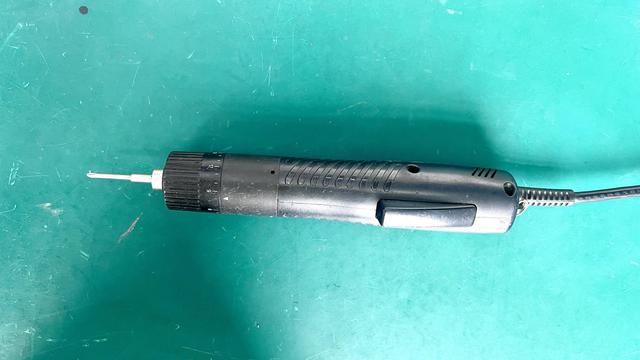
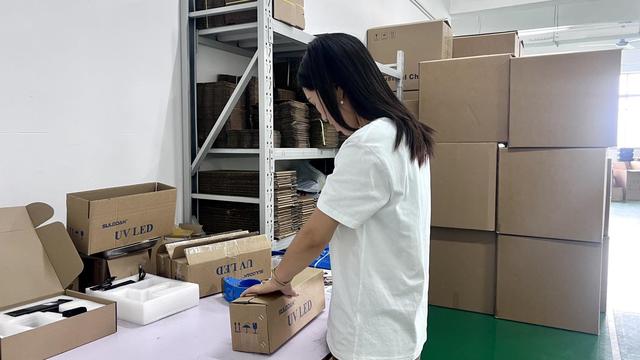
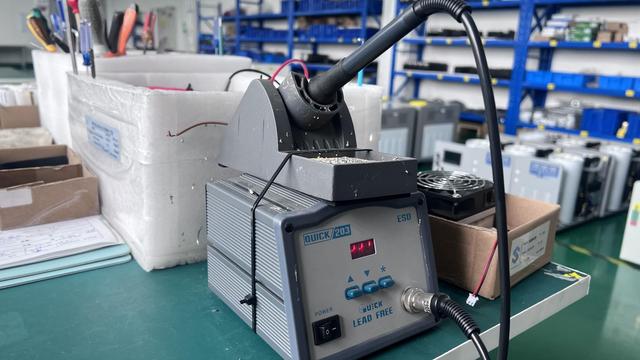
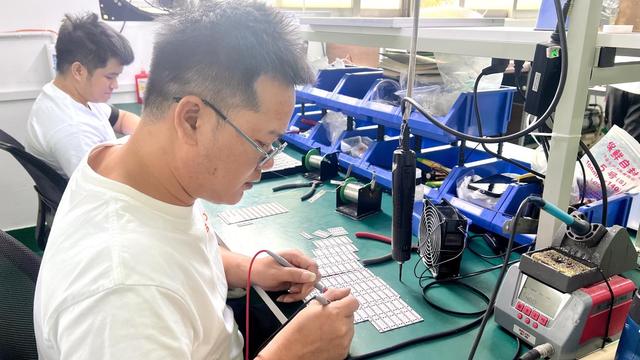
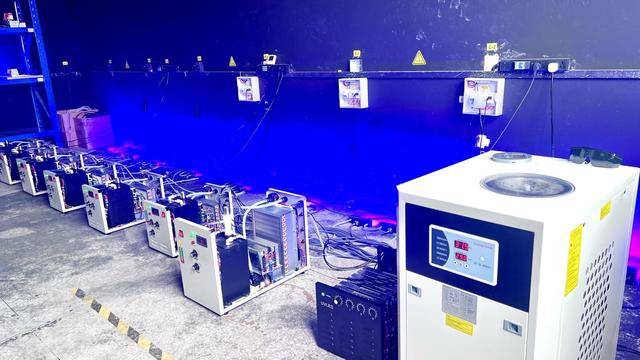
A direct look into our production facilities, cleanroom assembly lines, and diagnostic testing departments.
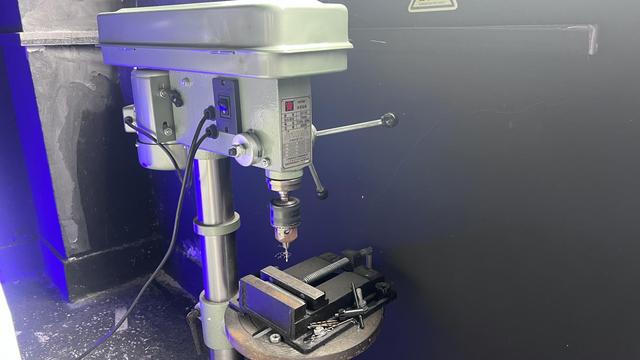
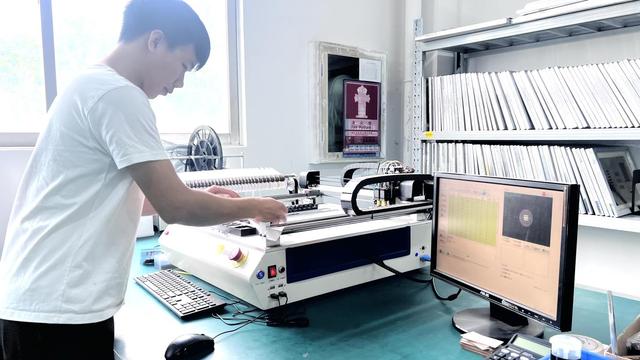
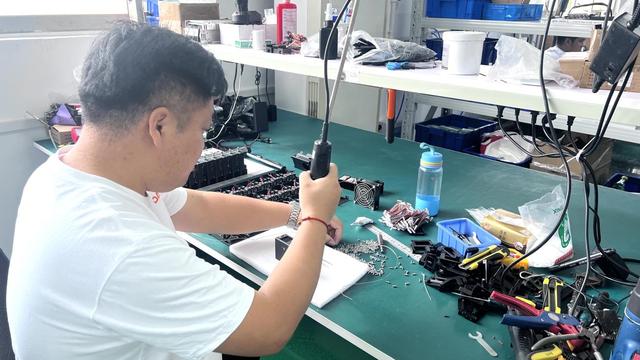
As industrial automation scales, the requirements for curing infrastructure are changing. The LumiCure R&D roadmap focuses on four key technological advancements:
Integrating real-time radiometers and thermal sensor nodes directly into the LED array, allowing the system to communicate directly with client PLCs via Modbus/EtherNet protocols. This enables closed-loop control of output intensity and auto-compensates for light decay over time.
Combining multiple chip wavelengths (such as 365nm + 395nm + 405nm) into a single Chip-on-Board (COB) architecture. This approach enables uniform curing of specialty adhesives and hybrid composite structures without requiring multiple lampheads.
Developing closed-loop micro-channel liquid cooling designs that reduce coolant volume while maintaining temperature stability within ±0.5°C, ensuring consistent wavelength output and peak irradiance under continuous heavy workloads.
Key questions and industry advice for system design engineers, buyers, and production managers.
The selection depends on the absorption profile of the photoinitiator in your formulation. Most standard adhesives, optical displays, and electronics encapsulate formulations contain photoinitiators optimized for 365nm. Industrial inks, flexo printing systems, and heavy wood varnishes typically use 385nm or 395nm to achieve deep curing and minimize oxygen inhibition. Check the material safety data sheet (MSDS) or consult with your chemical supplier to determine the target wavelength.
Peak Irradiance (measured in W/cm²) represents the maximum power intensity of light at the surface of the substrate. It is critical for initiating the chemical reaction and overcoming oxygen inhibition. Energy Density or Dose (measured in J/cm²) represents the total amount of light energy received over time. Achieving complete curing requires meeting both the peak irradiance threshold and the total energy density specified for the material.
High-power systems (e.g., above 16W/cm² or large-area arrays) generate substantial localized heat at the LED junctions. If the junction temperature rises too high, the optical efficiency drops, the output wavelength shifts, and the lifespan of the diodes is shortened. Water cooling keeps these high-power modules within their optimal operating temperature range, ensuring stable output during continuous, multi-shift production.
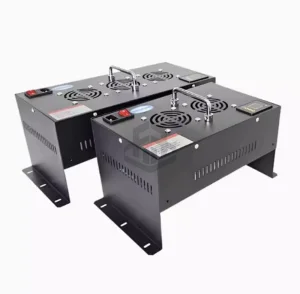
Yes, our systems are designed for retrofitting. We supply custom power cabinets, mounting brackets, and specialized PLC integration logic interfaces to replace old mercury housings on printing presses, conveyor belt dryers, and manufacturing lines with minimal downtime.
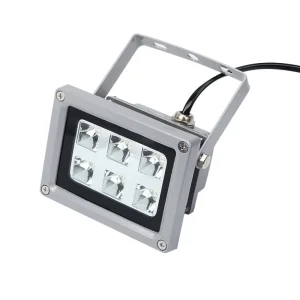
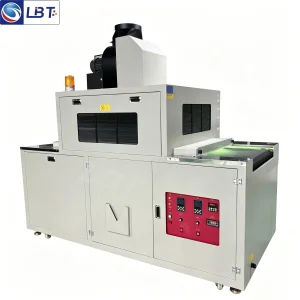
High-intensity curing solutions engineered for conveyor lines, offset presses, wood finishing, and precise localized point treatments.
 LumiCure Light