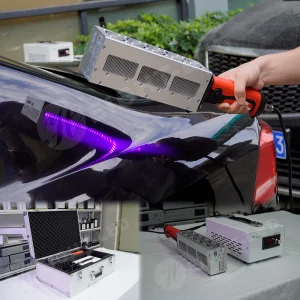
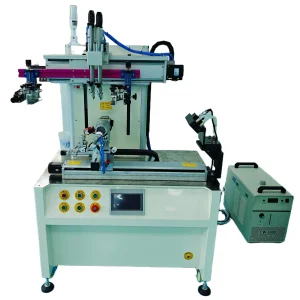
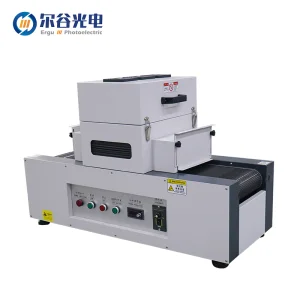
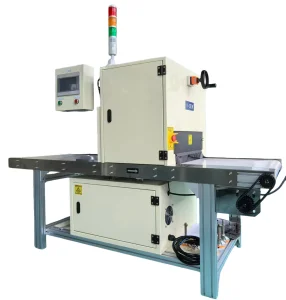
Explore our foundational range of industrial UV LED lamps, conveying systems, and custom water-cooled assemblies designed for maximum throughput and reliability.
LED Operational Lifespan (Hours)
Industrial Pass-rate Compliance
Configurable Output Range
Mercury-Free Environmentally Safe
Pioneering High-Irradiance UV Curing Systems for Global B2B Industrial Application Channels
Establishment, technical excellence, and scientific rigor form the cornerstone of Dongguan LumiCure Light Co., Ltd. As a premier Chinese manufacturer and global exporter of UV LED multi-function systems, we specialize in bridging the gap between custom industrial layouts and standard commercial curing installations. Our engineering matrix combines deep research in optical physics, advanced thermal dissipation, and smart electronic circuit layouts to design solutions that minimize operational downtime while maximizing polymer polymerization rates.
With an expansive state-of-the-art facility located in the manufacturing core of Dongguan, China, LumiCure supplies key components, high-dose LED modules, conveyor systems, and complex custom light engines to over 40 countries across Europe, North America, the Middle East, and East Asia. We integrate industry-leading diode arrays, precision-extruded quartz lenses, and intelligent width-adaptive PLC controls, setting a higher benchmark for B2B procurement professionals worldwide.
How Dongguan LumiCure leverages the world’s most integrated industrial lighting ecosystem to offer high-quality, cost-competitive, and rapid-delivery curing solutions.
Our proximity to premium diode wafer suppliers and optical glass precision moulders in the Pearl River Delta enables rapid sourcing of top-tier materials. We select only the highest-bin chips, ensuring stable power density and a lifespan exceeding 30,000 operational hours.
LumiCure utilizes automated Chip-on-Board (COB) wire-bonding and silicon encapsulation lines in cleanroom environments. This level of vertical integration minimizes thermal resistance and maximizes output intensity (W/cm²) across the entire emitting window.
From initial thermal simulations using ANSYS Icepak to physical optical testing inside our goniophotometer darkrooms, our engineering cycles are measured in days rather than months. This allows global clients to rapidly adapt configurations to meet changing market demands.
Industrial curing processes are highly dependent on substrate behavior, ink composition, and conveyor line speeds. LumiCure’s multi-function UV LED systems are designed as adaptable platforms rather than single-use tools, ensuring seamless integration into diverse manufacturing environments.
Modern electronic devices rely on micro-coatings, underfills, and precise structural adhesives. In wire bonding, LCD lamination, and membrane switch assembly, heat is the ultimate enemy. Traditional UV mercury lamps generate immense infrared (IR) heat, leading to substrate warpage and internal component failure. LumiCure's high-purity UV wavelengths (predominantly 365nm and 395nm) deliver rapid photoinitiator reaction without thermal runoff, protecting delicate circuitry during high-density potting and screen bonding.
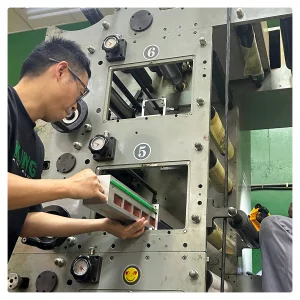
With web speeds of modern packaging lines exceeding 200m/min, the ink must undergo phase-transformation in milliseconds. Our systems, such as the Modular UV Curing Lamp System with Width Adaptive Control, dynamically scale energy output to match press speed and substrate width. This prevents under-curing (leading to ink transfer) and over-curing (causing media brittleness), achieving consistent color density and gloss levels on plastic films, paperboard, and metallic surfaces.
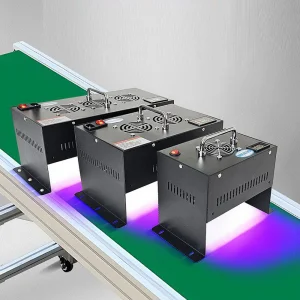
From protective topcoats on wood flooring to clear coats on automotive interior trim, our heavy-duty conveyor systems facilitate continuous, high-volume curing. Our customized water-cooled UV lamp modules emit high irradiance levels, enabling photo-polymerization to penetrate deeply into thick, opaque coating layers, resulting in excellent scratch resistance, solvent chemical resistance, and high-quality finishes.
Adhering polycarbonate, PVC, and stainless steel in catheters, syringes, and fluid filters demands 100% cure verification and zero contamination. Our cleanroom-compatible UV LED arrays output narrow, highly targeted bands of UVA energy, guaranteeing rapid curing of ISO 10993-compliant medical adhesives without outgassing or toxic residue generation.
Purchasing industrial UV curing installations requires a clear understanding of technical parameters. Use the guide below to align your technical requirements with our engineering solutions:
| Specification Parameter | Industrial Requirement / Range | LumiCure Platform Capability |
|---|---|---|
| Wavelength Selections | 365nm, 385nm, 395nm, 405nm, or Multi-band | Custom single or multi-wavelength arrays tailored to match specific photoinitiators. |
| Peak Irradiance (Intensity) | 2 W/cm² to 24 W/cm² at working distance | High-concentration COB arrays capable of delivering up to 20 W/cm² for deep penetration. |
| Cooling Architecture | Forced Air or Closed-loop Liquid Chilling | High-flow aluminum extrusion fan systems or copper micro-channel water blocks. |
| Control & Integration | Analog (0-10V), RS485 Modbus, PLC Handshake | Smart microprocessors monitor junction temperature and scale power based on line speed. |
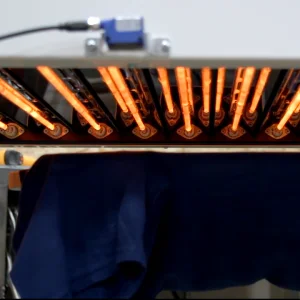
The industrial curing landscape is undergoing a major shift. The Minamata Convention on Mercury has accelerated the retirement of traditional gas-discharge UV lamps. These legacy systems consume significant energy, demand long warm-up cycles, and contain hazardous materials. Our energy-efficient LED modules offer a sustainable alternative, providing consistent curing power while helping manufacturers reduce their carbon footprint.
Additionally, our Width Adaptive Intelligent control system reduces energy waste by lighting only the modules directly above the active substrate, significantly lowering operating costs on flexographic, offset, and digital inkjet lines.
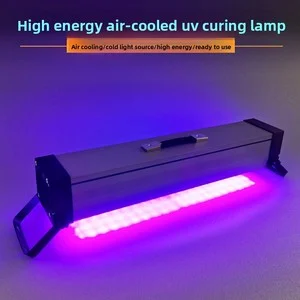
Explore our compact modules, portable tooling, and high-density COB components designed to seamlessly integrate into existing setups or machinery.
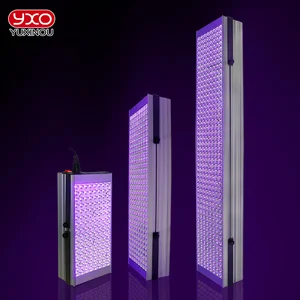
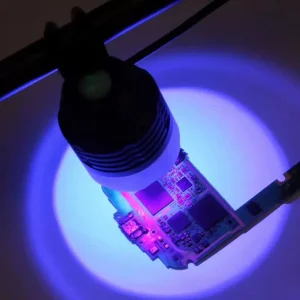
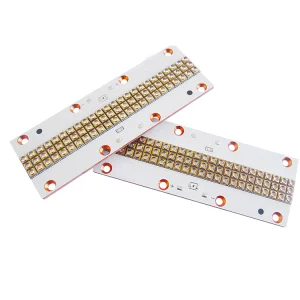
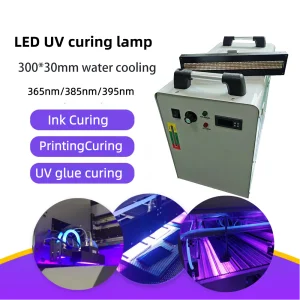
Key technical insights to guide your purchasing decisions and simplify system integration.
Choosing the right wavelength depends on your specific chemistry and substrate. 365nm is ideal for surface curing, thin coatings, and medical adhesive bonding, as it is highly absorbed by typical photoinitiators. 395nm offers deeper penetration, making it suited for thick polymer layers, dark inks, and wood coatings. We also provide customized multi-wavelength systems to meet complex requirements.
Water cooling provides high heat dissipation, allowing diodes to run at higher power levels (up to 20W/cm² or more) while maintaining stable junction temperatures. This is crucial for high-speed printing lines and cleanrooms where airflow is restricted. Air cooling is more compact and cost-effective, making it ideal for low-to-medium intensity tasks like conveyor drying or electronics potting.
Yes. Our systems are built with B2B integration in mind, featuring standard communication protocols (such as Modbus RS485, Analog 0-10V, and Ethernet). This allows you to monitor parameters like diode temperatures, curing width, and power output directly from your main control panel.
Standard modules are typically shipped within 7-10 business days. Custom systems—including custom dimensions, specific wavelengths, and advanced PLC features—generally require 3-5 weeks for engineering design, prototyping, and testing before shipment.
Every system undergoes a rigorous testing process, including 72-hour burn-in cycles and optical profiling. We measure irradiance distribution and spectral consistency to ensure every unit meets the specifications of our global industrial clients.
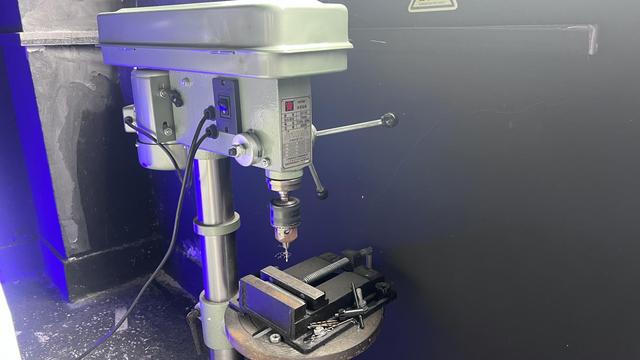
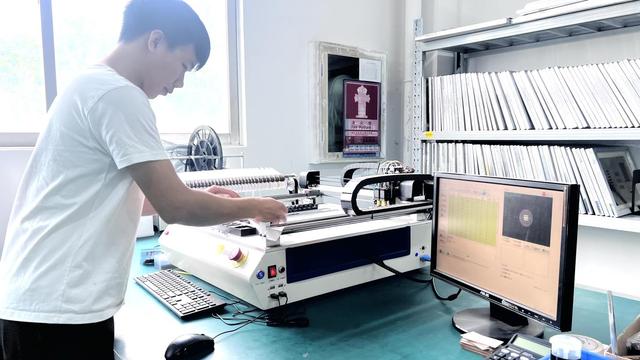
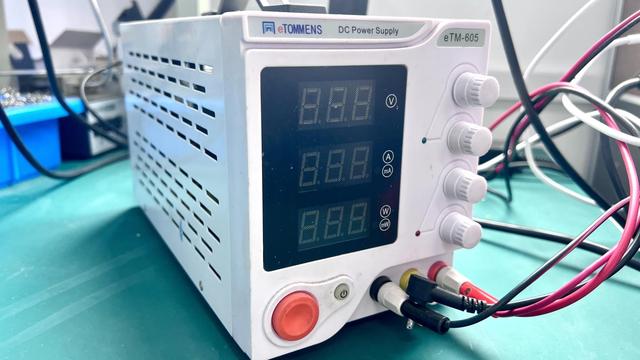
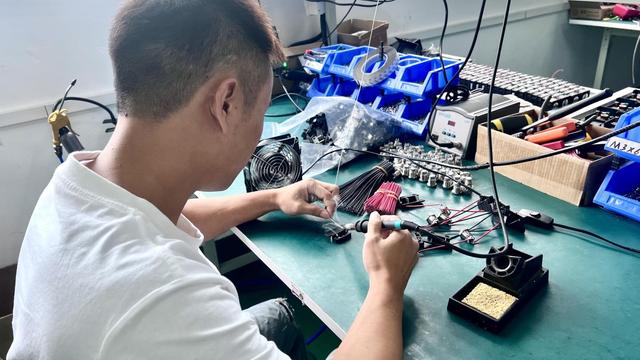
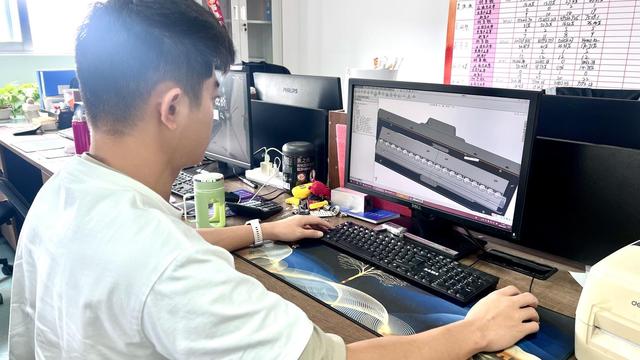
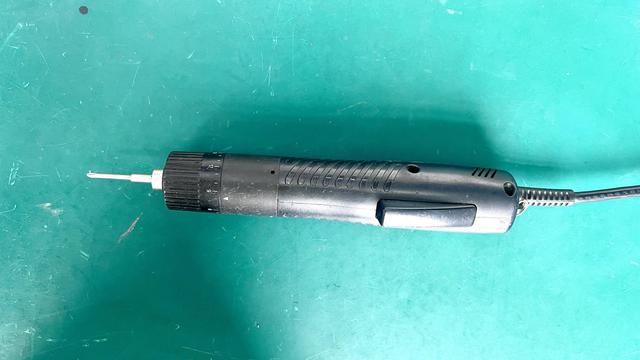
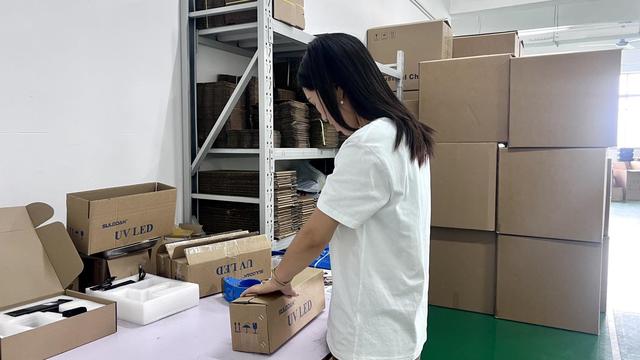
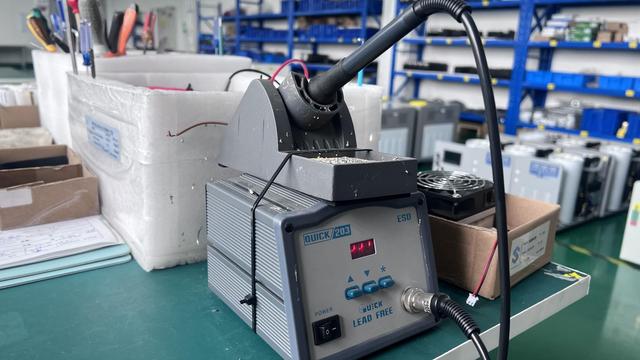
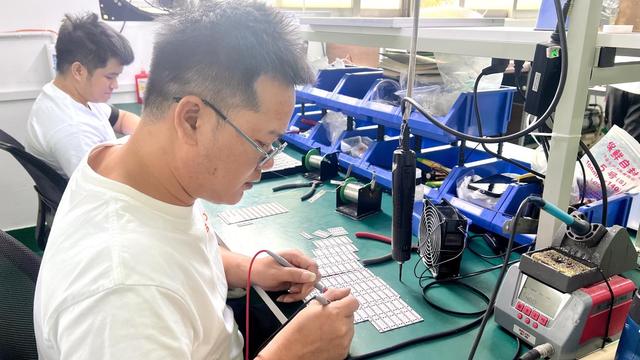
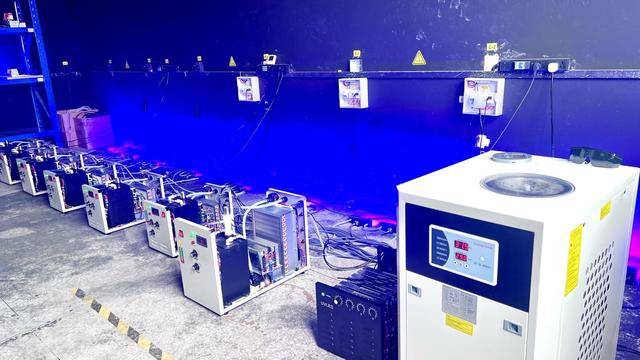
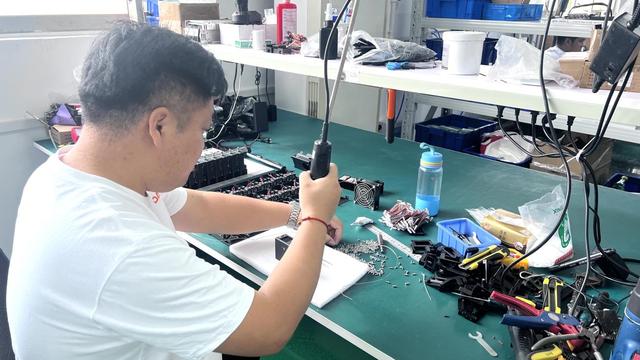
Inside our advanced production floor, where precision manufacturing meets strict quality control to deliver high-performance UV LED solutions.
 LumiCure Light