Explore our flagship industrial-grade photopolymerization systems engineered for precision and durability.
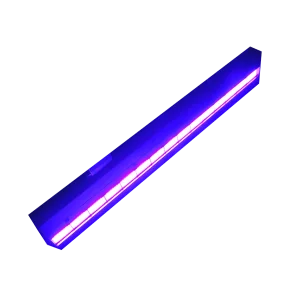
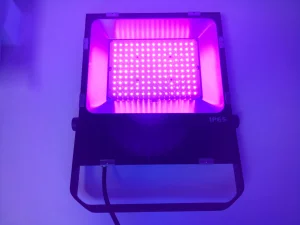
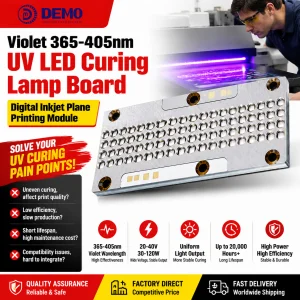
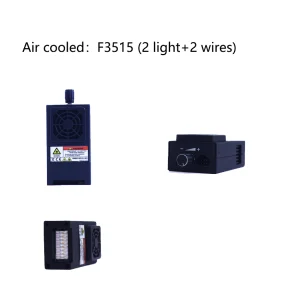
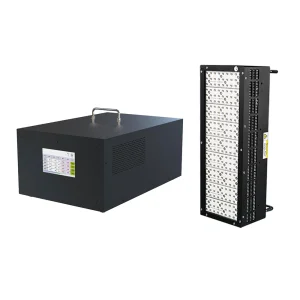
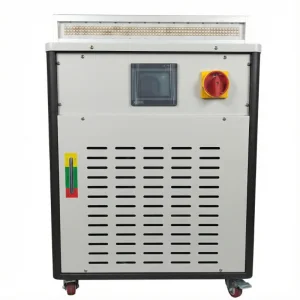
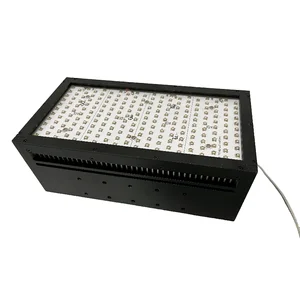
Dongguan LumiCure Light Co., Ltd. stands at the forefront of the optoelectronic revolution, operating as a professional China UV LED curing lamp manufacturer. Our core expertise lies in the scientific research, customized development (ODM), scale production, and global supply of industrial-grade ultraviolet (UV) curing units and integrated line/flood systems.
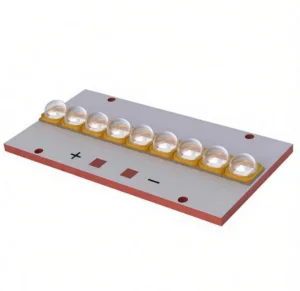
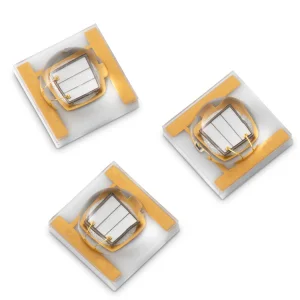
By transitioning industrial drying and bonding lines from traditional high-pressure mercury arc lamps to narrow-band UV LED solid-state systems, we enable global manufacturing industries to achieve higher throughput, superior adhesion metrics, and minimal substrate thermal distortion. With our advanced optical designs and rigorous chip-on-board (COB) packaging technology, we supply systems configured for extreme peak irradiance and uniform radiant energy density.
Our operational ethos integrates strict component traceability and continuous quality testing. This ensures that every high-power UV emitter we output performs consistently under demanding cleanroom and high-speed factory conditions worldwide.
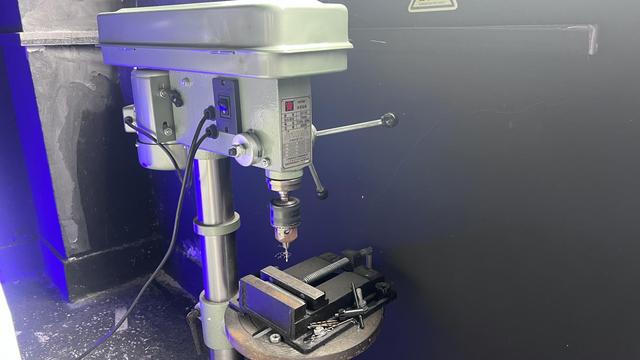
How LumiCure configures emission spectra, optical beam profiles, and thermal extraction channels for custom manufacturing requirements.
We manufacture narrow-band semiconductor arrays with precise peak wavelengths at 365nm, 385nm, 395nm, and 405nm. We design hybrid multi-wavelength modules to solve depth-of-cure and surface tack issues simultaneously.
Using precision quartz and silicone lens arrays, we adjust beam collimation, focusing, or flood divergence angles. This maximizes peak irradiance (W/cm²) on the target substrate and prevents energy loss.
High-power UV LEDs generate concentrated heat. We design custom copper micro-channel water-cooled blocks and high-flow air heatsinks to keep junction temperatures low, ensuring stable light output and longer life.
Our systems feature analog, RS485 Modbus, and PLC interfaces. This enables closed-loop intensity monitoring, instant on/off cycling, and precise duty cycle adjustments that sync with high-speed automated production.
Real-world integration of LumiCure systems across high-performance commercial and precision manufacturing lines.
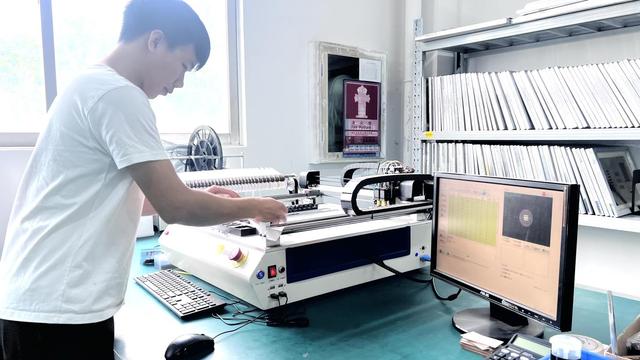
In precision consumer electronics and optical display manufacturing, temperature control is critical to prevent thin film warping or yellowing. LumiCure's customized 365nm and 405nm spot and flood curing units provide high intensity without high thermal loads. This makes them ideal for:
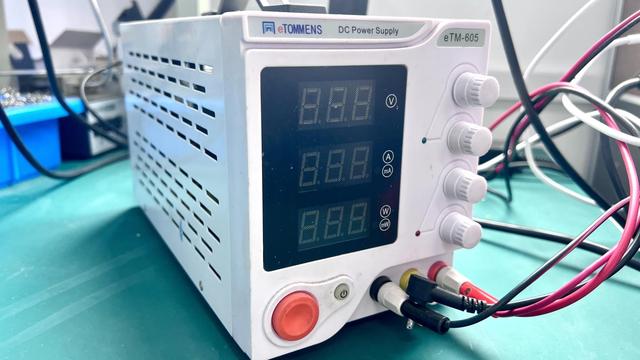
Modern roll-to-roll and sheet-fed presses operate at high speeds, requiring instant drying of inks. LumiCure's high-intensity UV LED curing bars deliver over 16 W/cm² of peak irradiance. This enables:
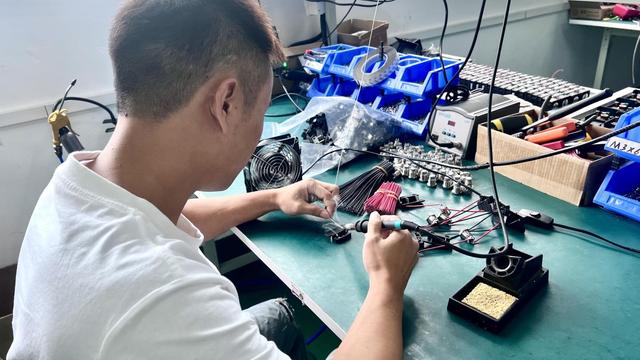
Medical disposables demand consistent adhesive curing to ensure mechanical joint integrity and pass ISO 10993 biocompatibility testing. Our UV LED systems offer:
Why global OEMs, system integrators, and industrial distributors partner with Dongguan LumiCure.
Located in Dongguan, the heart of global advanced electronics manufacturing, we source high-thermal-conductivity copper substrates, quartz lenses, and semiconductor controllers locally. This proximity reduces procurement lead times and enables rapid prototyping.
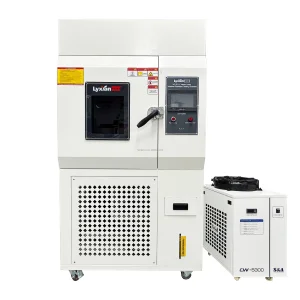
Every UV system undergoes long-term aging tests under high thermal stress. We measure absolute spectral output, spatial irradiance uniformity, and power attenuation over time to guarantee stable performance.
Our production lines are engineered for quick-change setups. This flexibility allows us to manufacture custom, application-specific curing units—from small batches to large-scale OEM production—efficiently and cost-effectively.
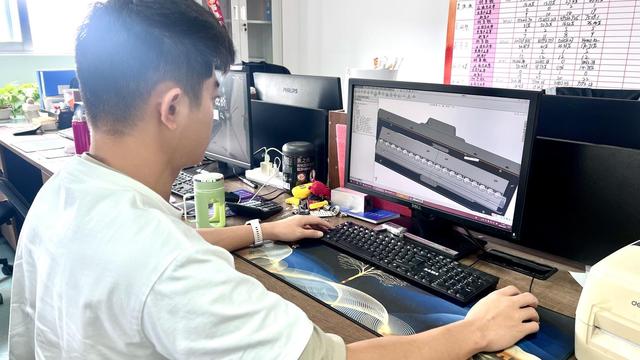
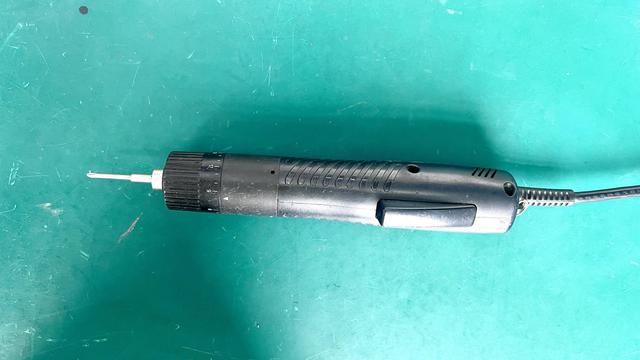
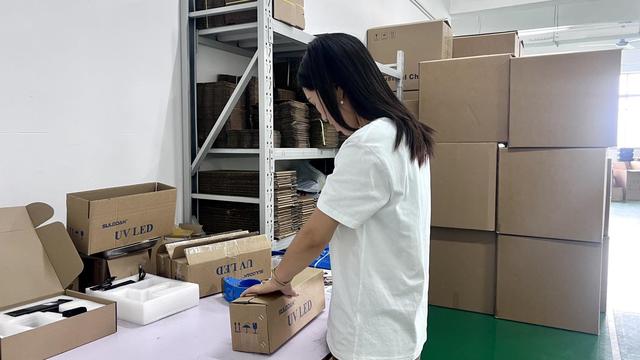
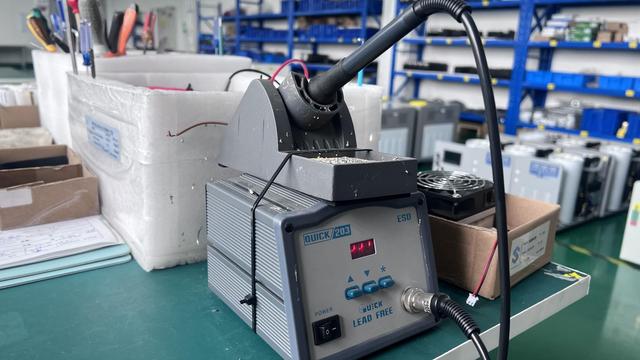
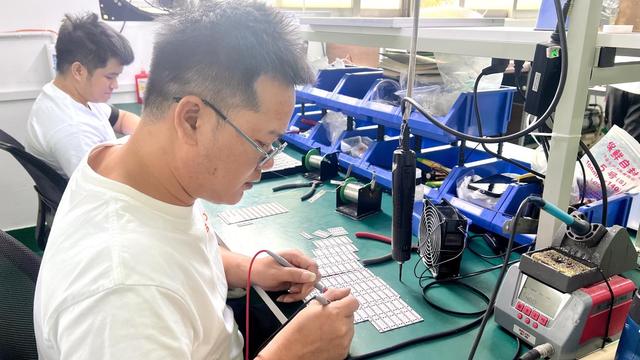
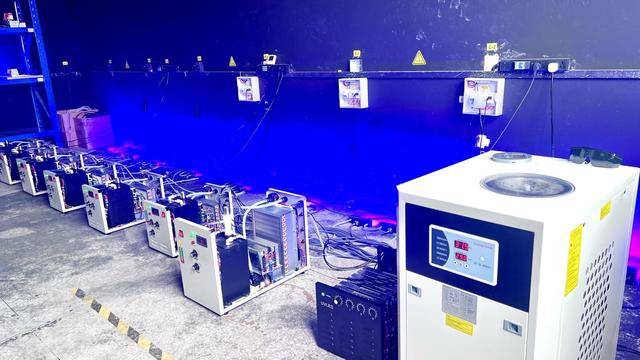
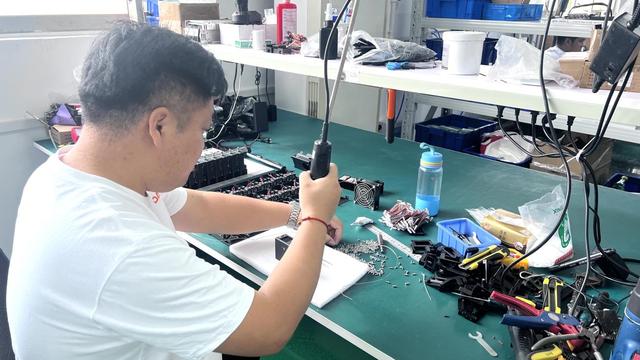
Take a virtual tour of our cleanroom assembly lines, precision measurement labs, and quality assurance divisions.
The technology roadmap for solid-state curing is shifting toward higher radiant efficiency, deeper UV wavelengths (UVC), and intelligent IoT diagnostics.
While UVA (365-405nm) dominates today's curing market, advances in AlGaN (Aluminum Gallium Nitride) semiconductor materials are increasing the wall-plug efficiency of UVC (200-280nm) emitters. In the coming years, we expect high-power UVC LEDs to replace mercury lamps for hard coatings, surface disinfection, and water-sterilization systems.
Future UV systems will feature embedded sensors that monitor radiant output, optical transmission efficiency, and device temperature in real time. Connected to industrial clouds via edge processors, these modules enable predictive maintenance and minimize unplanned down time on manufacturing lines.
As global environmental regulations phase out mercury under the Minamata Convention, UV LED systems play a critical role in reducing industrial carbon footprints. With instant start-stop functionality and zero ozone generation, solid-state curing helps manufacturers meet ESG targets and RoHS compliance.
Clear, direct answers to common engineering, procurement, and process-design questions.
Peak Irradiance (W/cm²) is the maximum optical power delivered to the substrate surface at a given instant. It is determined by the emitter array design, lens focusing, and distance from the light source. Energy Density or Dose (J/cm²) is the total integrated optical energy delivered over time (irradiance multiplied by exposure duration). High irradiance is needed to overcome oxygen inhibition, while sufficient dose is required for a complete depth cure.
Water cooling is preferred for compact, high-output configurations (typically above 8-10 W/cm²). Water has a higher heat capacity than air, allowing it to efficiently extract heat from high-density LED arrays. This maintains stable wavelengths and extends chip lifetime. Air cooling is simpler and requires less maintenance, but needs a larger physical envelope for heatsinks and fans.
The output wavelength of the UV LED must match the absorption spectrum of the photoinitiator in the formulation. Emitters at 365nm are typically used for surface curing and clear adhesives, while 395nm and 405nm wavelengths offer deeper penetration. This deeper reach is ideal for highly pigmented inks, thick polymer layers, and opaque substrates.
Often, yes, but some formulations may need optimization. Traditional mercury lamps emit a broad spectrum (UVA, UVB, UVC, and infrared). UV LEDs are narrow-band light sources, emitting around a specific peak (e.g., 395nm). Many modern ink and adhesive manufacturers offer formulations optimized specifically for LED-based curing.
All LumiCure UV LED curing systems are designed and manufactured to meet CE, RoHS, and WEEE requirements. We provide complete electrical integration documentation and optical safety guidelines (IEC 62471) to ensure operator protection against direct UV exposure.
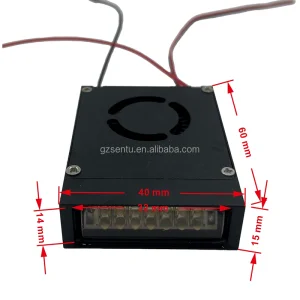
Browse our range of high-power modules, laboratory exposure systems, and customized industrial components.
 LumiCure Light