Engineered specifically to meet the high-efficiency demands of Japanese automated machinery, high-speed offset printing presses, and electronic packaging lines.
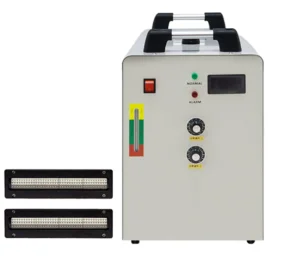
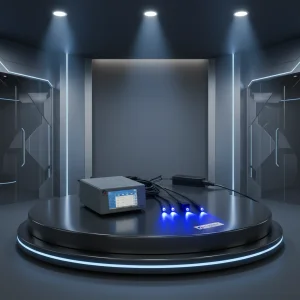
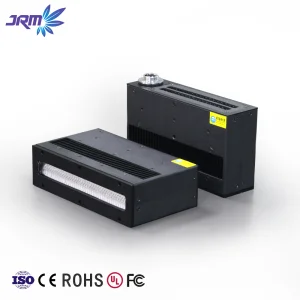
Japan’s industrial sector is renowned globally for its relentless pursuit of precision engineering, environmental sustainability, and rigorous quality assurance. In regions stretching from the Kanto industrial belt (Tokyo, Kanagawa) to the Kansai manufacturing hub (Osaka, Kyoto), factories are undergoing a rapid transition. Conventional high-pressure mercury vapor lamps and metal halide lamps are being systematically phased out due to the global initiatives of the Minamata Convention on Mercury.
This regulatory push, paired with Japan's aggressive carbon-neutral targets, has put UV LED curing modules at the forefront of technological retrofits. Unlike legacy mercury systems that consume massive amounts of electric power, run at high operating temperatures, and require frequent downtime for warm-up phases, solid-state UV LED modules offer instant on/off capabilities, precise wavelength outputs, and up to an 80% reduction in power consumption.
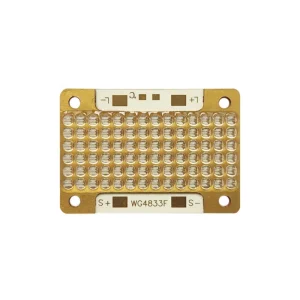
For fields like semiconductor wafer processing, display bonding (FPD), and high-speed rotary printing (such as Komori and Ryobi installations), the control over thermal dissipation is paramount. Japanese engineers demand modules that minimize thermal transfer to the substrates, preventing warp, shrinkage, and optical defects. High-power density COB (Chip-on-Board) modules paired with advanced micro-channel water-cooling boards have thus become the gold standard.
By substituting mercury arc systems with specialized high-radiance UV LED arrays, factory operators in Japan report reducing maintenance cycles from every 1,500 hours (mercury lamp lifespan) to over 20,000 hours, virtually eliminating production line disruptions and costly disposal fees.
Designed for specialized coatings, wood finishes, semiconductor exposure, and micro-bonding applications demanding high irradiance stability.
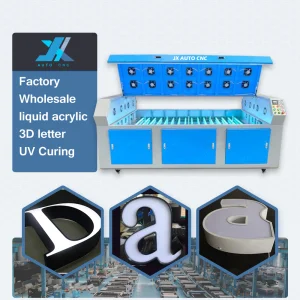
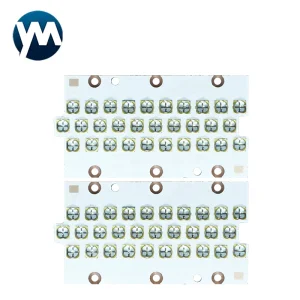
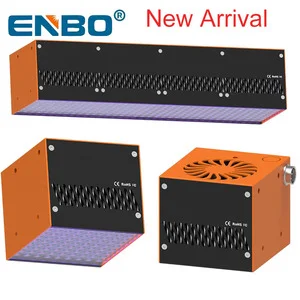
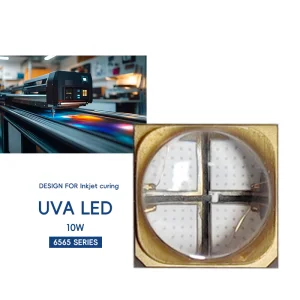
Decoupling the science behind monochromatic light selection to maximize crosslinking density and surface hardness.
The 365nm UV wavelength is the industry benchmark for deep curing and high-precision adhesive bonding. Because it sits at a shorter wavelength range within the UVA spectrum, it is absorbed efficiently by standard photoinitiators utilized in optical clear adhesives (LOCA) and semiconductor photoresists. In Japanese electronic component factories, 365nm ensures zero residual monomer migration, safeguarding sensitive gold-wire bonds and silicon dies from chemical degradation.
For high-speed rotary printing and thick-layer coatings, 385nm and 395nm wavelengths yield superior depth penetration. Because longer wavelengths suffer less scattering in highly pigmented inks (such as titanium dioxide whites or dense carbon blacks), they can penetrate depths up to several millimeters. This ensures complete polymerization through the bottom layer, preventing adhesion failure and bubble formations on flexible PE/PET packaging substrates.
405nm modules border the visible light spectrum and are highly effective for curing deep-section acrylics, glass-to-metal bonding, and dental matrices. By deploying 405nm light, curing systems minimize yellowing in high-clarity optical components and medical diagnostics cartridges. It is frequently combined with 365nm arrays in hybrid configuration curing modules to achieve simultaneous surface tack-free properties and thorough substrate bonding.
Dongguan LumiCure Light Co., Ltd. has established itself as a reliable OEM/ODM partner for Japanese distributors and automated systems builders. Located in Dongguan, China’s industrial powerhouse, LumiCure commands an integrated supply chain that delivers advanced optoelectronic components, precision CNC-machined heat sinks, and advanced driver boards rapidly and cost-effectively.
We understand that Japanese industrial companies expect more than just low-cost alternatives; they require rigorous quality assurance. For this reason, LumiCure integrates top-tier components into our modules, including original Japanese-made ceramic substrates and customized high-performance LED chips. Every module undergo strict thermodynamic simulation, thermal resistance testing, and radiometric mapping to ensure perfect uniformity across the entire emission window before export.
By partnering with us, Japanese importers receive the cost benefits of high-capacity manufacturing without sacrificing engineering documentation, safety certifications (such as CE, RoHS, and PSE compatibility), or precise dimensional tolerances required by automated machine integrators.
Our testing labs run continuous 72-hour aging tests at maximum drive current under elevated temperatures to verify the longevity of our COB arrays. Radiometer profiling ensures that spatial energy distribution meets the demanding guidelines of Japanese high-end industrial printers and electronics assemblers.
Browse our primary high-power UV light systems and customizable chip-on-board modules optimized for international industrial standards.
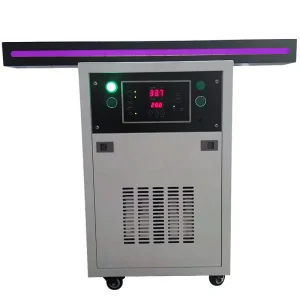
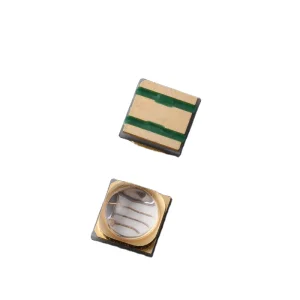
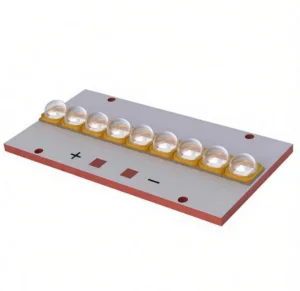
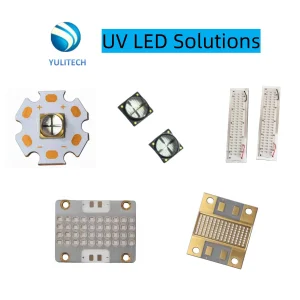
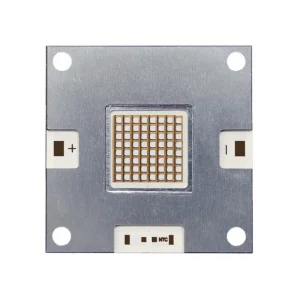
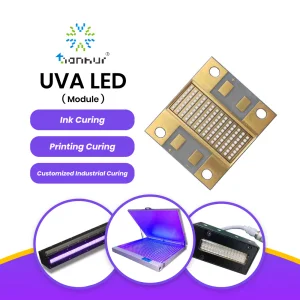
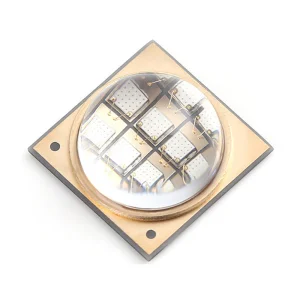
Exploring the electrical, thermodynamic, and mechanical prerequisites for installing solid-state curing engines into Japanese factory automation frameworks.
Modern manufacturing lines in Japan rely heavily on automation ecosystems powered by Omron, Mitsubishi Electric, or Keyence PLCs. LumiCure's UV LED modules are designed with industrial interface protocols in mind. Our power supply drivers support 0-10V analog intensity signals, PWM controls, and RS-485 Modbus networks. This integration allows real-time feedback loops. If the system detects deviations in temperatures or output fluctuations, the PLC instantly triggers shutoffs, avoiding defective runs.
As peak irradiance climbs past 16-20 W/cm², heat accumulation at the LED junction threatens chip lifetime and spectral wavelength shifts. Our specialized water-cooled plates utilize copper micro-channels that maximizes heat transfer surface area. The design prevents hot-spots and maintains the junction temperature below 65°C. This level of thermal control guarantees that the emission remains locked at target wavelengths (e.g., 365nm ±5nm) without drifting into inefficient bands.
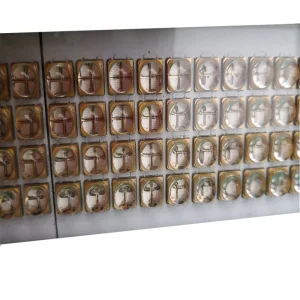
A look inside our ISO 9001:2015 certified production lines and automated optical calibration chambers.
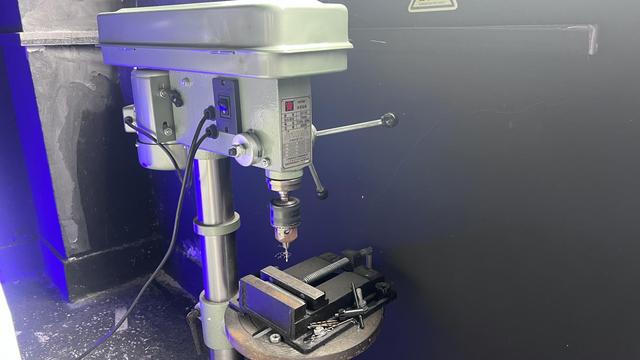
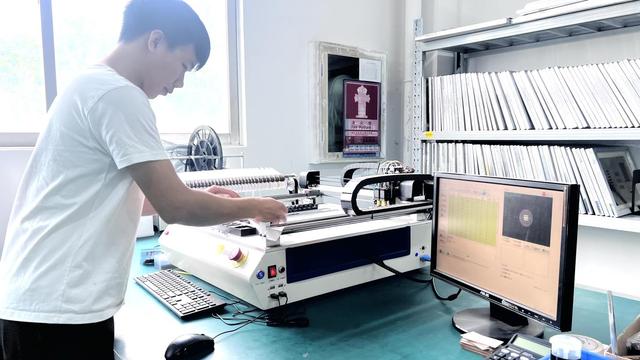
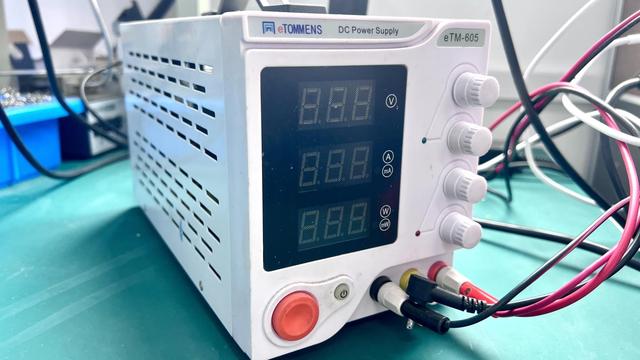
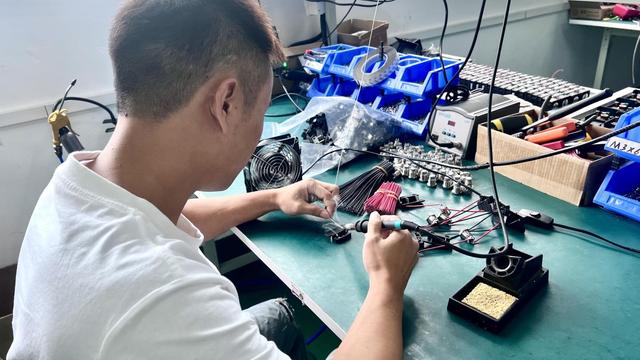
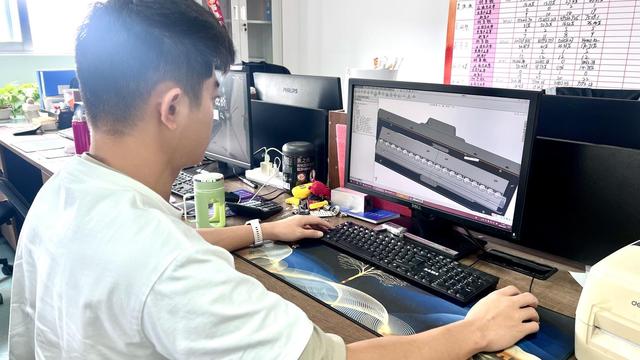
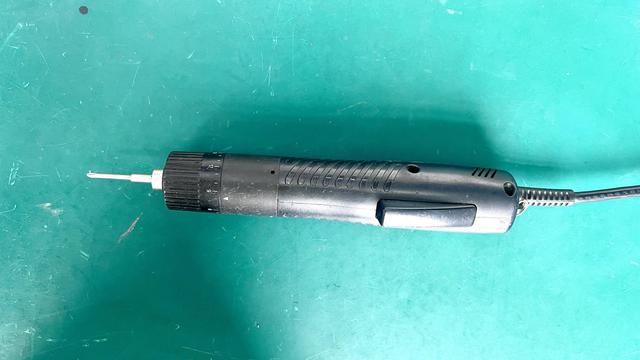
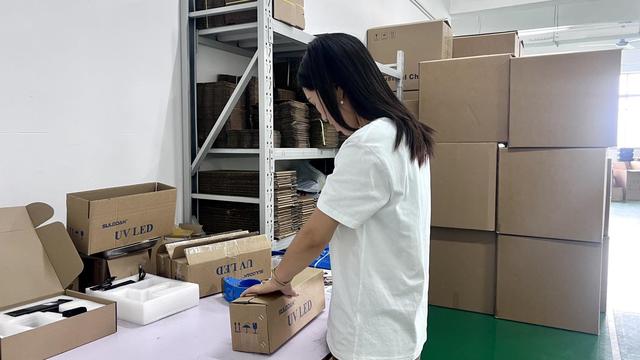
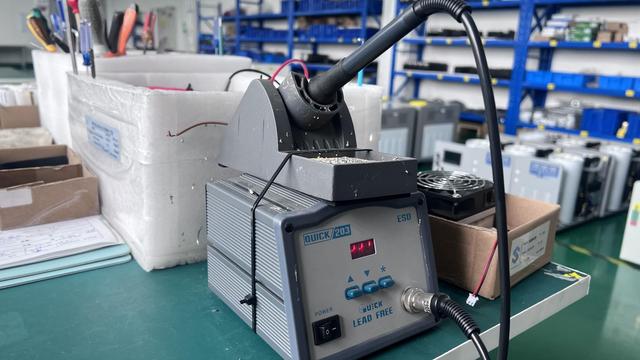
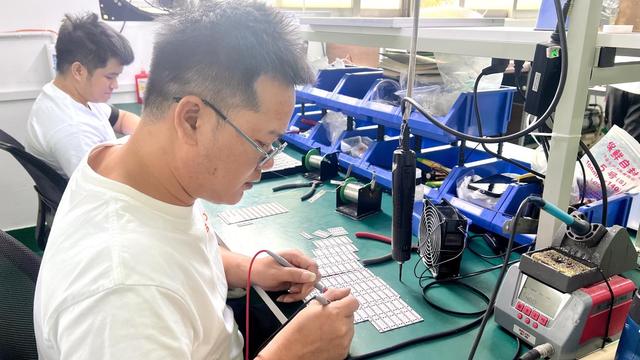
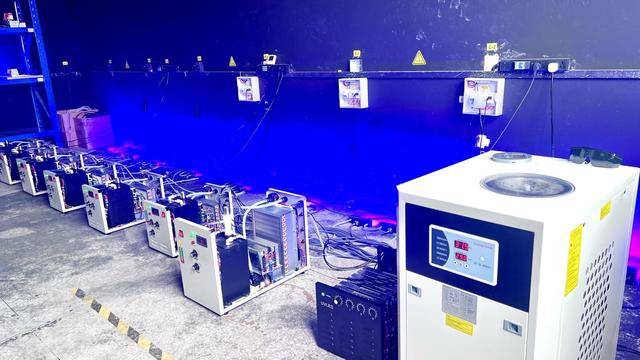
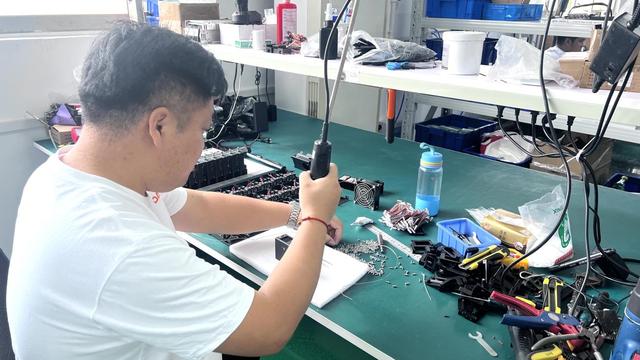
Dongguan LumiCure Light Co., Ltd. is a leading China UV LED curing lamp manufacturer specializing in research, design, fabrication, and sales of high-performance industrial UV curing setups. Our solutions span a full ecosystem from spots, floods, and customized multi-wavelength light bars to conveyor systems designed for Japanese precision automation, medical device production, optoelectronics assembly, and semiconductor packages.
Answering technical, electrical, and commercial queries regarding exporting, integrating, and maintaining UV LED systems in Japanese facilities.
Let our engineers assist you in specifying the exact peak irradiance, wavelength configuration, and cooling setup for your line. Contact our technical export division today for drawings, quotes, and case study documentation.
 LumiCure Light