LumiCure Light
High-uniformity UV-LED spot and flood curing solutions designed for Austrian aerospace, automotive HUD manufacturing, and high-end industrial displays.
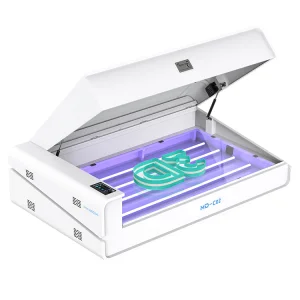
Austria’s manufacturing economy is highly characterized by premium niche specialization, pioneering efforts in smart mobility, and high-value industrial automation. With major electronic clusters located throughout regions like Carinthia (Villach semiconductor hub), Styria (Graz automotive ecosystem), and Vienna's biotech complexes, Austrian Tier-1 suppliers and OEMs demand precision tooling to secure high-yield manufacturing pipelines.
In response to strict environmental mandates and target timelines for climate-neutral operations, Austrian assemblers are transitioning away from high-temperature thermal ovens and hazardous mercury-vapor units. Implementing energy-efficient UV-LED technology is critical to reducing carbon footprints while optimizing cycles. In applications like optical bonding—securing transparent displays, touchscreen sensors, glass panels, and delicate HUDs—maintaining tight thermal control is vital to preventing pixel degradation and structural warping.
Wavelength Precision: Exact 365nm to 405nm narrow-band emission ensures matching of photoinitiator activation thresholds without emitting unnecessary thermal infrared (IR) radiation.
Thermomechanical Stability: Minimizes mechanical stress and optical distortion during polymer crosslinking in delicate high-definition liquid crystal displays (LCD) and OLED components.
HMI & Industry 4.0 Integration: Standardized PLC interface architecture allowing real-time parameter tracking for quality tracking and auditing, essential for ISO/TS 16949-certified automotive facilities.
Modern displays utilize Liquid Optically Clear Adhesives (LOCA) or Optically Clear Resins (OCR) to eliminate air gaps. Standard mercury systems cause uneven polymer shrinkage, leading to Newton's rings and yellowing. UV-LED systems ensure precise curing for uniform optical clarity and display longevity.
Global regulations like RoHS, REACH, and Europe's Minamata Convention mandate the phasing out of mercury. Transitioning to UV-LED curing helps manufacturers avoid regulatory risk, lower energy consumption by 70%, and optimize line speed and safety.
Engineered multi-wavelength arrays (e.g., 365nm + 405nm) allow deeper penetration into thick adhesive layers. Surface tackiness and substrate-to-substrate adhesion are optimized through customized spectral distribution systems.
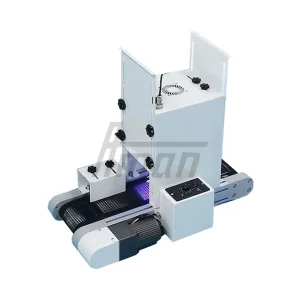
Optimized configurations for high-throughput inline processes and automated robotic cell deployment across Austria.
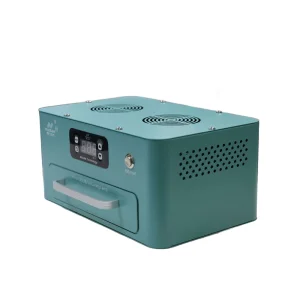
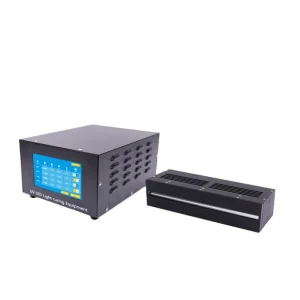
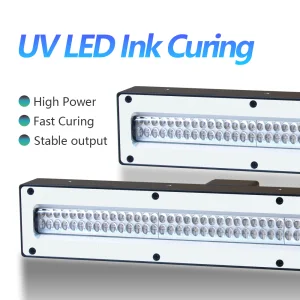
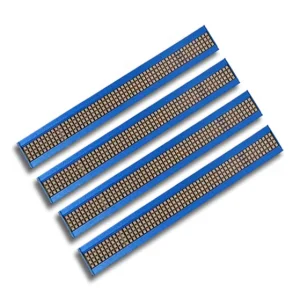
Key criteria for engineers specifying optical curing technologies for high-yield manufacturing.
Thermal stress during curing can compromise thin-film coatings, polarizers, and liquid crystal matrices. Traditional mercury lamps generate excessive infrared (IR) heat, leading to mechanical warping and optical distortion. Water-cooled or high-efficiency air-cooled UV-LED systems maintain substrate temperatures under 40°C, ensuring high yields on heat-sensitive materials.
Precise optical engineering, using specialized quartz or fused silica lenses, guarantees uniform light distribution (typically >90% uniformity) across the substrate. This prevents local variations in crosslinking density, reducing residual stress, preventing delamination, and ensuring long-term adhesion reliability.
Modern production environments require continuous process feedback. Incorporating integrated irradiance monitoring, optical sensor loops, and industrial bus control (such as Modbus, EtherNet/IP, or Profinet) allows for precise dynamic output adjustments. This setup detects and alerts operators to any degradation in power output before it impacts quality, keeping production within specification.
Different adhesives require specific wavelengths to cure effectively. Combining a surface-curing wavelength (e.g., 365nm) with a deep-penetrating wavelength (e.g., 405nm) ensures thorough polymerization through UV-stabilized or tinted glass substrates, achieving reliable structural integrity across the entire bonding depth.
Location: Styria Automotive Cluster (Graz)
Securing optical components in next-gen Head-Up Displays (HUD) requires low-shrinkage curing. Our water-cooled arrays provide high-intensity light with minimal heat transfer, preventing yellowing and maintaining reliable long-term adhesion.
Location: Vienna Medical Technology Hub
In micro-endoscope and bio-sensor manufacturing, even slight displacement or outgassing is critical. High-intensity spot UV-LED arrays (365nm) cure medical-grade adhesives in seconds, matching ISO 13485 production standards.
Location: Silicon Alps (Villach / Carinthia)
Optical sensor assemblies, such as LiDAR for autonomous driving and advanced CMOS cameras, rely on accurate, stress-free optical positioning. Targeted spot UV-LED curing ensures fast stabilization with minimal material shrinkage.
Dongguan LumiCure Light Co., Ltd. is a professional China UV LED curing lamp manufacturer specializing in the research, development, production, and supply of industrial UV curing systems and customized UV LED solutions. With a strong focus on innovation, quality, and customer satisfaction, LumiCure has become a trusted partner for manufacturers worldwide seeking efficient and reliable curing technologies.
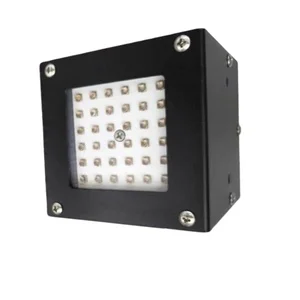
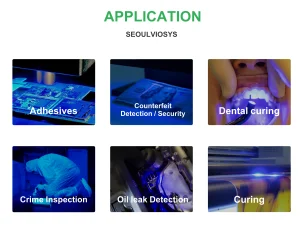
Our product range includes UV LED curing lamps, UV LED spot curing systems, flood curing lamps, conveyor UV curing machines, UV LED modules, printing curing systems, adhesive curing equipment, and customized industrial UV solutions. These products are widely applied in printing, electronics assembly, semiconductor packaging, optical bonding, automotive manufacturing, medical devices, 3D printing, and various precision industrial processes.
Backed by an experienced engineering team and advanced manufacturing facilities, LumiCure is committed to developing energy-saving and environmentally friendly UV curing technologies. Our products feature high curing efficiency, precise wavelength output, long service life, low maintenance requirements, and intelligent control capabilities, helping customers improve productivity while reducing operating costs.
Quality remains the foundation of our business. Every product undergoes rigorous testing and strict quality control procedures throughout the manufacturing process to ensure consistent performance and reliability. We also provide comprehensive OEM and ODM services, enabling customers to customize products according to their specific technical and application requirements.
Serving clients across Europe, North America, Asia, the Middle East, and other global markets, Dongguan LumiCure Light Co., Ltd. continues to deliver innovative UV LED curing solutions that support sustainable and efficient industrial manufacturing.
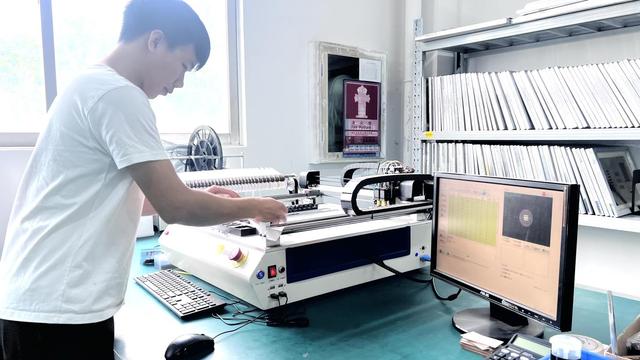
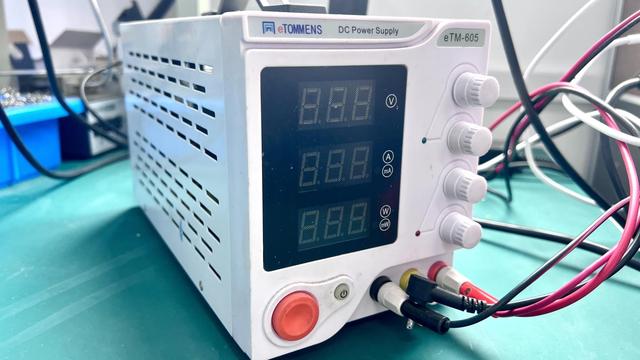
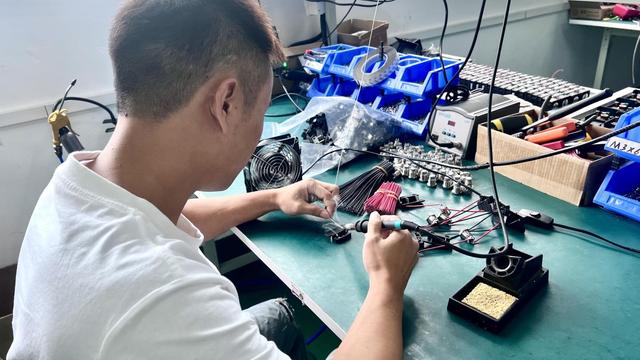
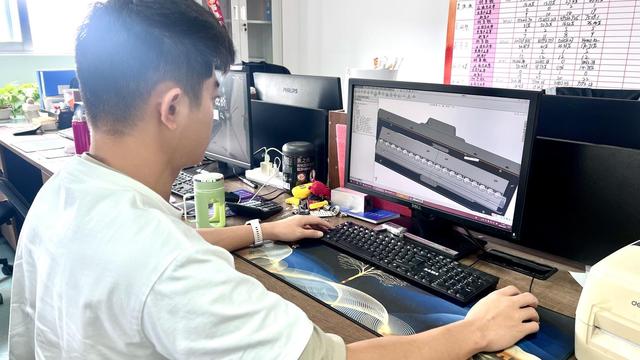
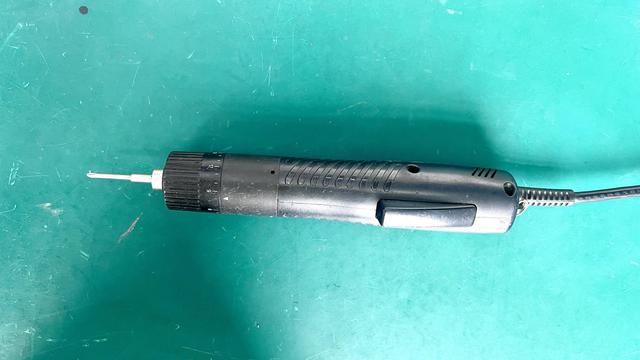
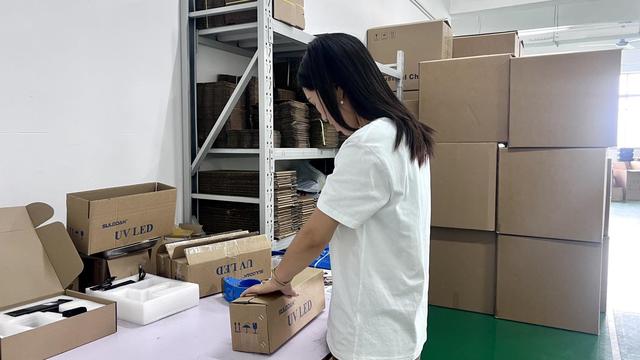
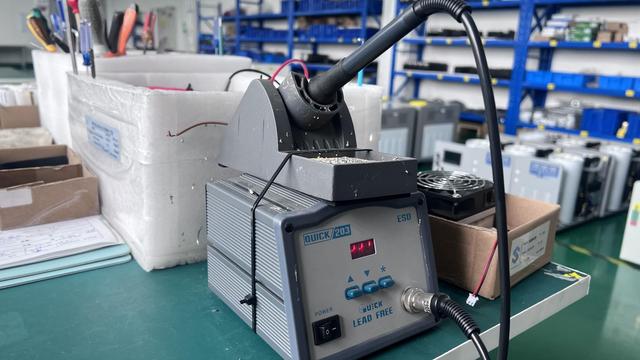
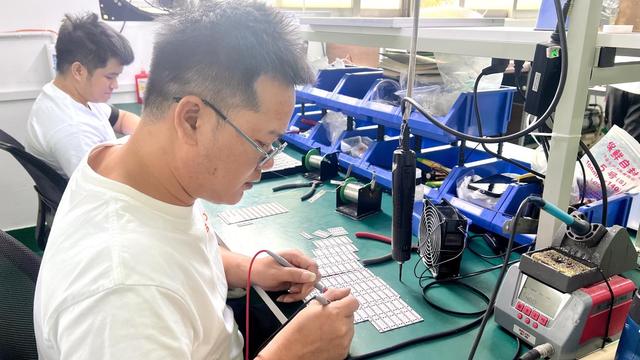
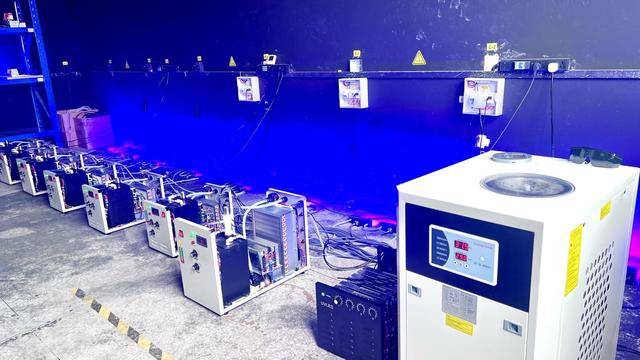
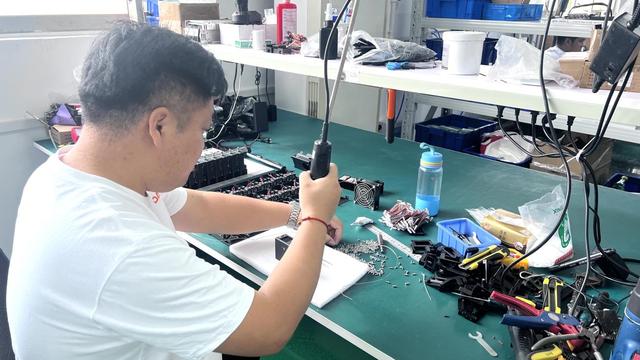
Reliable, air-cooled and water-cooled solutions designed for precision adhesives, printing, and components assembly.
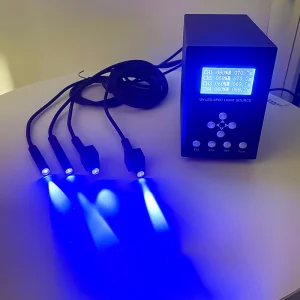
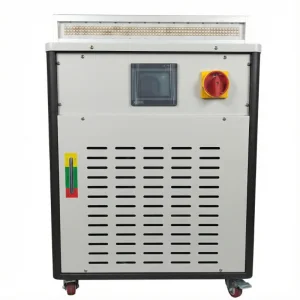
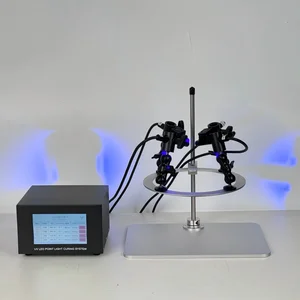
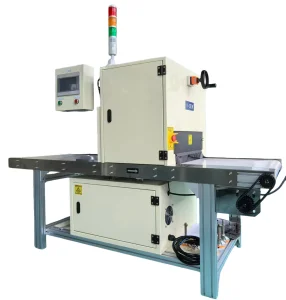
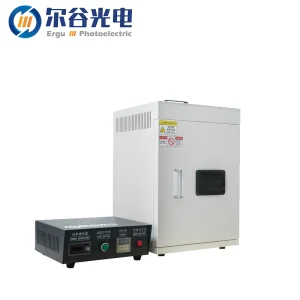
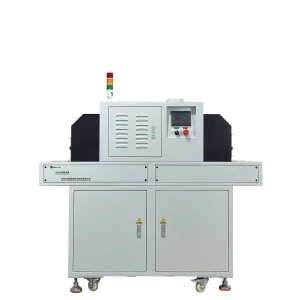
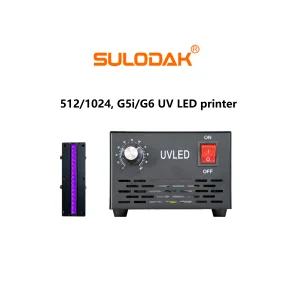
Adapting to display developments, smart sensors, and advanced micro-LED packaging technologies.
As next-generation displays shift from LCD/OLED to Micro-LED technology, bonding tolerances shrink to the sub-micron scale. Dynamic spatial mapping and high-precision narrow-area UV curing will be critical to achieving uniform crosslinking across dense LED pixel matrices.
Future UV-LED arrays will feature integrated radiometric and thermal sensors. These devices monitor real-time UV power and thermal output, dynamically adjusting parameters to ensure consistent cure quality across changing assembly conditions.
Combining wavelengths (such as 365nm + 385nm + 405nm) into a single module helps activate complex photoinitiators. This setup ensures rapid surface dry times and deep depth-of-cure in layered composites, eliminating under-curing risks.
Common questions from project leads and optical engineers about specifying UV LED curing systems.
Discuss your process requirements with our engineering team. We offer customized optical arrays, custom cooling solutions, and PLC configurations tailored to your production lines.