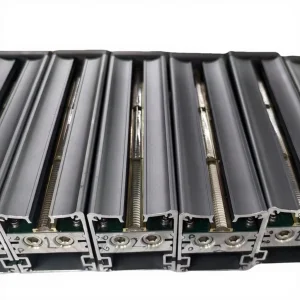
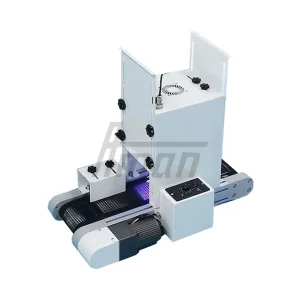
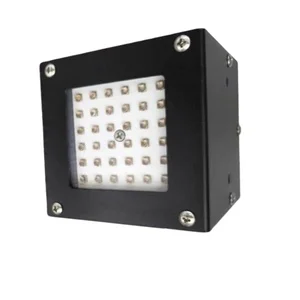
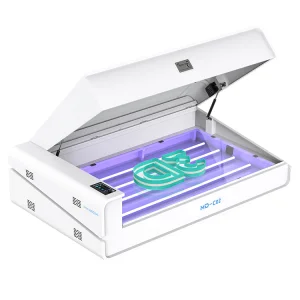
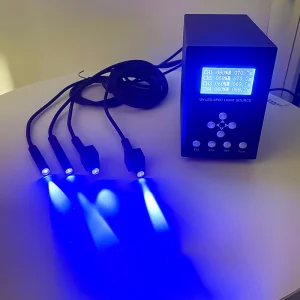
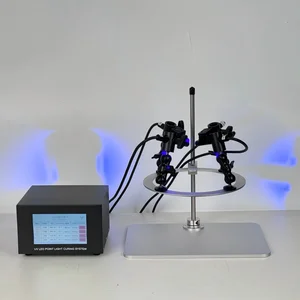
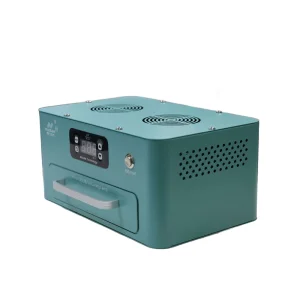
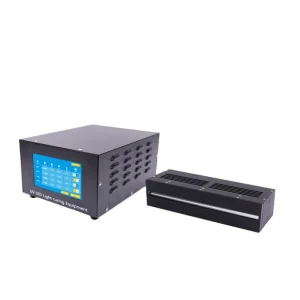
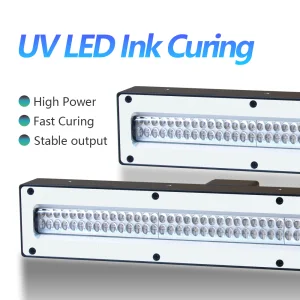
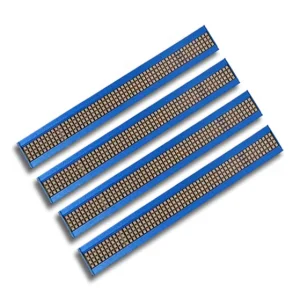
Engineered for high thermal performance, precise peak wavelength uniformity, and seamless integration into automated optical bonding processes.
South Africa represents a unique, fast-evolving manufacturing powerhouse within the Sub-Saharan region. From the robust automotive assembly corridors in the Eastern Cape (Port Elizabeth/Gqeberha and East London) and Gauteng (Rosslyn, Pretoria) to the specialized military, mining, and aerospace technology clusters in Johannesburg, industrial sectors are experiencing a massive drive toward digitization. The adoption of advanced display technology is at the forefront of this industrial upgrade. Modern touchscreens, instrumentation panels, and outdoor kiosks require Optical Bonding to maintain mechanical structural integrity, guarantee high readability under the harsh South African sun, and resist severe environmental stressors.
In these demanding environments, traditional air-gap display construction fails. Moisture condensation, internal fogging due to extreme diurnal temperature fluctuations (common in areas like the Highveld and the Karoo), and optical refraction degrade readability and hasten panel failure. Optical bonding—injecting Liquid Optically Clear Adhesive (LOCA) or gel between the protective cover glass and the LCD panel—resolves this. However, executing this process reliably demands high-intensity, precise, and thermally controlled UV LED Optical Bonding Curing Systems.
For South African manufacturers and industrial integrators, sourcing UV LED curing equipment requires an understanding of localized challenges, including electrical grid instability (necessitating instant-on/off systems that don't lose calibration during minor power dips), high ambient temperatures, and the need for robust thermal management to prevent premature diode decay.
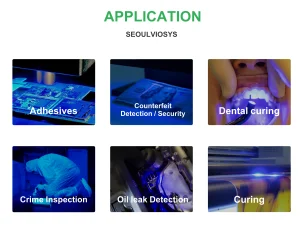
The deployment of UV LED curing systems for optical bonding in South Africa spans several critical industrial application channels. Sourcing decisions are heavily influenced by the end-use environment:
With major global automotive OEMs operating extensive production plants in Rosslyn, East London, and Kariega (Uitenhage), local parts suppliers are constantly upgrading to tier-1 manufacturing specifications. Dashboard instrument clusters, digital rearview mirrors, and center consoles undergo optical bonding to withstand thermal cycling and high UV exposure. Our 365nm to 405nm UV LED curing lamps offer the narrow-band light emission required to polymerize LOCA resins within seconds without generating excessive heat that could damage delicate active-matrix liquid crystal displays (AMLCD) or OLED backlights.
In the deep gold and platinum mines of Rustenburg and the Witwatersrand, industrial control monitors, heavy machinery interfaces, and underground geological mapping screens are exposed to severe vibrations, fine abrasive dust, and moisture ingress. Optical bonding acts as a structural reinforcement. Curing these thick gel barriers requires high-penetration 365nm/395nm dual-wavelength linear UV LED systems to ensure a uniform cure from the glass surface down to the LCD polarizer.
In South Africa's high-ambient manufacturing environments (where indoor factory temperatures can easily exceed 35°C in summer), heat management of the UV curing head is paramount.
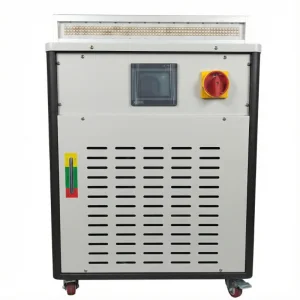
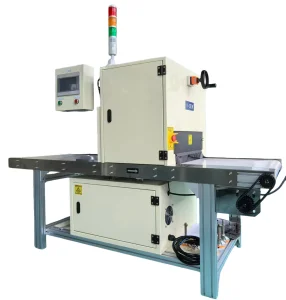
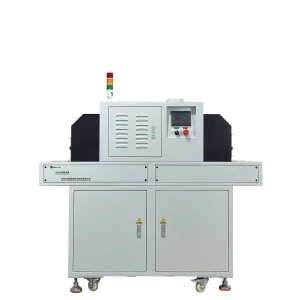
South Africa’s public transport infrastructure, ticketing terminals, and outdoor banking kiosks (especially in urban centers like Johannesburg, Cape Town, and Durban) are constantly exposed to direct sunlight. Unbonded displays suffer from "washout" because the air-gap reflects ambient light. By bonding the protective glass using UV-cured optical adhesives, reflectivity is reduced from approximately 8.5% to under 0.5%. Our conveyorized UV curing ovens provide the high-intensity light field required for swift edge-sealing and final curing, ensuring long-term adhesion that withstands delamination under intense solar ultraviolet exposure.
A comparative analysis of operational parameters, highlighting the efficiency advantages crucial for South African manufacturing facilities.
| Performance Parameter | High-Performance UV LED Systems | Conventional Mercury Vapor Arc Lamps | Impact on South African Operations |
|---|---|---|---|
| Power Consumption | 150W - 500W (Instant On/Off) | 2000W - 5000W (Continuous run) | Reduces energy costs; compatible with backup generators / UPS during load-shedding. |
| Thermal Output on Substrate | Minimal (<35°C, cold light curing) | High (80°C - 150°C, high IR radiation) | Prevents distortion of optical thin films, LCD polarizers, and LOCA bubble generation. |
| Peak Intensity Output | Highly Stable (±1% intensity variance) | Degrades rapidly (loses 50% power in 1000 hrs) | Maintains production QA and prevents under-cured or tacky adhesive spots. |
| Wavelength Emission | Monochromatic (365nm, 385nm, 395nm, 405nm) | Broadband (includes harmful UVB/UVC, IR) | Optimized for specific photoinitiator curing profiles; safer for operators. |
| Lifespan | >20,000 Hours (active diode illumination) | 500 - 1,500 Hours | Lower maintenance overhead; minimizes downtime in remote manufacturing regions. |
As a global hub for optoelectronics manufacturing, Dongguan, China—the home of Dongguan LumiCure Light Co., Ltd.—represents the pinnacle of supply chain integration. When South African system integrators and display manufacturers partner with a premier Chinese manufacturer, they leverage significant engineering and logistics advantages:
Explore our industrial range of linear lights, spot curing units, and water-cooled UV ovens designed for high-precision manufacturing.
The optoelectronic assembly landscape is transitioning toward higher definition displays, flexible substrates, and micro-display technology. This evolution dictates the design and engineering trajectory of UV curing technology. The roadmap outlines several primary developmental paths:
Traditional optical bonding adhesives were designed around wide-spectrum mercury light. Modern chemistry formulations utilize specialized photoinitiators that respond to highly specific UV-A channels. Future-ready production systems combine dual-wavelength emitters (e.g., 365nm and 405nm concurrently). The 365nm wavelength drive targets surface curing and cross-linking density, while the 405nm wavelength provides deep-gap penetration through thicker UV-absorbing cover glass or polarized protective layers without damaging internal circuitry.
For critical industries like automotive and defense electronics, curing uniformity must be mathematically consistent. Modern systems integrate calibrated UV sensors directly into the optical assembly platform. Real-time irradiance values are fed back to the power supply unit, enabling the system to automatically adjust current to compensate for the micro-degradation of diodes over years of operation. This closed-loop configuration guarantees a consistent level of optical energy exposure (expressed in Joules/cm²) for every bonded unit.
As environmental compliance becomes increasingly integrated into global standardizations, energy footprint reduction is no longer optional. UV LED systems run cold, requiring no warm-up cycles. By operating only when display assemblies are directly positioned in the optical curing field, average daily power consumption drops by up to 80% compared to legacy mercury systems. Additionally, the elimination of ozone venting equipment simplifies ventilation setups, reducing installation costs.
Integrating a foreign manufacturing component into a South African production line requires careful consideration of local regulations and technical compatibility:
In-depth, technical insights addressing common engineering queries for production engineers and display integrators.
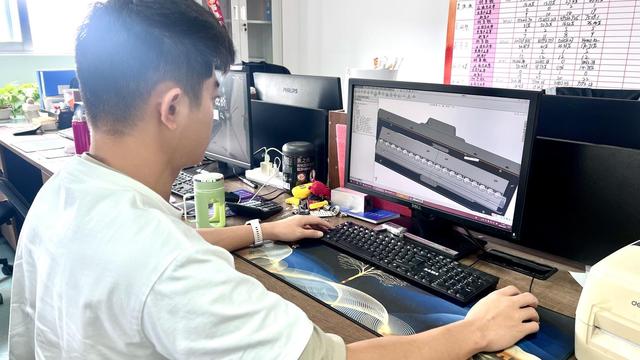
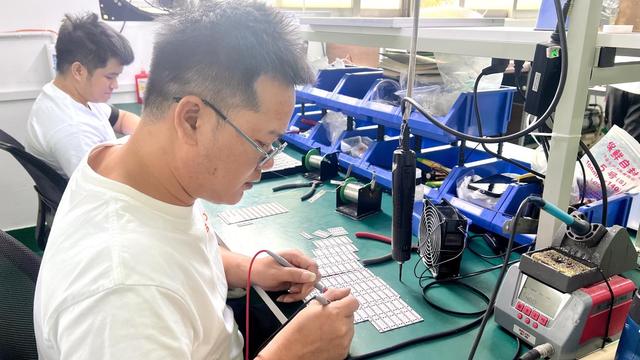
Dongguan LumiCure Light Co., Ltd. is a professional China UV LED curing lamp manufacturer specializing in the research, development, production, and supply of industrial UV curing systems and customized UV LED solutions. With a strong focus on innovation, quality, and customer satisfaction, LumiCure has become a trusted partner for manufacturers worldwide seeking efficient and reliable curing technologies.
Our product range includes UV LED curing lamps, UV LED spot curing systems, flood curing lamps, conveyor UV curing machines, UV LED modules, printing curing systems, adhesive curing equipment, and customized industrial UV solutions. These products are widely applied in printing, electronics assembly, semiconductor packaging, optical bonding, automotive manufacturing, medical devices, 3D printing, and various precision industrial processes.
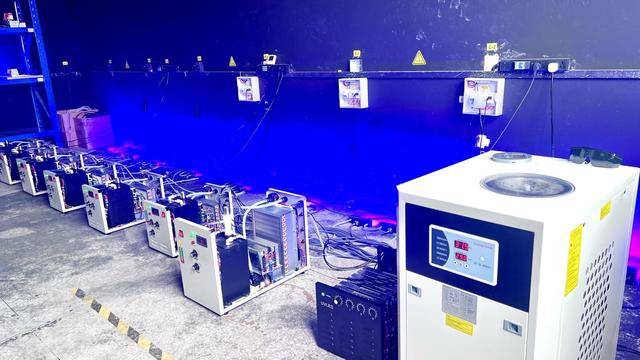
Backed by an experienced engineering team and advanced manufacturing facilities, LumiCure is committed to developing energy-saving and environmentally friendly UV curing technologies. Our products feature high curing efficiency, precise wavelength output, long service life, low maintenance requirements, and intelligent control capabilities, helping customers improve productivity while reducing operating costs.
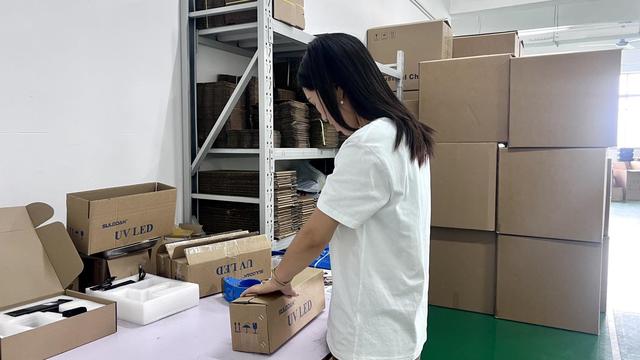
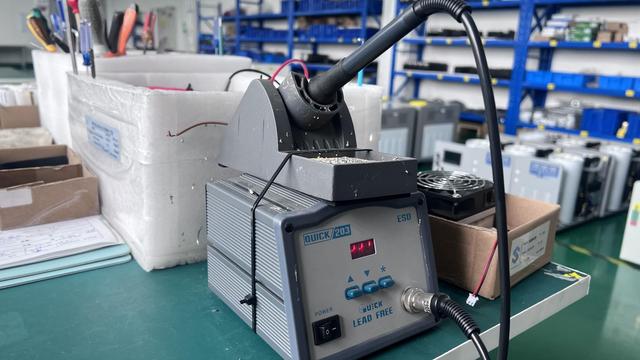
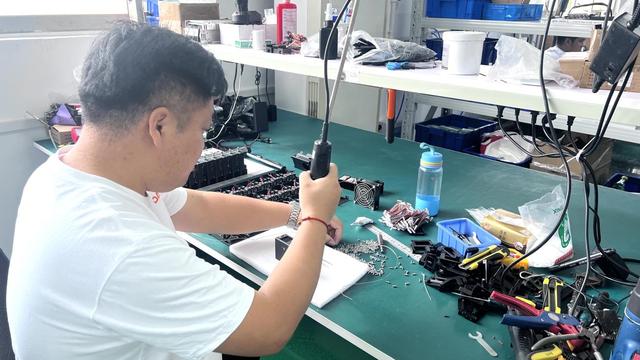
Quality remains the foundation of our business. Every product undergoes rigorous testing and strict quality control procedures throughout the manufacturing process to ensure consistent performance and reliability. We also provide comprehensive OEM and ODM services, enabling customers to customize products according to their specific technical and application requirements.
Serving clients across Europe, North America, Asia, the Middle East, and other global markets, Dongguan LumiCure Light Co., Ltd. continues to deliver innovative UV LED curing solutions that support sustainable and efficient industrial manufacturing.
 LumiCure Light