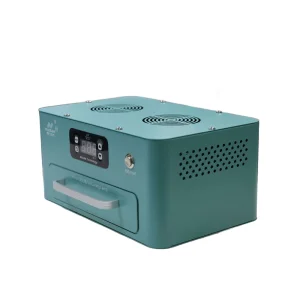
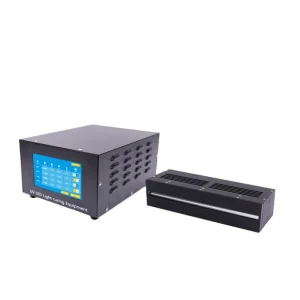
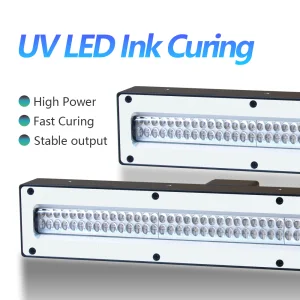
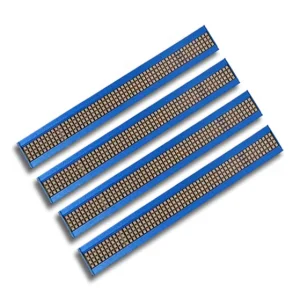
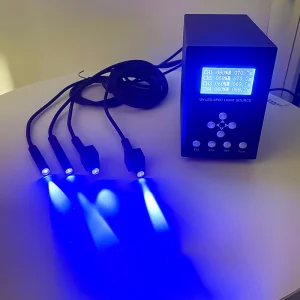
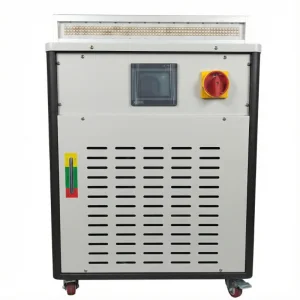
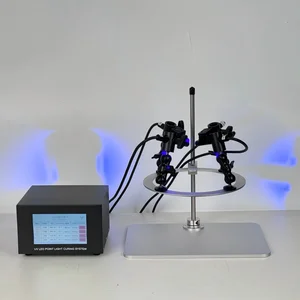
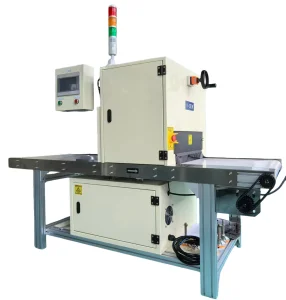
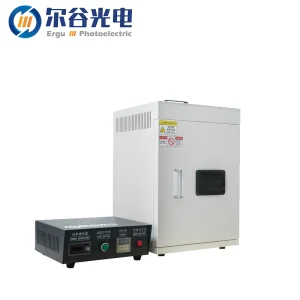
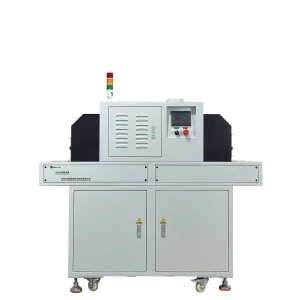
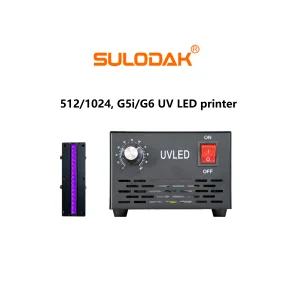
High-efficiency, certified curing systems optimized for industrial bonding lines and laboratory deployments across Korea.
Optical bonding has become a cornerstone process in high-performance electronics manufacturing, especially for displays where optical clarity, contrast, and physical durability are paramount. By filling the air gap between the cover glass and the LCD or OLED panel with a Liquid Optical Clear Adhesive (LOCA) or Optical Clear Resin (OCR), reflections are minimized, contrast ratio is vastly improved, and structural integrity is dramatically increased. The success of this process hinges directly on the precision and consistency of the UV LED Optical Bonding Curing System.
Traditional mercury vapor curing lamps pose significant risks to delicate OLED and LCD substrates due to high heat emission and unstable, wide-spectrum radiation. Modern UV LED curing systems address these issues by delivering narrow-band monochromatic light (typically at 365nm, 385nm, 395nm, or 405nm) that initiates polymerization without emitting infrared heat. This cold curing methodology ensures that display layers do not warp, discolor, or suffer from thermal stress-induced delamination. In a competitive electronics ecosystem, optimizing irradiance levels and ensuring absolute uniform light distribution is the key to preventing yellowing and bubble formation within the bonding layers.
Liquid adhesives demand meticulous cure control. Modern laminating designs require a multi-stage curing approach. Often, a brief "spot" or "gell" cure is applied to secure the display assembly, allowing clean handling and inspection before the final curing chamber. Because different adhesive chemistries require varying photoinitiator activation thresholds, a system supporting dual-wavelength arrays offers unmatched manufacturing agility, allowing rapid switches between 365nm and 405nm without re-tooling the production line.
Monochromatic LED output mitigates substrate warming, preserving thin-film transistor (TFT) structures on flexible displays.
Unlike mercury bulbs, LEDs require zero warm-up time, integrating seamlessly into fast-paced tactical index cycle steps.
Precision control via PLC interface allows seamless automation with external robotic positioners and glue dispensers.
How local high-tier manufacturers utilize state-of-the-art curing units in industrial clusters like Gyeonggi-do, Asan, and Paju.
South Korea stands at the global forefront of high-end display technologies and advanced microelectronics. Local giants and their Tier-1 suppliers demand curing solutions that meet rigorous quality controls. From small-sized flexible OLEDs for smartphones to large-scale curved automotive information clusters, the local industry demands high-reliability machinery that operates 24/7 without spectral degradation.
Our UV LED optical bonding curing solutions are optimized specifically for Korea's electronics ecosystem. Whether it is integration into standard cleanroom lines in Paju, or automated assembly lines in Tangjeong and Cheonan, these systems deliver uniform intensity across large-area panels. In the automotive display segment—where extreme vibration and thermal cycles are guaranteed—our systems ensure bubble-free OCR curing to pass strict automotive validation standards.
Furthermore, the rapid rise of Advanced Driver Assistance Systems (ADAS) and HUD displays in the Korean automotive sector (partnering with brands like Hyundai Mobis) has placed optical bonding under strict regulation. Displays must be visible in direct sunlight, meaning optical bonding index-matching must be flawless. Any uneven curing results in refractive index variance across the screen, leading to immediate rejection. Our UV curing platforms, equipped with real-time irradiance monitoring, offer the predictability needed to maintain a high yield rate.
| Curing Technology Parameter | Traditional Medium-Pressure Mercury Systems | LumiCure Advanced UV LED Systems | Impact on Korean Display Production Yield |
|---|---|---|---|
| Operating Temperature | 800°C - 900°C (requires cooling/shutter) | < 40°C (junction cooling dependent) | Prevents warping of thin flexible OLED layers. |
| Spectral Output Stability | Broadband (unstable over time) | ± 5nm narrow band (highly stable) | Consistent chemical polymerization index. |
| Lifespan & Maintenance | 1,000 to 2,000 operating hours | Over 20,000 operating hours | Minimizes downtime in high-throughput lines. |
| Power Consumption | High energy consumption, active standby | Up to 70% lower energy, instant on/off | Saves significant facility costs and carbon taxes. |
Highlighting advanced engineering features, dual-wavelength flexibility, and optimized optical lens coatings.
Our commitment to engineering excellence allows us to customize UV solutions for complex integration challenges. For example, our dual-wavelength systems are widely utilized to cure UV adhesive formulas that require surface drying via shorter wavelengths (such as 365nm) and deeper, structural adhesion curing via longer wavelengths (such as 405nm). Through computerized optic design, our quartz glass lenses concentrate irradiation energy to the precise target coordinates, preventing stray light from damaging light-sensitive components adjacent to the bonding area.
By using integrated water-cooled and air-cooled heat dissipation blocks, we guarantee that the UV LED chips run at their optimal junction temperatures. This engineering detail prevents spectral shift (the light output wavelength drifting as the chip heats up), which is one of the leading causes of partial curing failure in fast-paced production lines.
Direct factory capabilities, engineering expertise, and fast-response supply chains serving the South Korea tech sectors.
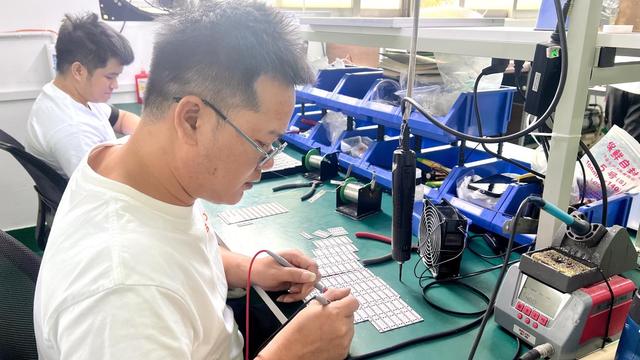
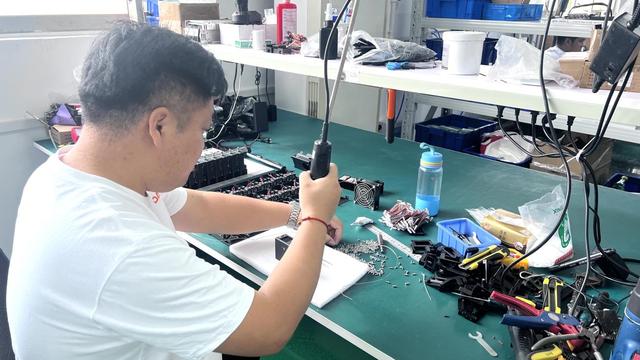
Located in Dongguan, the manufacturing capital of China, Dongguan LumiCure Light Co., Ltd. stands as an industry-leading designer and manufacturer of custom and standard industrial UV LED solutions. Our facility handles every step of production: from localized PCB design and high-power LED array packaging to precision lens fabrication, thermal management testing, and electronic system assembly. This integration allows us to keep manufacturing costs stable while offering flexible system configurations.
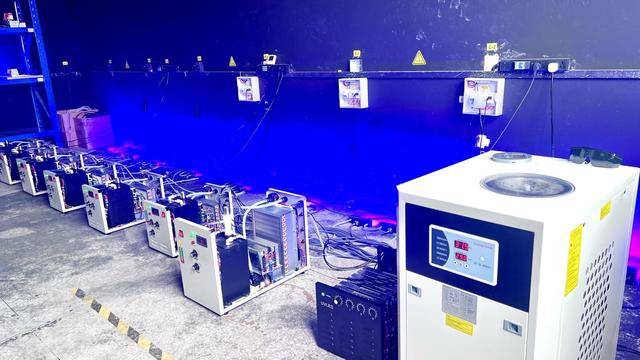
For Korean display manufacturers and line builders, our Dongguan base offers massive supply chain advantages. Our proximity allows swift component shipping, rapid turnaround of custom-designed prototypes, and access to standard parts within short lead times. We leverage advanced automated testing chambers to ensure that every single unit delivered meets our rigorous performance specifications before leaving the factory.
Discover systems engineered for precision electronics assembly, composite curing, and optical glass bonding applications.
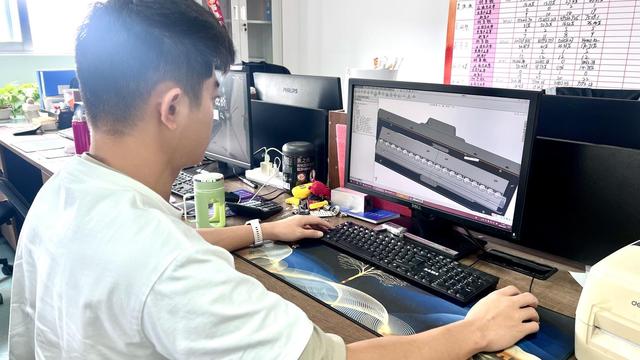
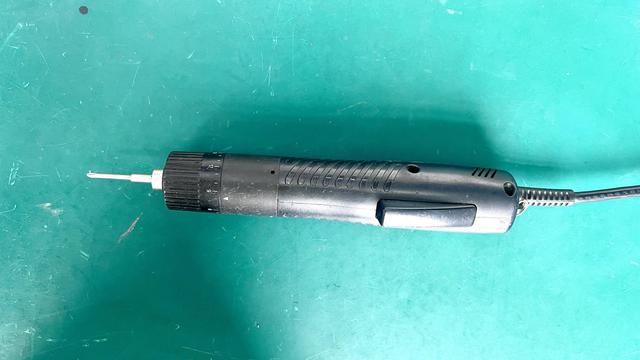
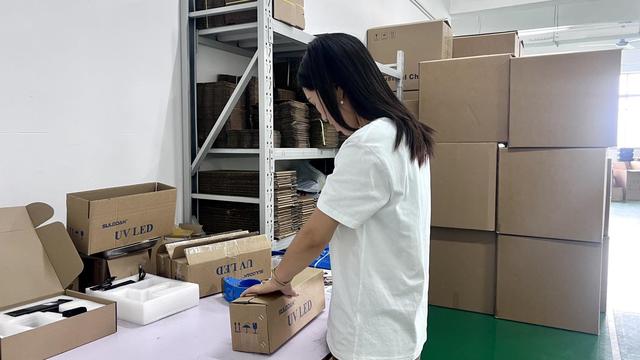
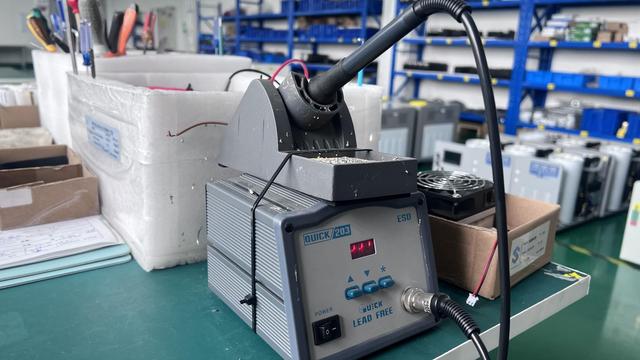
A glimpse inside the state-of-the-art Dongguan LumiCure factory floor and quality inspection centers.
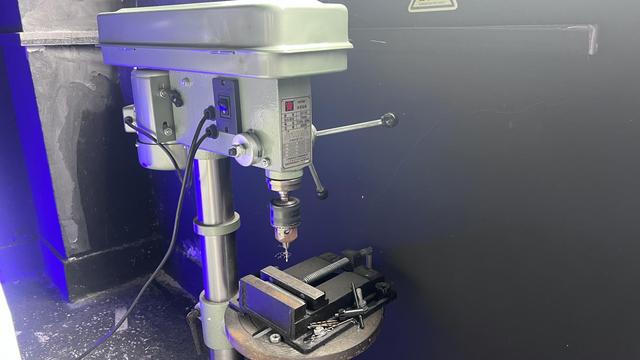
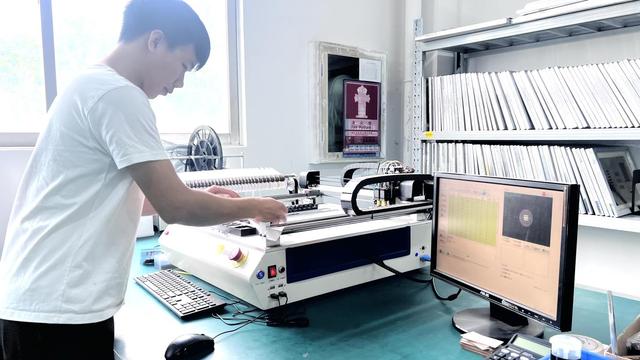
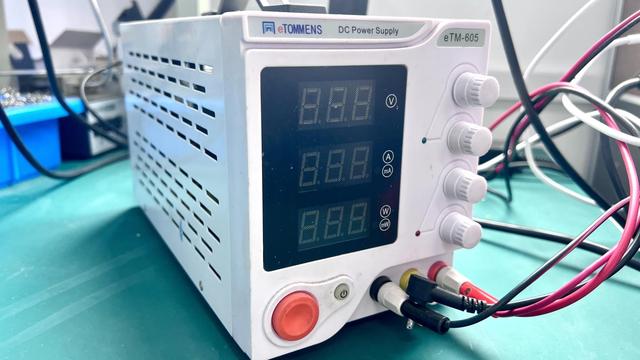
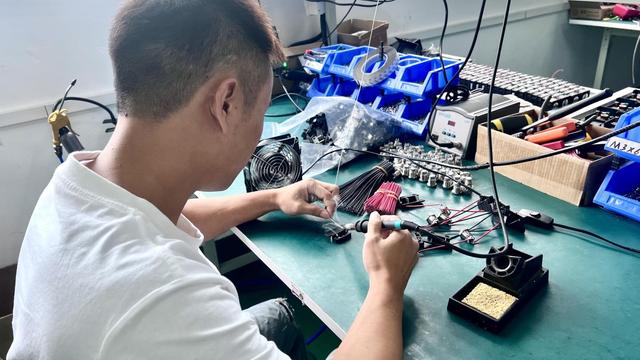
Seamless trade paths, localized custom support, and electrical certification assistance for smooth operations.
Deploying machinery into Korean production complexes requires strict alignment with local safety standards. Our engineering team assists Korean clients in adapting control interfaces, documentation, and logic controllers to interface directly with common domestic automated display bonding cells. In addition, we ensure our power supply modules are optimized for standard industrial grid voltages (typically 220V single-phase or 380V three-phase at 60Hz) used across South Korea.
We work closely with logistics partners to fast-track import clearing through the China-Korea Free Trade Agreement (FTA) framework. This guarantees low or zero tariffs on select electronic components, and ensures standard regulatory declarations are prepared beforehand. This reduces transport lead times and prevents custom blockages at ports of entry such as Incheon or Busan.
We supply complete schematics, test documentation, and component listings to help our partners acquire the KC (Korea Certification) mark for entire integrated assembly lines.
Benefit from optimized shipping routes from Dongguan/Shenzhen directly to Seoul, Incheon, or Busan, ensuring parts arrive in as little as 3-5 business days.
Detailed technical answers to common integration questions regarding UV LED optical bonding.
 LumiCure Light