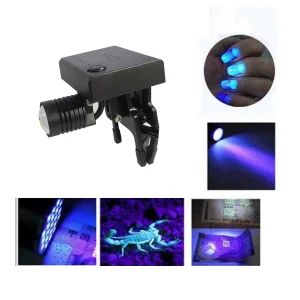
Engineered for instant integration into high-intensity printing configurations, laboratory simulations, and micro-component production environments across Australia.
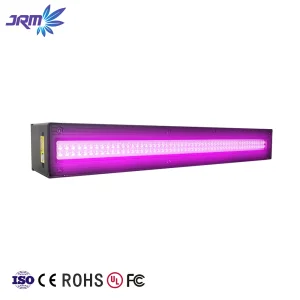
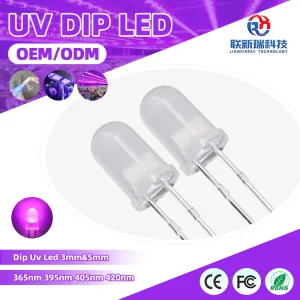
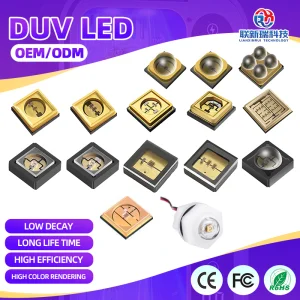
The global semiconductor assembly landscape is undergoing a rigorous energy and precision transition. Conventional mercury arc lamps, once the workhorse of photopolymerization, are rapidly being decommissioned due to environmental mandates and inherent operational limitations. In contrast, UV LED curing technology provides monochromatic light emission (typically centered at 365nm, 385nm, 395nm, or 405nm), eliminating thermal stress on sensitive silicon substrates and optical components.
For Australian developers and manufacturers, incorporating specialized UV LED systems ensures sub-micron placement stability. Because UV LEDs cycle instantly without warm-up delays, they mitigate the risk of high-temperature warpage on advanced packaging configurations, such as Fan-Out Wafer-Level Packaging (FOWLP) and System-in-Package (SiP) structures.
"By targeting narrow wavelengths, UV LED curing systems achieve complete polymer cross-linking within milliseconds while maintaining substrate temperatures below 40°C. This is essential for low-Tg adhesives utilized in defense-grade micro-optics."
To quantify the advantages of transitioning to solid-state UV LED technology within high-precision environments, consider the mechanical and operational metrics outlined below:
| Performance Parameter | Legacy Mercury Vapor Systems | Industrial UV LED Curing Systems | Impact on Australian Cleanrooms |
|---|---|---|---|
| Wavelength Output | Broadband (UVA, UVB, UVC, IR heat spikes) | Monochromatic (Narrowband: e.g., 365nm ± 5nm) | Prevents optical degradation of adjacent polymers |
| Thermal Load on Substrate | High (requires intensive infrared shielding) | Minimal (cold cure source, no infrared radiation) | Essential for precision medical electronics & flexible PET circuits |
| Operational Lifetime | 1,000 to 2,000 operating hours | Over 50,000 operating hours | Reduces offshore downtime and maintenance costs |
| On/Off Response Time | Requires 10-15 min warm-up & cool-down | Instantaneous microsecond switching | Facilitates high-speed, automated production cycles |
| Mercury Footprint | Significant disposal hazards & regulatory overhead | RoHS compliant, 100% heavy-metal free | Aligns with environmental audits and clean air policies |
Australia's industrial sectors are shifting rapidly toward specialized, high-margin manufacturing fields, including photonics, quantum computing hardware, and defense electronics. Major research facilities in Melbourne, Sydney, Brisbane, and Adelaide demand precise, repeatable micro-curing processes for optical components. Furthermore, the local medical device assembly market—responsible for advanced implants and biosensors—demands equipment that satisfies strict quality standards.
LumiCure supports this ecosystem by providing UV LED systems that integrate into localized lab-scale assembly lines and high-output packaging configurations. Our systems are engineered to withstand Australia's unique environmental challenges. This includes robust cooling arrays designed to ensure continuous, high-performance operation in elevated ambient temperatures without wavelength shifting.
From cleanroom semiconductor packaging to industrial-scale flexographic printing, our application-specific configurations provide reliable performance.
We supply specialized UV LED exposure units optimized for wafer dicing tapes and UV release coatings. These tools ensure uniform curing of UV adhesive layers, allowing clean carrier plate separation without leaving residue on critical silicon wafers.
Our spot and area UV LED curing lamps enable high-precision alignment and fixation of fiber-optic arrays, silicon photonics, and micro-lenses. They provide sub-micron stability by minimizing thermal expansion during the curing cycle.
Our systems facilitate rapid, reliable bonding of catheters, endoscopes, and diagnostic cartridges. Monochromatic UVA light outputs trigger localized adhesive cross-linking in under a second, meeting the throughput demands of medical device assembly lines.
Deploying industrial instrumentation in Australian facilities requires adherence to specific electrical and safety frameworks. LumiCure's high-intensity UV LED systems and control panels are engineered to support compliance with local regulations, including Electrical Regulatory Authorities Council (ERAC) standards and the Regulatory Compliance Mark (RCM).
Industrial UV LED systems generate significant heat at the chip junction that must be dissipated to maintain a constant optical output. Standard air-cooling arrays can degrade under high ambient operating temperatures.
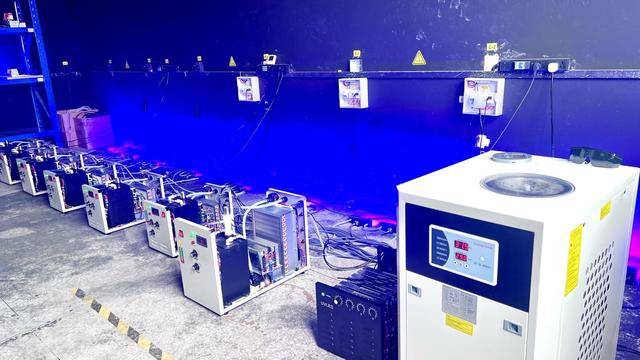
To prevent thermal drift and system shutdowns, we offer advanced cooling configurations. Our water-cooled UV systems feature closed-loop chillers designed to maintain constant junction temperatures. For dry-air facilities, our intelligent air-cooled systems use pulse-width modulated (PWM) fans and high-conductivity copper heat sinks. These designs maintain stability even in warm industrial environments.
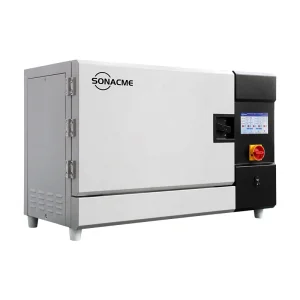
Oxygen inhibition can often result in tacky, incomplete cures on the surface of thin-film optical components. To resolve this, our premium curing chambers are designed with integrated nitrogen (N2) gas purging systems. By displacing oxygen with inert gas, these chambers ensure complete polymerization at the surface, maintaining structural integrity for micro-molded optics and display laminates.
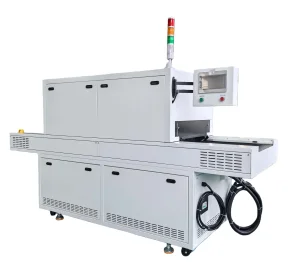
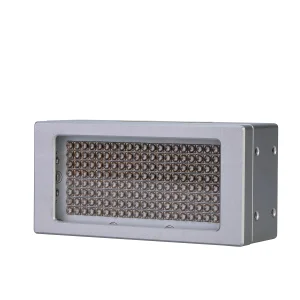
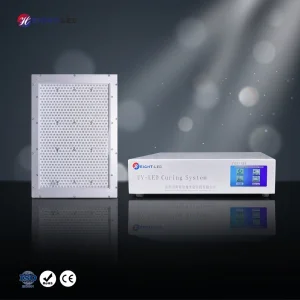
Our complete range of UV LED curing tools, spot systems, ovens, and chambers designed for industrial operations in Australia.
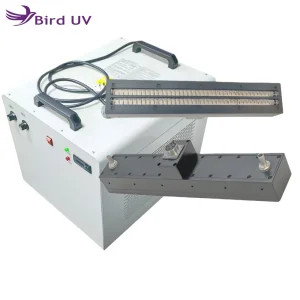
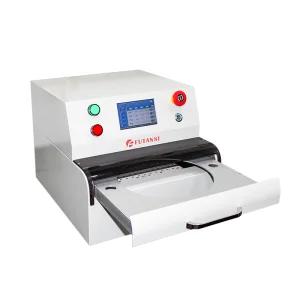
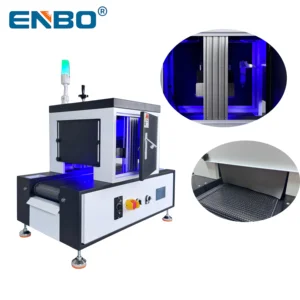
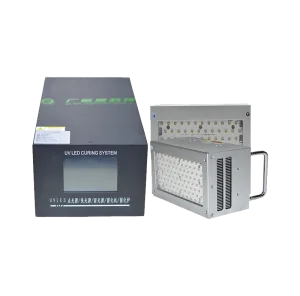
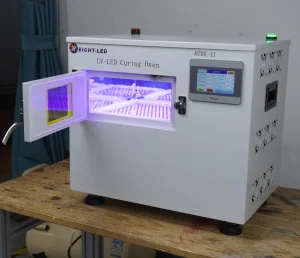
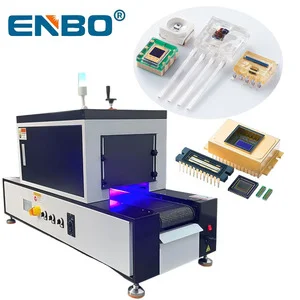
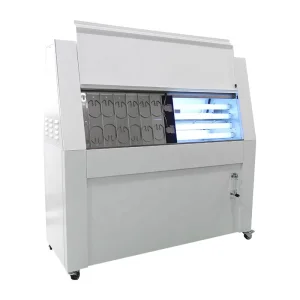
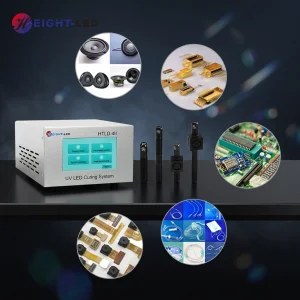
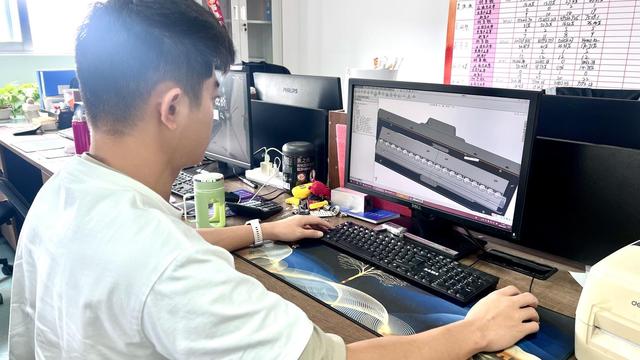
Dongguan LumiCure Light Co., Ltd. is a professional China UV LED curing lamp manufacturer specializing in the research, development, production, and supply of industrial UV curing systems and customized UV LED solutions. With a strong focus on innovation, quality, and customer satisfaction, LumiCure has become a trusted partner for manufacturers worldwide seeking efficient and reliable curing technologies.
Our product range includes UV LED curing lamps, UV LED spot curing systems, flood curing lamps, conveyor UV curing machines, UV LED modules, printing curing systems, adhesive curing equipment, and customized industrial UV solutions. These products are widely applied in printing, electronics assembly, semiconductor packaging, optical bonding, automotive manufacturing, medical devices, 3D printing, and various precision industrial processes.
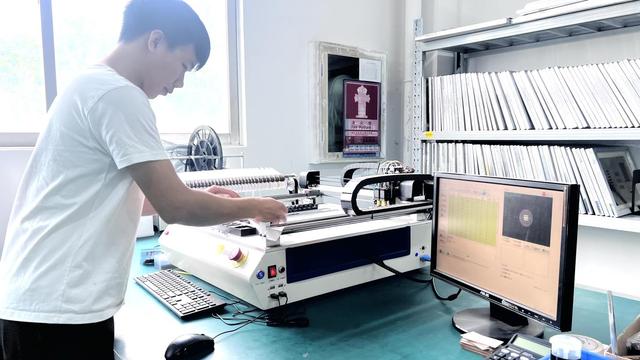
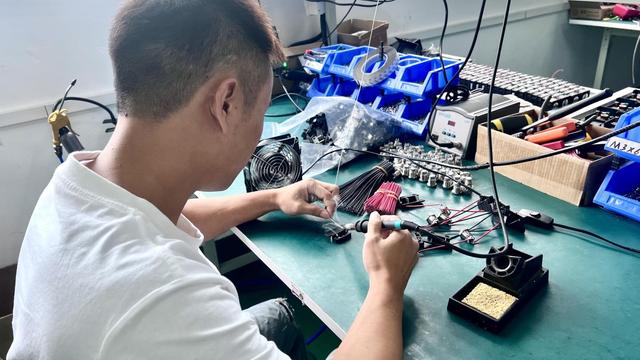
Backed by an experienced engineering team and advanced manufacturing facilities, LumiCure is committed to developing energy-saving and environmentally friendly UV curing technologies. Our products feature high curing efficiency, precise wavelength output, long service life, low maintenance requirements, and intelligent control capabilities, helping customers improve productivity while reducing operating costs.
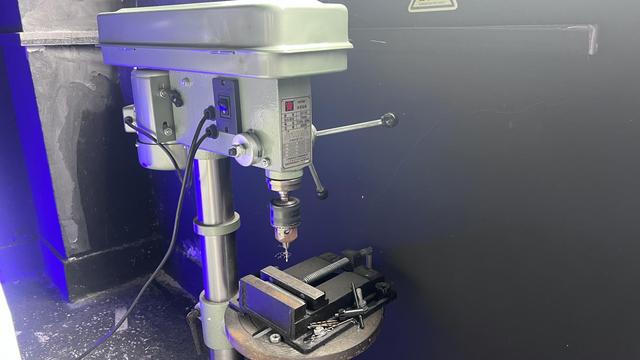
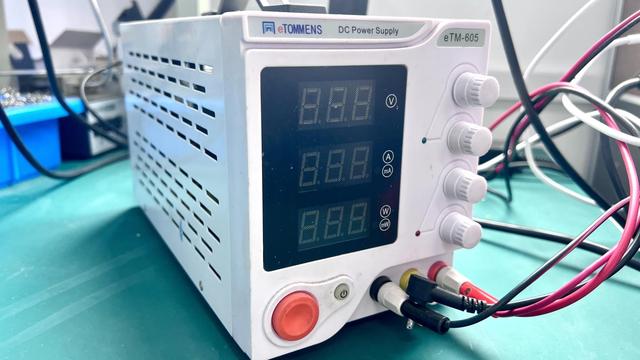
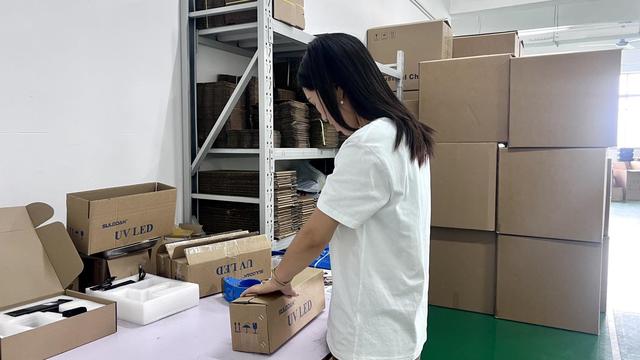
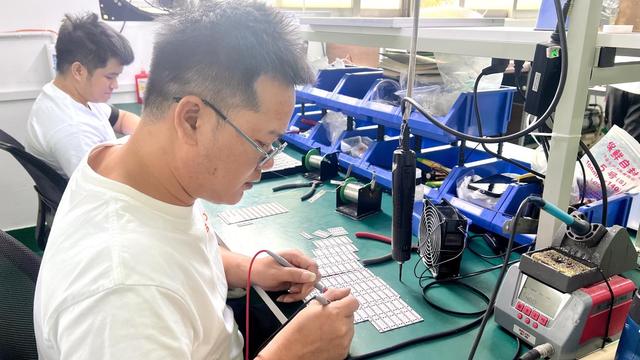
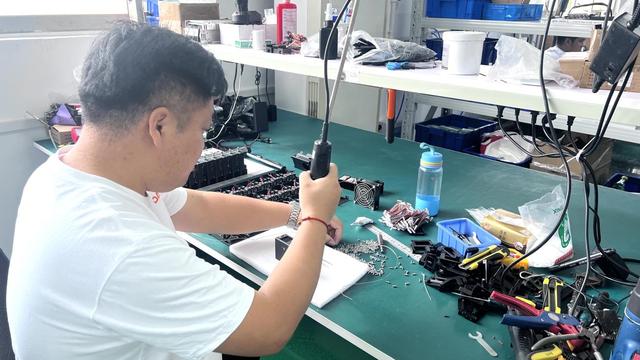
Quality remains the foundation of our business. Every product undergoes rigorous testing and strict quality control procedures throughout the manufacturing process to ensure consistent performance and reliability. We also provide comprehensive OEM and ODM services, enabling customers to customize products according to their specific technical and application requirements.
Serving clients across Europe, North America, Asia, the Middle East, and other global markets, Dongguan LumiCure Light Co., Ltd. continues to deliver innovative UV LED curing solutions that support sustainable and efficient industrial manufacturing.
As industrial specifications advance toward smaller architectures, LumiCure's research and development roadmap focuses on addressing emerging thermal and material constraints:
Developing high-output deep-UVC LED arrays (254nm - 280nm) designed for medical components and direct sterilization-barrier processes without producing ozone.
Integrating real-time irradiance sensors within UV arrays. These systems communicate with controller drivers to adjust output power automatically, compensating for long-term diode degradation.
Engineering customized multi-wavelength emission heads (365nm / 385nm / 395nm / 405nm) to improve adhesion depth and cure rate for hybrid optical adhesives.
Technical guidance on wavelengths, integration parameters, and operational optimization for Australian production lines.
Need a customized optical path, multi-wavelength configuration, or automated conveyor setup? Let us design an optimized UV LED curing solution tailored to your production parameters.
Send Inquiry Now LumiCure Light