High-performance curing platforms engineered to drop seamlessly into Malaysia's cleanroom assembly processes, covering wafer dicing to flexible display fabrication.
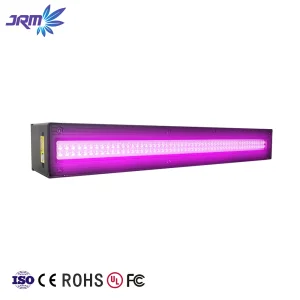
Engineered for high-throughput resin, glue, and ink curing on automated production lanes.
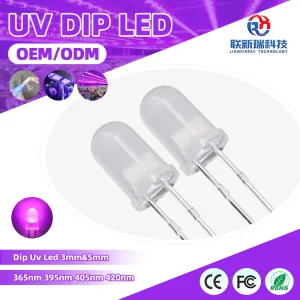
Highly reliable 365nm to 420nm light sources for close-proximity precision curing tasks.
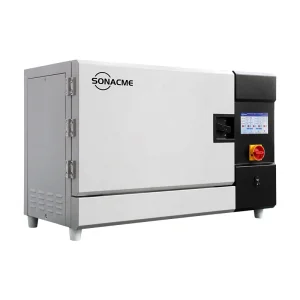
Desktop environment simulation testing bench ensuring compliance with ISO and IPC automotive standards.
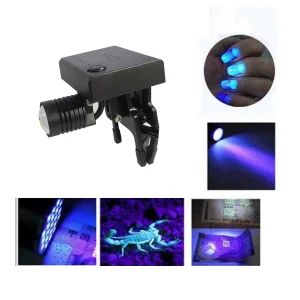
Versatile handheld solution for spot curing, medical device validation, and anti-counterfeiting.
Unlocking industrial efficiency in Penang, Kulim, and Selangor via next-generation UV photopolymerization technologies.
Malaysia stands as a critical global node in the electronics and semiconductor industry, accounting for approximately 13% of global back-end assembly, testing, and packaging services. With key industrial hubs like Penang (the Silicon Valley of the East), the Kulim Hi-Tech Park (KHTP), and strategic economic zones across Selangor, the region has transitioned from low-cost assembly to highly automated, complex Outsourced Semiconductor Assembly and Test (OSAT) systems. This development drives an immediate requirement for advanced manufacturing tools that can keep up with smaller node geometries, wafer level packaging (WLP), and high-density interconnect (HDI) substrates.
Modern semiconductor assembly relies on photosensitive polymers for wafer dicing tapes, flip-chip underfills, die attach adhesives, and optical bonding resins. Traditional mercury vapor lamps run hot and require warm-up cycles, which thermal stress can damage delicate wafer configurations. Narrow-band UV LED curing systems provide deep curing penetration without introducing infrared heat, thus preventing wafer warpage and component deterioration.
Empirical performance data demonstrating structural advantages in efficiency, lifetime, and thermal load control.
Decoupling wavelength selection, irradiance distribution, and thermal management for back-end packaging engineers.
To implement reliable, high-yield UV curing operations on active production lines, semiconductor manufacturing engineers must account for the specific physics of UV photopolymerization. Choosing the correct wavelength, irradiance profile, and cooling structure determines the long-term reliability and physical properties of the cured material.
Unlike traditional broad-spectrum mercury lamps that emit broad-band UV, visible, and infrared light, UV LED arrays generate narrow-band output centered around a specific wavelength (typically with a half-width of +/-10nm to 15nm). Selecting the target wavelength depends on the chemistry of the photoinitiator in the polymer formulation:
Although UV LEDs do not emit infrared radiation, high-power arrays generate substantial thermal energy at the junction point of the diode. Proper thermal management directly affects the system's output stability and operating lifetime:
During free-radical polymerization (common in acrylate-based adhesives), atmospheric oxygen can inhibit the cure, leaving a sticky, under-cured surface layer. Integrating Nitrogen gas (N2) inerting chambers into the curing process displaces oxygen, allowing complete polymerization and high chemical resistance at lower UV dosages.
Why global and Malaysian semiconductor OEMs choose Dongguan LumiCure Light Co., Ltd.
In the semiconductor manufacturing ecosystem, line stops can result in severe financial losses. Companies sourcing production tools must choose equipment suppliers that offer engineering expertise, components sourced from stable supply chains, and consistent quality control. Dongguan LumiCure Light Co., Ltd. leverages a highly integrated design and manufacturing hub to supply high-reliability systems to Malaysian enterprises.
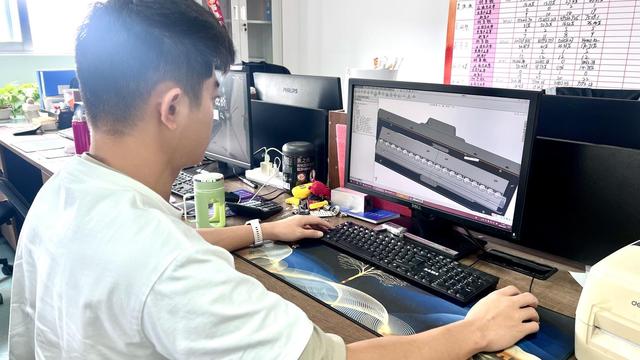
We modify optical emitting windows, mount configurations, cooling systems, and wavelength spectra to align with your proprietary automated processes.
Rapid design iteration and verification systems allow us to deliver customized functional prototypes for line trials within 14 business days.
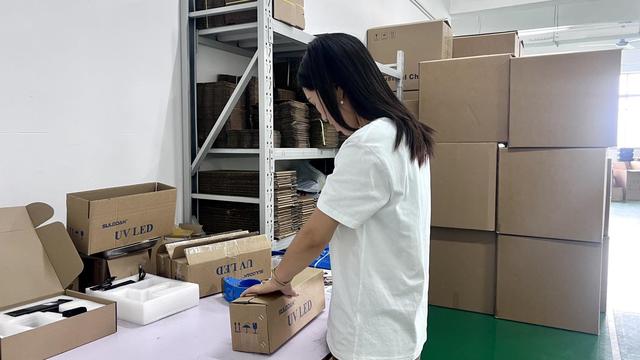
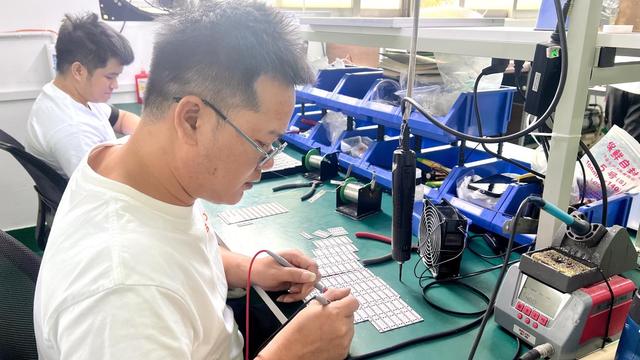
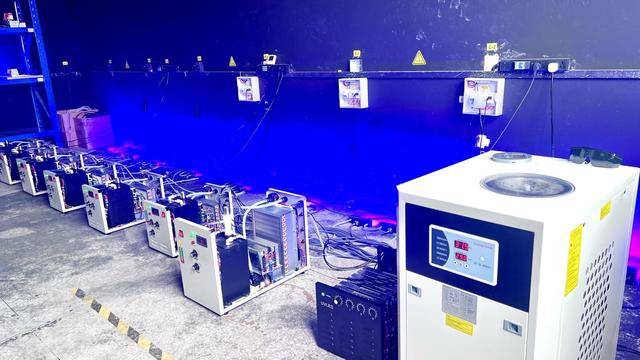
Every UV LED module undergoes continuous high-temperature aging tests, thermal imaging, and radiant field profiling before shipping.
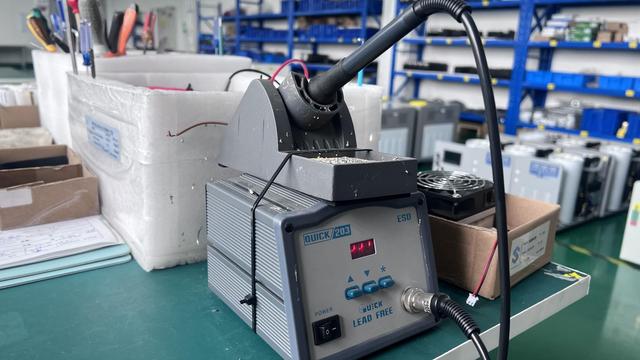
LumiCure maintains direct access to specialized components, precision CNC facilities, and high-performance LED chip providers (such as Nichia and Phoseon integration designs). This vertical integration provides a resilient supply chain that insulates procurement teams from geopolitical shifts and component shortages, delivering consistent technical support directly to Malaysia's manufacturing hubs.
A comprehensive selection of air-cooled, water-cooled, and inert gas-purged systems engineered to fit various processing scales.
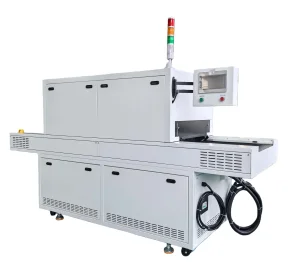
Modular water/air-cooled light sources designed to integrate easily into standard robotic pick-and-place systems.
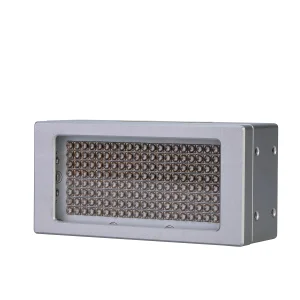
Designed for high-throughput laminating and optical adhesive applications requiring deep cure depth.
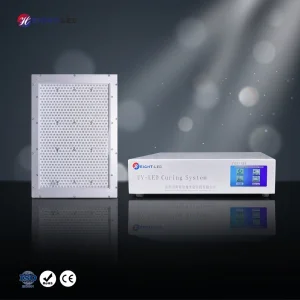
Delivers precise, focused beam spots with low thermal output to prevent component displacement.
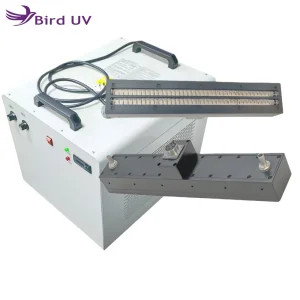
Engineered for uniform UV exposure to ensure clean, residue-free dicing tape release.
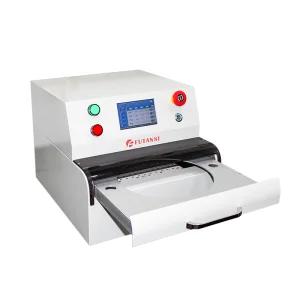
Air-cooled table-top batch curing system. Perfect for low-volume production and process validation.
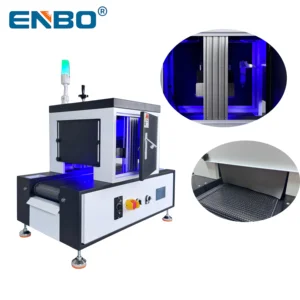
Monitors temperature in real-time, matching power output to target temperature thresholds.
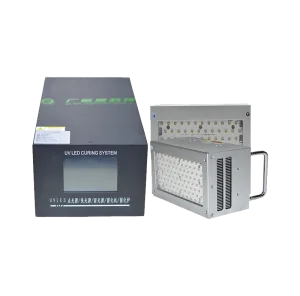
Designed for high-intensity flood exposure on multi-chip module and component encapsulation lines.
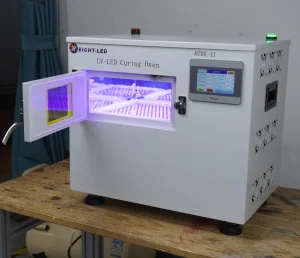
Utilizes nitrogen purging and multi-wavelength output (365/385/395/405nm) to resolve oxygen inhibition issues.
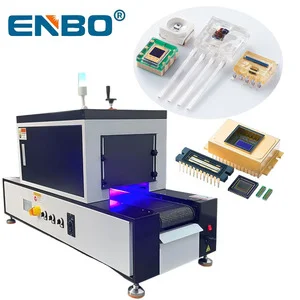
Compact, variable-speed conveyor unit designed for pilot-scale chip packaging and prototyping.
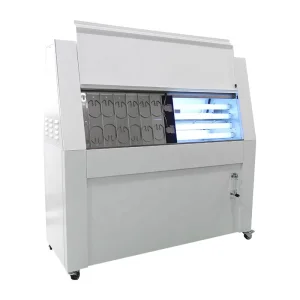
Enables automated testing cycles to evaluate polymer, resin, and coating degradation.
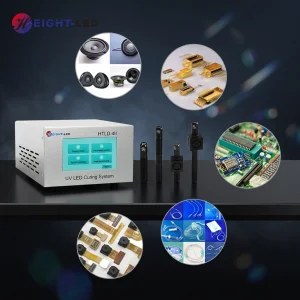
Smart touch-screen control for precision bonding in micro-assembly and optical device packaging.
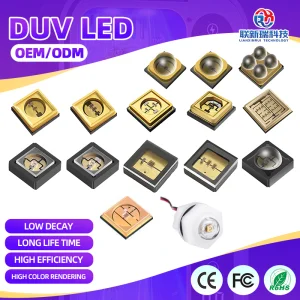
Industrial-grade discrete emitters designed for custom integration, medical device sterilization, and scientific R&D.
A reliable B2B partner for precision solid-state UV curing systems, supplying industrial networks across Malaysia and globally.
Dongguan LumiCure Light Co., Ltd. is a professional China UV LED curing lamp manufacturer specializing in the research, development, production, and supply of industrial UV curing systems and customized UV LED solutions. With a strong focus on innovation, quality, and customer satisfaction, LumiCure has become a trusted partner for manufacturers worldwide seeking efficient and reliable curing technologies.
Our product range includes UV LED curing lamps, UV LED spot curing systems, flood curing lamps, conveyor UV curing machines, UV LED modules, printing curing systems, adhesive curing equipment, and customized industrial UV solutions. These products are widely applied in printing, electronics assembly, semiconductor packaging, optical bonding, automotive manufacturing, medical devices, 3D printing, and various precision industrial processes.
Backed by an experienced engineering team and advanced manufacturing facilities, LumiCure is committed to developing energy-saving and environmentally friendly UV curing technologies. Our products feature high curing efficiency, precise wavelength output, long service life, low maintenance requirements, and intelligent control capabilities, helping customers improve productivity while reducing operating costs.
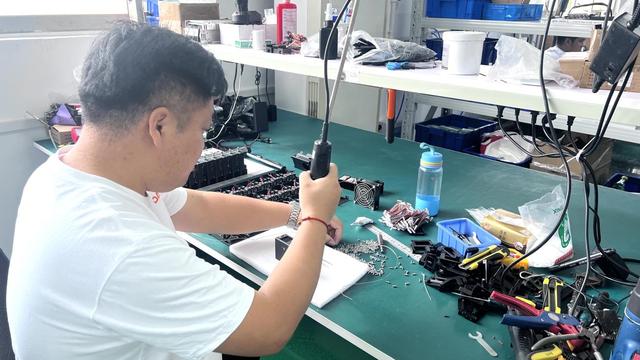
Quality remains the foundation of our business. Every product undergoes rigorous testing and strict quality control procedures throughout the manufacturing process to ensure consistent performance and reliability. We also provide comprehensive OEM and ODM services, enabling customers to customize products according to their specific technical and application requirements.
Serving clients across Europe, North America, Asia, the Middle East, and other global markets, Dongguan LumiCure Light Co., Ltd. continues to deliver innovative UV LED curing solutions that support sustainable and efficient industrial manufacturing.
Technical answers to key integration questions regarding semiconductor manufacturing, tape release, and equipment specifications.
Most commercial UV dicing tapes and backgrinding tapes use acrylic adhesives containing photoinitiators optimized for the 365nm wavelength. At 365nm, the UV energy initiates cross-linking in the adhesive, reducing its tackiness for clean peeling. Additionally, this wavelength minimizes thermal load on the wafer substrate compared to longer wavelengths or broadband light sources.
In standard environments, atmospheric oxygen acts as a radical scavenger, terminating the polymerization chain reaction on the surface layer of the resin. Replacing the surrounding atmosphere with Nitrogen (N2) inside a sealed curing chamber prevents oxygen inhibition. This enables a complete cure, eliminates sticky residues, and reduces the UV intensity needed for polymerization.
Mercury lamps require regular replacement (typically every 1,000 to 2,000 hours) due to output degradation and electrode wear. Additionally, they must remain turned on to avoid warm-up cycles, consuming power continuously. In contrast, UV LED arrays feature lifetimes exceeding 20,000 hours, support instant on/off cycling, experience minimal output drop, and do not contain toxic mercury.
Water cooling uses a closed liquid loop to carry heat away from high-density LED arrays. This is necessary for systems with output levels above 16 W/cm² to prevent thermal degradation of the diodes. Air cooling uses heatsinks and fans, which is simpler to install but limited in power output. Air-cooled units also introduce air current and dust movement, which may restrict their use in high-grade cleanrooms (such as Class 100/ISO 5 areas).
We provide full customization, including custom mechanical dimensions, mounting locations, and electrical connections (such as integration with PLC networks using RS485). Our engineering team can also design custom emission windows, multi-wavelength configurations, and specific optical delivery options to match your production footprint and cycle times.
Contact our technical sales and optical engineering team to request detailed spec sheets, quotes, or to arrange testing of a custom UV LED curing prototype in your cleanroom environment.
 LumiCure Light