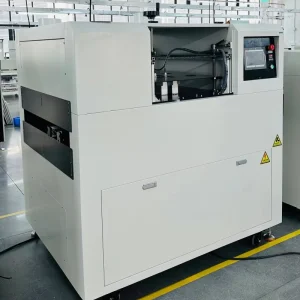
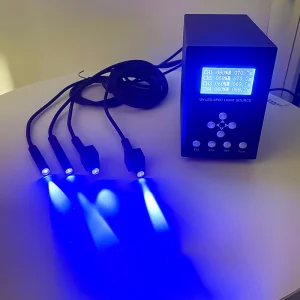
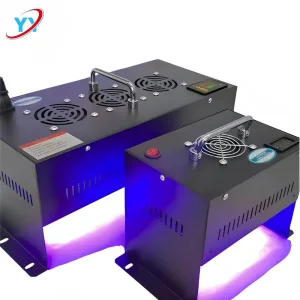
Explore our top-tier catalog of UV LED light sources, customized spot systems, conveyor tunnels, and automatic integration systems.
Dongguan LumiCure Light Co., Ltd. stands as a premier global developer and manufacturer of industrial UV LED curing machinery. Focused on the frontier of light-induced polymerization and surface energy enhancement, our organization bridges the gap between molecular surface design and high-volume, reliable industrial throughput.
UV LED surface enhancement acts as a cornerstone in modern industrial manufacturing. By deploying targeted spectral peaks—most notably 365nm, 385nm, 395nm, and 405nm—we enable instantaneous cross-linking of specialized functional monomers, oligomers, and photoinitiators. This process modifies physical and chemical interfaces, resulting in superior adhesion performance, chemical barrier resistance, and enhanced optical clarity across diverse substrates.
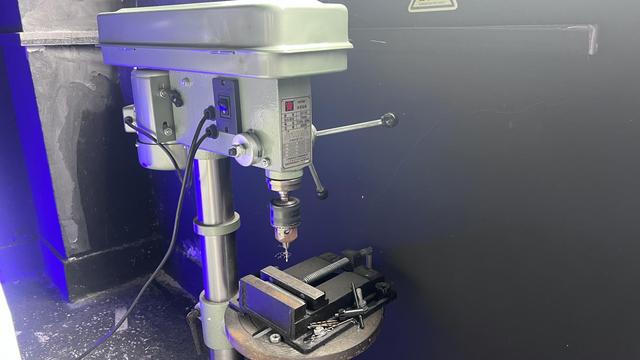
Pioneering the next generation of solid-state UV curing technology, focusing on dynamic optical efficiency and environmental sustainability.
While UV-A (365–405nm) handles bulk polymerization, LumiCure is integrating short-wavelength UV-C (220–280nm) directly into our custom optical heads. This allows simultaneous micro-level sterilization, organic contaminants photo-cleavage, and functional group grafting, boosting surface energy without the need for thermal or wet-chemical primers.
Modern Smart Factories demand continuous process verification. Our custom OEM modules now feature embedded real-time radiometers and thermal infrared sensors. By continually broadcasting irradiance values directly to PLC control hubs via Modbus or Ethernet/IP, LumiCure systems auto-adjust output current to offset LED degradation, ensuring consistent quality.
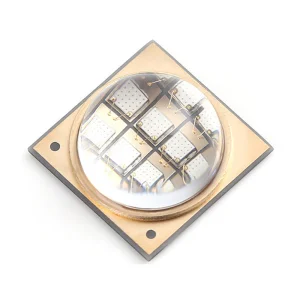
To reduce energy loss, we custom-engineer optical quartz matrices with micro-lens profiles. This technology shapes the divergence profile of high-power COB UV arrays, concentrating peak irradiance down to ultra-precise margins of error. Optical energy density is boosted by up to 35% compared to standard flat quartz glass assemblies.
"The transition from legacy mercury arc systems to solid-state UV LED technologies is no longer just an eco-friendly option—it is a precise micro-engineering imperative. By controlling the spatial distribution of photons at specific molecular interfaces, we enable manufacturing tolerances previously deemed impossible." — Chief of R&D, Dongguan LumiCure Light Co., Ltd.
From micro-electronics sub-assemblies to high-speed roll-to-roll printing presses, our technologies are built for performance.
| Industrial Sector | Specific Application Target | Primary UV Wavelengths | Key Performance Parameter |
|---|---|---|---|
| Semiconductor & Packaging | Wafer dicing tape release, flip-chip underfill curing, optical sensor encapsulation. | 365nm / 385nm | Zero-stress thermal profiles; zero UV leakage on sensitive sensor zones. |
| Optoelectronics & Cameras | Active alignment of camera lens modules, lens array adhesive bonding. | 365nm / 405nm | Sub-micron shrinkage curing; high dimensional alignment stability. |
| High-Speed Print & Graphic Arts | Flexo label curing, digital inkjet drying, screen-printed varnish hardening. | 395nm / 405nm | Up to 400 m/min throughput speed with uniform curing across wide webs. |
| Medical Grade Consumables | Catheter bonding, syringe hub needle assembly, fluidic manifold sealing. | 365nm / 385nm | Strict ISO 10993 biocompatibility compliance; high tensile peel strength. |
| Automotive Electronics & Glass | HUD optical bonding, ADAS radar dome potting, smart glass lamination. | 385nm / 395nm | High moisture barrier resistance; long-term UV stabilization against weathering. |
Every substrate interacts with light in a unique way. Plastic films (PET, PP, PE) require low temperature profiles to prevent warping, whereas thick metal or composite laminates demand deep penetration with high thermal stability. LumiCure's design methodology is built on analyzing the absorption profile of the customer's chemistry.
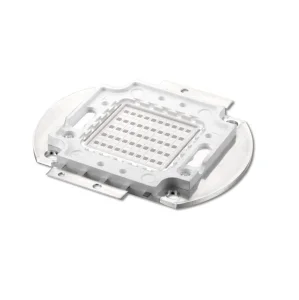
Using custom COB (Chip-on-Board) packaging techniques, we can combine different LED emitters within the same light engine. This dual-wavelength or multi-wavelength targeting allows manufacturers to initiate surface curing (tack-free finishes using 365nm) and depth curing (using 395nm or 405nm) simultaneously, saving space and cost on their assembly lines.
Based in the heart of Dongguan's advanced industrial manufacturing cluster, LumiCure offers world-class engineering with unmatched logistics agility.
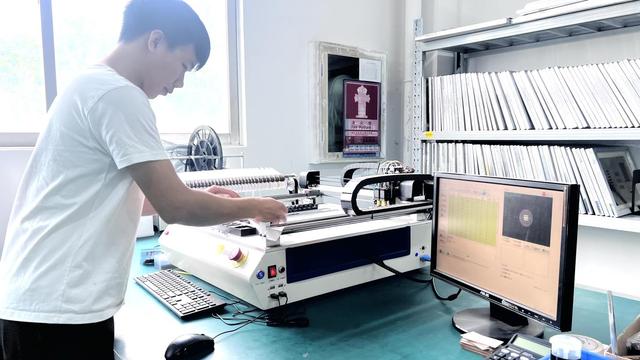
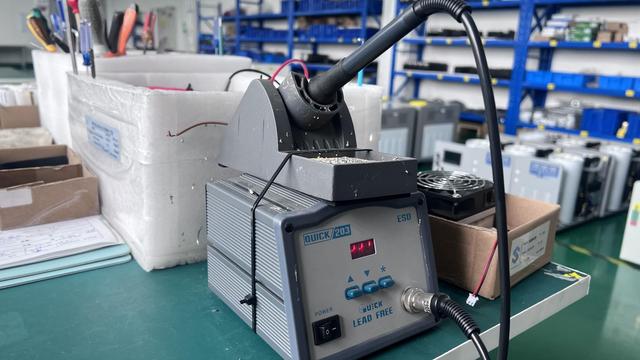
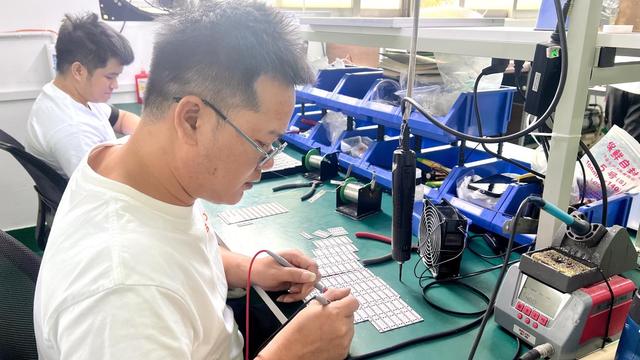
At Dongguan LumiCure Light Co., Ltd., we combine digital manufacturing systems with traditional quality controls. Our facility is equipped with semi-automated SMT chip mounting lines, cleanrooms for optical chip integration, and computerized aging test stations. This infrastructure allows us to keep our costs competitive while maintaining strict control over our product standards.
Our strategic location in Dongguan links us directly to the global electronics supply chain. We can source raw optoelectronics components, design custom machined housings, and ship finished products to North American and European hubs in record time. This geographic advantage helps us protect our global partners from supply chain disruptions.
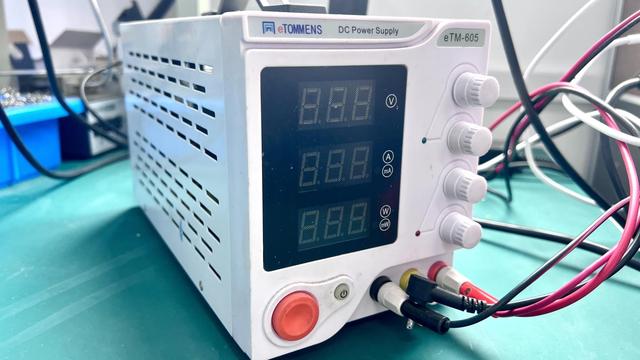
Addressing the rigorous procurement policies, technical standards, and documentation requirements of global industrial buyers.
We provide full drawing sets (STEP/IGES formats), electrical schematics, optical beam profiles, and comprehensive thermal modeling files. This technical data ensures quick, trouble-free integration into your existing automated production lines and conveyor layouts.
Every single batch of UV LED modules is logged in our tracking database. We track component origins, SMT placement parameters, inspection results, and exact spectral measurements, allowing us to offer lifetime support and transparent maintenance.
Our hardware is built to meet international regulatory standards, carrying certifications like CE, FCC, RoHS, and WEEE. We design systems that run on standard grid voltages (110V–480V) and integrate easily with widely used control protocols, including digital I/O, Modbus, and PLC interfaces.
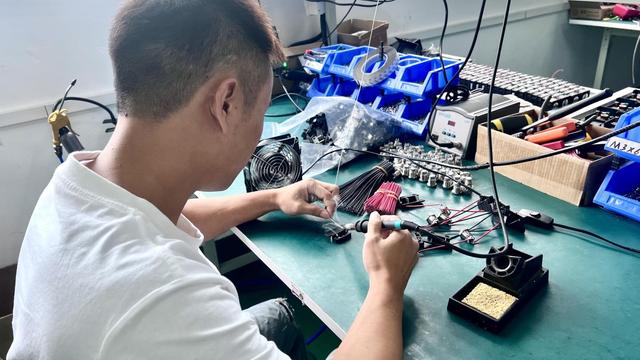
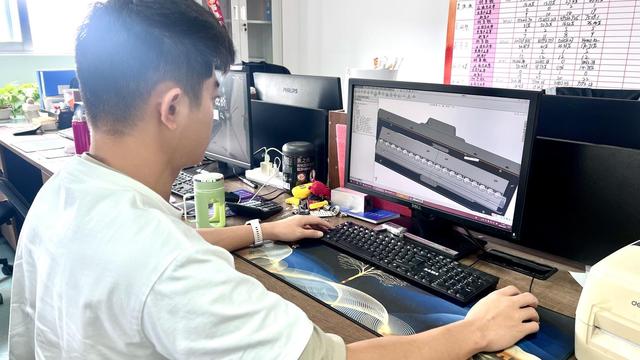
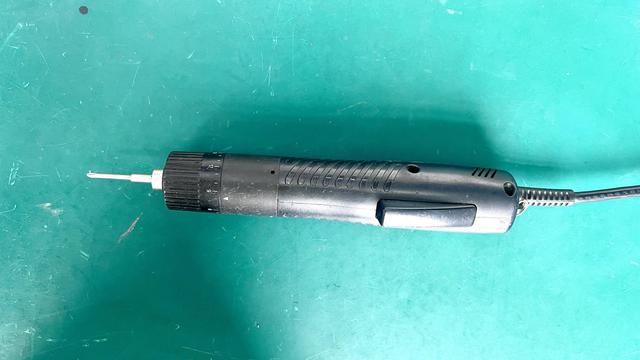
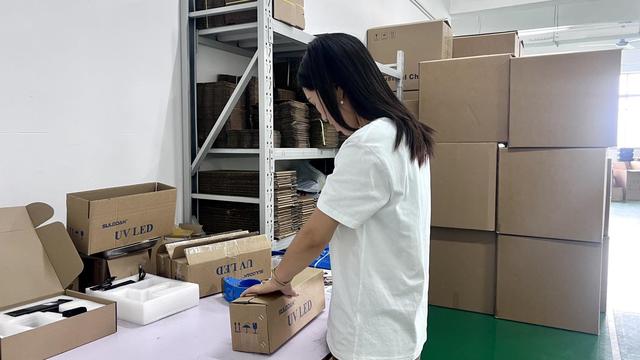
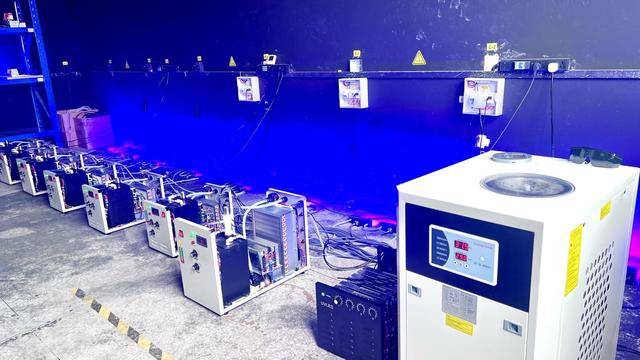
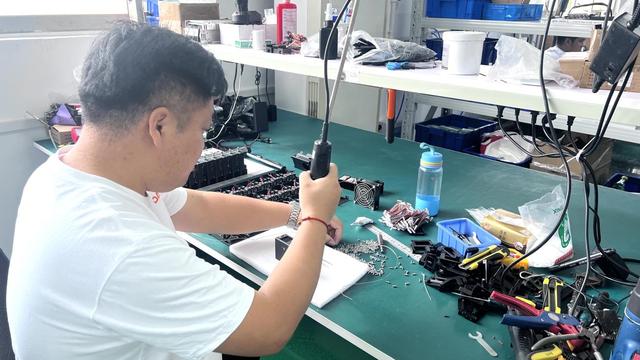
Take a look inside our specialized testing laboratories, automated manufacturing cells, and custom OEM product development departments.
Answers to common technical, design, and purchasing questions from our global engineering partners.
365nm: High photon energy level makes it excellent for surface activation and curing thin layers. Because many standard photoinitiators absorb strongly at 365nm, it generates rapid cross-linking near the air-ink interface, reducing tackiness caused by oxygen inhibition. Typical uses include optical bonding, micro-assembly, and thin coatings.
395nm / 405nm: These longer wavelengths penetrate deeper into formulations that contain high pigment loads (like screen-printing inks or thick varnishes). The longer wavelengths suffer less scattering, allowing light to reach the bottom layers for complete bonding. We often combine both wavelengths in custom systems to handle surface curing and deep curing at the same time.
Managing heat is key to keeping UV LEDs running efficiently. LumiCure uses high-thermal-conductivity copper substrates (MCPCBs) paired with direct eutectic gold-tin bonding for our LED chips. This approach minimizes thermal resistance at the boundary layers.
For high-power designs (over 16 W/cm²), we integrate precision liquid-cooling systems with micro-channels inside the copper block to pull heat away quickly. For lower-power systems, we use quiet, automated air-cooled heat pipes. These systems keep the LED junction temperature under 65°C, ensuring a stable optical output and a working lifespan of over 20,000 hours.
Yes. All LumiCure UV LED curing systems are designed with industrial automation in mind. Our power supplies and control units feature analog control ports (0–10V), digital I/O interfaces, and RS485 communication protocols (using Modbus-RTU). This enables easy connection to systems from brands like Siemens, Omron, Mitsubishi, or Allen-Bradley.
Our controllers monitor and report temperature, current, voltage, and UV status in real time, making it easy to set up automated safety shutdowns and quality monitoring systems.
Plastics like polypropylene (PP), polyethylene (PE), and silicone naturally have low surface energy, which makes them difficult for inks, coatings, and adhesives to wet and stick to. By applying high-intensity UV-C or specialized UV-A wavelengths in the presence of photo-initiating primers, we break down weak molecular bonds on the surface.
This process creates polar functional groups (such as hydroxyl and carboxyl groups) on the surface, raising its surface energy (often above 48 dynes/cm) and providing strong anchors for adhesives, varnishes, and screen-printing inks.
From portable UV tools to inline factory integrations, discover more of LumiCure's high-efficiency systems.
Industrial integration demands more than off-the-shelf components. Standard products rarely align perfectly with the spatial, power, and thermal constraints of specialized assembly systems. Dongguan LumiCure Light Co., Ltd. addresses this gap by offering custom engineering services to fit your exact system specifications. From designing unique mounting frames to tuning specialized optical emissions, we build solutions that drop directly into your production lines.
 LumiCure Light