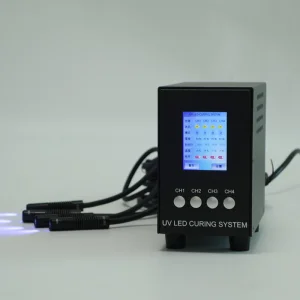
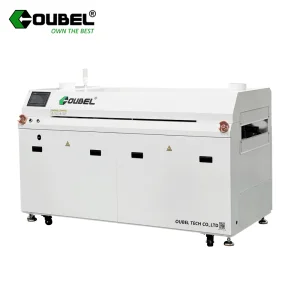
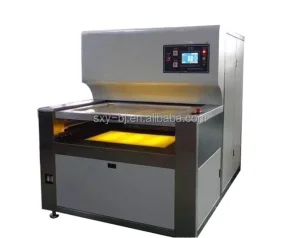
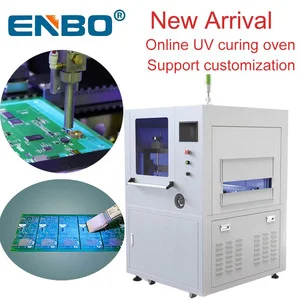
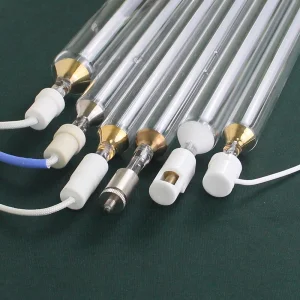
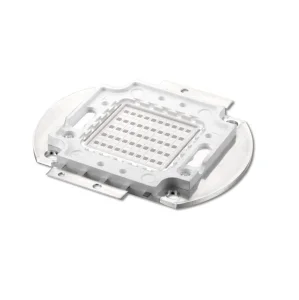
Explore our top-tier precision-engineered solid-state radiation systems, configured for flexographic setups, 3D printing polymerizations, and specialized electronics coating assemblies.
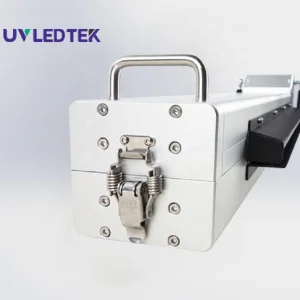
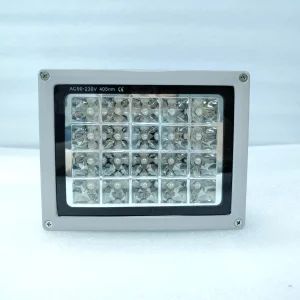
The global transition from traditional medium-pressure mercury arc lamps to state-of-the-art solid-state UV LED coating processes represents a profound paradigm shift in modern manufacturing. Across industries such as electronics assembly, high-speed commercial packaging, precision medical devices, and automotive top-coating, manufacturers are demanding systems that deliver higher irradiance levels while operating within tight environmental footprints.
Traditional mercury systems emit a broad spectrum of radiation (including infrared and short-wave UVC), which results in high thermal stress on substrates and demands immense cooling capacities. Conversely, UV LED engines emit a narrow spectral output—predominantly centered at 365nm, 385nm, 395nm, or 405nm. This targeted energy output aligns perfectly with the absorption profiles of modern photoinitiators, driving rapid free-radical or cationic photopolymerization without transferring damaging thermal energy to heat-sensitive materials such as thin plastic films or delicate wood veneers.
In addition to energy efficiency, the Minamata Convention on Mercury has accelerated the regulatory phasing out of mercury-containing light sources globally. Procurement managers and process integration engineers must source certified, heavy-duty UV LED solid-state reactors to maintain operational compliance and achieve carbon neutrality goals. Market intelligence indicates that the global industrial UV LED curing market is growing at a compound annual growth rate (CAGR) exceeding 18.5%, with high-power industrial applications leading the demand curve.
To master the UV LED coating process, it is critical to understand the engineering parameters governing successful cross-linking. Unlike traditional drying, which relies on thermal evaporation of solvents, UV curing involves a molecular restructuring where liquid monomers and oligomers transform into a solid polymer network within fractions of a second.
Modern UV LED process configurations match specialized UVA chips (typically 365nm for surface cure, 395nm for deep-section penetration) with highly responsive photoinitiators like TPO, BAPO, or Thioxanthones. This optimization ensures maximum quantum efficiency and reduces the chemical payload required in the formulation.
High-power operations ($>16 W/cm^2$) generate significant heat within the semiconductor junctions. Water-cooled systems utilize internal copper micro-channels to maintain junction temperatures below 60°C, preserving optical consistency and extending lifetime, while air-cooled systems are preferred for compact, modular line profiles.
To deliver uniform irradiance across wide web widths, custom quartz reflectors and primary/secondary micro-lens arrays are integrated. This minimizes optical divergence, focuses light energy directly to the processing plane, and prevents stray UV rays from pre-curing printheads or adjacent stations.
Industrial curing demands highly customized solutions. Our engineering layouts are developed to address specific surface properties, curing speeds, and mechanical integration constraints.
Heavy-duty, high-power water-cooled 395nm LED systems penetrate deep filler primers and non-yellowing acrylic clearcoats. Eliminates shrinkage cracks and delivers high-performance wear protection on wood boards at high line speeds.
Narrow-band 365nm UV LED exposure ensures accurate micro-imaging of solder masks and dry-film photoresists. Compact conveyor-connected modules provide shadows-free curing for protective conformal silicone and polyurethane coatings.
High-intensity, ozone-free UV LED curing systems positioned directly over web rollers prevent film shrinkage. They enable real-time chemical fixing at web speeds exceeding 250 meters per minute.
Dongguan LumiCure Light Co., Ltd. is a leading China-based UV LED curing lamp manufacturer specializing in the research, development, production, and supply of industrial UV curing systems and customized UV LED solutions. Armed with years of mechanical, optical, and thermal engineering experience, LumiCure has become a trusted partner for global manufacturers seeking highly efficient, environmentally responsible, and ruggedized industrial curing systems.
Our comprehensive production footprint includes UV LED curing lamps, spot curing light guides, high-intensity flood curing panels, automated conveyor-linked curing ovens, custom chip-on-board (COB) UV LED modules, and integrated web printing curing packages. Our systems are engineered to withstand the demanding conditions of PCB lithography, precision automotive assembly, optical lens bonding, 3D printing post-processing, and flexible packaging drying.
Quality control remains the foundation of our engineering business. LumiCure’s manufacturing facility employs rigorous optical performance verification, checking spectral distribution, radiometric output, and thermal dissipation stability before shipment. Offering robust OEM and ODM services, we configure mechanical housings, electrical interfaces, and optical patterns to integrate seamlessly into your legacy or newly designed production lines.
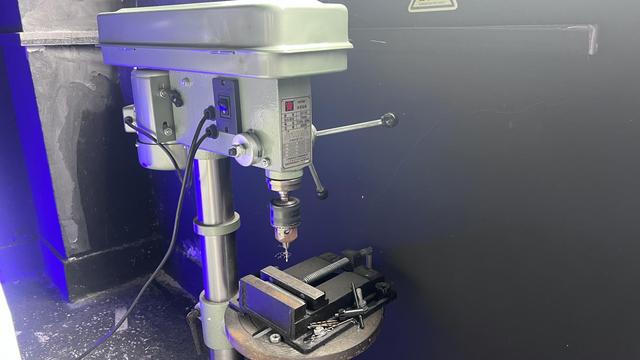
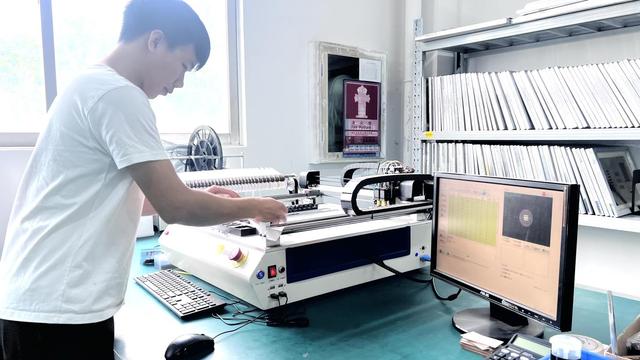
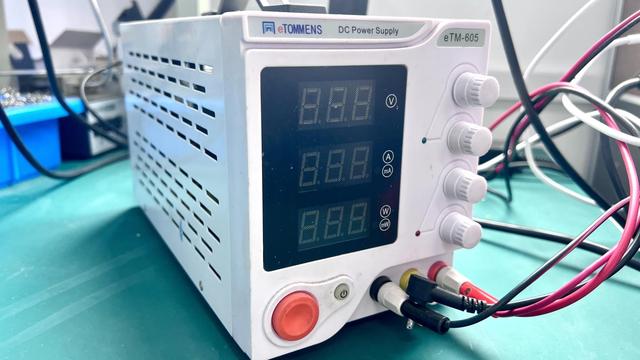
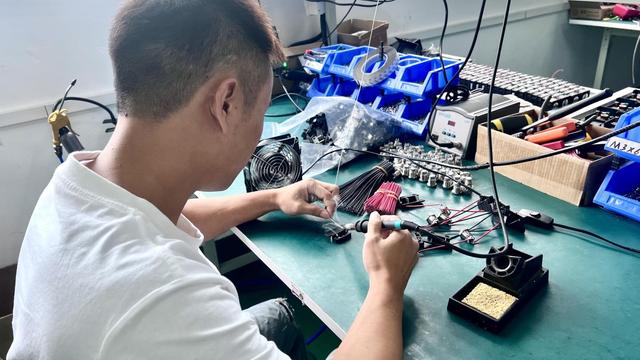
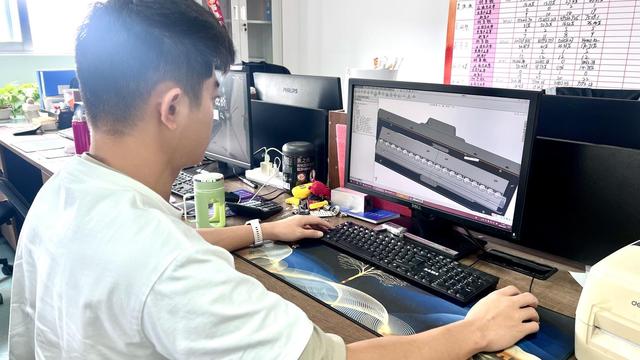
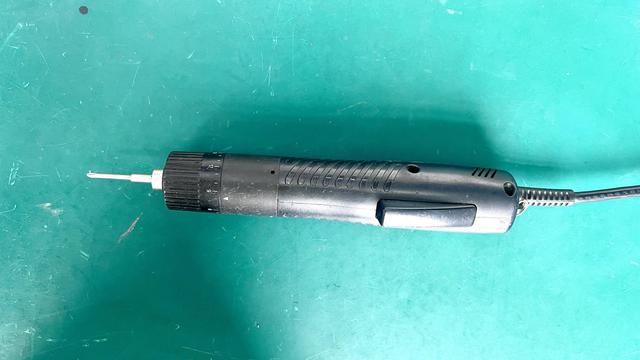
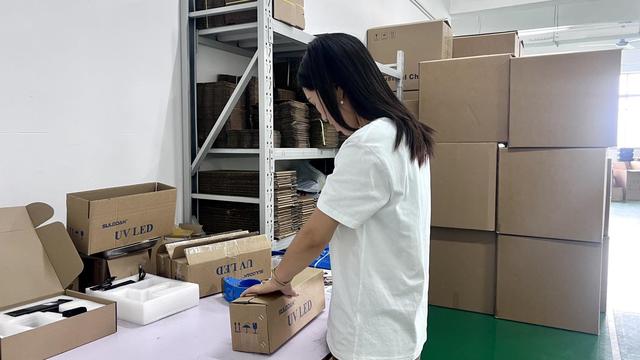
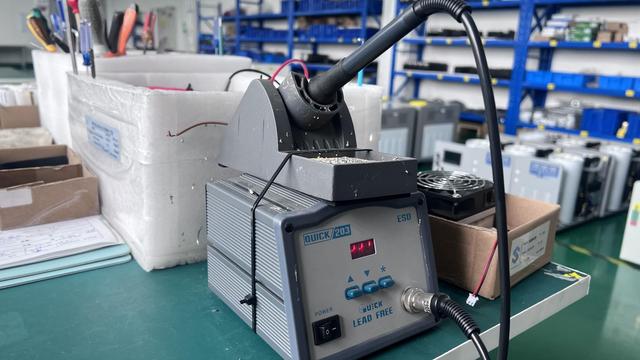
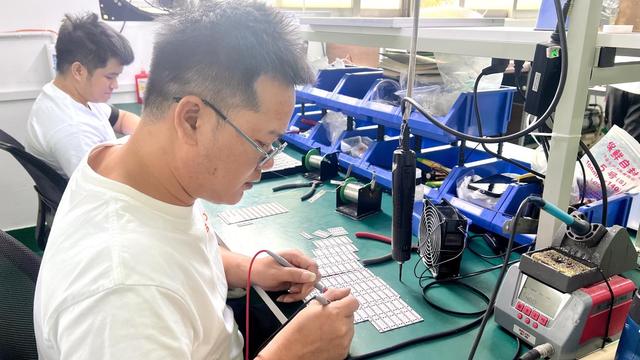
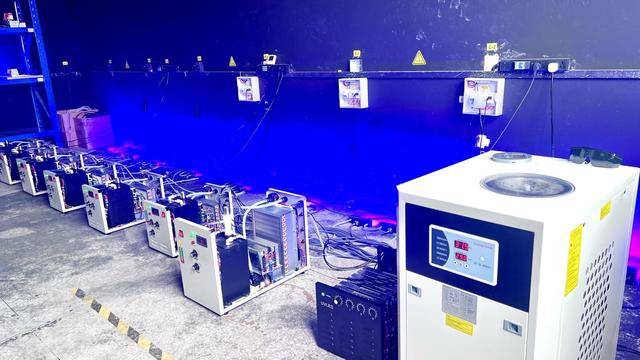
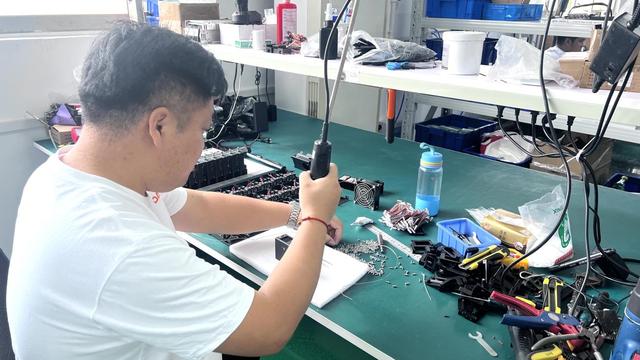
Take a look inside our high-tech assembly lines, calibration cleanrooms, and automated testing facilities.
Get expert technical answers from LumiCure's Senior Application Engineers on chemistry, mechanics, and system operations.
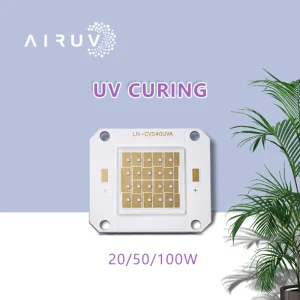
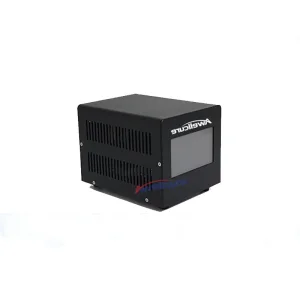
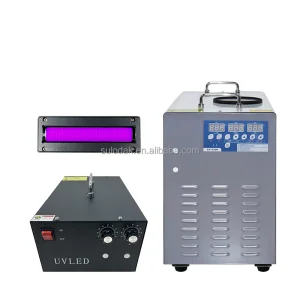
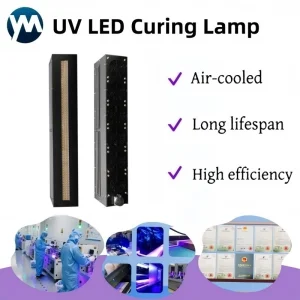
Discover our comprehensive collection of customized curing lamps, heavy-duty exposure stations, and compact chip-on-board modules designed to enhance production efficiency.
 LumiCure Light