Explore our flagship, precision-engineered ultraviolet light systems, optimizing throughput and adhesion quality across substrates.
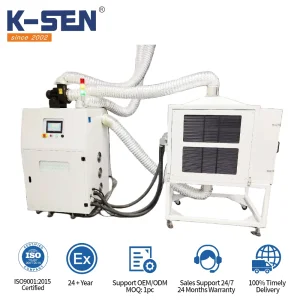
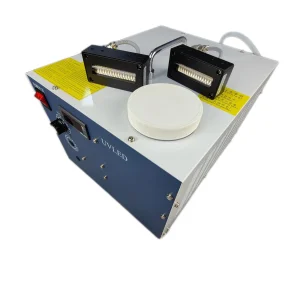
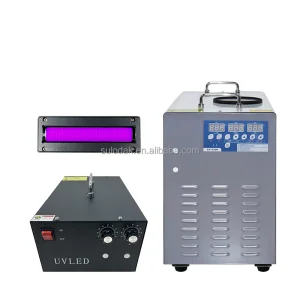
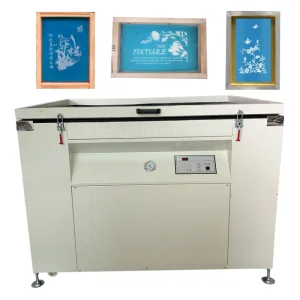
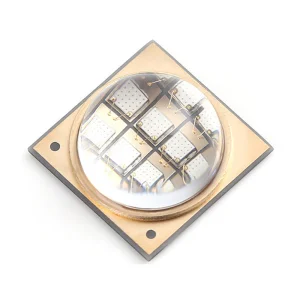
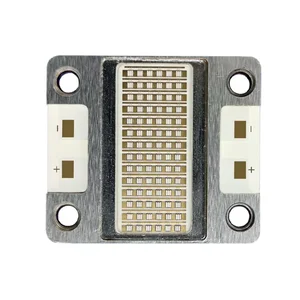
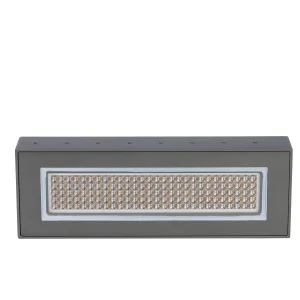
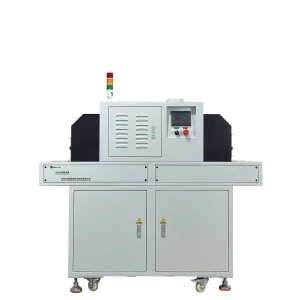
The global printing and packaging industries are undergoing a massive technological transition. The historical dominance of conventional medium-pressure mercury vapor lamps is rapidly giving way to solid-state UV LED curing systems. This transition is not merely driven by environmental regulations—such as the Minamata Convention on Mercury—but by the profound metrics of print quality, process repeatability, and energy management.
Unlike mercury bulbs, which emit a broad spectrum of light (including high amounts of infrared heat), UV LED arrays emit a narrow band of ultraviolet light. This eliminates thermal stress on thin, heat-sensitive films, preventing issues such as warping, shrinking, and dynamic registration drift. Precise control of the spectral output ensures optimized cure profiles, leading to excellent adhesion, high scratch resistance, and brilliant color saturation on diverse substrates.
Industrial-grade UV LED arrays provide unmatched consistency over a lifespan exceeding 20,000 hours, compared to the brief 1,000 to 1,500 hours offered by legacy mercury lamps. This eliminates continuous recalibration cycles and reduces machine downtime.
China has established itself as the epicenter of UV LED innovation and manufacturing. This position is built upon a complete vertical supply chain—from raw epitaxial semiconductor wafer processing and Chip-on-Board (COB) packaging to sophisticated cooling and intelligent driver system integration.
Dongguan, in particular, acts as a pivotal industrial hub. Factories like Dongguan LumiCure Light Co., Ltd. leverage this proximity to raw materials, optics suppliers, and electronic testing facilities. This enables rapid prototyping, custom wavelength tuning, and flexible mechanical integration services at a fraction of the time and cost of Western competitors.
The efficiency advantage is not just about labor; it is about infrastructure. The dense cluster of optoelectronic engineers, automated pick-and-place lines, and advanced thermal analysis tools ensures that quality systems conform strictly to global regulations (CE, RoHS, UL) while maintaining highly competitive pricing models.
Every printing setup presents unique variables: web speed, ink chemistry, distance to substrate, and mechanical clearance. Chinese factories stand out by offering customizable modular platforms:
| Parameters | Standard Limits | Customization Scope |
|---|---|---|
| Wavelength | 395nm / 385nm | 365nm to 405nm multi-band |
| Cooling Mode | Air Cooled | Liquid micro-channel cooling |
| Peak Irradiance | 12-16 W/cm² | Up to 24 W/cm² at 10mm |
| Control Protocol | Digital I/O | Modbus RTU, PLC Integration |
From micro-electronics manufacturing to wide-format textile printing, UV LED systems must adapt to specific operational demands.
Requires high peak irradiance (395nm) at velocities up to 200 m/min. In narrow web applications, UV LED systems prevent substrate stretch on thermal papers and unsupported films, ensuring accurate registration across multiple colors.
Demands low-migration formulations. Proper curing energy density (dose in $mJ/cm^2$) is vital. Our systems ensure complete monomer conversion, preventing chemical migration through materials to meet packaging safety guidelines.
Highly specialized applications like optical bonding, PCB solder mask curing, and edge sealing demand cleanroom-compatible cooling setups, minimal particulate shedding, and narrow-wavelength tolerances (365nm) to safeguard sensitive silicon chips.
Global procurement teams must look beyond unit pricing when sourcing UV LED equipment. Calculating the Total Cost of Ownership (TCO) and long-term quality consistency involves several key parameters:
The UV LED sector is moving toward multi-wavelength array designs. Traditional single-wavelength systems (e.g., 395nm only) can leave surface layers tacky with certain formulas. Combining wavelengths like 365nm and 395nm within a single array addresses this challenge:
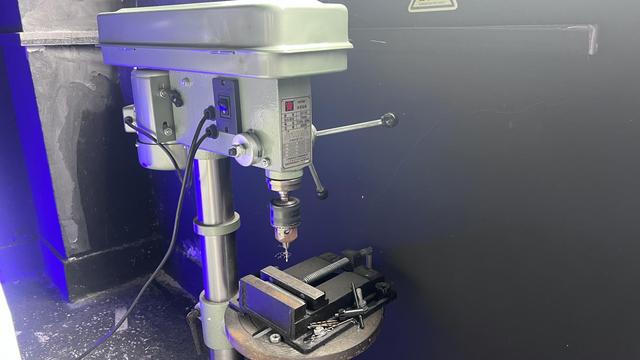
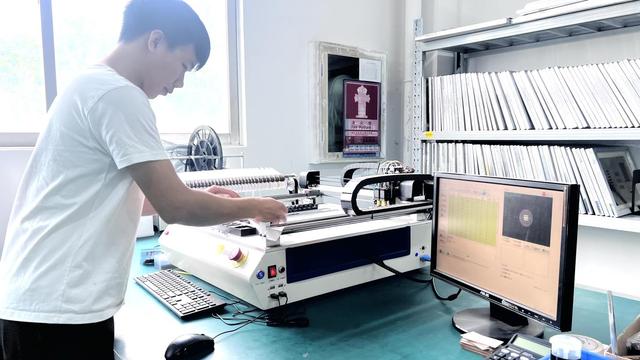
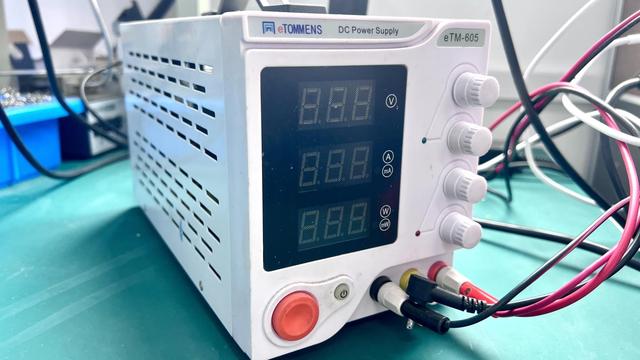
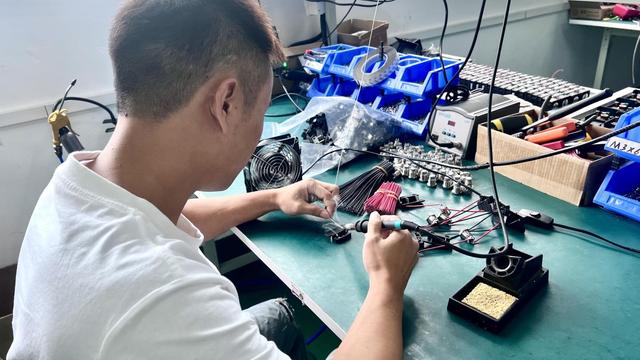
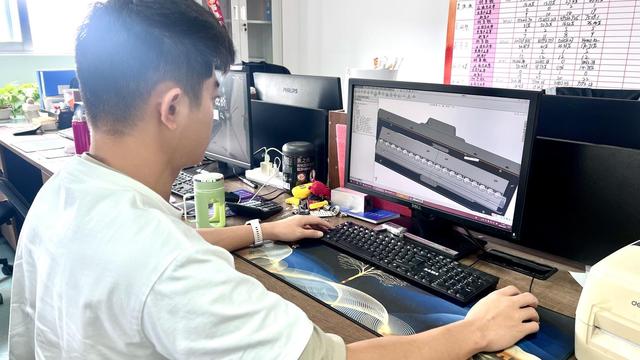
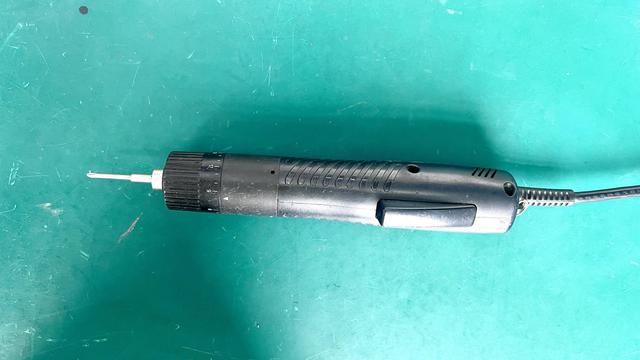
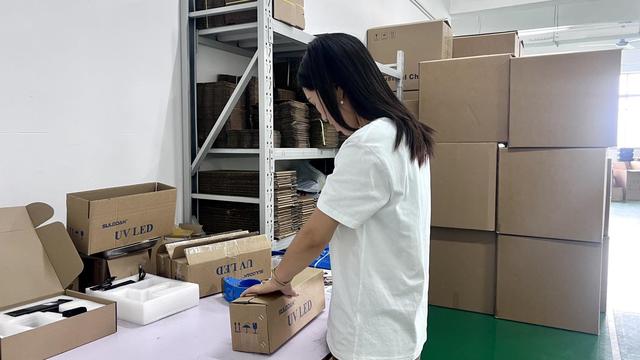
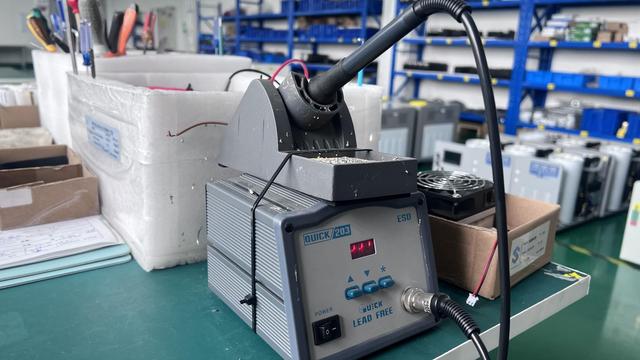
Take a look inside our quality control process, cleanroom chip bonding lines, and automated assembly areas in Dongguan, China.
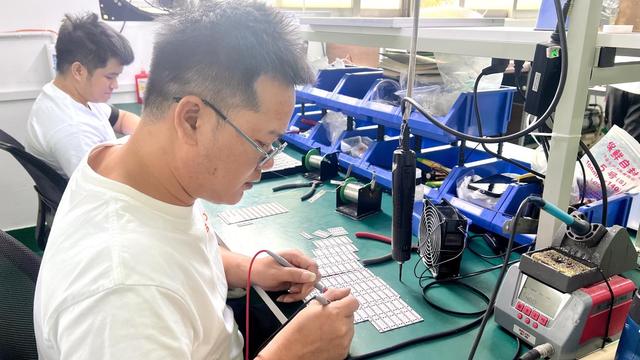
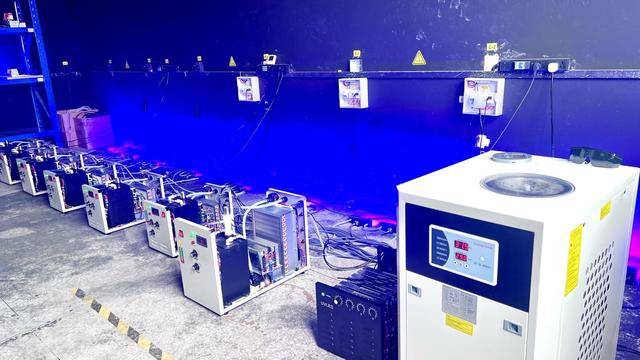
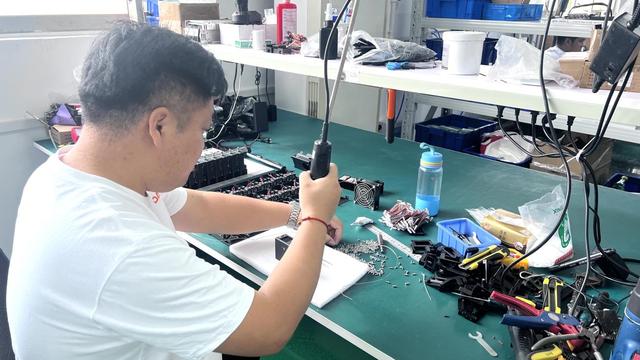
Get answers to critical technical questions from our engineering team to ensure proper component specification.
Peak Irradiance ($W/cm^2$) measures the maximum instantaneous intensity of UV light delivered at the substrate surface. It is critical for initiating the polymerization chain reaction in fast-moving lines. Energy Density or Dose ($J/cm^2$ or $mJ/cm^2$) is the total optical energy delivered over time (Irradiance × Time). Both variables must be optimized; inadequate peak irradiance fails to kick off polymerization, while insufficient dose leads to incomplete curing in deeper layers.
Air cooling works well for lower-power systems (typically below 8-10 W/cm²) and limited space. However, high-power systems (12-24 W/cm²) generate significant heat at the LED p-n junction. Water-cooling systems use micro-channel copper plates to pull heat away quickly. This keeps junction temperatures low, ensuring stable wavelength output, protecting optical components, and extending the system's operational lifespan.
Atmospheric oxygen reacts with free radicals in acrylate inks, stalling the curing process and leaving a tacky surface layer. While mercury lamps overcome this with high-energy shortwave UV-C light, UV LED systems (primarily emitting UV-A) can struggle. Solutions include using nitrogen purging over the curing zone, formulating inks with amine synergists, or deploying multi-wavelength arrays (combining 365nm and 395nm chips) to drive both surface and deep cure.
Generally, no. Traditional UV inks are formulated to cure under the broad spectrum of mercury lamps, relying on photoinitiators that absorb UV-C and UV-B wavelengths. UV LED arrays emit light in a narrow band (typically centered around 395nm). Upgrading to UV LED curing requires switching to matching LED-formulated inks, which contain photoinitiators optimized for the system's specific UV-A peak.
Discover specialized UV configurations designed for offset press lines, flexo labeling, and high-reliability lab exposure tasks.
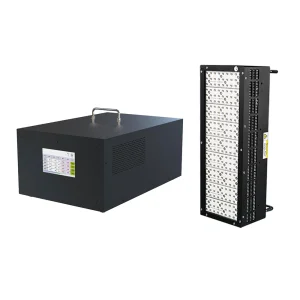
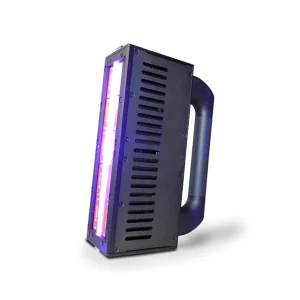
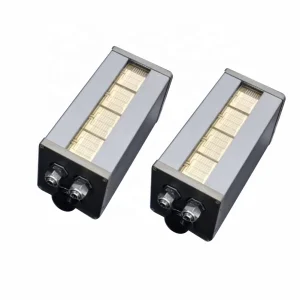
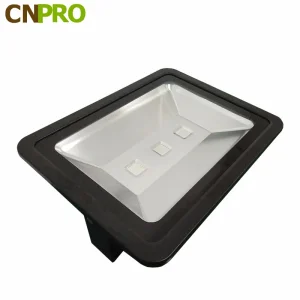
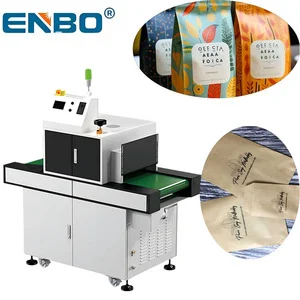
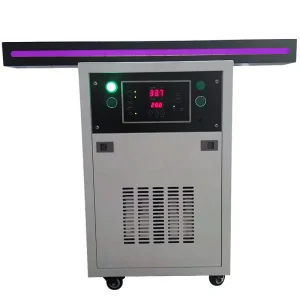
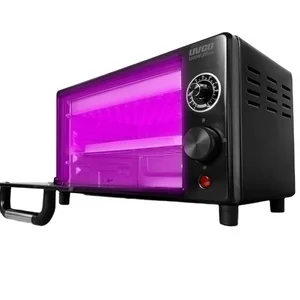
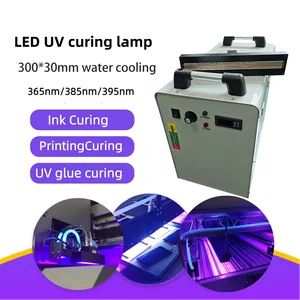
LumiCure is a leading developer and manufacturer of industrial UV curing systems, specializing in customized UV LED solutions. Through a commitment to technical innovation, quality, and support, we serve as a trusted integration partner for manufacturing teams worldwide.
Our product line includes UV LED curing lamps, spot and flood systems, conveyor configurations, COB UV modules, and tailored electronics bonding setups. These systems are used in commercial offset/flexo printing, semiconductor packaging, cleanroom optical assemblies, and high-volume automotive manufacturing lines.
Every unit undergoes strict thermal validation and spectral testing to ensure long-term stability and performance in demanding production environments.
 LumiCure Light