High-performance curing instruments, spot systems, and industrial ultraviolet devices optimized for standard and customized assembly lines.
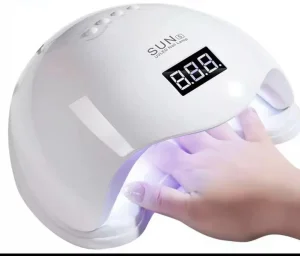
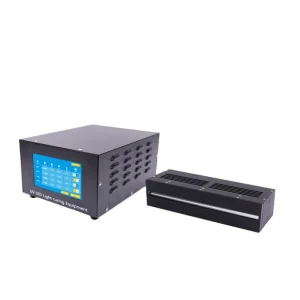
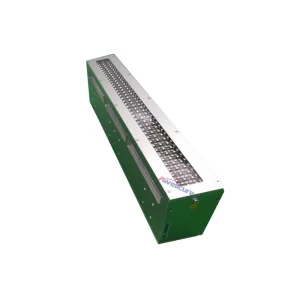
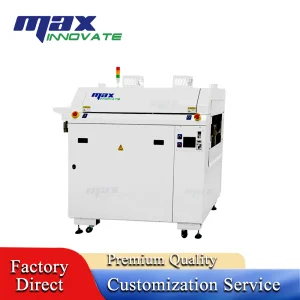
For decades, traditional high-pressure mercury arc lamps served as the foundation of UV curing processes. However, global manufacturing is undergoing a critical transition. Modern industries are rapidly adopting UV LED (Ultraviolet Light Emitting Diode) technology as the standard for high-performance curing, bonding, drying, and surface modification. This shift is driven by the demand for process efficiency, ecological sustainability, and precision control.
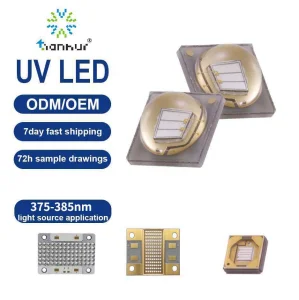
Unlike conventional mercury lamps that emit a broad, unstructured spectrum of light, UV LED light sources supply monochromatic radiation (typically centered around 365nm, 385nm, 395nm, or 405nm). This targeted delivery concentrates energy exactly where photoinitiators require it, eliminating thermal strain on sensitive substrates and maximizing energy yields. For automated industrial production, UV LED technology represents a major advance in yield management, cost control, and operating safety.
Traditional mercury systems emit extensive infrared (IR) radiation, creating significant heat that can distort plastics, thin films, and delicate electronics. UV LEDs deliver cool curing profiles. By limiting thermal output, manufacturers can safely cure adhesives on heat-sensitive materials like thin-film polymers, pharmaceutical packaging, and microelectronic assemblies without thermal deflection.
A premier manufacturer specializing in industrial UV LED solutions and customized engineering integrations.
Dongguan LumiCure Light Co., Ltd. is a leading China-based UV LED curing lamp manufacturer specializing in the research, development, production, and supply of industrial UV curing systems and customized UV LED solutions. With a strong focus on innovation, quality, and client collaboration, LumiCure has become a trusted partner for manufacturers worldwide seeking efficient and reliable curing technologies.
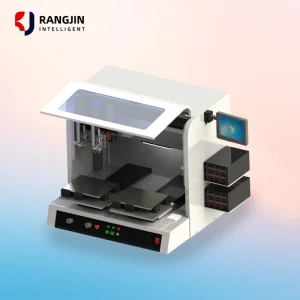
Our product range includes UV LED curing lamps, UV LED spot curing systems, flood curing lamps, conveyor UV curing machines, UV LED modules, printing curing systems, adhesive curing equipment, and customized industrial UV solutions. These products are widely applied in printing, electronics assembly, semiconductor packaging, optical bonding, automotive manufacturing, medical devices, 3D printing, and various precision industrial processes.
Backed by an experienced engineering team and advanced manufacturing facilities, LumiCure is committed to developing energy-saving and environmentally friendly UV curing technologies. Our systems feature high curing efficiency, precise wavelength output, long service life, low maintenance requirements, and intelligent control capabilities, helping customers improve productivity while reducing operating costs.
Quality remains the foundation of our business. Every product undergoes rigorous testing and strict quality control procedures throughout the manufacturing process to ensure consistent performance and reliability. We also provide comprehensive OEM and ODM services, enabling customers to customize products according to their specific technical and application requirements.
Serving clients across Europe, North America, Asia, the Middle East, and other global markets, Dongguan LumiCure Light Co., Ltd. continues to deliver innovative UV LED curing solutions that support sustainable and efficient industrial manufacturing.
From customized optical setups to drop-in replacements for standard production lines, our engineering division develops custom solutions designed to optimize performance, cycle times, and electrical efficiency.
How high-power UV light emission is integrated into global assembly configurations to optimize cycle times.
Precision UV LED light sources are essential for packaging microelectronics, curing conformal coatings on PCBs, and bonding display layers. Under-fill encapsulation, wire-tack bonding, and camera module alignments require consistent ultraviolet profiles to prevent spatial displacement and component damage.
In flexo, rotary offset, and wide web printing, instant ink setting is critical for running lines at speeds up to 300 meters per minute. High-irradiance water-cooled 395nm UV systems cross-link inks instantly, improving color density, reducing bleeding, and lowering power consumption compared to gas-discharge drying tunnels.
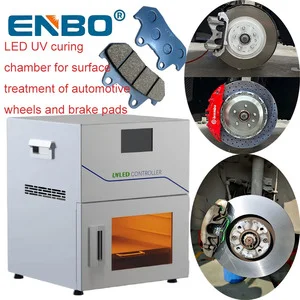
From brake pad surface treatments to bonding polycarbonate headlight assemblies, UV LEDs deliver stable curing for structural adhesives. These systems allow automotive OEMs to automate inline inspections, minimize defects, and meet strict mechanical integrity requirements.
UV curing is a photochemical reaction rather than a thermal drying process. When monomer and oligomer mixtures are exposed to specific UV wavelengths, photoinitiators absorb the radiant energy, generating free radicals or cations that initiate polymerization. This cross-linking process converts liquid coatings or adhesives into solid polymers in fractions of a second.
Achieving optimal curing requires balancing Peak Irradiance (W/cm²) and Energy Density (J/cm²). Peak Irradiance measures the intensity of UV light reaching the surface, which is critical for overcoming oxygen inhibition in surface-curing applications. Energy density measures the total delivered exposure, which is necessary for depth-of-cure in thick coatings. LumiCure designs UV systems with custom optics to focus light and deliver high irradiance directly to the work plane.
Selecting the correct UV emission wavelength is critical to matching the absorption profile of your photoinitiators.
Different manufacturing applications rely on targeted spectral bands to achieve optimal curing results. Below is a breakdown of standard UV wavelengths and their typical uses:
Although UV LEDs transfer minimal heat to the curing substrate, they generate internal heat at the junction level that must be managed to maintain system life and performance. Overheating can lead to wavelength drift and shortened diode lifespans.
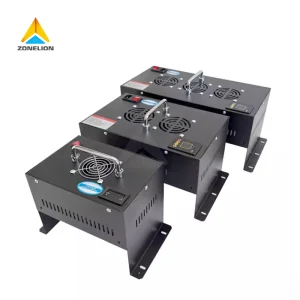
Compact, fan-driven thermal management systems designed for spot curing and lower-wattage applications. They are easy to integrate and require minimal regular maintenance.
Water-Cooled SystemsDesigned for high-intensity, continuous industrial processes. Closed-loop water chillers maintain consistent temperatures at the LED array, ensuring stable UV output under demanding conditions.
Understanding the international regulations and standards driving the transition to solid-state UV systems.
The global treaty to phase out mercury-containing products has placed pressure on industries relying on traditional UV lamps. Factories worldwide are transitioning to mercury-free UV LED light sources to meet compliance dates and avoid regulatory penalties.
European and Asian RoHS regulations limit hazardous substances in electrical and electronic equipment. UV LED systems contain zero heavy metals or lead, aligning with circular economy initiatives and simplified waste-disposal requirements.
By replacing high-power mercury arc lamps with energy-efficient UV LED systems, manufacturing sites can reduce their electricity consumption by 50% to 80%, directly contributing to lower carbon emissions and ESG goals.
Dongguan LumiCure Light Co., Ltd. supports global manufacturing regions with technical assistance, configuration consultation, and spare part distribution. Whether you operate assembly facilities in North America, high-capacity printing lines in Europe, or electronics packaging plants in East Asia, our engineering and support network ensures minimal downtime. We assist with initial optical profiling, mechanical integration, PLC control programming, and onsite calibration to secure a seamless transition to UV LED technology.
Optimized configurations for specific industrial assembly, finishing, and production requirements.
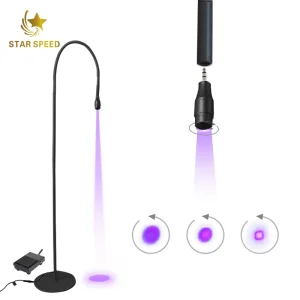
Ideal for medical catheter assembly, smart lens installations, and optical alignments. Employs spot systems (365nm/405nm) with focused lens tips to deliver targeted curing, avoiding thermal stress on adjacent components.
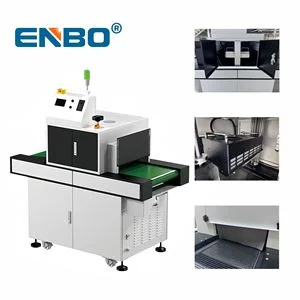
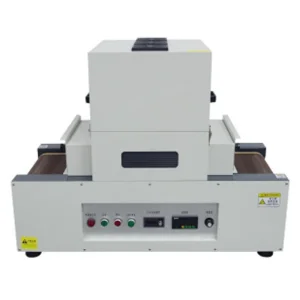
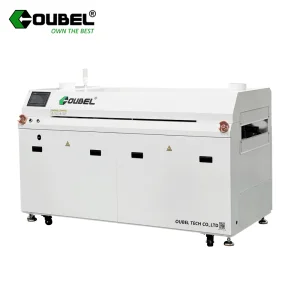
Designed for high-speed assembly lines, screen printing operations, and prototype testing. Integrated air-cooled conveyor systems provide uniform exposure across conveyor paths to secure consistent curing.
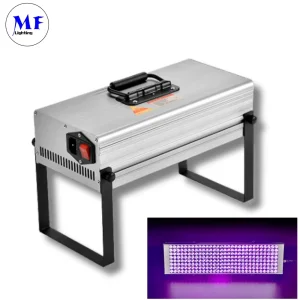
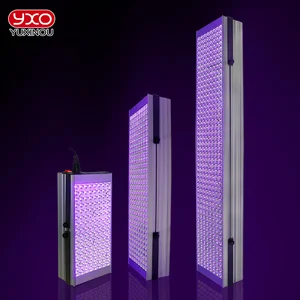
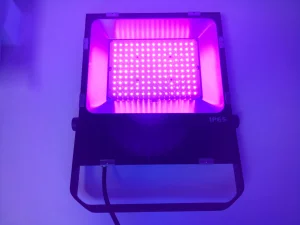
Optimized for clear-coating wood panels, large electronics housings, and post-curing 3D prints. Wide-angle LED array systems deliver uniform irradiance over extensive working areas.
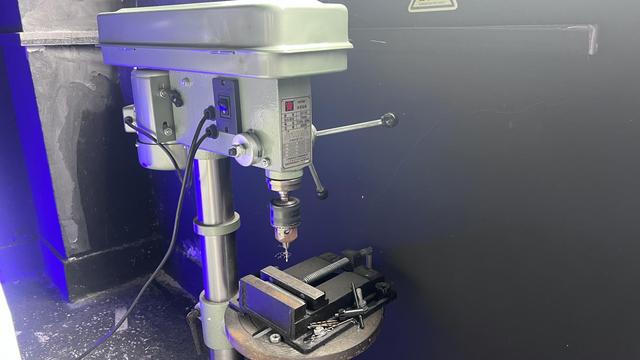
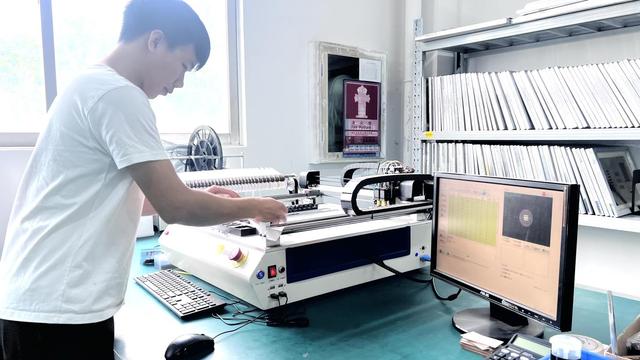
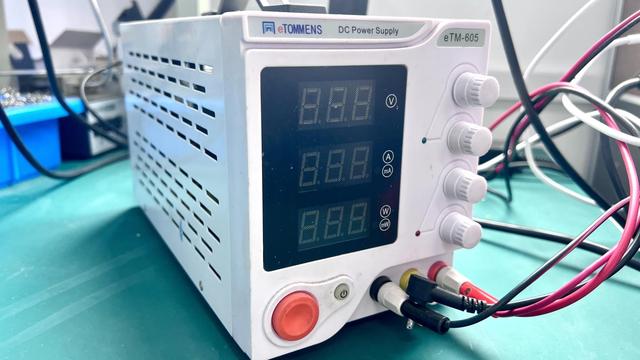
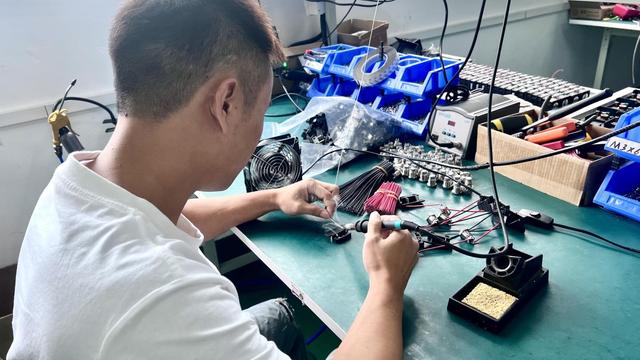
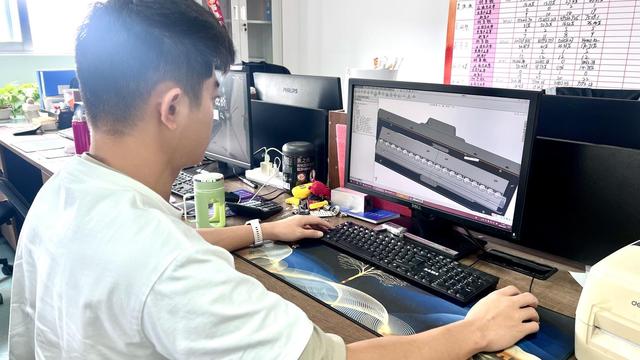
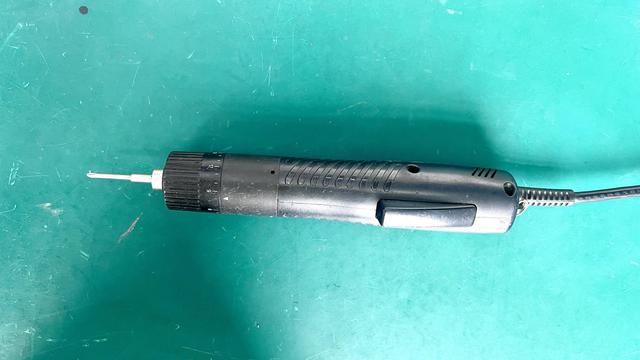
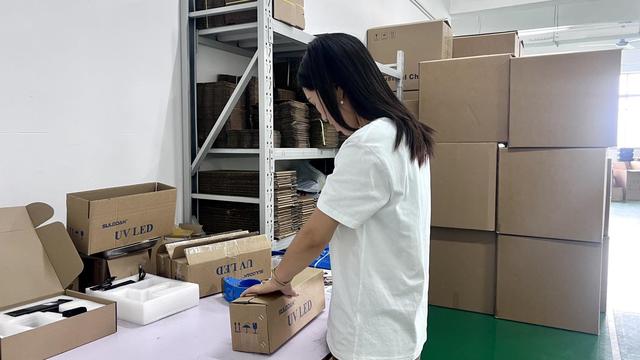
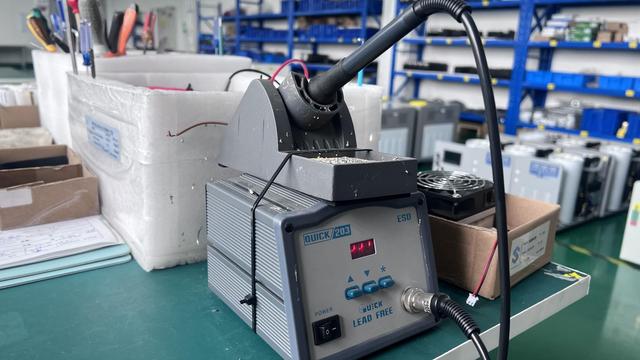
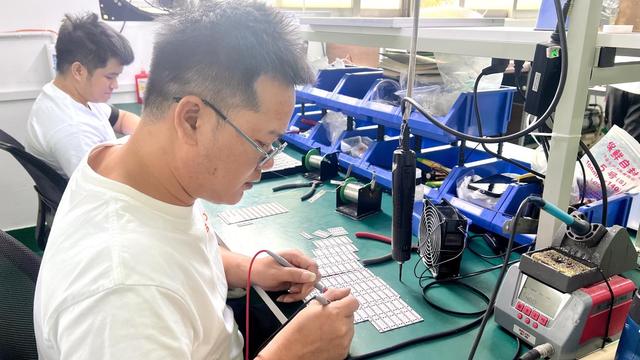
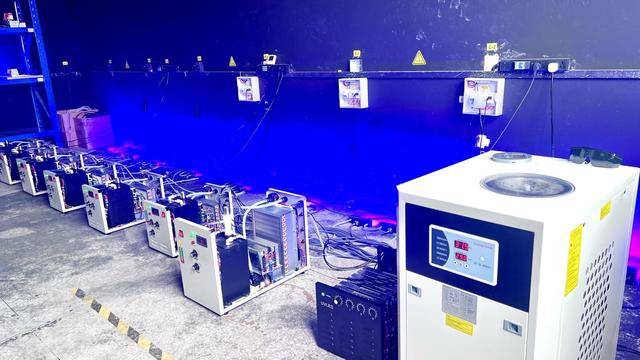
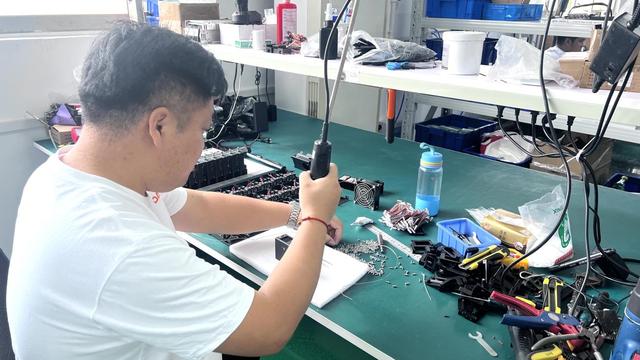
Inside LumiCure’s advanced manufacturing facility, showing our testing procedures, assembly lines, and quality control systems.
Answers to common technical questions asked by systems integrators, process engineers, and sourcing directors.
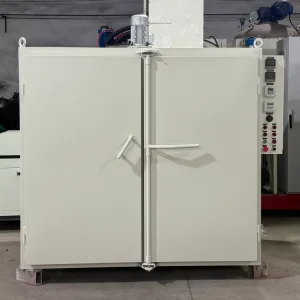
High-power machinery, automated conveyor lines, and specialized curing systems for commercial manufacturing plants.
 LumiCure Light