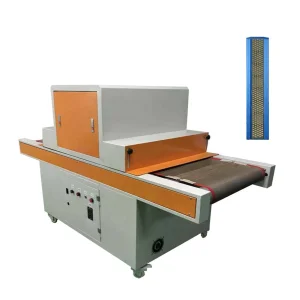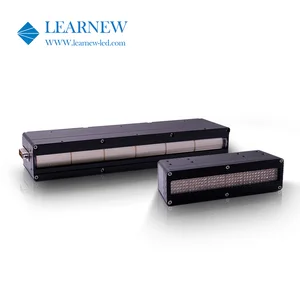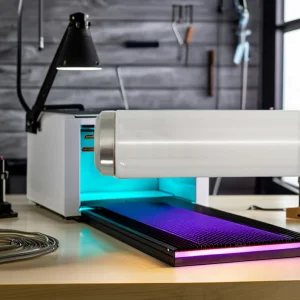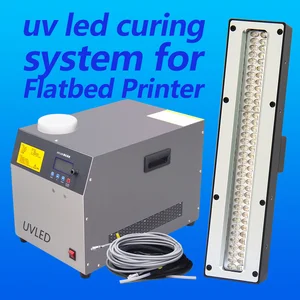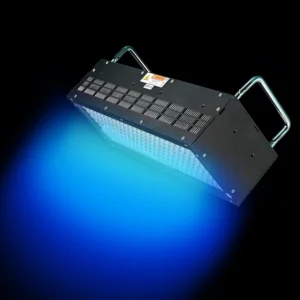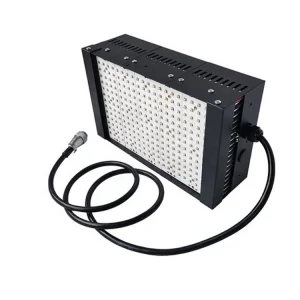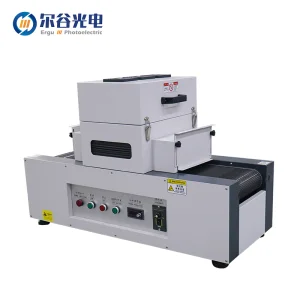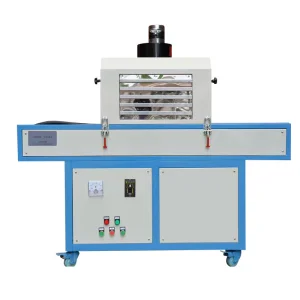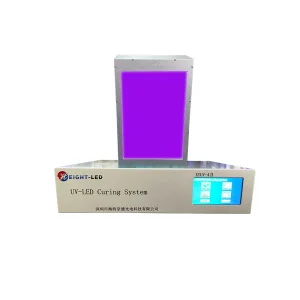
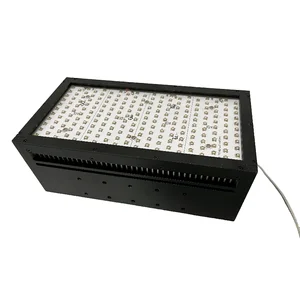
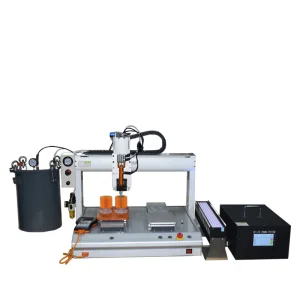
Germany stands as Europe’s industrial powerhouse, leading in advanced fields such as automotive engineering, high-end medical device fabrication, optics, and smart automation (Industry 4.0). Traditionally, processes involving adhesive bonding relied heavily on thermal ovens or medium-pressure mercury vapor lamps. However, strict environmental regulations under the European Union's RoHS, REACH, and energy conservation initiatives have catalyzed a significant industrial migration toward UV LED Adhesive Curing Systems.
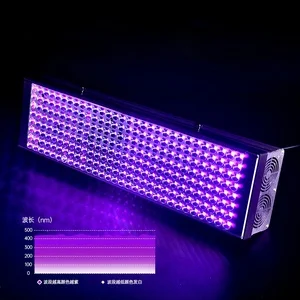
Unlike mercury lamps, which present disposal hazards and release significant ozone emissions, solid-state LED systems present a clean, eco-friendly technological pathway. They operate on narrow-band monochromatic light emission (specifically centered around critical cure windows like 365nm, 385nm, 395nm, or 405nm), eliminating unwanted infrared (thermal) radiation. This makes them ideal for processing heat-sensitive substrates like thin films, plastics, and microelectronic elements without warping or stress fracturing.
Industrial UV-curable adhesives rely on photoinitiators that absorb UV light within narrow ranges. When irradiated, these photoinitiators trigger chemical crosslinking, converting liquid monomer resins into tough, chemical-resistant polymers in fractions of a second. Wavelength precision is crucial:
In Germany's highly competitive industrial market, manufacturing engineers are tasked with optimizing both quality and cost. Dongguan LumiCure Light Co., Ltd. offers the ideal synergy: Chinese production speed and supply chain elasticity paired with strict adherence to German manufacturing tolerances, DIN certifications, CE directives, and RoHS conformance.
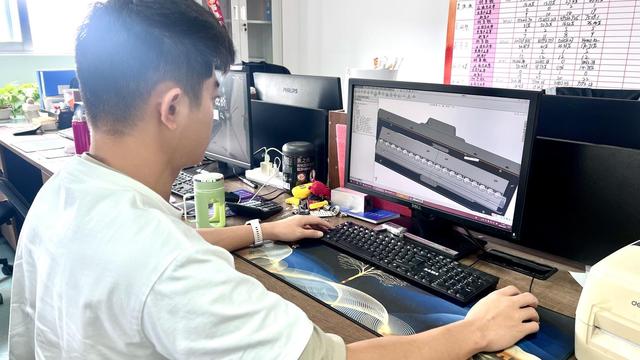
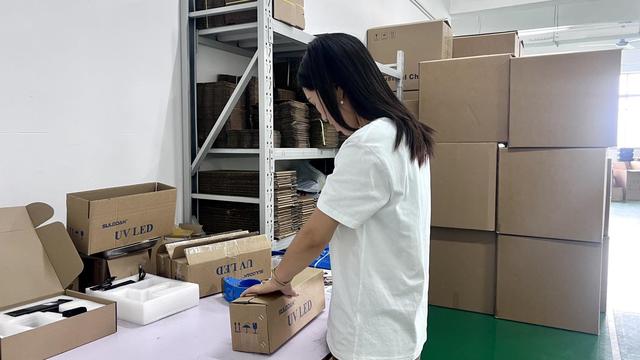
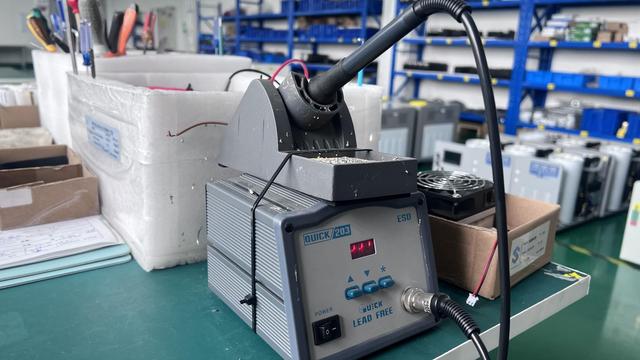
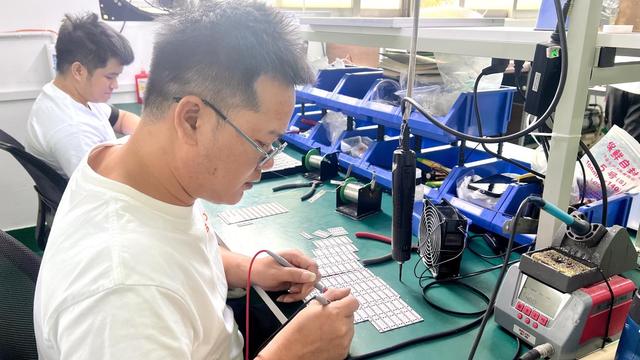
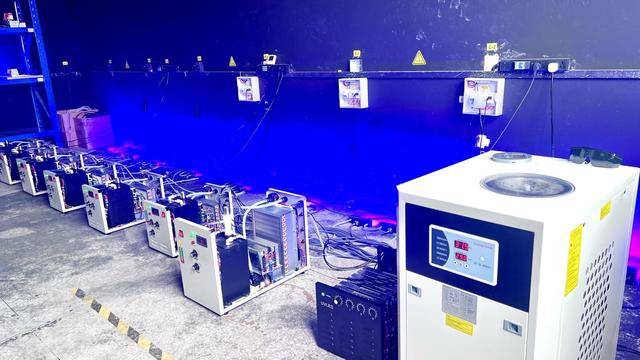
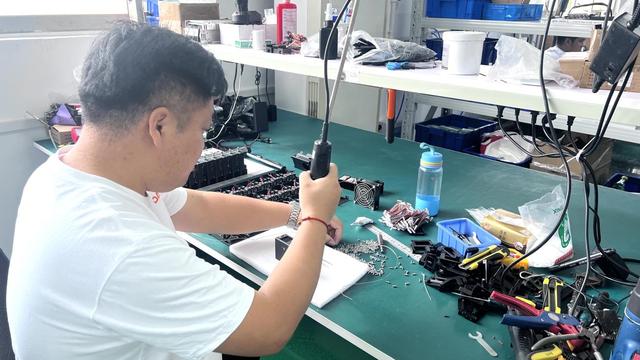
Our manufacturing facility in Dongguan controls the entire process in-house, from optical design and mechanical thermal analysis to electronic driver development and chip packaging. We source high-grade components (including Nichia and Seoul Viosys LEDs) to guarantee irradiance uniformity (>90% across the radiating surface) and thermal dissipation. With deep logistics integrations, we ensure seamless engineering communication, flexible customization options, and fast shipping directly to manufacturing hubs in Stuttgart, Munich, Frankfurt, and Hamburg.
Curing of needle assemblies, catheters, endoscopes, and breathing circuits. Fully complies with DIN EN ISO 13485 regulations for medical packaging cleanrooms.
Robust curing configurations designed for ADAS cameras, LiDAR arrays, HUD modules, and internal dashboard control circuits needing absolute reliability under extreme heat.
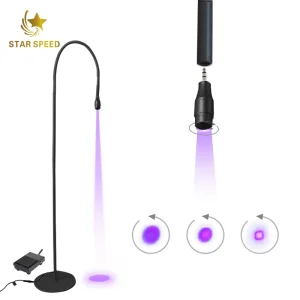
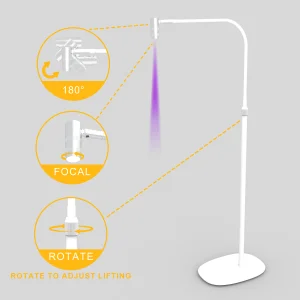
Micro-spot systems yielding cold-curing profiles to prevent shifting and optical aberrations in precision glass-to-glass and glass-to-plastic alignments.
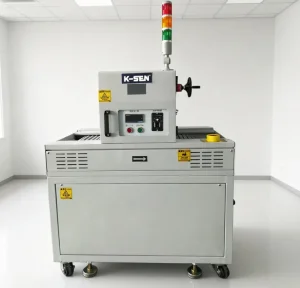
No two UV adhesive curing installations are identical. Parameters such as peak irradiance (W/cm²), total energy dosage (J/cm²), physical footprint, cooling mechanics, and system communications (e.g., PLC trigger setups) must align perfectly with the automated production floor. Dongguan LumiCure excels at bridging the gap between mechanical specifications and high-yield system performance.
Whether your operation is a regional medical assembly unit in Bavaria or a global printing line integrator in North Rhine-Westphalia, LumiCure supports your production goals with systems tailored to modern manufacturing requirements.
Consult with our engineering team today to receive customized CAD drawings, physical testing data, and a competitive quotation tailored for your manufacturing facility.
Send Inquiry Now LumiCure Light