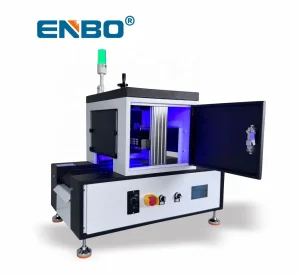
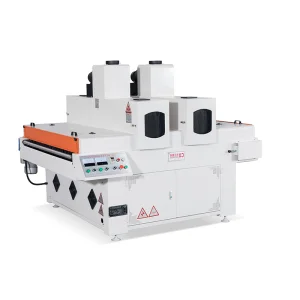
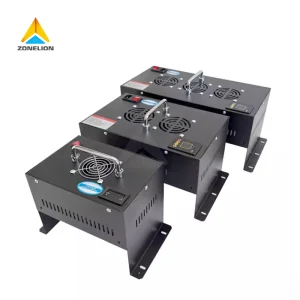
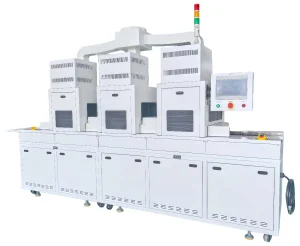
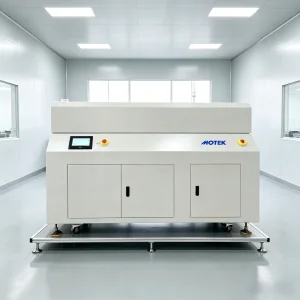
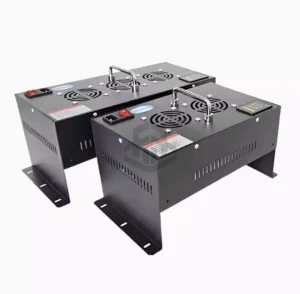
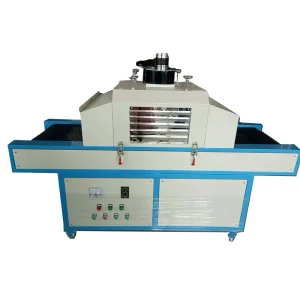
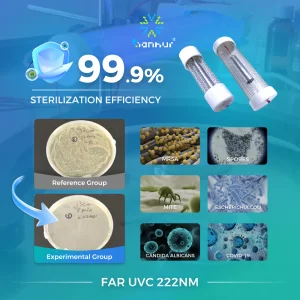
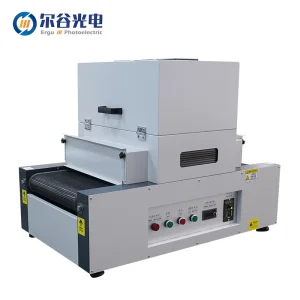
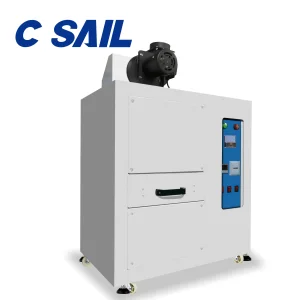
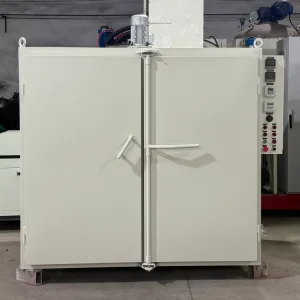
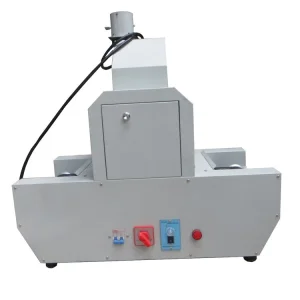
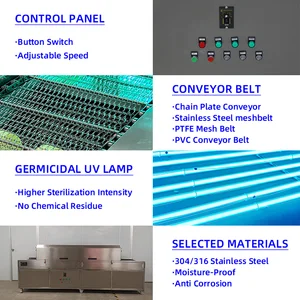
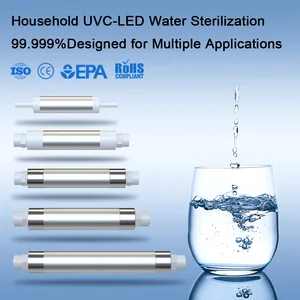
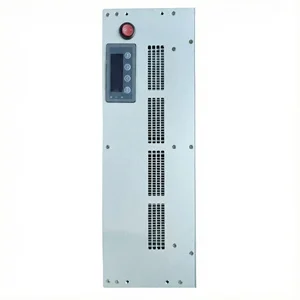
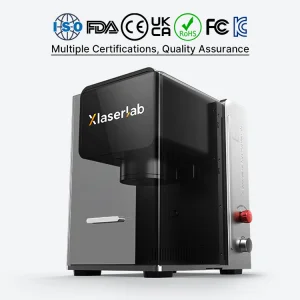
Designed to operate seamlessly on automated assembly lines throughout the Detroit industrial corridor, these four high-capacity conveyor configurations are configured for maximum output consistency, optical precision, and energy conservation.
Through rigorous physical verification and optoelectronic calibration, our UV LED systems deliver measurable energy gain and lower operating costs.
Detroit, Michigan—the historic heart of global automotive engineering—is undergoing an unprecedented manufacturing transformation. From the traditional internal combustion engine (ICE) manufacturing models, Southeast Michigan's industrial base is pivoting rapidly toward Electric Vehicles (EVs), advanced electronics, autonomous driving systems (ADAS), and highly complex medical devices. This manufacturing shift demands high-speed, environmentally compliant, and micro-precise production solutions.
Traditional curing technologies—predominantly medium-pressure mercury arc lamps—are proving increasingly obsolete. They require significant warm-up times, consume massive amounts of electricity, emit toxic ozone, and radiate immense thermal energy. This high thermal load frequently warps thin plastic substrates, damages sensitive lithium-ion battery polymers, and breaks down advanced ADAS sensor components.
Detroit's Tier-1 and Tier-2 automotive suppliers are now integrating high-intensity UV LED conveyor curing systems directly into their assembly lines. Whether you are situated in Auburn Hills, Warren, Dearborn, or the Detroit metro area, having access to high-performance photopolymerization technology is critical to maintaining a competitive edge. Our customized conveyor systems provide instant-on curing at pinpoint wavelengths (typically 365nm, 385nm, 395nm, or 405nm), matching the exact absorption spectra of modern industrial photopolymers without overheating components.
To satisfy the strict standards of the automotive and electronics industries, our UV LED conveyor curing machinery is optimized for these specialized applications:
Fast curing of dielectric structural adhesives, protective potting coatings, and cell-to-pack sealants. Low-temperature curing shields heat-sensitive lithium-ion elements.
High-speed curing of conformal coatings and optical adhesives on automotive control modules, sensor boards, and infotainment hardware with zero distortion.
Curing inks, protective varnishes, and functional textures on automotive dials, dashboards, trim materials, and customized industrial components.
Dongguan LumiCure Light Co., Ltd. is a leading China UV LED curing lamp manufacturer, specializing in the research, development, production, and supply of industrial UV curing systems and customized UV LED solutions. With a focus on innovation, precision engineering, and strict quality control, LumiCure has become a trusted partner for global manufacturers seeking highly efficient and reliable curing technologies.
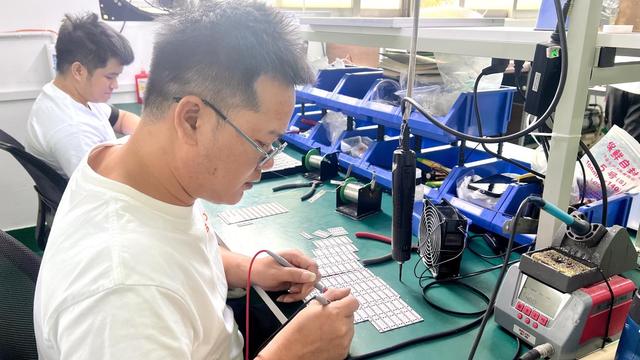
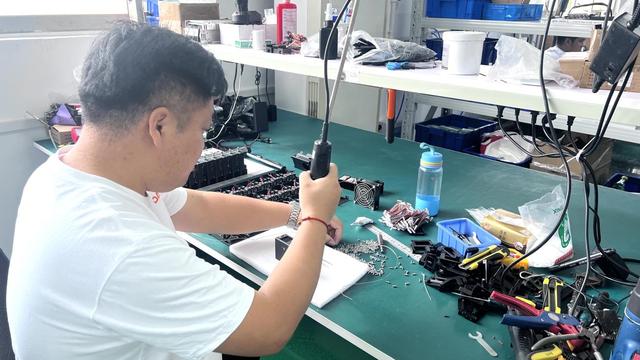
Our comprehensive production facilities in Dongguan allow us to control the entire manufacturing process—from chip encapsulation, module design, and structural metal fabrication to automated conveyor assembly and digital control panel programming. By combining China's rapid R&D scaling, cost-effective manufacturing, and supply chain strength with localized custom integration support, we deliver world-class curing machinery to importers and system integrators in Detroit.
Our products feature long service lives, precise wavelength outputs, low maintenance requirements, and intelligent PLC control capabilities, helping Detroit manufacturers scale production, improve quality, and reduce operating costs.
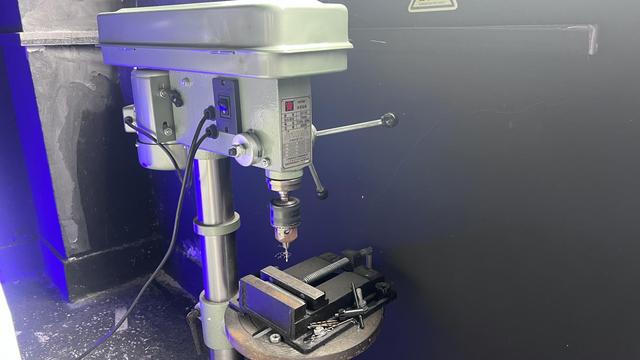
The following advanced systems represent our core export configurations, fully compliant with international industrial specifications and ready for integration into manufacturing facilities in Metro Detroit.
To cover the complete spectrum of light-induced processes, we manufacture high-capacity sterilization tunnels, inline optical glue platforms, and precision engravers.
For Tier-1 supply chains operating across North America, quality assurance goes far beyond component choice. Every UV LED system imported from Dongguan LumiCure undergoes a rigorous validation process to meet both North American electrical codes and European safety standards.
| Compliance Standard | Technical Requirement | Detroit Factory Floor Benefit |
|---|---|---|
| CE / UL Standards | Certified electrical isolation, high-voltage surge protections, and flame-retardant electrical enclosures. | Guarantees rapid approval by OSHA site inspectors and local industrial facility engineers. |
| RoHS & REACH | No mercury, lead, or hazardous materials used in the optical array or structure. | Aligns with clean-energy policies, avoiding complex EPA disposal and mercury compliance reporting. |
| ISO 9001:2015 | Consistent manufacturing calibration of chip arrays for uniform UV output. | Guarantees batch-to-batch curing consistency, minimizing production line quality audits. |
| IEC 62471 | Evaluation of photobiological safety standards for UV emitters. | Protects machine operators from harmful stray radiation through proper optical shielding design. |
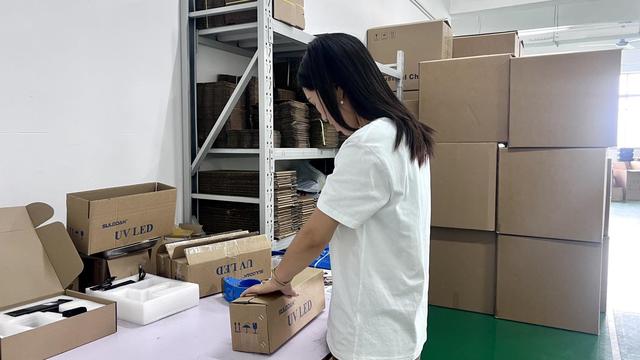
Our logistic team handles the complete transit chain from our factory floor in Dongguan to your distribution hub or facility in Detroit. With specialized container packaging, electronic components are shielded from vibration and humidity, ensuring they arrive configured for quick integration into your assembly floor.
To understand the performance benefits of UV LED systems, it is essential to analyze the underlying physics of photopolymerization. Traditional mercury arc systems rely on a broad spectral emission profile (ranging from deep UVC up to infrared). While this broad light spectrum cures a variety of compounds, it directs excessive heat onto the target part, which can warp delicate materials.
Conversely, modern UV LED systems emit concentrated, monochromatic light at a specific peak wavelength (typically 365nm or 395nm). This targeted energy output is designed to interact directly with the photoinitiators in the adhesive or coating formulation:
For thin coats and graphic inks, a shorter wavelength like 365nm is optimal for surface polymerization, preventing tackiness. For thicker adhesives, conformal coatings, and composite structural bonds, 395nm or 405nm provides deeper penetration, securing a solid bond throughout the substrate layer.
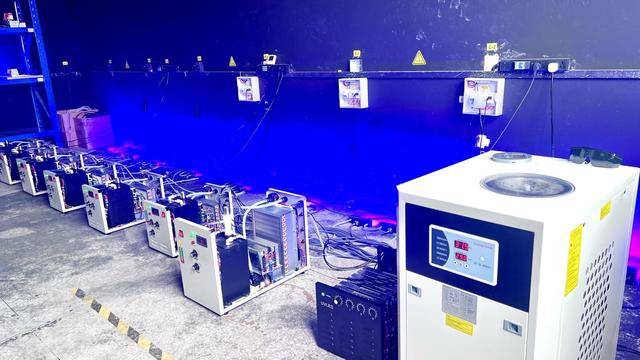
Industrial UV LED systems generate heat at the back end of the semiconductor chip rather than emitting it as infrared radiation. To manage this, our systems utilize dual thermal dissipation architectures:
Find quick technical answers regarding compatibility, conveyor speed integration, and system performance below:
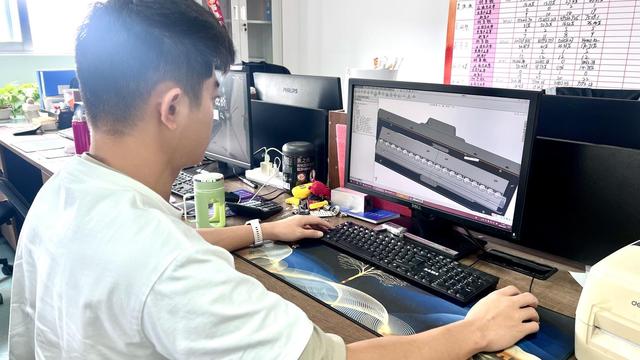
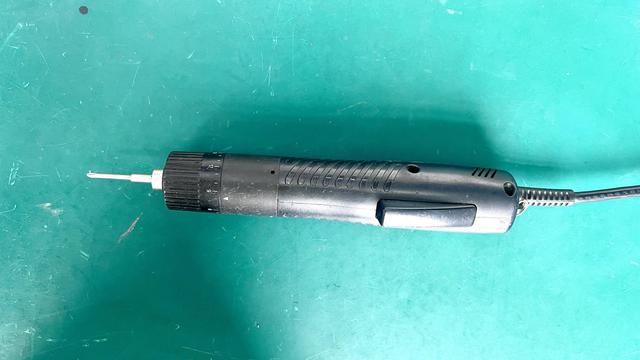
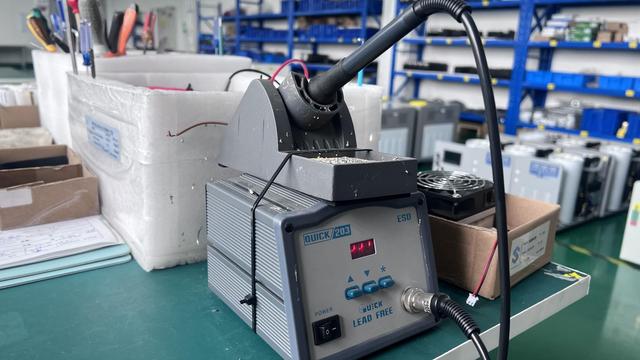
A look at our production workflow, quality testing facilities, and assembly lines in our China manufacturing plant:
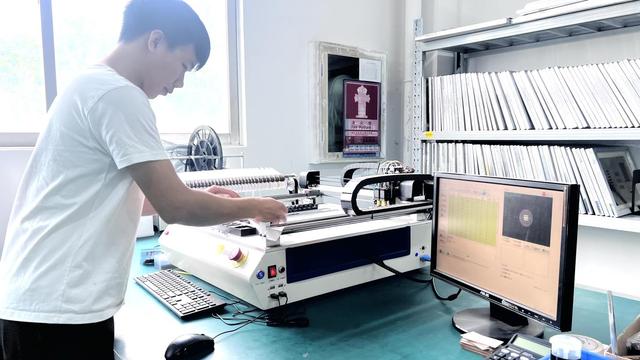
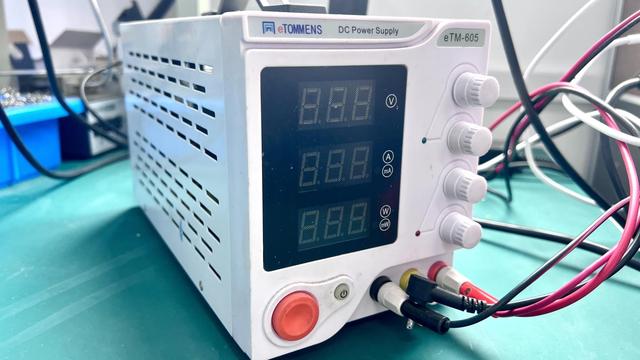
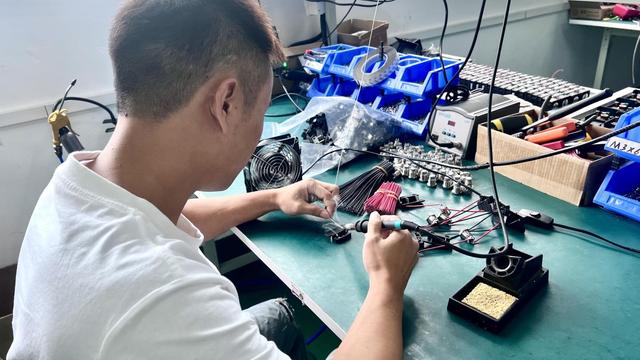
Whether you require a custom configuration, special wavelength calibration, or integrated conveyor belt speeds, our engineering team is here to assist. Get in touch for a detailed technical proposal.
 LumiCure Light