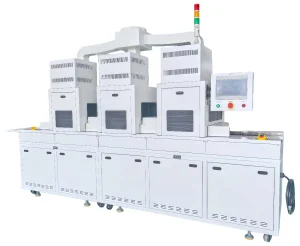
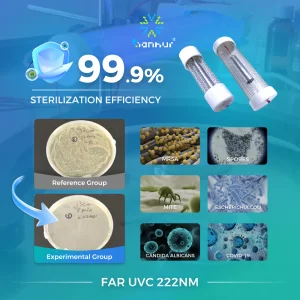
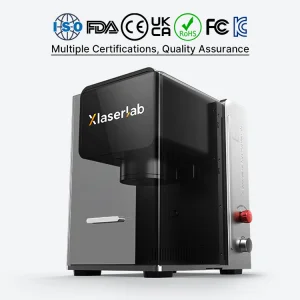
Deploying high-output, energy-saving industrial conveyor ovens configured for local high-reliability electronics, medical device, and packaging lines.
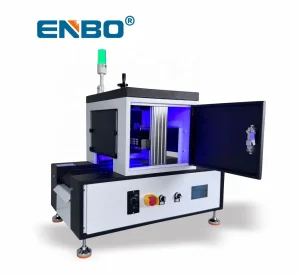
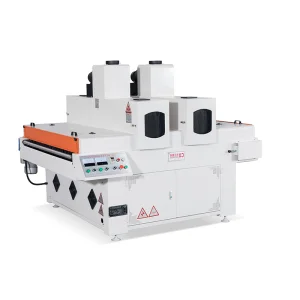
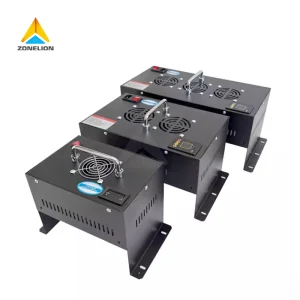
The Greater Philadelphia region, extending from the technology hubs in King of Prussia to the advanced defense and aerospace corridors of the Navy Yard, has undergone a massive modernization wave. Traditional curing mechanisms that relied on mercury vapor lamps are being systemically phased out due to strict EPA compliance guidelines, local sustainability mandates, and the rising costs of energy in Pennsylvania.
As manufacturers scale up packaging lines, electronics manufacturing services (EMS), and biopharmaceutical device assembly, the demand for precision cold-cure photopolymerization systems has surged. UV LED conveyor curing systems deliver the required peak wavelength stability and lower heat transfers critical for heat-sensitive plastics, advanced medical films, and PCB materials.
Implementing high-performance conveyorized curing lines enables Philadelphia-based businesses to minimize thermal degradation on substrates, dramatically lower downtime, and achieve instant-on, instant-off manufacturing capability.
Monochromatic LED output (specifically 365nm and 395nm) limits IR radiation emission, safeguarding thin films, plastics, and sensitive electronics.
Easily integrates into existing SCADA setups and automated production networks via advanced Modbus RTU or TCP/IP connections.
How industrial-grade solid-state LED systems outperform legacy mercury bulb ovens across key manufacturing benchmarks.
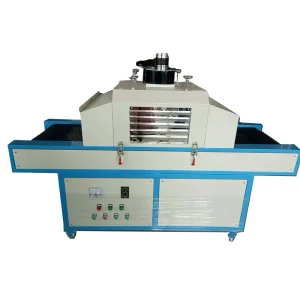
Specialized machinery supporting electronic component curing, silk screen container printing, and advanced clinical surface sterilization lines.
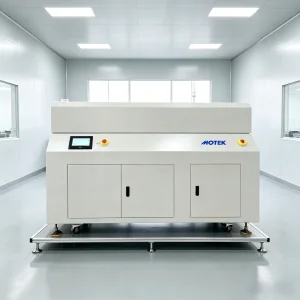
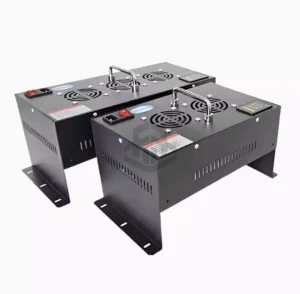
A comprehensive whitepaper overview detailing the electrical, optical, and chemical parameters governing optimal conveyor speed and irradiance profiling.
Traditional medium-pressure mercury arc lamps feature a broad emission spectrum across the UVC, UVB, and UVA bands. While effective, it disperses excessive infrared heat, risking substrate warping. In contrast, modern solid-state UV LED systems are engineered with narrow-band diodes (typically ±5nm skew). Dongguan LumiCure systems focus energy precisely at 365nm, 385nm, 395nm, or 405nm. Aligning these narrow emission outputs with specific photoinitiator absorption profiles (e.g., Lucirin TPO, BAPO, Irgacure) achieves deep through-cure in microseconds without introducing thermal stresses.
Peak irradiance represents the power delivered to the surface layer, dictating the initial cross-linking density and surface hardness (preventing oxygen inhibition). Radiant energy density (dose) is the total cumulative energy delivered over time as the substrate moves under the curing array. High-speed industrial conveyor systems require exact calculations:
$\text{Energy Density } (J/cm^2) = \frac{\text{Irradiance } (W/cm^2) \times \text{Exposure Window Width } (cm)}{\text{Conveyor Speed } (cm/s)}$
Our integrated controllers dynamically monitor and regulate belt velocity to guarantee optimal dosage consistency, ensuring complete adhesion on critical medical or PCBA assemblies.
| Wavelength | Common Materials | Ideal Application Scenario | Thermal Risk Profile |
|---|---|---|---|
| 365nm | Clear acrylics, optoelectronic epoxies, silicones | Deep penetration curing for optical assembly (OCA) | Extremely Low (Cold Light) |
| 385nm | Highly filled resins, opaque varnishes | Solder masks and PCBA protective coatings | Minimal |
| 395nm | Packaging inks, screen printing formulations | High-speed graphic container printing and label lines | Low |
| 405nm | Heavy industrial coatings, composite fillers | Thick 3D print curing and specialized laminates | Negligible |
Located in the heart of Dongguan’s precision manufacturing cluster, Dongguan LumiCure Light Co., Ltd. excels in delivering industrial UV LED technology to the global market, including direct supply to Philadelphia factories.
By keeping design, diode chip integration, thermal engineering, and chassis fabrication in-house, LumiCure controls both quality and cost. This strategic position cuts out intermediary markups, offering top-tier systems at a fraction of the cost of domestic integrators.
Our engineers build directly for international markets, adhering to CE, ISO 9001, and UL-compatible safety protocols. We offer robust OEM and ODM services, tailoring conveyor widths, wavelength arrays, air- or water-cooled heatsinks, and belt materials to match your plant's exact needs.
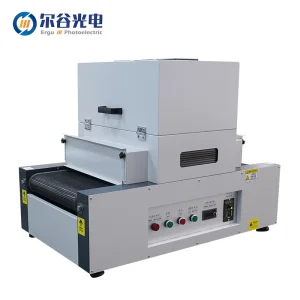
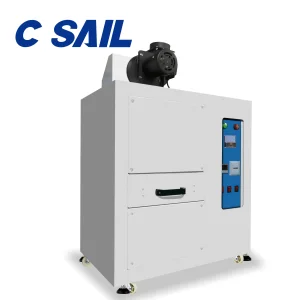
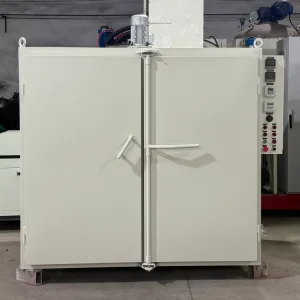
Browse our comprehensive line of conveyorized curing ovens, modular light sources, and disinfection tunnels.
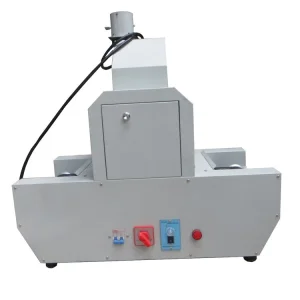
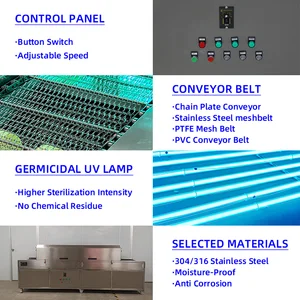
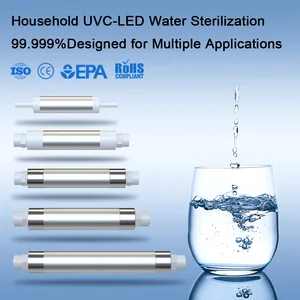
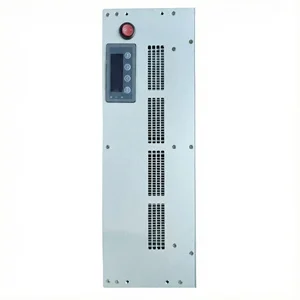
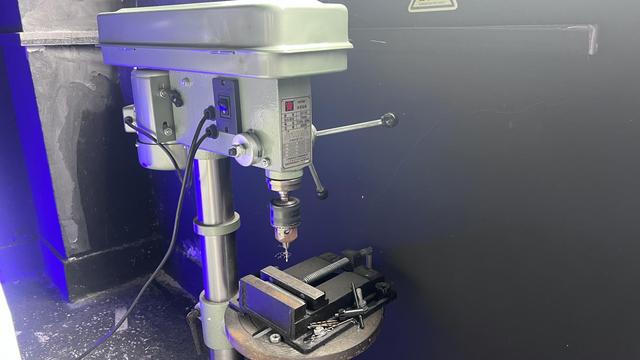
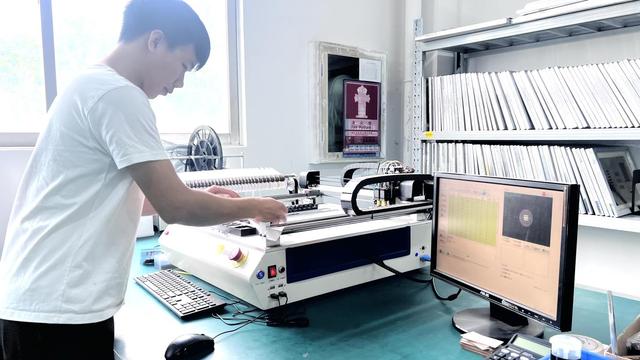
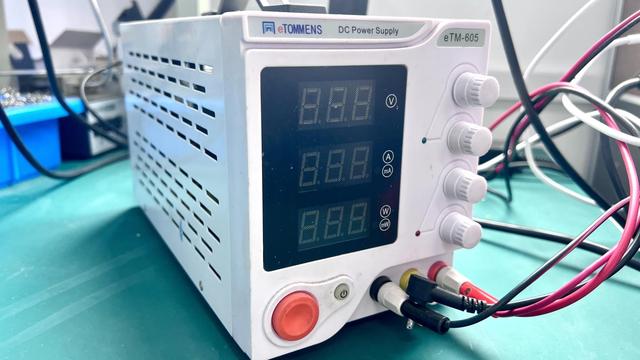
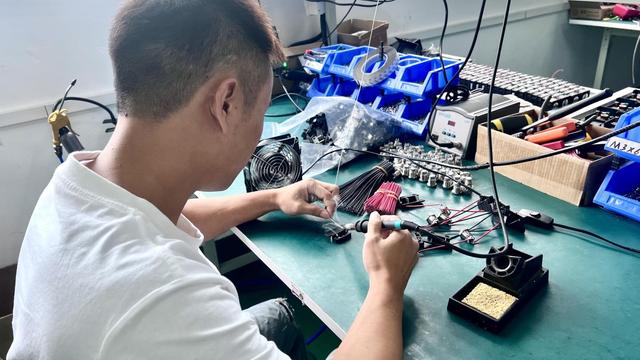
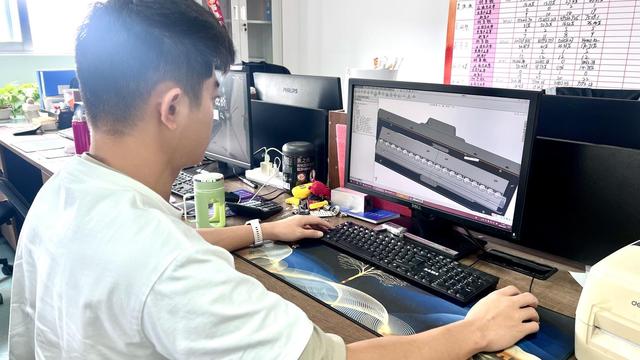
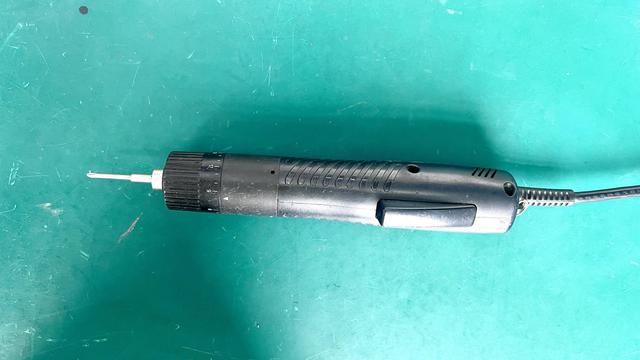
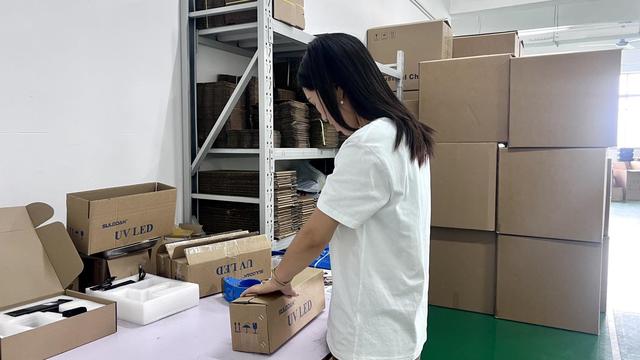
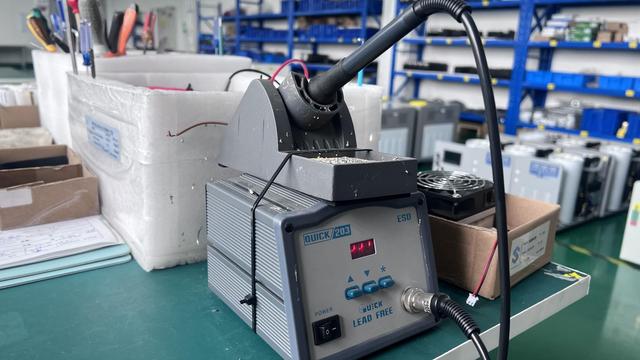
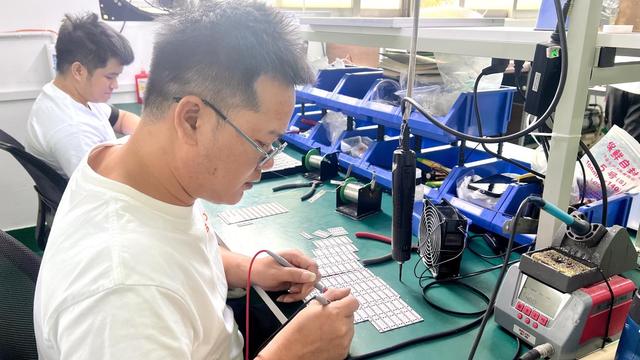
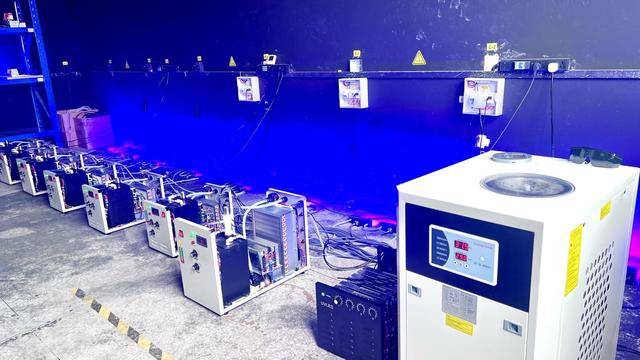
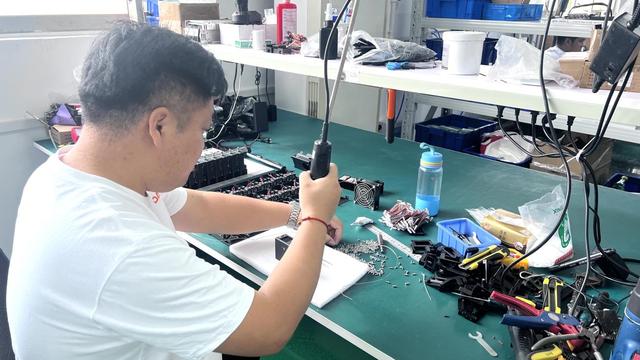
An inside look at our advanced assembly line, strict optical testing, and warehouse operations.
Addressing common queries regarding installation, engineering standards, and purchasing parameters for North American industrial operators.
Consult with our optoelectronic engineers today to design, customize, or procure a high-efficiency UV LED conveyor curing configuration optimized for your specific industrial application.
Send Inquiry Now LumiCure Light